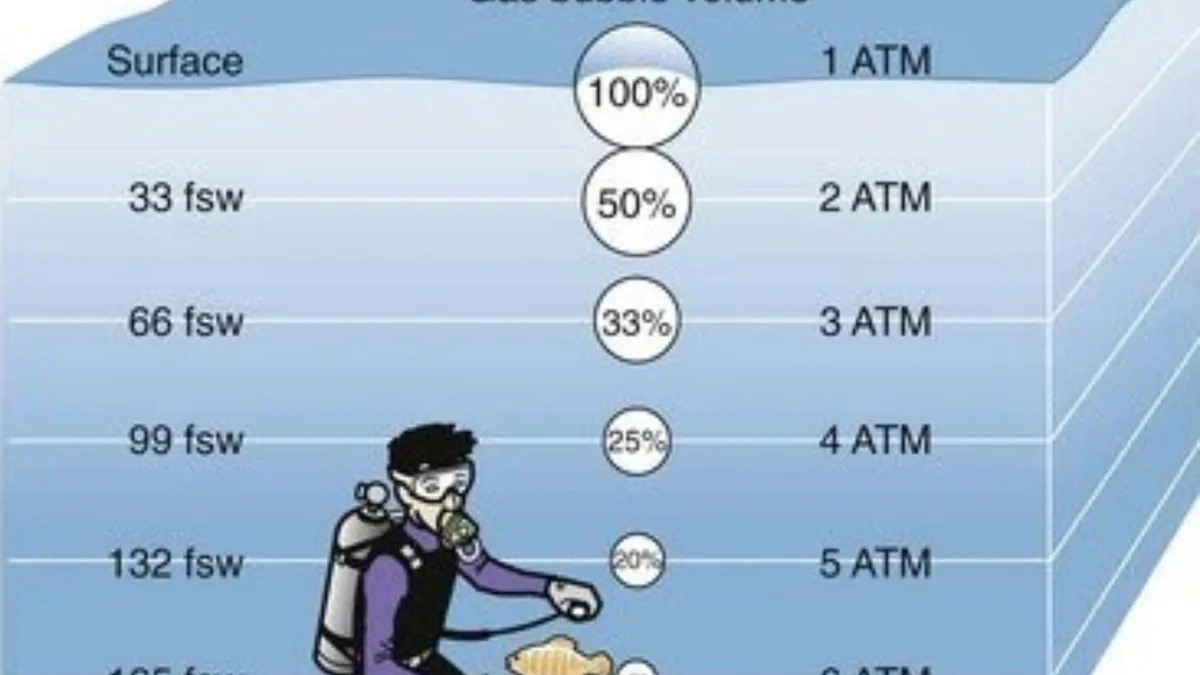
Image source: Web (Bing) / travelingwithscubajay.com (Web image (fair-use with source credit))

Today's Exclusive Deals
Limited-time Exclusive Deals. Check current discount on Amazon.
Check Price on Amazon As an Amazon Associate I earn from qualifying purchases.When you descend into the ocean's embrace, your body undergoes remarkable adjustments to the increased pressure. However, these changes can sometimes manifest as discomfort in your ears, a common concern for many divers. Understanding what triggers this ear pain is crucial for a safe and enjoyable underwater experience.
This phenomenon primarily relates to how pressure affects the air-filled spaces within your head. As you dive deeper, the external water pressure rises, and if the pressure inside your middle ear doesn't match, it can lead to pain and potential injury. For instance, per established dive physiology principles, the pressure on your eardrums can increase significantly with depth.
Quick Answer
Ear pain during scuba diving happens when the pressure inside your middle ear doesn't equalize with the surrounding water pressure. This imbalance, known as barotrauma, is often caused by blocked or poorly functioning Eustachian tubes. Not equalizing frequently enough during descent is the most common trigger for this pain and can lead to eardrum damage.
The Pressure Game: How Your Ears React Underwater
As you descend in the water, the weight of the water column above you exerts increasing pressure on your body. Your ears, particularly the middle ear space, contain air that needs to adjust to this external pressure change. Without this adjustment, the higher external pressure forces inward, causing discomfort.
Why Pressure Changes Hurt Your Ears
The discomfort you feel is essentially your body telling you that there's a significant pressure difference between the outside water and the air inside your middle ear. This difference can range from minor to severe, depending on how deep you go and how quickly you descend. Imagine squeezing a partially inflated balloon; it resists and might even pop if squeezed too hard.
Your ear does something similar.
The Role of the Eustachian Tube
Connecting your middle ear to the back of your throat is a narrow passage called the Eustachian tube. Its main job is to regulate pressure by allowing air to flow in and out of the middle ear. When you swallow, yawn, or chew, this tube typically opens, equalizing the pressure.
During diving, you need to consciously open this tube to let in air as you go deeper.
Common Causes of Dive Ear Pain
Several factors can lead to discomfort or injury in your ears while diving, all stemming from that fundamental pressure differential.
Barotrauma: The Squeeze Explained
Middle ear barotrauma is the most frequent cause of ear pain in divers. It occurs when the pressure in the external ear canal is greater than the pressure in the middle ear. This can happen if the Eustachian tube is blocked, preventing air from entering the middle ear to match the increasing external pressure.
Over time, this can cause symptoms ranging from mild discomfort to ruptured eardrums.

Image source: Web (Bing) / havytab.com (Web image (fair-use with source credit))
When Your Eustachian Tubes Just Won't Cooperate
If your Eustachian tubes are already narrowed or blocked due to a cold, allergies, or sinus infection, they can't open effectively to equalize pressure. This is why divers are strongly advised against diving when they are sick. The inability of the tube to ventilate the middle ear leads to a pressure imbalance, causing pain and potentially more serious issues like fluid buildup or damage.
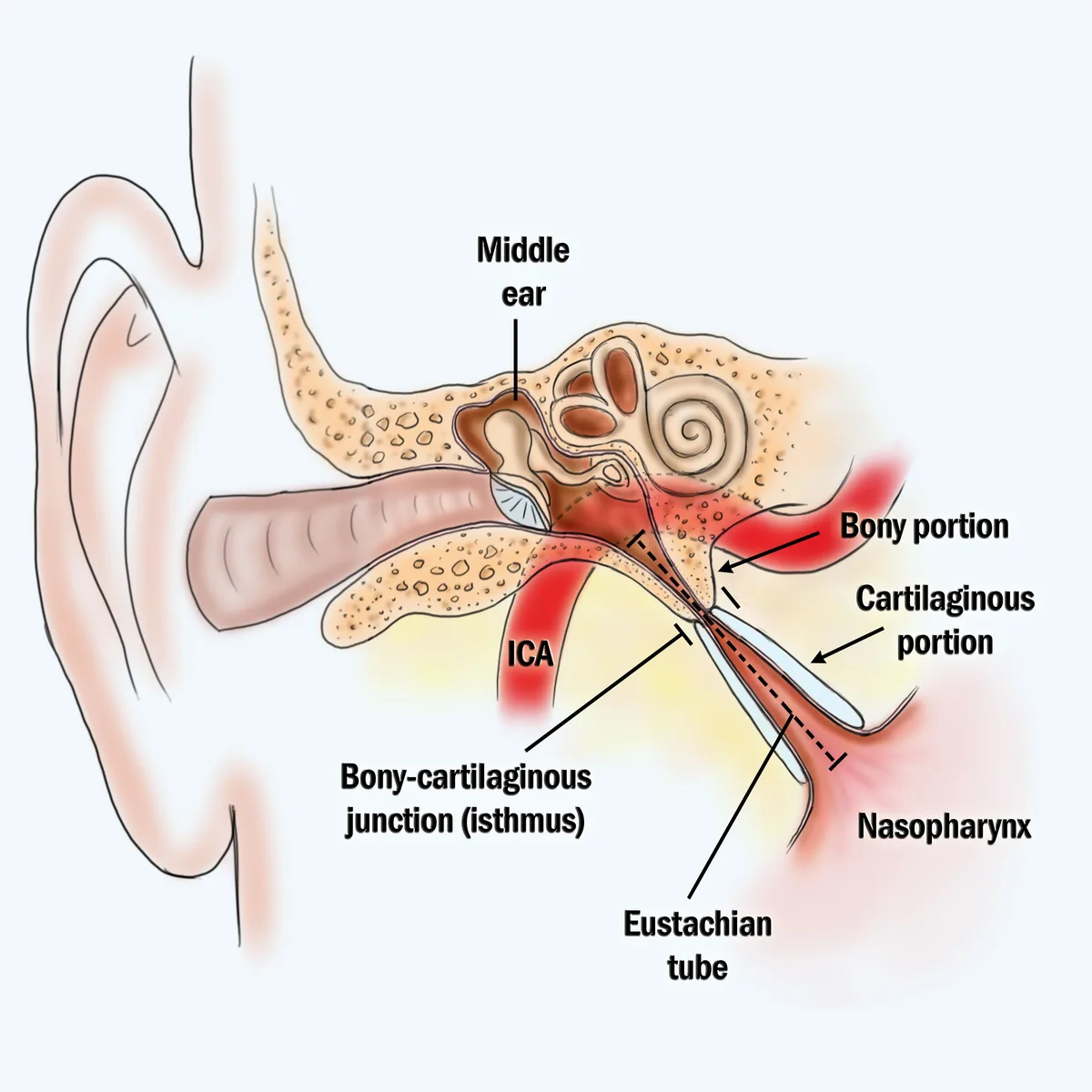
Image source: Web (Bing) / med.uth.edu (Web image (fair-use with source credit))
Sinus Congestion and Ear Discomfort
Your sinuses and middle ear are interconnected systems. Congestion in your sinuses can create a similar blockage effect as direct Eustachian tube inflammation, impeding your ability to equalize ear pressure. If you experience sinus pressure before a dive, it’s a clear sign that your ears might also be at risk.
Surfer's Ear: A Long-Term Dive Risk
While not an immediate cause of pain on a single dive, surfer's ear, or exostosis, is a condition where repeated exposure to cold water causes bony growths in the ear canal. These growths can trap water and debris, leading to infections and discomfort that can affect subsequent dives. Consistent use of earplugs in cold water can help mitigate this risk.
Mastering Ear Equalization Techniques
Equalizing your ears is arguably the most critical skill for any scuba diver. It's the active process of matching the pressure in your middle ear to the surrounding water pressure. Learning and consistently applying the correct techniques can prevent most dive-related ear pain.
The Valsalva Maneuver: How It Works
The Valsalva maneuver is a common technique where you gently pinch your nostrils closed and then exhale through your nose. This forces air up into the Eustachian tubes, opening them and allowing pressure to equalize in the middle ear. It's effective, but if done too forcefully, it can actually push fluid or infection into the middle ear.
Many divers find it works best during descent.
The Frenzel Maneuver: A More Efficient Approach
The Frenzel maneuver involves closing your nostrils and then making a "k" sound by moving the back of your tongue and soft palate. This action forces air into the Eustachian tubes with less strain than Valsalva. It's generally considered more controlled and efficient, especially for divers who have trouble with Valsalva, and is highly recommended by many dive instructors.
When to Equalize: Constant Vigilance is Key
Don't wait until you feel pain to equalize. The optimal time to equalize is as soon as you feel any pressure difference, typically during your descent. Equalize early and often, especially if you are descending rapidly.
Many divers find they need to equalize every few feet during the initial part of the dive. Consistency is more important than force. It's also essential to remember that equalization during ascent is different.
You'll typically want to equalize less frequently as you go up, as the pressure is decreasing, and air naturally wants to escape. If you feel pressure building on ascent, a gentle attempt to equalize is necessary, but avoid forcing air out too hard.
Skipping equalization, or doing it incorrectly, leads directly to the pain and injuries we've discussed. Remember, this skill is fundamental to safe diving and requires practice both in and out of the water. Many dive training agencies, such as PADI and SSI, emphasize repeated practice of these techniques during certification courses.
Mastering them is key to an enjoyable underwater experience for any diver as of 2026.
Mistakes That Lead to Dive Ear Pain
Ignoring congestion is the biggest no-no for divers concerned about ear health. When you're dealing with a cold, allergies, or any kind of sinus pressure, your Eustachian tubes are likely compromised. Trying to equalize under these conditions is like trying to push a full water balloon through a narrow pipe, it’s painful and can cause significant damage.
Always be honest with yourself about your physical condition before heading underwater.
Forcing equalization can also be a serious mistake. While you need to actively equalize, doing so with excessive force can push fluid or infection into your middle ear, creating a worse problem. This is especially true if you’re already experiencing some blockage or pain.
It’s always better to ascend slightly and try again gently than to push through pain.
Descending too fast without equalizing is another common pitfall. The faster you descend, the quicker the external pressure increases, and the less time your Eustachian tubes have to adjust. This rapid pressure change can overwhelm your ears' ability to cope, leading to that dreaded "squeeze." Regular, gentle equalization is key, particularly during the initial stages of a dive where pressure changes are most rapid.
Protecting Your Ears for Safer Dives
Taking proactive steps before and after your dives can significantly reduce the risk of ear pain. Simple habits can make a world of difference in maintaining your hearing and preventing uncomfortable issues.
Pre-Dive Health Checks
Before any dive, take a moment to assess how your ears feel. Can you easily equalize on the surface by swallowing or yawning? If you feel any congestion or pressure, it's a clear indicator that you shouldn't dive.
Remember that your ears can be sensitive to changes throughout the day due to weather or activity.
Dive Planning for Ear Safety
When planning your dives, especially if you're prone to ear issues, consider your descent rate. A slower descent allows more time for equalization, reducing the chance of barotrauma. If you're planning multiple dives in a day, be extra mindful of how your ears feel between dives.
Some divers also find that using a saline nasal spray before diving can help keep their nasal passages and Eustachian tubes clear. For divers planning extended trips, a good scuba diving gear bag that keeps equipment dry and organized is essential for maintaining overall gear readiness.
Post-Dive Ear Care
After diving, it's a good practice to keep your ears dry. Gently pat them dry with a towel and avoid inserting anything into your ear canal, such as cotton swabs. If you've been in saltwater, a very mild ear rinse with a freshwater and vinegar solution (one part vinegar to one part water) can help prevent infections, but always consult with a dive professional or doctor before trying this.
Keeping your ears healthy helps ensure you can enjoy future dives, perhaps even needing a reliable scuba diving wetsuit for warm water for comfort.
FAQs About Dive Ear Pain
Why does my ear hurt more on one side than the other during a dive?
This often happens because one Eustachian tube might be slightly more congested or less responsive than the other. The ear with the more compromised tube will experience a greater pressure difference, leading to more pain. It's a sign that your equalization on that side needs extra attention.
Can I dive if I have a mild cold?
No, it's strongly recommended not to dive with any cold symptoms, even mild ones. Congestion in your nasal passages and Eustachian tubes can prevent proper equalization, leading to significant ear pain and potential injury. Your health and safety, especially your hearing, are paramount.
How can I tell if I've injured my ear from diving?
Symptoms of ear injury include persistent pain, a feeling of fullness or blockage, ringing in the ears (tinnitus), dizziness, or even hearing loss. If you experience any of these after a dive, you should avoid diving further and seek medical attention from a healthcare professional familiar with diving-related injuries.
Is it normal to feel a popping sensation in my ears when equalizing?
Yes, a gentle popping sensation is usually a good sign that your Eustachian tubes are opening and equalizing pressure correctly. However, if this popping is accompanied by pain or a feeling of blockage, it might indicate an issue.
What should I do if I can't equalize my ears during a dive?
If you cannot equalize, do not descend further. Ascend slowly to a shallower depth where you can equalize, try again gently, and if still unsuccessful, abort the dive. Pushing deeper with un-equalized ears is the quickest way to cause barotrauma.
Your dive buddy can assist you or signal your divemaster if you're in a group.