When you see climbers scaling frozen waterfalls or making their way up icy mountain faces, you might wonder how they stay safe on such slippery and dangerous terrain. One of the most important tools they use is the ice screw. This unique piece of gear can be the difference between a safe adventure and a life-threatening accident in the world of ice climbing and mountaineering. If you’re curious about what ice screws are, how they work, and why they matter, keep reading. This guide will give you a clear and detailed look at these essential tools, including their types, usage, and practical advice for beginners and experienced climbers alike.
What Are Ice Screws?
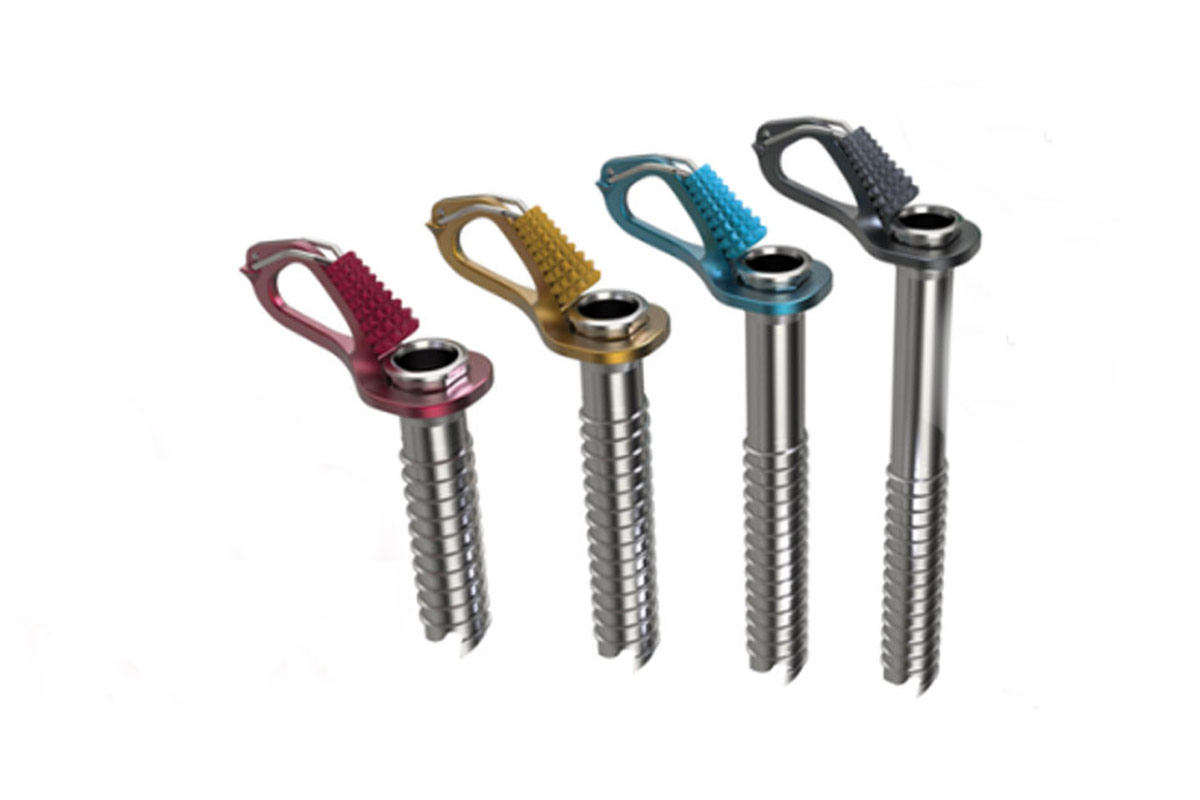
An ice screw is a tubular metal anchor used in ice climbing, alpine climbing, and glacier travel. Climbers use ice screws to create secure anchor points in hard ice, which can catch a fall or support the climber’s weight. Most ice screws are made of strong materials like steel or aluminum, and they feature sharp threads that bite into the ice when twisted.

Today's Exclusive Deals
Limited-time Exclusive Deals. Check current discount on Amazon.
Check Price on Amazon As an Amazon Associate I earn from qualifying purchases.The basic design is simple: a hollow tube with sharp teeth at one end, threading along the sides, and a handle or hanger at the other end. When the climber turns the screw into the ice, it creates a strong anchor. Carabiners and ropes can then be attached to the hanger to protect the climber or build belay stations.
Key Features Of Ice Screws
- Material: Usually steel or aluminum for strength and durability.
- Length: Commonly range from 10 to 22 centimeters.
- Threads: Spiral threads help the screw grip the ice.
- Teeth: Sharp tips for easy placement.
- Hanger: A loop or handle for attaching gear and for turning the screw.
- Weight: Lightweight for carrying during climbs.
Types Of Ice Screws
Not all ice screws are the same. The right choice depends on the type of climbing, ice conditions, and the climber’s preference.
1. Traditional Ice Screws
These are the classic design, with a basic tube, threads, and a simple hanger. They are reliable and strong but can be harder to place quickly, especially in tough ice.
Today's Exclusive Deals
Limited-time Exclusive Deals. Check current discount on Amazon.
Check Price on Amazon As an Amazon Associate I earn from qualifying purchases.2. Modern Ice Screws
Modern versions have improved features like folding handles, sharper teeth, and better thread patterns. These upgrades make them easier and faster to place, even with gloves on.
3. Aluminum Ice Screws
Aluminum models are lighter, which is helpful for long climbs or glacier travel. However, they may not be as durable as steel screws in very hard ice.
4. Specialized Short Screws
Shorter screws are used in thin ice or for creating emergency anchors. They are faster to place but offer less holding power.
5. Long Ice Screws
Longer screws provide extra security in thick, stable ice. They are heavier but offer the best protection for critical placements.
Today's Exclusive Deals
Limited-time Exclusive Deals. Check current discount on Amazon.
Check Price on Amazon As an Amazon Associate I earn from qualifying purchases.Comparison Of Ice Screw Types
| Type | Best Use | Advantages | Limitations |
|---|---|---|---|
| Traditional | General ice climbing | Strong, reliable | Slower to place |
| Modern | Technical climbing | Easy to use, fast placement | More expensive |
| Aluminum | Glacier travel | Very lightweight | Less durable in hard ice |
| Short | Thin ice, emergencies | Quick to place | Lower holding power |
| Long | Thick, solid ice | Maximum security | Heavier, slower to place |

How Are Ice Screws Used?
Ice screws are not just about carrying them on your harness. Proper use is critical for safety and efficiency. Here’s how climbers use ice screws in the field.
Placing An Ice Screw
- Choose the Location: Look for clear, hard, and solid ice. Avoid areas with cracks, air bubbles, or rotten ice.
- Prepare the Surface: Clear snow and loose ice with your axe. A flat spot helps the screw start easily.
- Start the Screw: Hold the screw against the ice at a slight upward angle (usually 10–15 degrees above horizontal). Press the teeth into the ice and start turning.
- Screw It In: Turn the handle or hanger, letting the threads pull the screw in. Keep steady pressure. The screw should go in smoothly.
- Finish Placement: Once the hanger is flush with the ice, check that the screw is solid. Attach a quickdraw or carabiner for your rope.
Removing An Ice Screw
When cleaning a route or moving up, screws need to be removed:
- Unscrew by turning in the opposite direction.
- Tap gently if the screw is frozen in place.
- Store safely to avoid injury or damaging your gear.
Using Ice Screws For Anchors
Anchors are essential for belaying and rappelling. Climbers often use two or more screws, connected with a sling or cordelette, to create a strong anchor system.
Example Scenario
Imagine leading a climb on a frozen waterfall. You move up 5 meters, find solid ice, and place your first screw. You attach your rope for protection, climb higher, and repeat the process. If you fall, the screw holds the force, preventing a ground fall.
Data On Holding Strength
The holding power of an ice screw depends on ice quality and screw length. In good conditions, a 16 cm steel screw can hold between 7–12 kilonewtons (kN), which is enough to catch most falls.
Choosing The Right Ice Screw
Selecting the right ice screw is not just about picking the longest or cheapest option. Here’s what you should consider:
Ice Conditions
- Hard, clear ice: Steel, longer screws are best.
- Thin or soft ice: Shorter screws may be your only option.
- Glacier travel: Lightweight aluminum screws are popular.
Climber Experience
- Beginners: Modern screws with easy handles help with placement.
- Experts: May prefer a mix of types for flexibility.
Weight Vs. Security
Longer and steel screws are heavier but stronger. For long climbs, carrying a mix of lengths helps balance safety and weight.
Cost
Modern, high-quality screws can be expensive. However, investing in good gear often means better safety and easier placements.
Common Mistakes
- Using too few screws for anchors (always use at least two).
- Placing screws in poor-quality ice.
- Not practicing removal and placement before climbing.
Maintenance And Care
Ice screws need regular care to stay safe and effective.
- Sharpen teeth with a small file if they become dull.
- Dry thoroughly after each trip to avoid rust.
- Check for damage: Bent or cracked screws should be replaced.
- Store safely: Use protective caps to cover sharp teeth.
Cleaning After Use
Always remove any ice and moisture before packing your screws. Leftover ice can cause rust or make them hard to use next time.
Inspection
Before every climb, inspect each screw for signs of wear or damage. Even small cracks or bends can reduce strength.
Safety Tips For Using Ice Screws
Ice climbing is dangerous if you don’t use your gear correctly. Here are some safety tips:
- Practice placement on the ground before your first climb.
- Use enough screws: Place screws every few meters for protection.
- Test placements: Tug gently after placing to check security.
- Use proper anchors: Always back up belays with multiple screws.
- Stay aware: Ice conditions can change quickly, so adapt as needed.
Real-world Examples And Insights
Many beginners think ice screws are only for steep, technical climbs. In fact, they are also essential for glacier travel. When crossing glaciers, climbers use screws to build rescue anchors if someone falls into a crevasse.
Another common mistake is over-tightening screws. This can crack the ice around the threads, making the anchor weaker. A snug, not overly tight, placement is best.
Experienced climbers often carry a sharpening tool to maintain their screws in the field. Dull screws are much harder to place, especially in cold, brittle ice.
Comparison Of Leading Ice Screw Brands
Here’s how some popular brands compare in real use:
| Brand | Model | Weight (g) | Placement Speed | Durability |
|---|---|---|---|---|
| Black Diamond | Express | 143 (19cm) | Very Fast | Excellent |
| Petzl | Laser Speed | 128 (17cm) | Fast | Very Good |
| Grivel | 360 | 146 (18cm) | Medium | Excellent |
| Camp | Rocket | 122 (16cm) | Medium | Good |
Practical Tips For Beginners
- Start with practice placements on safe, low-angle ice.
- Carry a variety of screw lengths for changing conditions.
- Label your screws by length for quick access.
- Learn to recognize bad ice: Avoid milky, bubbly, or sun-rotted areas.
- Keep screws warm inside your jacket to make starting easier.
How To Organize And Carry Ice Screws
Carrying ice screws efficiently saves time and energy:
- Use a screw holder or racking device on your harness.
- Place longer screws at the back, shorter ones at the front.
- Keep a dedicated quickdraw or carabiner ready for each screw.
For multi-pitch climbs, divide screws between team members to balance weight.
Advances In Ice Screw Technology
Modern ice screws are much easier and safer to use than older designs. Some have features like:
- Color-coded hangers for length identification
- Replaceable tips for longer life
- Integrated speed handles for faster placement
These innovations have made ice climbing more accessible and safer for everyone.
Environmental Considerations
Climbers should always leave as little trace as possible. Avoid damaging fragile ice formations, and never leave screws behind unless absolutely necessary for rescue or safety.

Where To Learn More
If you’re interested in deepening your knowledge, consider taking an ice climbing course with a certified instructor. Many climbing clubs and outdoor centers offer hands-on training. For more technical details and history, check out Wikipedia’s Ice Screw page.
Frequently Asked Questions
What Is The Main Purpose Of An Ice Screw?
The main purpose of an ice screw is to provide a secure anchor in hard ice for climbing protection or rescue. Climbers use them to attach ropes, build anchors, and protect themselves in case of a fall.
How Many Ice Screws Should I Carry On A Climb?
Most climbers carry 6 to 10 ice screws of different lengths. The number depends on the route, ice conditions, and how much protection you want. It’s better to have a few extra than to run out on a long pitch.
Can Ice Screws Be Reused?
Yes, ice screws are reusable if they are well cared for. Always inspect for damage or rust and sharpen the teeth as needed. Replace any screw that is bent or cracked.
Are Ice Screws Only For Ice Climbing?
No. While they are mainly used in ice climbing, ice screws are also important for glacier travel, crevasse rescue, and alpine climbing where ice is present.
What Is The Difference Between A Short And A Long Ice Screw?
A short ice screw (10–13 cm) is faster to place and useful in thin ice but holds less force. A long ice screw (19–22 cm) offers more holding power and security, especially in thick, solid ice.
Mastering ice screws takes practice, but with the right knowledge and respect for the risks, they can make your icy adventures much safer and more enjoyable. Whether you’re gearing up for your first climb or looking to improve your technique, understanding ice screws is an essential part of the journey.