
Ice climbing is an adventure that pushes both body and mind into nature’s coldest corners. Many people wonder: how cold is it during ice climbing? The answer is more complex than just a number on a thermometer. Cold isn’t just felt—it’s experienced through wind, altitude, moisture, and even fear. If you’re considering your first climb or just curious, understanding the real cold of ice climbing goes beyond “it’s freezing.” It’s about preparing your body, your gear, and your mind for an environment where warmth is a precious resource.
What Is Ice Climbing?
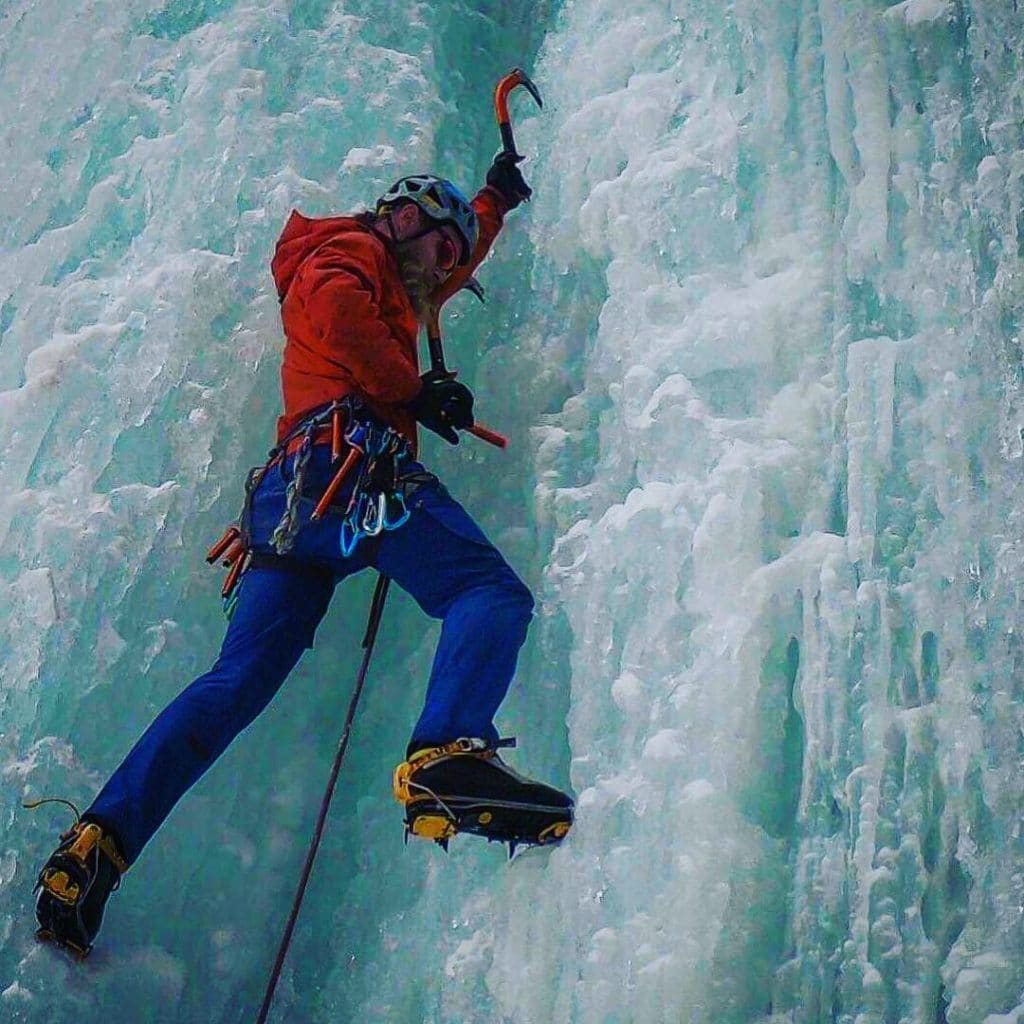
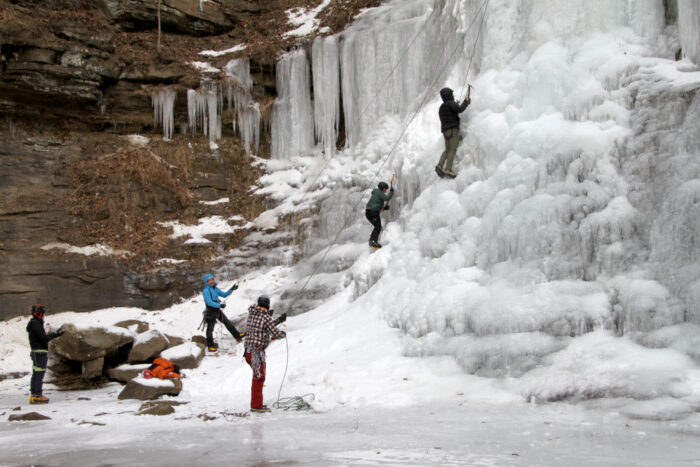
Before looking at the temperatures, it helps to know what ice climbing involves. Ice climbing means ascending frozen waterfalls, cliffs, or ice-covered rock faces using special equipment. The ice can be natural—like a frozen river or waterfall—or artificial, made for competitions or practice. Climbers use ice axes, crampons, and ropes to move safely up the ice.
Today's Exclusive Deals
Limited-time Exclusive Deals. Check current discount on Amazon.
Check Price on Amazon As an Amazon Associate I earn from qualifying purchases.Most climbs happen in winter, between late November and early March, depending on the region. This means the environments are not just cold—they can be dangerously cold, with weather changing quickly. The conditions are often harsher than normal winter hiking or skiing.
Typical Temperatures During Ice Climbing
The most obvious factor is air temperature. But how cold is it, really, when you’re on the ice?
Average Temperature Ranges
In popular ice climbing regions, temperatures commonly range from -10°C to -20°C (14°F to -4°F). In some locations, it’s even colder. Here’s a look at average winter temperatures in famous ice climbing spots:
| Location | Average Climbing Temp | Coldest Recorded Temp |
|---|---|---|
| Ouray, Colorado (USA) | -7°C (19°F) | -23°C (-9°F) |
| Banff, Alberta (Canada) | -12°C (10°F) | -30°C (-22°F) |
| Rjukan (Norway) | -8°C (17°F) | -25°C (-13°F) |
| Frankenstein Cliff (USA) | -6°C (21°F) | -20°C (-4°F) |
Wind Chill Makes It Worse
The wind chill factor is critical. Wind removes warmth from your body, making it feel much colder than the thermometer says. For example, -10°C with a wind speed of 30 km/h (18 mph) can feel like -20°C or lower.
Microclimates On The Ice
When you’re on an ice face, you may be exposed to cold air blowing up a valley, or you might be sheltered from the wind. If you’re in a shaded canyon, it can be much colder than in the sun—even if the air temperature is similar.
The ice itself can also radiate cold, making your hands and feet feel extra chilled.

Factors That Affect How Cold You Feel
Knowing the temperature is one thing, but the way cold affects you during ice climbing depends on several factors.
1. Wind
Wind is one of the most dangerous elements. It increases heat loss and can cause frostbite much faster. Exposed ridges or valleys often have stronger winds.
2. Humidity And Moisture
Dry cold feels different from wet cold. In areas with high humidity, sweat and damp clothing make you feel much colder. If snow or ice melts on your clothes, you’ll lose heat quickly.
3. Altitude
Many ice climbing routes are at higher altitudes. Higher elevation means thinner air and lower temperatures. It also means the sun’s warmth is weaker, and you’ll get cold faster if you stop moving.
4. Sun Exposure
Climbing on a sunny day can feel much warmer—even at very low temperatures. The sun can heat the rock and ice, making conditions more comfortable. But this can also make the ice softer and less secure, which affects safety.
5. Physical Activity
When you’re actively climbing, your body produces heat. But during belaying (waiting for your partner), you stand still and cool down quickly. Breaks are when most climbers feel the cold the most.
Effects Of Extreme Cold On The Body
Climbing in the cold is not just uncomfortable—it can be dangerous. Here’s what happens to your body:
- Vasoconstriction: Blood flow to your fingers, toes, ears, and nose decreases to keep your core warm. This makes these areas feel cold and can lead to numbness.
- Reduced Dexterity: Cold hands make it harder to grip tools or tie knots.
- Shivering: Your body shivers to create heat, but this uses energy and can tire you out.
- Frostbite and Hypothermia: Extreme cold can lead to frostbite (freezing of skin and tissue) or hypothermia (dangerous drop in core body temperature).
Warning Signs
- Numbness or tingling in fingers and toes
- Pale or hard skin patches
- Slurred speech or confusion
- Uncontrollable shivering
If you notice these, take action immediately.
Clothing And Equipment For Extreme Cold
The right gear can make the difference between a safe climb and a dangerous one. Here’s how ice climbers dress for the cold:
Layering System
Most climbers use three layers:
- Base layer: Wicks sweat away from skin. Usually made of wool or synthetic material.
- Mid layer: Traps heat. Fleece or lightweight down are common.
- Outer layer: Shields from wind and moisture. A waterproof, windproof shell is best.
Gloves And Mittens
Many climbers carry at least two pairs: one thin pair for climbing (better grip), and one thick pair for belaying. Mittens are warmer but less precise than gloves.
Boots And Socks
Double-layer boots are common. The inner boot can be removed to dry. Wool or synthetic socks keep feet warm.
Other Essentials
- Balaclava or face mask: Protects nose, cheeks, and chin from frostbite.
- Insulated pants: Keeps legs warm during long waits.
- Hand and toe warmers: Small chemical packets for extra warmth.
Gear Comparison
Here’s a quick comparison of common insulation materials:
| Material | Warmth | Weight | Water Resistance |
|---|---|---|---|
| Down | High | Very Light | Low |
| Synthetic | Medium | Light | High |
| Fleece | Medium | Medium | Medium |
| Wool | High | Heavy | High |
Real Stories: How Cold Does It Feel?
Numbers don’t tell the whole story. Many climbers describe the cold as “biting,” “painful,” or “makes your teeth hurt. ” Some say the first 10 minutes are the worst, especially for hands and feet. Once you warm up and start climbing, it can feel manageable.
But if you stop moving, the cold returns fast. Waiting at the base or at a belay station is when most climbers struggle the most. Some experienced climbers use tricks, like swinging their arms or jogging in place, to keep blood flowing.
Special Challenges In Different Climbing Locations
North America
In places like Ouray or the Canadian Rockies, the air is usually dry, but temperatures can drop below -20°C. The dry cold is easier to dress for, but frostbite risk is high.
Europe
Norwegian ice climbing is famous for wet conditions. The air feels colder, and wet snow means you need better waterproof gear.
Asia
The Himalayas offer extreme altitude and cold. Temperatures can be -30°C or lower, and altitude sickness is an added risk.
Non-obvious Insights Most Beginners Miss
- Wet gloves freeze fast. If your gloves get wet, they can freeze solid within minutes. Always carry a spare pair in a dry bag.
- Your water bottle can freeze. Bring insulated bottles, and keep them inside your jacket to prevent your water from turning to ice.
- Mental cold is real. Anxiety or fear can make you “feel” colder. Staying calm and focused helps your body manage cold better.
Strategies To Stay Warm While Ice Climbing
- Eat high-energy foods: Your body burns calories to stay warm. Carry snacks like nuts, chocolate, and energy bars.
- Keep moving: Even small movements keep blood flowing. Don’t stand still for long.
- Plan rest breaks: Find sheltered spots for breaks, and change into warm mittens when belaying.
- Check your partner: Watch for signs of cold stress in each other.
How To Prepare Mentally For Cold
Dealing with cold is not just physical. Your mind plays a huge role. The more you climb in cold weather, the more your body adapts. But the first few times can be a shock.
- Accept that you will be cold sometimes.
- Focus on technique and breathing rather than the discomfort.
- Make a plan for what you’ll do if you get too cold—don’t just “tough it out.”
Common Mistakes That Make Climbers Colder
- Wearing cotton, which stays wet and loses all insulation
- Not eating or drinking enough
- Letting sweat build up inside layers
- Not carrying spare gloves or socks
- Ignoring early signs of cold injury
Avoiding these mistakes can make your climb much more comfortable—and safer.
Comparing Ice Climbing To Other Winter Sports
How cold is ice climbing compared to skiing or hiking? Here’s a quick look:
| Activity | Typical Temp Range | Exposure Level |
|---|---|---|
| Ice Climbing | -10°C to -25°C (14°F to -13°F) | Very High |
| Alpine Skiing | -5°C to -15°C (23°F to 5°F) | Medium |
| Winter Hiking | -2°C to -12°C (28°F to 10°F) | Low |
Ice climbing usually feels colder because you are often exposed on open faces, not moving as much, and handling ice directly with your hands.
Final Thoughts
How cold is it during ice climbing? It’s cold enough to demand respect—but not so cold that it can’t be managed with the right gear, preparation, and mindset. The challenge is part of the adventure. For many, the reward of reaching the top, surrounded by sparkling ice and winter silence, makes every frozen finger worth it.
If you prepare well, stay aware of your body, and learn from experienced climbers, you’ll find that ice climbing is not just about surviving the cold—it’s about thriving in it.
If you want to learn more about frostbite and cold injuries, the Wikipedia Frostbite page is a valuable resource.
Frequently Asked Questions
How Do Climbers Avoid Frostbite During Ice Climbing?
Climbers avoid frostbite by wearing multiple layers, using high-quality gloves and boots, and staying dry. They check each other for early signs of frostbite, like numbness or pale skin, and take breaks to warm up.
What Is The Best Clothing For Ice Climbing?
The best clothing includes a base layer (synthetic or wool), a mid layer (fleece or down), and a waterproof outer shell. Always avoid cotton. Insulated gloves, mittens, hats, and double-layer boots are essential.
How Do You Keep Your Hands Warm While Climbing?
Bring at least two pairs of gloves, and switch to thicker mittens when you’re not climbing. Use chemical hand warmers, and keep gloves dry by storing spares in a waterproof bag.
Is Ice Climbing Colder Than Skiing?
Yes, ice climbing often feels colder than skiing because you spend more time exposed and sometimes stand still while belaying. Handling ice directly also makes your hands colder faster.
Can Beginners Try Ice Climbing In Less Cold Conditions?
Yes, beginners can start in milder climates or on days with higher temperatures. Many climbing parks or guides offer trips in areas with less extreme cold, making it a safer and more comfortable first experience.