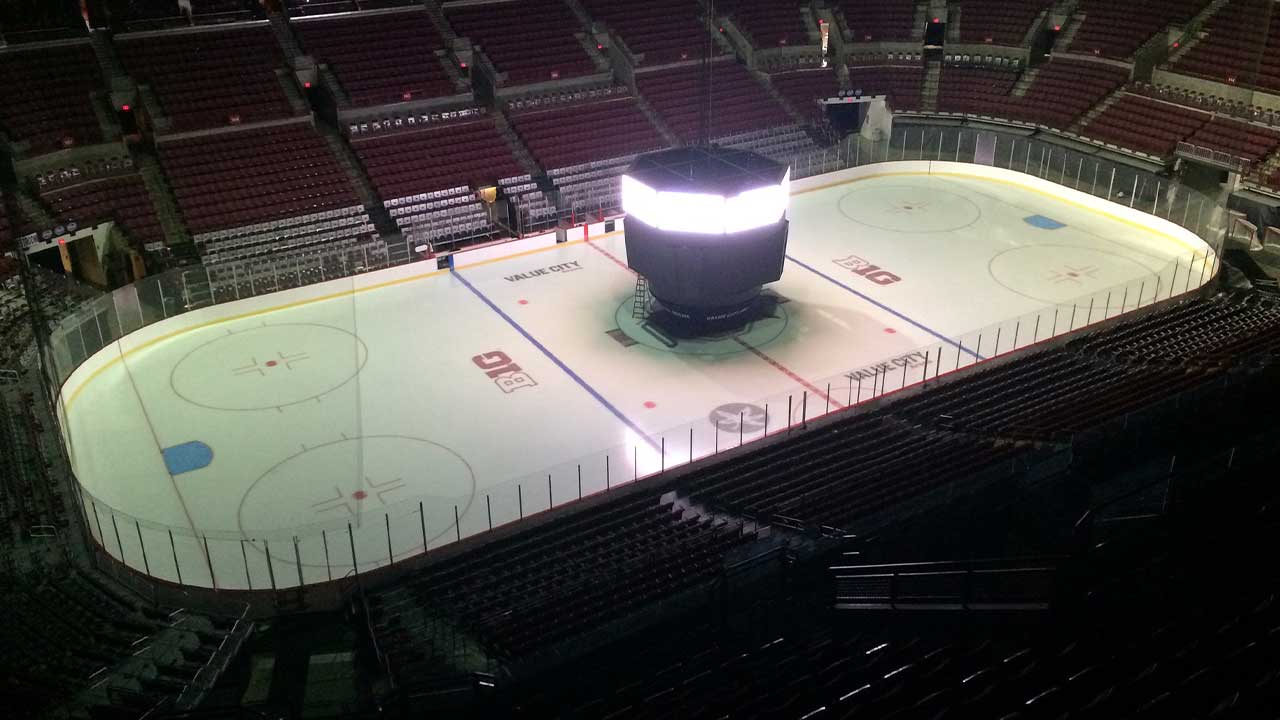
Ice hockey is a fast, thrilling sport played on a surface quite different from most others. But have you ever wondered about the size of an ice hockey rink? Whether you’re a new fan, a youth coach, or simply curious, understanding the measurements of the rink can give you a deeper appreciation for the game.
The size of the rink affects how the game flows, the strategies teams use, and even the skills players need. Let’s explore what makes up an ice hockey rink, how the sizes differ around the world, and why those differences matter.

Today's Exclusive Deals
Limited-time Exclusive Deals. Check current discount on Amazon.
Check Price on Amazon As an Amazon Associate I earn from qualifying purchases.Standard Ice Hockey Rink Size
The size of an ice hockey rink is not the same everywhere. The two main standards are NHL (North American) and International (Olympic/IIHF). Each has its own dimensions, and these differences impact the style of play.
Nhl Rink Dimensions
The National Hockey League (NHL) rink is the most recognized in North America. Its dimensions are:
- Length: 200 feet (61 meters)
- Width: 85 feet (26 meters)
- Corner Radius: 28 feet (8.5 meters)
These measurements are strict for all NHL arenas. The rink’s rectangular shape, with rounded corners, creates a playing area of 17,000 square feet (1,579 square meters).
Today's Exclusive Deals
Limited-time Exclusive Deals. Check current discount on Amazon.
Check Price on Amazon As an Amazon Associate I earn from qualifying purchases.International Rink Dimensions
International and Olympic tournaments use a larger rink, set by the International Ice Hockey Federation (IIHF). The size is:
- Length: 197 feet (60 meters)
- Width: 98.4 feet (30 meters)
- Corner Radius: 28 feet (8.5 meters)
This makes the international rink about 4,200 square feet (390 square meters) bigger than the NHL rink. The extra width is noticeable and changes the way the game is played.
Side-by-side Comparison
Here’s a quick visual comparison between the two standards:
| Feature | NHL (North America) | International (IIHF/Olympic) |
|---|---|---|
| Length | 200 ft (61 m) | 197 ft (60 m) |
| Width | 85 ft (26 m) | 98.4 ft (30 m) |
| Corner Radius | 28 ft (8.5 m) | 28 ft (8.5 m) |
| Total Area | 17,000 sq ft (1,579 sq m) | 21,000 sq ft (1,950 sq m) |
Why Rink Size Matters
You might think a few feet here and there don’t make a big difference. But in ice hockey, rink size changes everything.
Today's Exclusive Deals
Limited-time Exclusive Deals. Check current discount on Amazon.
Check Price on Amazon As an Amazon Associate I earn from qualifying purchases.- More Space means players have more time to make plays on international rinks. This creates a focus on skating and passing.
- Smaller Rinks like the NHL style force quicker decisions, tighter checking, and more physical play.
- Goalie Play shifts as well. More space can lead to more scoring opportunities from wider angles.
Teams must adjust their strategies depending on the rink size. NHL games are famous for their speed and intensity, while international games often look more open and tactical.

Markings And Zones On The Ice
No matter the size, every rink has the same basic features painted on the ice. These lines and circles define where players can go, how plays develop, and where penalties occur.
Key Ice Markings
- Center Line: Divides the rink in half (red line).
- Blue Lines: Two lines that create three zones—defensive, neutral, offensive.
- Goal Lines: Located near each end, where goals are scored.
- Faceoff Circles and Dots: Used for restarting play.
- Crease: The goalie’s area in front of each net.
Example Rink Layout
Here’s how the zones are divided on an NHL rink:
| Zone | Length (ft) | Description |
|---|---|---|
| Defensive Zone | 64 | From goal line to blue line (team’s half) |
| Neutral Zone | 50 | Between the two blue lines |
| Offensive Zone | 64 | From opponent’s blue line to goal line |
Other Rink Sizes: Youth And Recreational Hockey
Not all hockey is played on full-size rinks. Children and amateur leagues often use smaller surfaces.
- Mini rinks might be as small as 100 x 50 feet (30 x 15 meters).
- 3-on-3 rinks (used for practice) are often half the size of NHL rinks.
- Many community rinks are built to NHL or slightly smaller specifications due to cost and space.
Younger players benefit from smaller rinks because they allow more action, less skating distance, and more puck touches.

Common Misunderstandings
Many new fans think all rinks are the same. In reality, even small differences can change the whole game.
- Not all “Olympic” rinks are exactly 98.4 feet wide. Some European arenas are between NHL and full IIHF size.
- Outdoor rinks, like those used in special events, may not match standard dimensions due to weather or space.
Another detail beginners miss: the boards and glass around the rink add to the feeling of space or tightness. Boards on NHL rinks are sometimes taller and closer, making the game feel even faster.
Building And Maintaining An Ice Hockey Rink
Constructing a rink is a large project. The ice must be perfectly level, with piping under the surface to keep it frozen.
- Ice thickness: Usually 1 to 1.25 inches (2.5 to 3 cm).
- Dasher boards: 40 to 48 inches (1.02 to 1.22 meters) high.
- Glass: Adds another 5 to 8 feet (1.5 to 2.4 meters) for safety.
A full-size rink can use more than 10,000 gallons (38,000 liters) of water. Maintaining the ice requires special equipment like the Zamboni.
For more details on rink standards, the Wikipedia ice hockey rink page is a great resource.
Ice Hockey Rink Size Around The World
Rink size can depend on country, arena age, and local leagues.
- North America: Most pro and college rinks use NHL size.
- Europe and Asia: Most rinks use international size, but many older arenas are smaller.
- Olympic Games: Always use IIHF dimensions.
Some countries, like Russia, have arenas that mix both standards. This creates unique challenges for traveling teams.
Frequently Asked Questions
What Is The Official Size Of An Nhl Rink?
The official NHL rink is 200 feet long and 85 feet wide. This is the standard for all NHL games.
How Is An Olympic Ice Rink Different From An Nhl Rink?
An Olympic (IIHF) rink is wider, at 98.4 feet, and slightly shorter, at 197 feet. This extra space changes how teams play, often emphasizing skill and passing.
Why Are Some Ice Rinks Smaller Than Others?
Smaller rinks are common for youth hockey, practice, or older arenas with limited space. They help younger players develop skills and keep costs down.
Do All Countries Use The Same Rink Size?
No, North America mainly uses NHL size, while international tournaments and most of Europe use the IIHF standard. Some arenas are in between.
Does Rink Size Affect The Number Of Players On The Ice?
No, both NHL and international rinks use five skaters plus a goalie per team. The rink size only affects strategies and style of play, not the number of players.
Understanding the size of an ice hockey rink is more than just knowing the numbers. It’s about how those numbers shape the sport you see on the ice. Next time you watch a game or step onto the rink, you’ll have a new appreciation for how the surface itself influences every moment of play.