Ice hockey is a fast, physical, and exciting sport. Every player glides across the ice using a special piece of equipment: ice hockey skates. These skates are different from figure skates or recreational skates. They are designed for speed, protection, and sharp turns. Choosing the right pair can make a big difference in how you play or enjoy the game.
This guide explains everything about the types of skates used in ice hockey, their parts, what makes them unique, and how to choose the best pair for your needs. Whether you are a beginner or just curious, you’ll learn how hockey skates are built and why they matter.
Today's Exclusive Deals
Limited-time Exclusive Deals. Check current discount on Amazon.
Check Price on Amazon As an Amazon Associate I earn from qualifying purchases.What Makes Ice Hockey Skates Special?
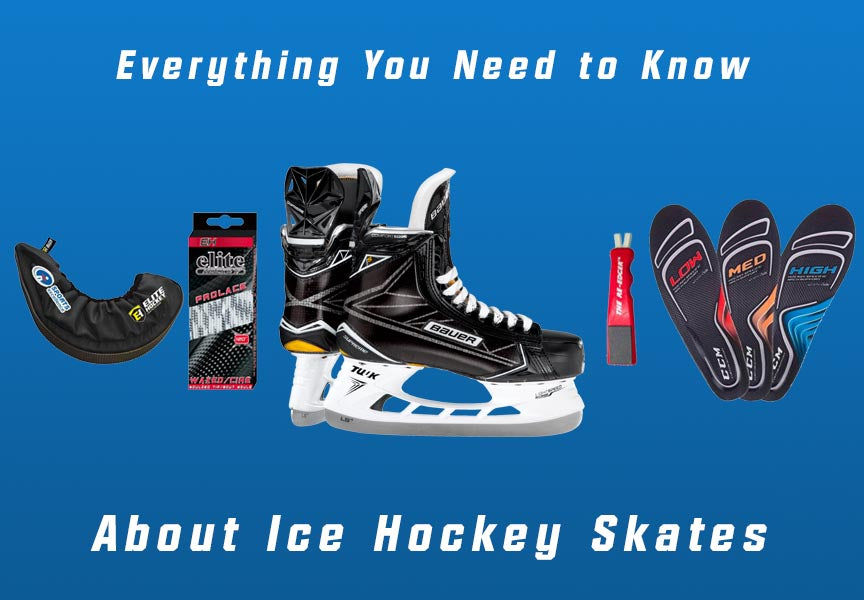
Ice hockey skates are not just shoes with blades. They are built for fast movement, sudden stops, and powerful shots. Here’s what sets them apart:
- Stiff boots: Protect your feet and ankles from pucks and sticks.
- Curved blades: Help with quick turns and stopping.
- Snug fit: Support your foot so you can move fast without slipping inside the boot.
Unlike figure skates, hockey skates have shorter, more curved blades and no toe pick. This helps players move quickly in all directions.
Main Types Of Ice Hockey Skates
There are different types of skates for various levels and positions in hockey. Choosing the right type depends on your skill, age, and where you play.
1. Player Skates
These are the most common skates. They are for forwards and defensemen. Player skates focus on speed, agility, and protection.
- Boot: Made from tough materials like composite or leather.
- Blade holder: Lightweight and strong.
- Blades: Slightly curved for turning.
Most brands like Bauer, CCM, and True make skates in this category.
2. Goalie Skates
Goalie skates are designed for the unique movements of the goalie. They are lower to the ice and have different blades.
- Boot: Sits lower for better movement side-to-side.
- Blade: Thicker and flatter for balance.
- Protection: Extra padding around the toes.
Goalie skates do not need as much forward speed but must allow quick lateral movement.
3. Youth Skates
For children and beginners, youth skates are lighter and more comfortable. They usually cost less and offer extra padding for learning.
- Soft padding: Helps prevent blisters.
- Easy laces: Some have Velcro straps.
- Lightweight: Easier for kids to move.
4. Recreational Skates
Not everyone plays competitive hockey. Recreational skates are for fun, casual skating, or learning the basics.
- Comfort-focused: More padding and softer boots.
- Affordable: Lower price than pro skates.
- Easy to wear: Simple design.
These are not recommended for serious play, but they work for beginners.

Key Parts Of Ice Hockey Skates
Understanding the main parts of a hockey skate can help you know what to look for. Each part has a special role.
| Part | Function |
|---|---|
| Boot | Supports and protects the foot and ankle |
| Blade Holder | Connects the blade to the boot |
| Blade (Runner) | Glides on the ice; allows turning and stopping |
| Tongue | Cushions the top of the foot from laces and pucks |
| Laces/Straps | Secures the skate on your foot |
Important Features To Consider
Not all skates are equal. Here are some key features to help you choose the right pair:
Boot Stiffness
A stiff boot gives more support and protection, but can be less comfortable for new players. Advanced players usually want a stiffer boot for better control.
Blade Material
Most blades are made of stainless steel. Higher-end skates may use carbon or titanium coatings for longer life and better glide.
Fit And Sizing
Getting the right size is critical. Skates should feel snug, almost like a second skin. Loose skates cause blisters and slow you down.
Weight
Lighter skates can help you move faster, but sometimes they offer less protection. Pick a skate that balances speed and safety.
Price Range
There is a wide range in price. Entry-level skates start around $50, while pro-level skates can cost $800 or more. For beginners, mid-range skates often give the best value.
Differences Between Hockey Skates And Other Skates
Ice hockey skates are not the same as figure skates or speed skates. Here is a quick comparison:
| Skate Type | Main Use | Blade Shape | Boot Design |
|---|---|---|---|
| Hockey Skate | Ice hockey | Curved, short | Stiff, protective |
| Figure Skate | Figure skating | Long, straight with toe pick | High, flexible |
| Speed Skate | Racing | Long, flat | Low, lightweight |
Many beginners do not realize how much the blade shape affects movement. Hockey skates are much easier for fast stops and sharp turns than figure skates.
How To Choose The Right Hockey Skates
Picking the right skates can seem confusing. Here are some simple steps:
- Decide your level: Are you a beginner, casual player, or on a team?
- Measure your foot: Try skates on with the same socks you will wear on the ice.
- Check the fit: Your toes should just touch the end, but not be cramped.
- Test the support: Make sure your ankle feels secure.
- Compare brands: Bauer, CCM, and True are top brands with different fits.
- Don’t focus on price alone: More expensive is not always better for your needs.
One non-obvious tip: Baking your skates (heating them in a special oven) helps mold them to your feet. This makes them more comfortable and supportive.

Common Mistakes When Buying Skates
Even experienced players sometimes make mistakes when buying skates:
- Choosing by shoe size: Skate sizes are usually 1–2 sizes smaller than your shoes.
- Ignoring width: Skates come in different widths (D, EE, etc.). Too narrow or too wide can cause pain.
- Not sharpening new blades: Most skates need sharpening before first use.
- Skipping a proper fitting: Always try on skates before buying, if possible.
Caring For Your Hockey Skates
Good care extends the life of your skates and keeps you safe on the ice.
- Dry them after each use: Remove the insoles and let them air dry.
- Wipe the blades: Use a soft cloth to prevent rust.
- Sharpen regularly: How often depends on how much you skate, but check the edges every few games.
- Check screws and rivets: Loose parts can cause injury.
A useful resource for skate maintenance is the Wikipedia Ice Hockey Equipment page.
Frequently Asked Questions
What Is The Difference Between Hockey Skates And Figure Skates?
Hockey skates have short, curved blades for speed and quick stops. Figure skates have longer blades with a toe pick for jumps and spins.
How Often Should I Sharpen My Hockey Skates?
It depends on how often you play. Many players sharpen their skates every 5–10 hours of ice time. Dull blades make skating harder and less safe.
Are Expensive Skates Always Better?
Not always. High-end skates offer more features and lighter weight, but comfort and fit are more important, especially for beginners.
Can I Use Hockey Skates For Recreational Ice Skating?
Yes, you can. Hockey skates work well for general skating, but they are best for fast turns and stops, not for figure skating.
How Do I Know If My Skates Fit Properly?
Your toes should just touch the end of the boot. The skate should feel snug all around your foot, with no major pressure points or loose areas.
Ice hockey skates are an important part of the game. The right pair helps you move better, stay safe, and enjoy your time on the ice. With the right knowledge, you can pick skates that fit your needs, budget, and playing style.
Whether you are playing in a league or just skating for fun, understanding your options will help you make the best choice.