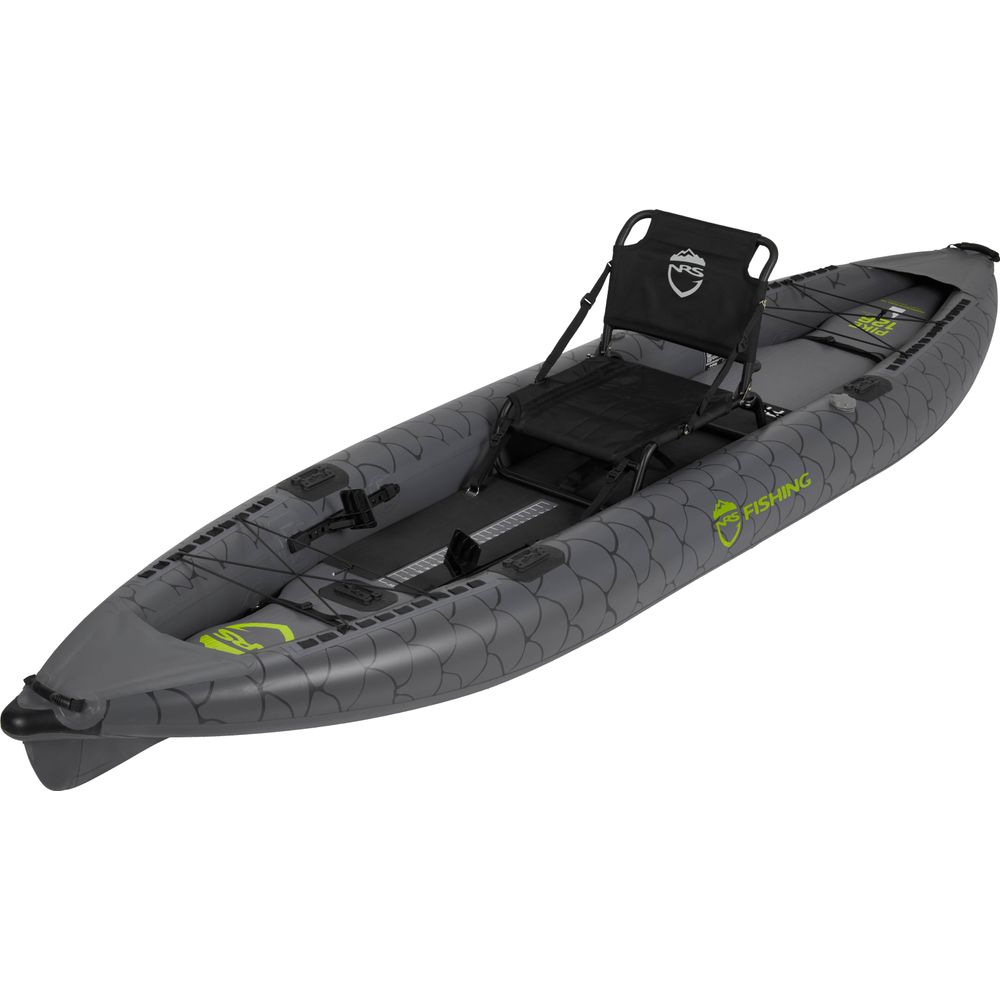
What Is Inflatable Kayak?
Looking for a way to get out on the water without buying a huge, heavy boat? Inflatable kayaks might be the solution you need. These modern watercraft are not just toys; they are serious equipment used by beginners and experts alike.
Many people are surprised at how advanced inflatable kayaks have become, combining portability with real performance.
Today's Exclusive Deals
Limited-time Exclusive Deals. Check current discount on Amazon.
Check Price on Amazon As an Amazon Associate I earn from qualifying purchases.If you are curious about what an inflatable kayak really is, how it works, and whether it suits your needs, this article will give you a complete understanding. You will learn about their design, uses, advantages, and what to watch out for before buying or renting one.
Even if you are new to kayaking, you’ll discover practical advice and insights that most beginners miss.
What Is An Inflatable Kayak?
An inflatable kayak is a small, lightweight boat designed to be filled with air for use and deflated for storage or transport. Unlike traditional hard-shell kayaks made of plastic or fiberglass, inflatable kayaks are made from tough, flexible materials like PVC, nitrylon, or Hypalon. When deflated, they can fit in a bag small enough to carry by hand or in a car trunk.
These kayaks use multiple air chambers to maintain shape and safety. Most models have three main parts: the floor, side tubes, and sometimes an inflatable seat. A pump (manual or electric) is used to fill the chambers with air, making the kayak rigid enough to float and move easily across the water.
What surprises many people is how strong and stable inflatable kayaks can be. With the right design and material, they can handle everything from calm lakes to fast-moving rivers. Some are even made for ocean use and fishing.
Main Features Of Inflatable Kayaks
Inflatable kayaks come with a range of features that set them apart from other boats. Understanding these features helps you see why they have become so popular.
Lightweight And Portable
One of the biggest advantages is portability. Most inflatable kayaks weigh between 20 to 40 pounds (9 to 18 kg). When deflated, they fit into a backpack or duffel bag. This makes them easy to carry, store, and transport, even if you live in a small apartment or travel by public transport.
Durable Materials
Modern inflatable kayaks are made with multi-layer PVC, drop-stitch technology, or rubber-based fabrics. These materials resist punctures and UV damage. Some high-end models use drop-stitch floors, which allow for higher air pressure and a very firm, almost hard-shell feel.
Easy Setup And Storage
Inflating a kayak usually takes 5 to 15 minutes with a hand or foot pump. Deflating is just as simple, and the kayak can be rolled or folded into a compact size. This is very different from hard-shell kayaks, which need roof racks or special storage space.
Multiple Air Chambers
Most inflatable kayaks have at least three separate air chambers. This means if one chamber is damaged, the kayak will still float, adding an extra layer of safety compared to some solid kayaks.
Removable Fins And Seats
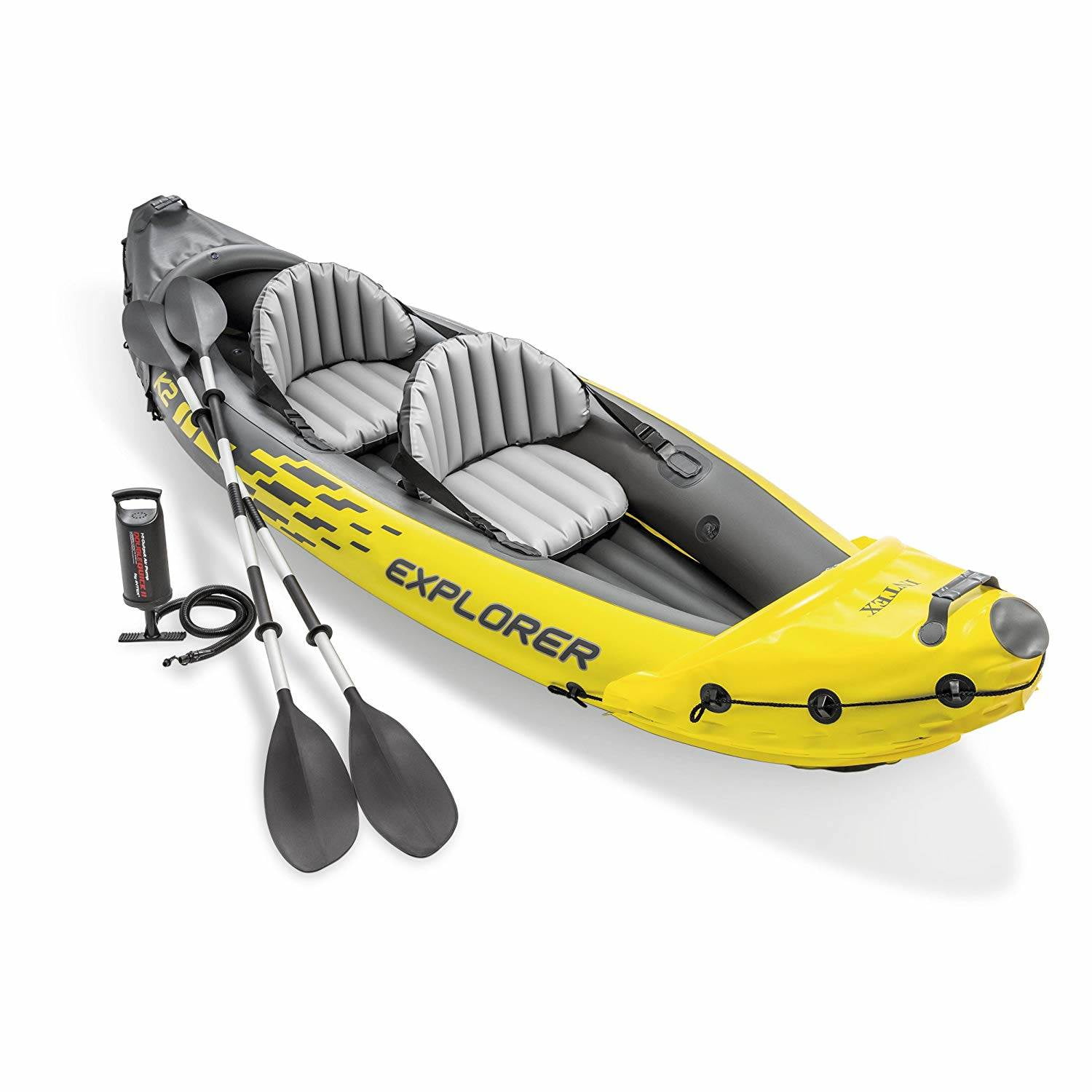
Many models feature removable tracking fins for better steering and adjustable seats for comfort. Some even come with fishing rod holders or mounts for action cameras.
Types Of Inflatable Kayaks
Inflatable kayaks are not all the same. There are several main types designed for different activities and water conditions.
| Type | Main Use | Example Features |
|---|---|---|
| Recreational | Calm lakes, slow rivers | Wide, stable, easy to use |
| Touring | Longer trips, open water | Longer length, better tracking, more storage |
| Whitewater | Fast rivers, rapids | Short, maneuverable, reinforced bottom |
| Fishing | Lakes, rivers, coastal | Extra stability, rod holders, gear mounts |
| Solo/Duo | One or two paddlers | Different seating, weight limits |
Recreational Inflatable Kayaks
These are best for beginners and casual paddlers. They are wide for extra balance, have simple designs, and are easy to control. Great for families, kids, and relaxed days on calm water.
Touring Inflatable Kayaks
Touring models are longer and narrower, designed for speed and straight tracking over longer distances. They often have more storage and stronger material for use in open water or multi-day trips.
Whitewater Inflatable Kayaks
Built to handle fast-moving rivers and rapids, these kayaks are shorter and wider, with reinforced bottoms and sides. They can bounce off rocks and handle rough water better than most hard-shell recreational kayaks.
Fishing Inflatable Kayaks
These are designed with stability and gear storage in mind. Features like rod holders, extra-wide floors, and sometimes even mount points for small motors make them ideal for anglers.
Solo Vs. Tandem
Solo kayaks are smaller and lighter, perfect for one person. Tandem models fit two people or more gear, but they are heavier and a bit less maneuverable.
How To Choose An Inflatable Kayak
Choosing the right inflatable kayak depends on your needs, experience, and where you plan to paddle.
- Water Type: Calm lakes, rivers, or ocean? Whitewater needs a strong, short kayak. Touring or fishing on lakes needs stability and storage.
- Capacity: Solo or tandem? Check the weight limit, especially if you carry camping gear or fish.
- Material: Higher quality materials like Hypalon or drop-stitch floors last longer but cost more.
- Setup Time: Some models inflate in 5 minutes, others take longer. Consider the included pump.
- Storage: Make sure your car or home has space for the packed size.
- Budget: Prices range from around $100 for basic models to over $1000 for professional-grade boats.
Many beginners overlook the importance of weight capacity and tracking performance. If the kayak is too small, it may ride low and be hard to paddle. Cheap models sometimes drift sideways or catch the wind, making paddling tiring.
Inflatable Vs. Hard-shell Kayaks
You might wonder how inflatable kayaks compare to traditional hard-shell models. Here is a simple comparison:
| Feature | Inflatable Kayak | Hard-Shell Kayak |
|---|---|---|
| Portability | Very high (fits in bag) | Low (needs rack/large space) |
| Weight | Light (20-40 lbs) | Heavy (40-70 lbs or more) |
| Durability | High (with good material) | Very high (hard plastic/fiberglass) |
| Performance | Good (recreational/touring) | Excellent (especially for speed) |
| Setup | Needs inflation | Ready to use instantly |
| Storage | Small space needed | Large space needed |
| Price | Low to high | Usually higher |
The main advantage of inflatables is their convenience. Hard-shells offer better speed and handling, especially in competitive or rough conditions.
Common Uses For Inflatable Kayaks
Inflatable kayaks are versatile and can be used for many activities:
- Recreational paddling: Great for family fun or relaxing afternoons on a lake.
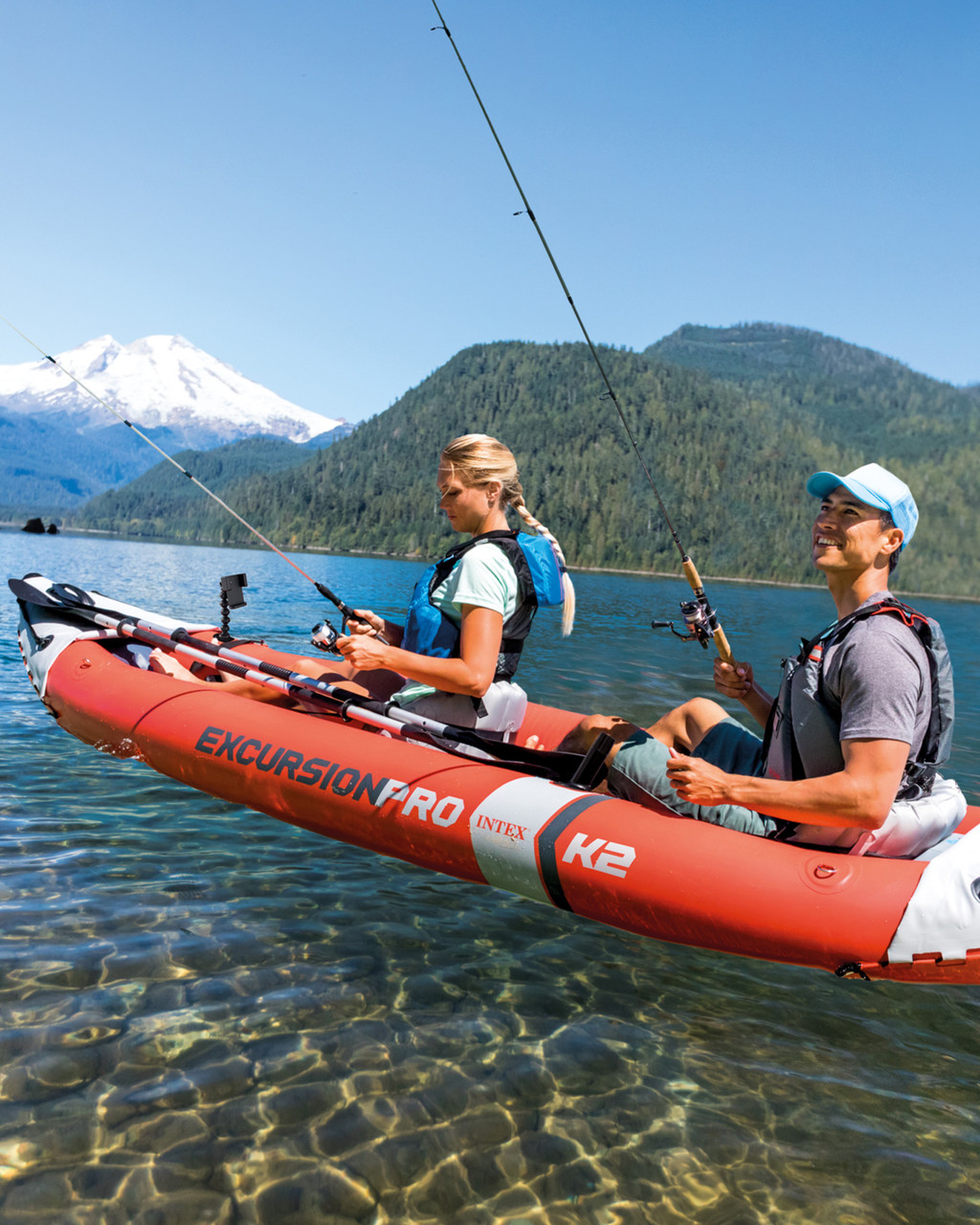
- Fishing: Many models are stable enough to stand or move around.
- Camping trips: Easy to pack with your gear for multi-day adventures.
- Whitewater: Special whitewater inflatables handle rivers up to Class IV rapids.
- Travel: You can check them as luggage on planes or pack in a car for road trips.
Some people even use inflatable kayaks for ocean paddling, though it’s important to choose a model rated for open water and always check the weather.
Advantages Of Inflatable Kayaks
There are many reasons why inflatable kayaks are popular:
- Portability: Take them anywhere—no roof rack or trailer needed.
- Easy storage: Fits in a closet, under a bed, or in a car trunk.
- Lightweight: Easy to carry to the water, even alone.
- Quick setup: Most can be ready in under 10 minutes.
- Affordable: Entry-level models are cheaper than hard-shells.
- Family-friendly: Soft sides are safer for kids.
- Stable: Wide designs mean less chance of tipping over.
- Versatile: Suitable for many types of water and uses.
Disadvantages And Limitations
Of course, inflatable kayaks are not perfect for everyone.
- Wind sensitivity: Lightweight models can be pushed by wind more easily.
- Performance: Not as fast or responsive as high-end hard-shell kayaks.
- Punctures: While rare with good material, sharp objects can still cause leaks.
- Setup time: You must inflate and dry them before storing.
- Weight limits: Overloading can affect performance or safety.
Many new users forget to fully dry their kayak before packing it away. Storing a damp kayak can lead to mold or unpleasant smells.
Safety Tips For Inflatable Kayaks
Staying safe on the water is essential, especially with inflatable kayaks.
- Always wear a life jacket.
- Check for leaks before launching.
- Follow weight limits and don’t overload.
- Avoid sharp rocks or debris when possible.
- Use the right pump to avoid over- or under-inflation.
- Know your water: Don’t take a recreational kayak into rapids or open ocean.
- Tell someone your plan if paddling in remote areas.
A non-obvious tip: Keep a small repair kit in your kayak. Most inflatables come with patches and glue. Quick fixes can save your trip if you get a puncture.
Maintenance And Care
Proper care will help your inflatable kayak last many years.
- Rinse with fresh water after use, especially in saltwater.
- Dry completely before storing to prevent mold.
- Store in a cool, dry place away from sunlight.
- Check valves and seams for leaks or wear regularly.
- Avoid dragging the kayak over rocks or sand.
If you plan to store your kayak for the winter, make sure it is totally dry and loosely folded to avoid creases.
Real-world Examples And Brands
Some well-known brands making quality inflatable kayaks include Sea Eagle, Intex, Advanced Elements, and AIRE. For example, the Sea Eagle 370 is a popular tandem kayak that weighs only 32 pounds but can hold up to 650 pounds. Advanced Elements’ models feature aluminum ribs for better tracking, making them suitable for longer trips.
Professional guides often use inflatable kayaks for remote rivers where carrying a hard-shell would be impossible. Rescue teams sometimes use them because they can be dropped by helicopter and quickly inflated on site.
For more details on kayak types and usage, you can check Wikipedia’s article on kayaks.
Frequently Asked Questions
What Is The Main Difference Between Inflatable And Hard-shell Kayaks?
The biggest difference is in portability and storage. Inflatable kayaks can be deflated and packed into a small bag, while hard-shell kayaks need more space and special equipment to transport.
Are Inflatable Kayaks Safe?
Yes, when used correctly and made from quality materials, inflatable kayaks are very safe. Most have multiple air chambers, so if one is punctured, the kayak will still float.
How Long Does It Take To Inflate An Inflatable Kayak?
On average, it takes about 5–10 minutes with a hand or foot pump. Some electric pumps can do it even faster. Deflation and packing are also quick.
Can Inflatable Kayaks Be Used For Fishing?
Absolutely. Many fishing inflatable kayaks are designed for stability and include features like rod holders and gear storage. Just make sure the model supports your weight and equipment.
How Durable Are Inflatable Kayaks?
With modern materials like PVC and drop-stitch construction, inflatable kayaks are very durable and can last for years if cared for properly. Avoid sharp objects, rinse after use, and store dry.
Inflatable kayaks have opened up water adventures to many more people. Whether you want to paddle for fun, fish, or travel, there is likely a model that fits your needs. With the right knowledge, you can enjoy all the benefits of kayaking without the hassle of a heavy boat.