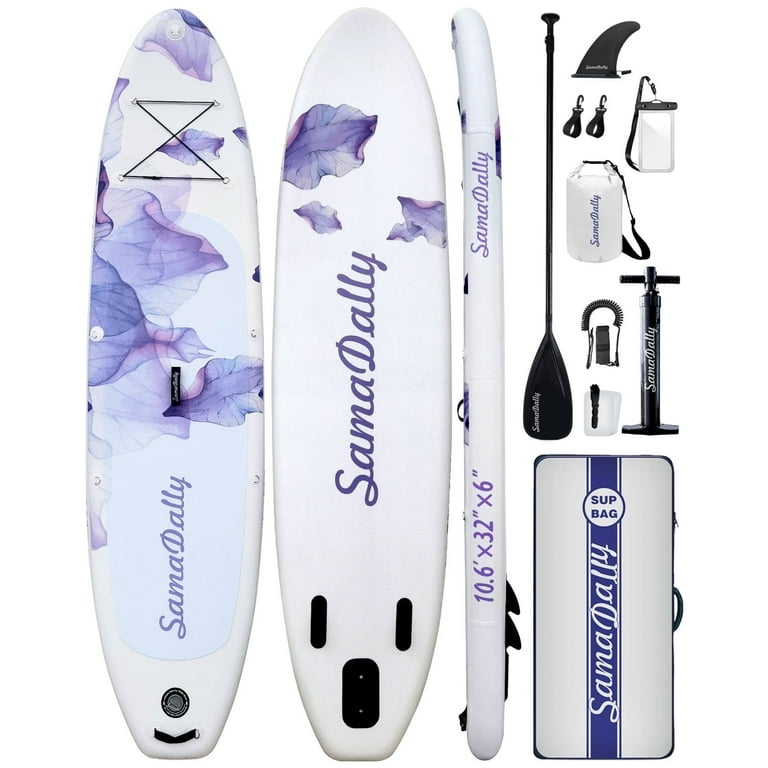
Pumping up your paddle board can feel intimidating if you’re new to the sport or don’t have much experience with inflatables. The image of someone wrestling with a bulky board and manual pump in the early morning hours is a common one. But is it really so hard to do this task on your own? The truth is, inflating a paddle board alone is absolutely possible—and for most people, it’s part of the fun and independence of paddle boarding. With the right techniques, tools, and a bit of knowledge, you can get your board ready for the water without needing anyone else’s help.
Let’s dive into everything you need to know: which pumps work best, how long it takes, what mistakes to avoid, and practical tips from real-world paddlers. By the end, you’ll feel confident that you can pump up your paddle board solo and enjoy the water without stress.

Today's Exclusive Deals
Limited-time Exclusive Deals. Check current discount on Amazon.
Check Price on Amazon As an Amazon Associate I earn from qualifying purchases.Why Inflatable Paddle Boards Are Popular
Inflatable paddle boards, or iSUPs, have changed the way many people enjoy water sports. Unlike rigid boards, they’re much easier to carry and store. When deflated, they fit in a backpack or small car trunk. This makes them ideal for travelers, city dwellers, or anyone with limited space.
You might be surprised to learn that inflatable boards are now strong enough to handle rough waters and support adult paddlers. High-quality iSUPs can carry weights over 300 pounds, and many are made with military-grade PVC. This durability, combined with their lightweight nature, has made inflatables the go-to choice for beginners and experts alike.
But before you enjoy those benefits, there’s one task you must do: inflating your board.
Can You Really Pump Up A Paddle Board Alone?
The short answer is yes, most people can inflate a paddle board by themselves. Companies design their boards and pumps for single-person use. It doesn’t matter if you’re tall or short, strong or average—technique matters more than pure strength.
Here’s why solo inflation is possible:
- Manual pumps are built with ergonomic handles.
- Electric pumps do almost all the work.
- Inflation valves are simple to use.
- Most boards inflate within 5–10 minutes.
Still, a few factors can make the task easier or harder. Let’s look at what you need and what to watch out for.
Types Of Paddle Board Pumps
Choosing the right pump can make inflating your board much simpler. Here’s a breakdown of the three main types:
| Pump Type | Manual Effort | Inflation Time | Best For |
|---|---|---|---|
| Single-Action Hand Pump | High | 10–15 min | Budget users |
| Double-Action Hand Pump | Medium | 7–10 min | Most paddlers |
| Electric Pump | Low | 6–10 min | Convenience seekers |
Single-action pumps push air only on the downstroke. They’re slow and require more effort, but they’re cheap and don’t break easily.
Double-action pumps push air on both up and down strokes. This inflates the board faster and with less effort. Most boards come with a double-action pump.
Electric pumps connect to a car or portable battery. They do all the work for you. You just set the pressure and wait. These are perfect if you want a break or have joint pain.
Step-by-step: How To Pump Up Your Paddle Board Alone
Inflating your board solo is easy if you follow these steps:
- Unroll your board on a clean, flat surface. Check for sharp objects.
- Attach the pump hose to the board’s inflation valve. Twist or push until it locks in place.
- Set the pump to double-action (if available) for maximum airflow.
- Start pumping with steady, full strokes. Use your body weight, not just your arms.
- Check the pressure gauge frequently. Most boards need 12–15 PSI.
- Switch to single-action mode as pumping gets harder (if your pump allows).
- Stop when you reach the target PSI. Too much air can damage your board.
- Quickly detach the hose and close the valve cap.
If using an electric pump, simply connect it, set your desired PSI, and let it run. Most will turn off automatically when finished.
How Long Does It Take To Inflate A Paddle Board Alone?
The time depends on your pump type, board size, and your own pace. Most people spend between 6 and 15 minutes inflating their board. Here’s a comparison:
| Board Size | Manual Pump Time | Electric Pump Time |
|---|---|---|
| 9’6″ – 10’6″ | 7–10 min | 6–8 min |
| 10’6″ – 11’6″ | 8–13 min | 7–10 min |
| 12’+ | 10–15 min | 8–12 min |
A fit adult with a double-action pump can inflate a standard 10’6” board in about 8 minutes. Electric pumps are a bit slower at the start but save your energy.
Common Mistakes And How To Avoid Them
Even though inflating your board is simple, beginners often make a few errors that can waste time or damage the equipment.
- Forgetting to check the valve position. Paddle board valves have “inflate” and “deflate” settings. Make sure the valve pin is up before you start, or air will escape as soon as you remove the hose.
- Over-inflating the board. Too much air can damage the seams. Always watch the pressure gauge.
- Using the wrong pump attachment. Not all hoses fit every board. Check the connection before you pump.
- Pumping on rough surfaces. Small rocks or sticks can puncture your board. Always use a mat or towel if the ground isn’t smooth.
- Ignoring the gauge. Don’t guess—under-inflated boards feel sluggish, and over-inflated boards are at risk.
A less obvious mistake is failing to let your pump cool down if you’re using an electric model. Most electric pumps recommend a cool-down period after one or two boards to avoid overheating.

Tips For Making Solo Inflation Easier
There are a few tricks experienced paddlers use to make inflating their boards alone much simpler:
- Use your body weight. Rather than just your arms, let your whole upper body push down on the pump. This reduces fatigue.
- Pump in short bursts. Take a 10-second break every few minutes. This keeps your energy up for paddling.
- Inflate near your car. If using an electric pump, your car’s 12V port is handy. This saves walking with a heavy, inflated board.
- Check for leaks regularly. Listen for hissing or feel for air escaping before you finish pumping.
- Keep your pump clean. Dirt in the pump can wear out seals and make pumping harder over time.
One tip many beginners miss: if you paddle often, consider upgrading to a high-quality electric pump. This investment saves your energy for the water, not the shore.
Is Inflating A Paddle Board Alone Hard?
The task is more about technique than strength. Most adults and teens can do it with a double-action pump. Children may need help, especially with larger boards. If you have shoulder or joint issues, an electric pump is a smart choice.
The key is to break the job into small steps and not rush. If you find yourself getting frustrated, take a short rest. Remember, the goal is to enjoy your time on the water, not get exhausted before you even start.
Electric Pumps Vs. Manual Pumps: Which Is Better For Solo Use?
Both pump types have their pros and cons. Here’s a quick side-by-side look:
| Feature | Manual Pump | Electric Pump |
|---|---|---|
| Portability | Lightweight, no power needed | Heavier, needs battery/car |
| Effort | Physical work required | Automatic, minimal effort |
| Speed | Faster at first, slows near max PSI | Consistent, but a bit slower overall |
| Cost | Usually included with board | Extra cost ($50–$150+) |
If you paddle often or have physical limitations, an electric pump is worth the investment. For occasional use or travel, a manual pump is simpler and lighter.
Safety And Maintenance Tips
Caring for your pump and board helps them last longer and perform better:
- Store your pump dry. Water inside the pump can cause rust.
- Avoid dropping the pump. Broken gauges or valves can make inflation tricky.
- Check your pump hose for cracks. Air leaks make inflation much harder.
- Keep your valve clean. Sand or dirt in the valve can prevent a tight seal.
- Don’t leave your board in direct sun after inflation. Air expands with heat and could damage the seams.
A good maintenance habit is to rinse your pump and board with fresh water after use, especially if you paddle in saltwater areas.
Real-world Example: Inflating A Board Alone
Let’s say you have a 10’6” inflatable board and a double-action hand pump. You lay your board out on the grass, attach the hose, and start pumping. For the first few minutes, the pump works quickly and you see the board take shape.
At around 6 PSI, the board feels firm but not quite ready.
Now, pumping gets harder. You switch to single-action and use your body weight. After another 3–4 minutes, you reach 15 PSI. You disconnect the hose, screw on the valve cap, and you’re done—in under 10 minutes.
If you had used an electric pump, you would have set it up, pressed a button, and waited about 8 minutes while you got your gear ready. Both ways, you can do it completely alone.
When You Might Need Help
There are some cases when solo inflation is not ideal:
- Very large boards (multi-person or race boards) require more effort.
- Kids or smaller adults may struggle to reach high PSI.
- Physical limitations (injuries, arthritis) can make manual pumping tough.
In these cases, an electric pump or a helping hand is wise. But for most standard boards and healthy adults, solo pumping is very achievable.

Where To Find More Help
Many paddle board brands have video guides and user manuals. These can help if you’re unsure about your pump or valve. You can also check forums or trusted sources like the American Whitewater site for detailed tips.
Frequently Asked Questions
Can I Use A Bike Pump To Inflate My Paddle Board?
No, most bike pumps do not generate enough pressure and may not fit the valve. Paddle boards require a high-pressure, high-volume pump made for iSUP valves.
How Do I Know When My Paddle Board Is Fully Inflated?
Check the pressure gauge on your pump. Most boards need between 12–15 PSI. The board should feel very firm but not rock-hard. Never guess—always use the gauge.
Is It Safe To Leave My Paddle Board Inflated?
Yes, for a few days. But if you store it inflated, avoid direct sunlight and extreme heat, as air expands and can damage the board. For long-term storage, deflate to about 50%.
Does Pumping Up A Paddle Board Get Easier With Practice?
Absolutely. As you learn proper technique and get used to your pump, the process becomes faster and less tiring. Many paddlers can inflate their boards in under 10 minutes after a few tries.
What Should I Do If My Pump Or Valve Leaks?
Check for sand or dirt in the valve, and inspect the pump hose for cracks. Clean the area and try again. If leaks continue, contact the board manufacturer for spare parts or repair advice.
Pumping up your paddle board alone is not just possible—it’s a simple, empowering part of the paddle experience. With the right pump, a little practice, and smart habits, you’ll be ready for the water in no time.