Inflatable paddle boards have changed how people enjoy water sports. They are popular for being easy to carry, simple to store, and fun for all skill levels. But if you’re new to paddle boarding, one question comes up often: Do inflatable paddle boards come with a pump? The answer might seem simple, but the details matter for both beginners and experienced paddlers. Knowing what to expect can save you time, money, and frustration before you even hit the water.
What’s In A Typical Inflatable Paddle Board Package?
When you buy an inflatable stand-up paddle board (iSUP), you’re not just getting the board. Most brands sell these boards as part of a complete package. Here’s what you’ll usually find:
Today's Exclusive Deals
Limited-time Exclusive Deals. Check current discount on Amazon.
Check Price on Amazon As an Amazon Associate I earn from qualifying purchases.- Inflatable paddle board
- Manual pump
- Paddle (sometimes adjustable)
- Leash (for safety)
- Fin(s)
- Backpack or carry bag
- Repair kit
The key part to focus on is the manual pump. In almost all cases, a pump is included because it’s essential for inflating your board. But, not all pumps are the same, and the quality can vary a lot between brands and price ranges.
Do All Inflatable Paddle Boards Include A Pump?
Most reputable brands include a pump. It’s rare to find an iSUP sold without one, especially if you’re buying a new board. However, there are exceptions, and being aware of them can help you avoid surprises.
When Is A Pump Not Included?
- Board Only: Some advanced paddlers buy only the board as a replacement or upgrade. These “board only” options usually do not include a pump.
- Custom Packages: Certain sellers let you build your own package. If you already own a pump, you might choose to skip it.
- Used Boards: If buying second-hand, the pump may be missing, broken, or low quality.
- Cheap Online Deals: Some discount or non-branded boards sold online might skip the pump to lower costs.
- High-End Boards: A few premium brands assume users will prefer an electric pump and sell it separately.
So, always check the product description or ask the seller. Never assume a pump is included unless it’s clearly stated.
What Types Of Pumps Come With Inflatable Paddle Boards?
Pumps are not all the same. The kind of pump included can make a big difference in how easy or hard it is to get your board ready.
Manual Pumps
Most kits include a manual hand pump. These usually fall into two types:
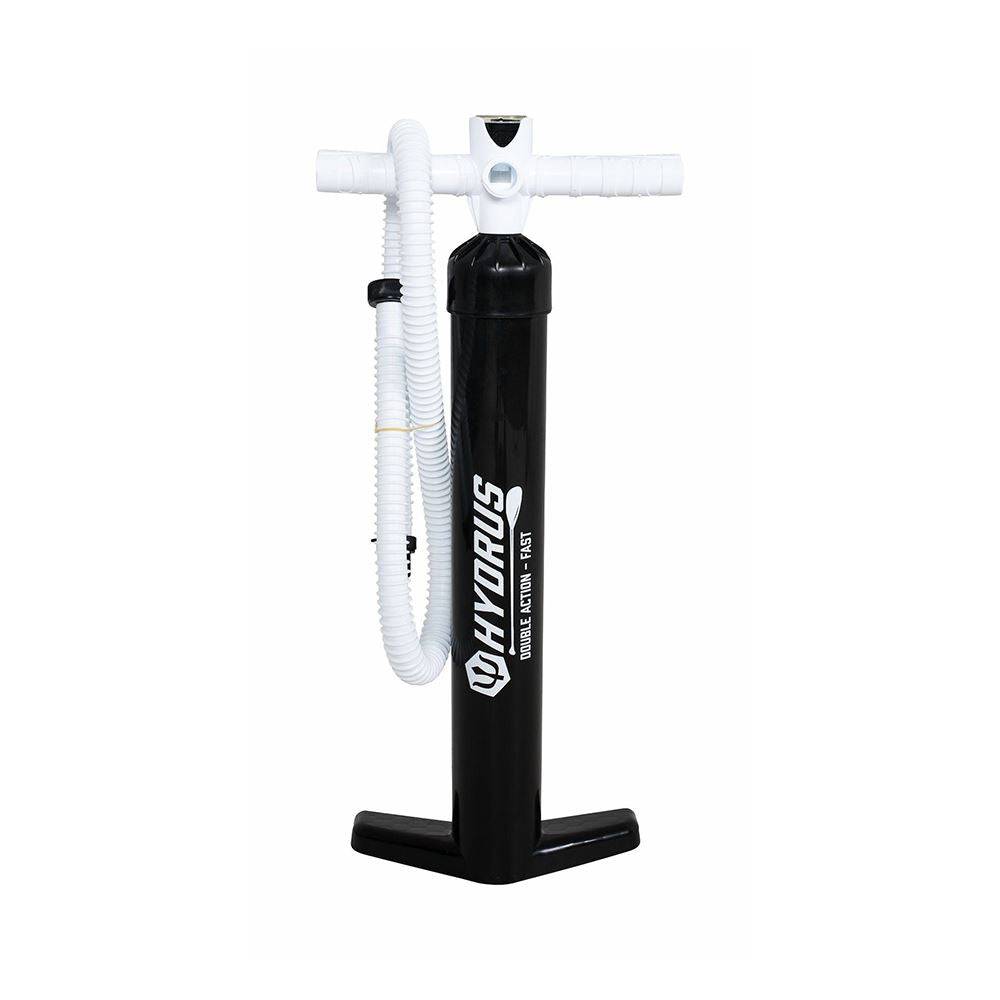
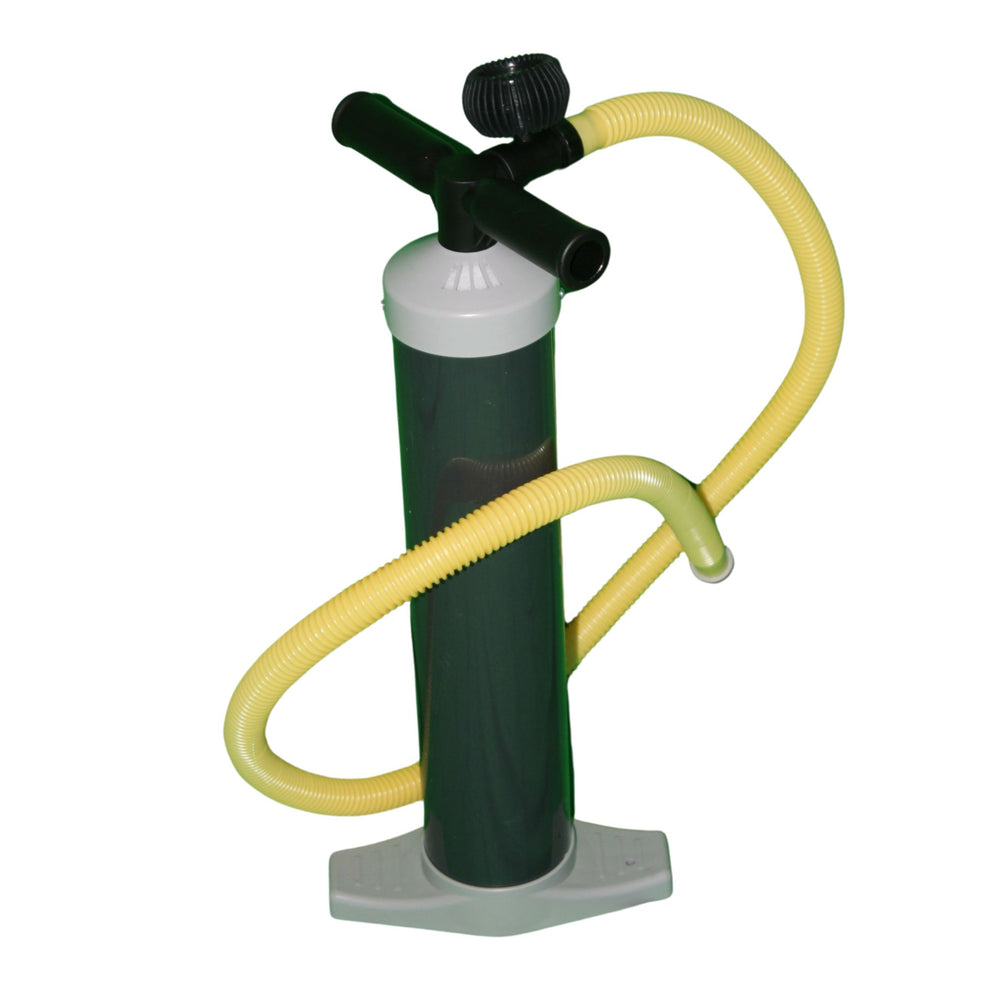
- Single-action pump: Pushes air into the board only when you push down.
- Double-action pump: Pushes air both when pulling up and pushing down, making inflation faster and easier.
A double-action pump is better for most people, especially for larger boards or if you want to save energy.
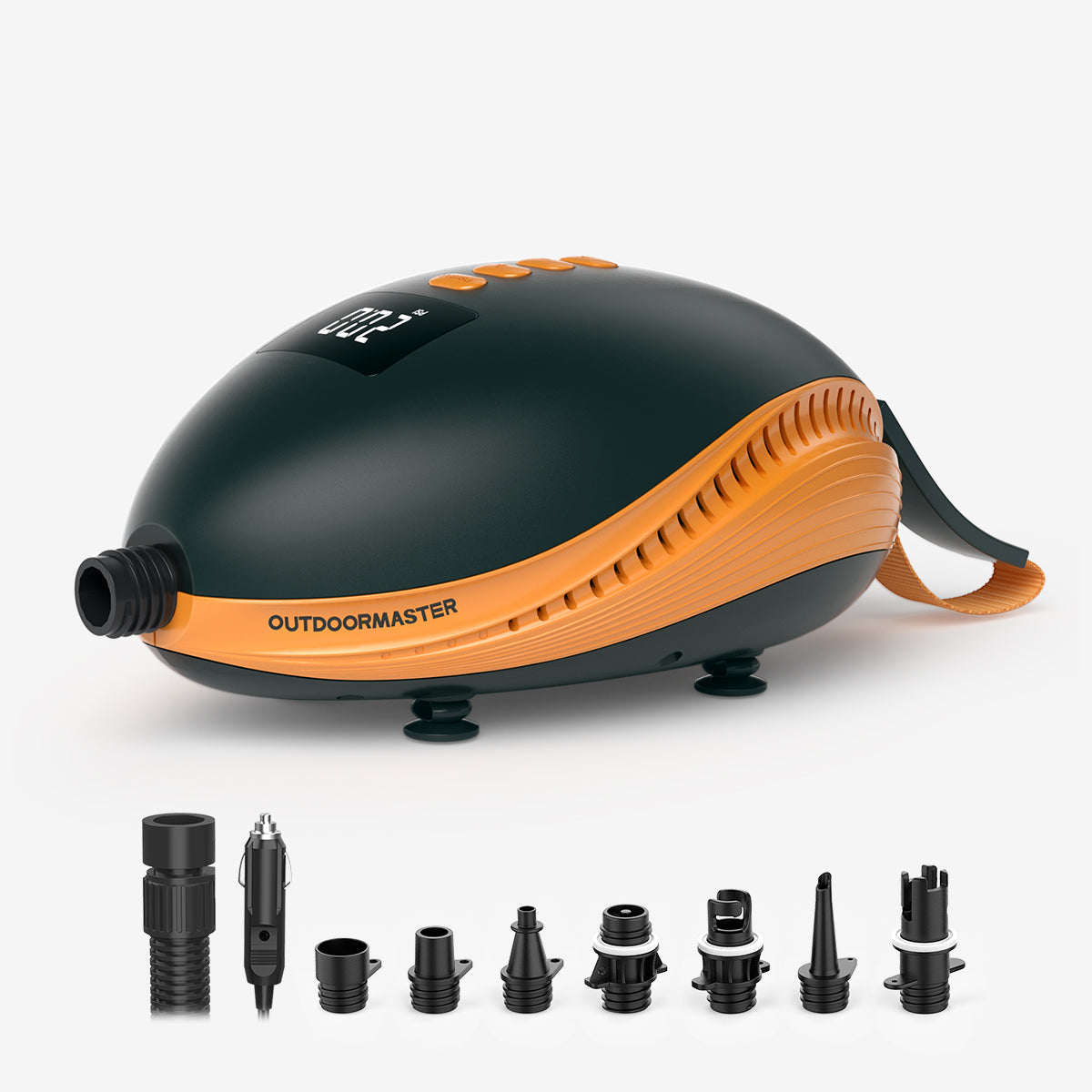
Electric Pumps
A few higher-end packages include an electric pump. But usually, you have to buy these separately. Electric pumps connect to your car’s 12V socket and can inflate your board without effort. For people who paddle often, or those who have trouble with manual pumps, this can be a smart upgrade.
Quality Differences
Not all included pumps are made equal. Some brands include sturdy, high-pressure pumps that last for years. Others may include small, basic pumps that take longer and are harder to use. Reading reviews or checking the specifications helps you know what to expect.
Comparing Pump Types
To make it easy to see the main differences, here’s a comparison of manual vs. electric pumps for inflatable paddle boards:
| Feature | Manual Pump | Electric Pump |
|---|---|---|
| Included in package | Usually | Rarely |
| Effort required | High | Low |
| Inflation speed | Moderate | Fast |
| Portability | Very portable | Less portable |
| Power source needed | No | Yes (car or battery) |
| Price | Included/Low | Extra/High |
Why Having A Good Pump Matters
You might think a pump is just a simple tool. But the quality of your pump can affect your entire experience. Here’s why:
- Time and energy: Cheap pumps can take 10–15 minutes and a lot of effort to inflate a board. Good pumps can do the job in under 7 minutes.
- Correct pressure: Boards need to be inflated to a specific PSI (usually 12–15 PSI). Low-quality pumps might not reach this, making the board soft and hard to paddle.
- Durability: Stronger pumps last longer and are less likely to break.
Many beginners don’t realize: the last few PSI are the hardest to pump. A weak pump might leave your board under-inflated, making it unstable on the water.
What Should You Look For In A Paddle Board Pump?
If you want a pump that works well and lasts, consider these factors:
- Pump type: Double-action is better than single-action for most users.
- Maximum PSI: Make sure the pump can reach at least 15 PSI.
- Sturdy build: Check reviews for complaints about handles or hoses breaking.
- Pressure gauge: This helps you know when your board is fully inflated.
- Compatibility: The pump hose should fit your board’s valve.
- Size and weight: If you plan to travel, a compact pump is helpful.
- Ease of use: Look for pumps with comfortable handles and stable bases.
Some advanced pumps have “switch modes” that let you choose single or double action as the pressure rises.
How To Inflate Your Paddle Board Properly
Using your pump right is as important as the pump itself. Here’s a step-by-step guide for beginners:
- Unpack your board: Lay it flat on a clean surface.
- Attach the pump hose: Make sure it’s snug and the valve is closed.
- Start pumping: Use the double-action mode if available.
- Watch the pressure gauge: The needle might not move until 5–7 PSI.
- Switch to single-action: When it gets hard, some pumps can switch to single-action for easier finishing.
- Stop at the right PSI: Most boards need 12–15 PSI. Check your board’s manual for the exact number.
- Detach the hose quickly: Air can escape fast if you’re slow.
- Replace the valve cap: This keeps the board airtight.
Many beginners stop inflating too soon because the board “feels firm. ” But only the right PSI gives true stability on the water.
Electric Pumps: Are They Worth It?
Manual pumps work fine for most people, but electric pumps are becoming more popular. They can cost $50–$150 extra, but for frequent paddlers, they save a lot of energy and time.
Advantages of electric pumps:
- Inflate multiple boards easily
- Set the PSI and walk away
- Great for families or groups
Disadvantages:
- Need a car or portable battery
- Make noise
- Can overheat if used too long
If you paddle often or hate manual pumping, an electric pump is a smart investment.
Common Mistakes When Using Paddle Board Pumps
Many beginners make errors that can damage their board or pump. Here are the main ones to avoid:
- Not checking the valve position: If the valve is open, air will escape when you remove the hose.
- Under-inflating: The board feels hard but is actually soft. Always check the pressure gauge.
- Over-inflating: Going over the maximum PSI can damage the seams.
- Forcing the hose: Forcing a wrong hose can break the valve.
- Using the wrong pump type: Not all pumps fit all boards. Double-check compatibility.
What To Do If Your Board Didn’t Come With A Pump
If you find yourself with a board but no pump, don’t panic. Here’s what you can do:
- Check the valve type: Most iSUPs use a Halkey-Roberts (HR) valve. Make sure your new pump fits this.
- Buy a compatible pump: Look for a double-action pump rated to at least 15 PSI.
- Consider electric pumps: If you paddle a lot or have more than one board.
- Avoid bicycle or airbed pumps: They rarely reach the needed PSI or fit the valve.
Some outdoor stores let you test pumps before buying. If unsure, bring your valve cap or check with the board brand.
How Pump Quality Varies By Brand And Price
Brand and price often affect what kind of pump you get. Here’s a quick overview:
| Brand Type | Pump Included | Pump Quality |
|---|---|---|
| Budget (<$300) | Usually | Basic/single-action, slow |
| Mid-range ($300–$700) | Yes | Double-action, decent quality |
| Premium (>$700) | Sometimes | High-quality double-action, often option for electric |
It’s wise to read reviews and check what comes in the box before buying. Spending a bit more for a quality pump often saves frustration later.
Extra Accessories: What Else Might You Need?
While a pump is vital, there are other extras to consider:
- Electric pump: For easy inflation
- Pressure gauge: Some manual pumps have this built in, but some do not
- Replacement hose: Useful if the original breaks
- Valve adapter: Lets you use air compressors or other pumps
- Patch kit: For quick repairs
Not all kits include these, but they can make your paddle boarding experience smoother.
Non-obvious Insights For Beginners
- Most pumps included with cheap boards are hard to use for kids or smaller adults. If you have less upper body strength, consider upgrading or switching to an electric pump early.
- A well-inflated board is safer and performs better. Many stability or tracking problems are actually due to under-inflation, not the board itself.
- Inflation is easier in the morning. Hot weather makes pumping harder due to air expansion, so try to inflate before the sun is strong.
Real-world Example
A beginner buys a $400 iSUP package that includes a double-action manual pump. The first inflation takes about 10 minutes and leaves the board at 10 PSI. On the water, the board feels “mushy” and wobbly. After reading the manual, the paddler realizes the board should be at 15 PSI.
Next time, they pump more and notice the board is much more stable and fun to use.
This example shows how using the included pump correctly, and knowing the right PSI, can change your whole experience.
Where To Find More Information
For more details about paddle board pumps and gear, the Paddling.com guide is a good resource with reviews and tips.
Frequently Asked Questions
Do All Inflatable Paddle Boards Come With A Pump?
Most new inflatable paddle boards include a pump, usually a manual hand pump. However, it’s not guaranteed. Always check the product description before buying, especially for used boards, “board only” sales, or high-end brands.
Can I Use Any Pump To Inflate My Paddle Board?
Not every pump fits or works. Paddle boards need high pressure (up to 15 PSI) and a special valve, usually the Halkey-Roberts (HR) valve. Bicycle or airbed pumps rarely fit or reach the right pressure.
How Long Does It Take To Inflate An Inflatable Paddle Board?
With a double-action manual pump, it usually takes 5–10 minutes, depending on the board size and your strength. Electric pumps can do the job in 7–12 minutes with almost no effort.
Is An Electric Pump Better Than A Manual Pump?
Electric pumps are easier and save energy, especially if you inflate your board often or have more than one. Manual pumps are more portable and don’t need power. Many paddlers start with a manual and upgrade later.
What Do I Do If My Pump Breaks Or Is Missing?
Buy a compatible pump, making sure it fits your board’s valve and can reach the needed PSI. Outdoor stores or paddle board brands can help you find the right one. Consider upgrading to a quality double-action or electric pump for easier use.
Inflatable paddle boards are popular for a reason—they’re easy to use and transport. Most come with a pump, but knowing the details will help you avoid surprises and enjoy your time on the water. Choose your pump wisely, and your adventures will be much smoother.