A paddle board pump is a simple tool, but when it breaks, your adventure on the water can stop before it even starts. Many paddle boarders wonder if a broken pump can be fixed, or if buying a new one is the only choice.
The good news is that most common issues with paddle board pumps are repairable. With some basic tools, patience, and a bit of know-how, you can often restore your pump and get back on the water—saving money and reducing waste.
Today's Exclusive Deals
Limited-time Exclusive Deals. Check current discount on Amazon.
Check Price on Amazon As an Amazon Associate I earn from qualifying purchases.Let’s look closely at what usually goes wrong with paddle board pumps, how to diagnose the problem, and step-by-step instructions to repair some of the most frequent issues. This guide will also help you decide when it’s worth fixing a pump and when it’s better to buy a new one.
Understanding Paddle Board Pumps
Paddle board pumps come in two main types: manual pumps (hand or foot-operated) and electric pumps. Both serve the same purpose—to fill your inflatable paddle board with air. Manual pumps use your muscle power, while electric ones use a motor and need a power source. Both types share similar parts: a hose, pressure gauge, seals, valves, and sometimes filters.
Here’s a quick comparison:
| Type | Power Source | Typical Lifespan | Common Failure Points |
|---|---|---|---|
| Manual Pump | Human effort | 3–5 years | Seals, hoses, valves |
| Electric Pump | Battery or car plug | 2–4 years | Motors, wiring, pressure gauge |
Understanding which part is broken is the first step toward repair. Often, you don’t need specialist skills—just careful observation.
Common Paddle Board Pump Problems
Most issues with paddle board pumps are easy to spot. Here are the most frequent problems:
- Loss of pressure while pumping
- Air leaks from the hose or body
- Broken or stuck valve
- Faulty pressure gauge
- Damaged or cracked hose
- Motor not working (for electric pumps)
- Physical damage to the pump housing
Some of these problems are simple to fix with household tools. Others require specific replacement parts. Knowing the symptoms helps you decide what repairs are possible.

Diagnosing The Problem
Before you start any repairs, you need to find out what’s wrong. Follow these steps:
- Check for leaks: Inflate your paddle board and listen for hissing or feel for escaping air along the hose, connections, and pump body.
- Test the pressure gauge: If the needle doesn’t move or shows the wrong number, the gauge may be damaged.
- Inspect the hose: Look for cracks, holes, or loose fittings.
- Try the pump with another board: Sometimes the issue is with the valve on your board, not the pump.
- For electric pumps, check the power supply: Make sure the battery is charged or the plug is working.
These simple tests can save you time and help you focus your repair efforts.
Repairing Manual Paddle Board Pumps
Manual pumps are usually easier to fix than electric ones. Here’s how to tackle the most common problems.
Fixing Air Leaks
Air leaks happen most often at the hose connections or where the pump joins the hose. To repair:
- Remove the hose and check the rubber O-rings or gaskets. If they are cracked or missing, replace them (most hardware stores sell O-rings).
- Tighten all hose connections by hand. Avoid over-tightening, which can crack the plastic.
- For small cracks in the pump body, use a strong epoxy glue to seal them. Let it dry fully before using the pump again.
Replacing A Damaged Hose
A damaged hose is a common issue, especially after years of use. If your hose is cracked or leaking:
- Buy a replacement hose compatible with your pump model. Universal hoses are available, but check the connector size.
- Remove the old hose by unscrewing or unclipping it.
- Attach the new hose, ensuring a tight fit.
- Test with a quick pump to confirm there are no leaks.
Repairing A Broken Valve
If air escapes from the valve or it gets stuck:
- Disassemble the valve following the instructions (often, this just means unscrewing the top cap).
- Clean inside the valve with a dry cloth to remove dust or sand.
- Replace worn O-rings or seals.
- Reassemble and test.
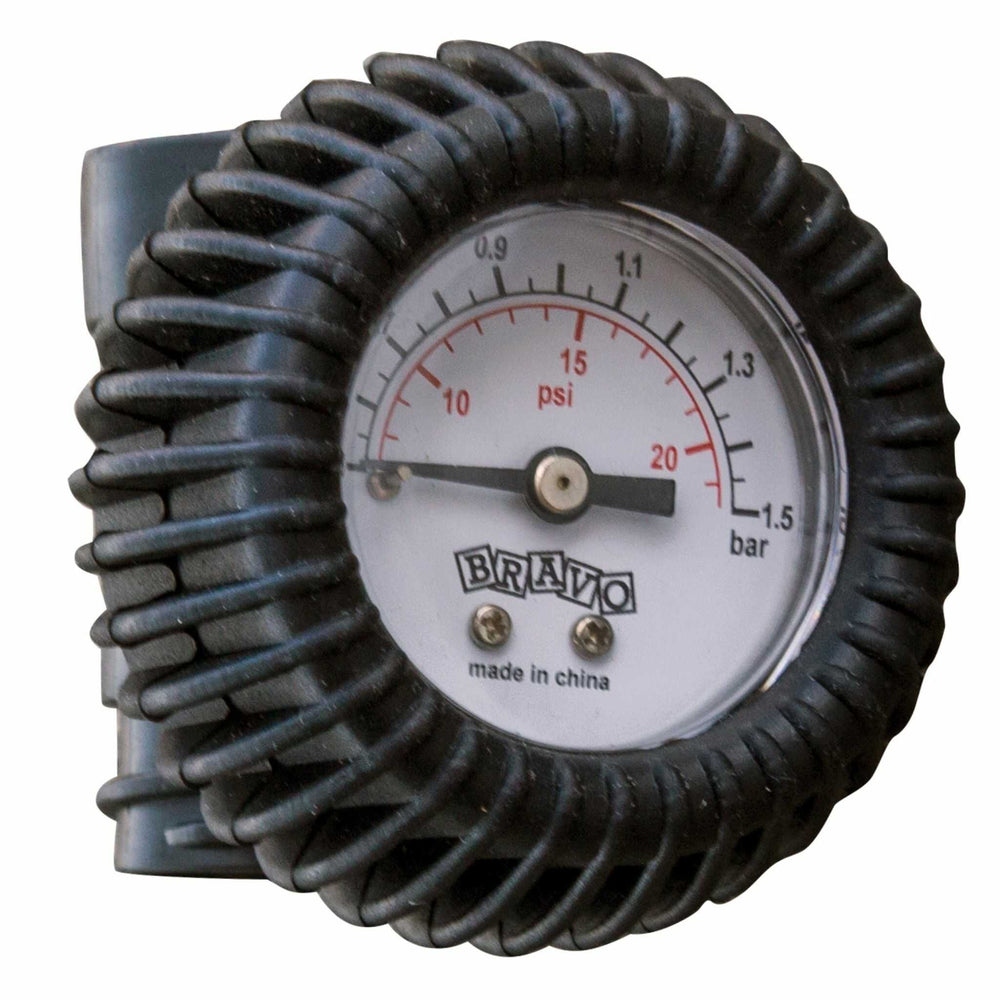
Fixing A Faulty Pressure Gauge
A broken pressure gauge is not only annoying—it can also lead to over-inflation or under-inflation.
- Unscrew the gauge from the pump.
- Check for debris or a loose connection.
- If the gauge is fogged up or stuck, it is usually best to replace it—universal gauges are cheap and easy to install.
Manual pump repairs are usually cheap and quick. Most parts cost less than $10, and the work can be done in under an hour.
Repairing Electric Paddle Board Pumps
Electric pumps are more complex but often still repairable. These are the main issues you might face:
Motor Not Running
If your electric pump does not switch on:
- Check the power supply and battery.
- Inspect the fuse (some pumps have a small fuse in the plug or near the battery terminal).
- If the fuse is blown, replace it with one of the same type.
- If the motor smells burnt or makes a grinding noise, the internal motor may be damaged. This can sometimes be fixed by cleaning or lubricating the moving parts, but often, you may need a new motor.
Pressure Gauge Failure
Electric pumps usually have a digital or analog gauge. If it fails:
- Check the wire connections to the gauge.
- For digital gauges, replace the batteries if there are any.
- Replace the gauge if it’s still not working.
Air Leaks Or Hose Problems
The steps for fixing leaks or replacing the hose are the same as for manual pumps. Just be careful with electric components—disconnect the pump from power before opening any parts.
Wiring And Electrical Issues
Loose wires or corroded connectors can stop the pump from working.
- Open the pump casing (usually with a screwdriver).
- Check all wires and connections for corrosion or looseness.
- Clean contacts with a little rubbing alcohol and a cotton swab.
- Reconnect any loose wires and tighten screws.
If you are not comfortable working with electrical components, ask a professional or a friend with experience to help. Safety comes first.
When To Repair Vs. Replace Your Pump
Not all pumps can or should be repaired. Here are some guidelines to help you decide:
Repair Your Pump If:
- The problem is minor (like a broken hose, O-ring, or gauge)
- Replacement parts are available and affordable
- The pump is less than 3 years old
- You feel comfortable with basic repairs
Replace Your Pump If:
- The pump housing is cracked or split (especially for electric pumps)
- The motor is burnt out and parts are hard to find
- Replacement parts cost more than half the price of a new pump
- The pump is very old (5+ years) and breaks often
To help you decide, here’s a quick cost comparison:
| Repair Type | Average Cost | Time Needed | Success Rate |
|---|---|---|---|
| Replace hose | $8–$15 | 10 minutes | Very high |
| Replace O-rings | $2–$5 | 5 minutes | Very high |
| Fix electric motor | $20–$40 | 1–2 hours | Medium |
| Buy new manual pump | $25–$40 | n/a | n/a |
| Buy new electric pump | $60–$150 | n/a | n/a |
As you can see, for simple fixes, repair is usually the smarter choice.

Essential Tools And Supplies For Pump Repair
Having the right tools makes repairs easier. You don’t need anything fancy:
- Screwdrivers (flat and Phillips)
- Small pliers
- Replacement O-rings and gaskets
- Epoxy glue (for small cracks)
- Replacement hose (if needed)
- Rubbing alcohol (for cleaning)
- Small wrench (for tightening connections)
- Lubricant (like silicone grease for seals)
Most repairs can be done with household tools. Keep a small kit in your garage or car for quick fixes.
Tips For Preventing Pump Damage
A little care can make your paddle board pump last much longer. Here are some tips:
- Store your pump out of direct sunlight—heat can crack plastic and damage seals.
- Rinse after use—especially if you use it near salt water, to remove sand and salt.
- Check for leaks before each trip—a quick check saves time and trouble later.
- Don’t over-tighten connections—hand-tight is enough for most parts.
- Avoid dropping your pump—shocks can damage internal parts, especially on electric pumps.
These small habits will help you avoid most common pump problems.
Non-obvious Insights Most Beginners Miss
Even experienced paddle boarders sometimes overlook these:
- Universal parts are widely available. Many hoses, O-rings, and gauges fit multiple brands. Don’t assume you need to buy only from your pump’s manufacturer. This can save money and speed up repairs.
- Tiny grains of sand are a major cause of sticky valves and leaky seals. Always wipe the area around the pump and board valve before connecting the pump.
By paying attention to these details, you can prevent many issues before they start.
Where To Find Replacement Parts
You can find most replacement parts online or at outdoor sports shops. Popular sites like Amazon and dedicated paddle board retailers stock hoses, gauges, O-rings, and more. For rare parts, check with your pump’s manufacturer or look for universal-fit components.
If you’re not sure which part fits, bring your old part to the shop or compare measurements carefully. Online forums and YouTube videos are also helpful—many paddlers share repair guides and part numbers.
For technical details and a deeper look at pump mechanisms, you can read the article on Wikipedia.
Frequently Asked Questions
Can I Use Glue To Fix A Cracked Pump Body?
You can use epoxy glue for small cracks in the plastic body of a manual pump. Make sure the area is clean and dry before applying the glue. For large cracks or splits, it’s safer to replace the pump.
How Do I Know If My Pressure Gauge Is Accurate?
Test your gauge by comparing it to another known working pump, or use a separate tire pressure gauge. If the numbers are far off, replace the gauge.
Is It Safe To Open And Repair An Electric Pump Myself?
If you are comfortable with small electrical repairs and follow safety rules (unplug before opening), you can do simple fixes. However, if you see damaged wiring or smell burning, it’s best to ask a professional.
Where Can I Buy Replacement O-rings And Hoses?
Most hardware stores and outdoor sports shops carry universal O-rings and hoses. Online retailers like Amazon offer a wide range of parts. Always check the size and connector type before buying.
My Pump Still Doesn’t Work After Repair Attempts. What Next?
If you’ve tried the common fixes and your pump still fails, it may have a hidden or complex issue. At this point, replacing the pump is usually the best and most cost-effective solution.
Repairing a broken paddle board pump is often easier than you might think. With some basic tools and a bit of patience, most common problems can be solved at home. Not only does this save money, but it also helps you understand your gear better and keeps you prepared for future adventures.
By caring for your pump and fixing small issues quickly, you’ll spend more time on the water and less time worrying about equipment failures.