
Can Kids Learn Surfing?
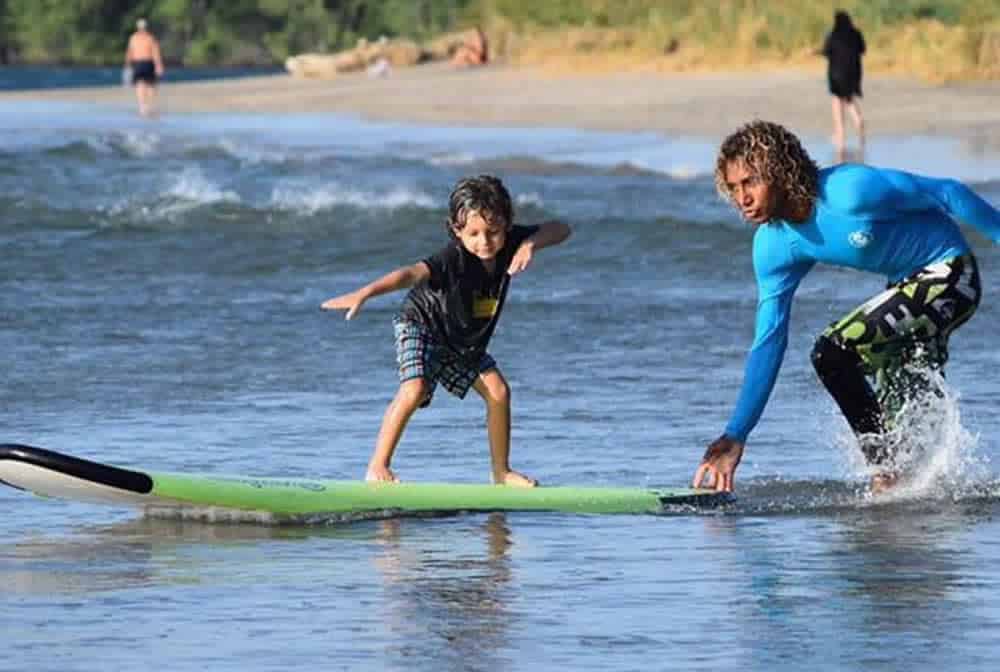
Surfing is often seen as a sport for fearless adults riding giant waves. But look closer at any popular beach, and you’ll see many young faces having just as much fun. If you’re a parent or teacher wondering if kids can really learn to surf, the answer is yes—kids can absolutely learn surfing. In fact, children often pick up the basics faster than adults thanks to their flexibility, energy, and natural sense of play. But starting early means knowing the best ways to keep kids safe, motivated, and progressing with confidence. Here’s everything you need to know about kids and surfing, from readiness signs and safety to lessons, boards, and real-life success stories.
Why Surfing Is Great For Kids
Surfing offers more than just a fun day at the beach. For kids, it’s a full-body activity that encourages physical fitness, mental growth, and social skills.

Today's Exclusive Deals
Limited-time Exclusive Deals. Check current discount on Amazon.
Check Price on Amazon As an Amazon Associate I earn from qualifying purchases.- Physical Health: Surfing builds balance, coordination, and core strength. Paddling works the arms and back, while standing up on the board improves leg muscles.
- Confidence Boost: Riding even a small wave gives a huge sense of achievement. Overcoming falls and learning new skills teaches kids resilience.
- Nature Connection: Surfing puts kids in the ocean, helping them appreciate nature and respect water safety.
- Teamwork: Many surf schools teach kids in groups, helping them make friends and learn how to support each other.
A 2021 study found that children who surf regularly have higher levels of physical activity and better emotional well-being compared to non-surfers.
What Age Can Kids Start Surfing?
There isn’t one perfect age, but many surf schools accept children as young as 5 or 6 years old. Some advanced kids start as early as 4, but this depends on their swimming ability and comfort in the water.
Key Readiness Signs
- Confident Swimmer: Can your child swim at least 25 meters without help?
- Listening Skills: Will they follow safety instructions from adults?
- Comfort in Waves: Are they happy playing in shallow surf, not just calm pools?
Kids don’t need to be Olympic swimmers, but they must be able to handle small waves and keep calm if they fall off their board.

Safety First: What Parents Must Know
Safety is the most important part of surfing with kids. Here’s how to make sure your child’s first experience is safe and fun:
- Choose the Right Beach: Start at beaches with gentle, rolling waves and lifeguards on duty.
- Watch the Weather: Never surf during storms or strong rip currents.
- Use Soft-Top Boards: These boards have a soft surface, which is safer if kids fall onto them.
- Wear the Right Gear: Rash guards protect skin, while wetsuits keep kids warm. Always use a leash that ties the board to the ankle.
- Stay Close: For young kids, always stay in the water with them or keep them in a supervised group.
- Learn Surf Etiquette: Teach kids not to drop in on other surfers and how to wait their turn.
Research from the International Surfing Association shows that with proper supervision and equipment, surfing is as safe as other water sports like swimming or bodyboarding.
Choosing The Right Equipment For Kids
The right equipment can make a huge difference in how quickly and safely kids learn to surf. Here’s a quick comparison of surfboard types for children:
| Board Type | Best For | Main Features |
|---|---|---|
| Soft-top foam board | Beginners (Ages 4-12) | Lightweight, soft, safe edges |
| Mini malibu | Kids with some experience | Stable, slightly harder, more control |
| Shortboard | Advanced kids (10+) | Fast, less stable, for maneuvers |
Sizing Tips
- Length: For beginners, the board should be about 1 to 2 feet longer than the child’s height.
- Width: Wider boards (20-22 inches) offer better balance.
- Weight: Lightweight boards are easier for kids to carry and control.
Essential Accessories
- Leash: Always use a leash to keep the board attached.
- Rash Guard/Wetsuit: Protects from sunburn, scrapes, and cold water.
- Surf Wax: Helps prevent slipping off the board.
How To Start: Lessons Vs. Self-taught
Many parents wonder if they can teach their kids to surf themselves or if professional lessons are better.
Surf Lessons
- Qualified instructors know how to teach kids step by step, focusing on safety and fun.
- Classes often include games and group activities.
- Instructors spot mistakes and help kids correct them quickly.
- Kids learn surf etiquette and ocean awareness.
Self-taught Surfing
- This can work for parents with strong surfing skills.
- It’s often cheaper but may take longer to see progress.
- Harder to spot and correct bad habits early.
For most families, starting with a few group lessons is the best way. Once kids know the basics, parents can help them practice outside of class.
Step-by-step: Teaching Kids To Surf
Learning to surf is easier when you break it down into simple steps:
- Beach Warm-Up: Start with stretching and running on the sand.
- Practice Popping Up: On the beach, practice jumping from lying down to standing on the board.
- Ocean Safety Talk: Review how to spot rip currents, what to do if you fall, and how to signal for help.
- Board Familiarization: Let kids get used to lying and paddling on the board in shallow water.
- Catching Small Waves: Begin with gentle whitewater close to shore.
- Paddle and Pop: When a wave approaches, help kids paddle, then pop up to stand.
- Riding Straight: Encourage riding straight to the beach before turning.
- Gradual Progression: As kids gain confidence, move to slightly bigger waves and start learning turns.
Many beginners skip practicing the “pop up” on the sand, but this dry land training makes standing on the board much easier in the water.
Common Mistakes Kids (and Parents) Make
No one learns surfing perfectly the first time. Here are some frequent mistakes to avoid:
- Rushing to Deep Waves: Stick to shallow, gentle waves until skills improve.
- Too Small Boards: Using tiny boards makes standing up harder.
- Skipping Safety Briefings: Always discuss ocean safety before every session.
- Not Enough Warm-Up: Cold muscles increase the risk of injury.
- Comparing Progress: Every child learns at their own pace.
One less obvious mistake: many parents forget to check for hidden hazards like rocks or sea urchins before letting kids enter the water.
How Long Does It Take For Kids To Learn Surfing?
Kids often learn faster than adults because they are less afraid of falling and more willing to try again. Still, progress varies based on age, comfort in water, and how often they practice.
| Age Group | Typical Time to Stand Up | Time to Ride Small Waves Confidently |
|---|---|---|
| 4-6 years | 3-5 sessions | 10-15 sessions |
| 7-10 years | 2-4 sessions | 8-12 sessions |
| 11-14 years | 1-3 sessions | 6-10 sessions |
Practicing at least once a week leads to faster results. However, kids who surf only during holidays may need a refresher when they return.
Real-life Examples: Kids Who Surf
Many famous surfers started as children. For example, Carissa Moore, a world champion, began surfing at age 5. Local surf schools often have kids as young as 6 or 7 riding waves confidently after just a few lessons.
In Hawaii, it’s common for children to enter surf competitions before age 10. In the United States, over 1.5 million kids try surfing each year, according to the Surf Industry Manufacturers Association.
Parents are sometimes surprised by how quickly kids gain confidence. One non-obvious insight: Some shy kids open up more after learning to surf, as the ocean gives them a sense of freedom and joy.
Tips For Keeping Kids Motivated
Surfing should always feel fun for kids. If they start to see it as a chore, progress slows. Here are ways to keep their excitement high:
- Celebrate small successes, even standing for one second.
- Let them surf with friends or siblings.
- Mix games into surf sessions, like seeing who can catch the longest ride.
- Give them choice: Let them pick their board color or wetsuit.
- Take breaks for snacks and rest; tired kids are less likely to enjoy learning.
A clever tip: Let kids teach YOU a surf move (even if you already know it)—this makes them feel like experts and builds confidence.
When To Enter Kids In Surf Competitions
Competitions are not just for pros. Many local clubs have beginner events for kids as young as 8. But don’t rush your child into contests. Signs they’re ready:
- They can catch and ride waves alone.
- They follow surf etiquette.
- They enjoy a little friendly competition.
Competitions can teach sportsmanship, goal setting, and how to handle both wins and losses.
Surfing And Special Needs Children
Surfing is also possible for children with special needs. Many organizations offer adaptive surfing programs, making the sport accessible to kids with physical or cognitive challenges.
Benefits include improved balance, sensory input from the water, and a big boost in confidence. According to Wikipedia, adaptive surfing is now recognized globally, with competitions and dedicated instructors.
Many parents find that the ocean’s calming effect is helpful for kids with sensory processing issues or autism.
Frequently Asked Questions
What’s The Best Age For Kids To Start Surfing?
Most kids can begin learning to surf around 5 or 6 years old if they are confident swimmers. Some start earlier, but always check with a qualified instructor to see if your child is ready.
Does My Child Need To Know How To Swim Before Surfing?
Yes, strong swimming skills are a must for safe surfing. Your child should be able to swim 25 meters without help and be comfortable in waves.
How Do I Choose The Right Surf School For My Child?
Look for schools with certified instructors, small class sizes, and good reviews from parents. Visit the school first and ask about their safety policies and teaching methods.

What If My Child Is Scared Of Waves?
Start slow in shallow water and let your child watch other kids surf. Encourage them, but never force them. Building confidence step by step is key.
Can Surfing Help With My Child’s Confidence?
Absolutely. Surfing helps kids overcome challenges, learn new skills, and feel proud of their progress. Many parents notice a big confidence boost after just a few sessions.
Surfing is a sport that welcomes everyone—kids included. With the right guidance, equipment, and attitude, children can develop lifelong skills and a deep love of the ocean. Whether you’re hoping to raise a future champion or just want your child to have fun outdoors, surfing is a fantastic choice.
So grab a board, hit the beach, and let the adventure begin!

