
What happens when waves, wind, and ocean floor come together perfectly? Surfers call that magic a point break. For many, it’s the holy grail of wave riding—a place where ocean energy transforms into long, peeling rides that seem almost endless. But what actually is a point break in surfing? If you’re new to surf culture or curious about wave science, understanding point breaks will open up a whole new layer of appreciation for the sport.
Let’s explore what makes point breaks unique, how they form, why surfers seek them out, and which famous spots around the world have become legends. By the end, you’ll understand why the words “point break” get surfers dreaming.

Today's Exclusive Deals
Limited-time Exclusive Deals. Check current discount on Amazon.
Check Price on Amazon As an Amazon Associate I earn from qualifying purchases.Understanding The Basics: What Is A Point Break?
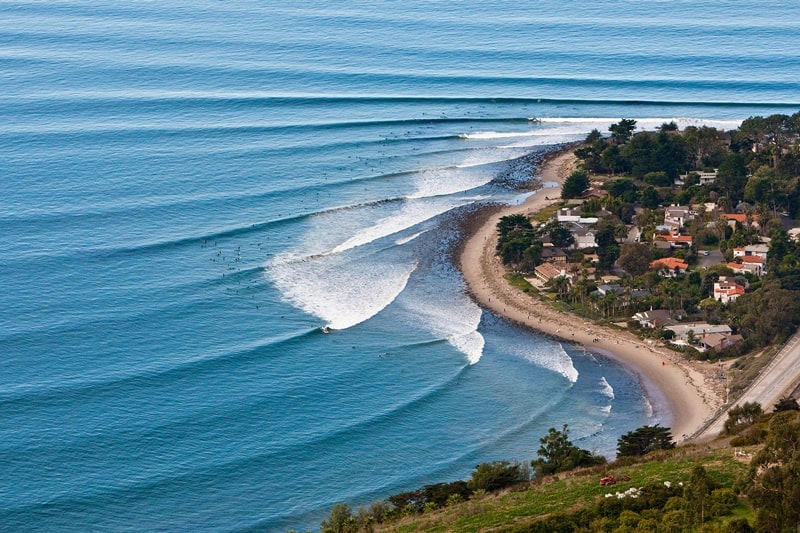
A point break is a type of surf spot where waves hit a piece of land—often a rocky or sandy point—that juts out into the ocean. When swells approach this point at an angle, the wave energy wraps around the land, causing the wave to break slowly and predictably along the shoreline. This creates long, rideable waves that move parallel to the coast.
Unlike beach breaks, where waves break over sandy bottoms in random patterns, or reef breaks that form over coral reefs and can be dangerous, point breaks provide a balance of power, shape, and safety. These waves usually peel in one direction—either left or right—giving surfers a longer ride and more time for maneuvers.
Why Surfers Love Point Breaks
Point breaks are legendary in surf culture for several reasons:
- Long Rides: Surfers can ride a single wave for much longer than at most beach or reef breaks.
- Predictable Shape: The wave breaks in a consistent pattern, making it easier to read and ride.
- Variety of Skill Levels: Many point breaks are suitable for both beginners and experts, though some are challenging.
- Perfect for Turns and Tricks: The extended face of the wave lets surfers practice advanced moves.
The world’s most famous surf movies and competitions often feature point breaks, because these locations show surfing at its most exciting.
How A Point Break Forms
The secret behind a point break lies in geography and ocean physics. Here’s how it works:
- Land Formation: A headland or point sticks out into the ocean, usually made of rock or sand.
- Swells Approach: Waves generated by distant winds travel toward the coast at an angle to the point.
- Wave Wraps Around: The end of the wave closest to the point hits shallow water first and slows down. The rest of the wave, still in deeper water, keeps moving fast.
- Peeling Effect: This speed difference makes the wave “peel” or break in a line along the shore, rather than closing out all at once.
The result? A long, peeling wave that glides smoothly, perfect for surfing.
Comparing Point Breaks, Beach Breaks, And Reef Breaks
To better understand why point breaks are special, let’s compare them with other popular surf spot types.
| Feature | Point Break | Beach Break | Reef Break |
|---|---|---|---|
| Bottom Surface | Rock or sand point | Sand | Reef (coral or rock) |
| Wave Shape | Long, peeling | Short, peaky | Hollow, powerful |
| Consistency | Very consistent | Can be random | Consistent but dangerous |
| Best for | All levels | Beginners/intermediate | Advanced/experts |
| Length of Ride | Long | Short | Medium |
As you can see, point breaks offer a unique combination: longer rides, predictable waves, and less risk than shallow reefs.
Types Of Point Breaks: Lefts, Rights, And Double Sided
Not all point breaks are the same. The direction a wave breaks depends on the shape of the coastline and the incoming swell.
- Right Point Break: The wave breaks to the right from the surfer’s view facing shore (the surfer’s right). Example: Rincon in California.
- Left Point Break: The wave breaks to the surfer’s left. Example: Jeffreys Bay in South Africa.
- Double Point Break: Rare, but a point break can sometimes offer both directions, depending on the swell.
Most point breaks are famous for one direction, and surfers often prefer one based on whether they are “goofy” (right foot forward) or “regular” (left foot forward).
Classic Examples: World-famous Point Breaks
Some surf spots have become world-famous because of their perfect point break waves. Here are a few legendary locations:
- Jeffreys Bay (J-Bay), South Africa: Known for its super long right-handers that can offer rides over 300 meters. It hosts international competitions and is a dream for many surfers.
- Rincon, California, USA: Called “The Queen of the Coast,” Rincon has multiple sections and offers long, rippable right-hand waves.
- Malibu, California, USA: The classic longboard wave, famous for its gentle, peeling rights and rich surf history.
- Noosa Heads, Australia: Offers several point breaks with long, mellow right-handers, perfect for all levels.
- Scorpion Bay, Mexico: Famous for its multiple points that can connect for rides over a kilometer during perfect swells.
- Kirra, Australia: Famous for its fast, hollow right-hand barrels, especially in cyclone conditions.
- Snapper Rocks, Australia: Site of the Gold Coast’s “Superbank,” offering some of the longest barrels in the world.
Each of these spots has a unique vibe, but all share the magic of the point break.

What Makes A Good Point Break?
While all point breaks share basic features, the best ones have a few extra qualities:
- Angle of the Coastline: The way the point curves into the ocean influences how the wave wraps and peels.
- Bottom Contour: A gradual, even slope allows the wave to break slowly and consistently.
- Protection from Wind: Cliffs or hills can block wind, keeping the wave face clean.
- Reliable Swell: The spot needs regular swells from the right direction and size.
- Access: Some point breaks are hard to reach, which keeps crowds low but makes them harder for beginners.
A common beginner mistake is thinking every point break works well all the time. In reality, even the best need the right swell size, direction, and tide.
The Science Of The Perfect Peel
Why does a point break wave peel so beautifully? It’s all about refraction. As a wave approaches the point, part of it slows in shallow water while the rest stays fast in deeper water. This difference causes the wave to bend or “wrap” around the point.
Here’s a simple breakdown:
- The tip of the wave hits shallow water by the point and slows down.
- The deeper part stays fast and swings around the point.
- The wave breaks in a long line, with the “shoulder” (unbroken part) always moving ahead.
This means a surfer can take off near the point and ride the wave as it peels for a long distance. In perfect conditions, it feels endless.
Common Mistakes At Point Breaks
Many surfers—especially those new to point breaks—make predictable errors:
- Starting Too Far Down the Line: Beginners often paddle out too far from the point and miss the best part of the wave.
- Dropping In on Others: Because the rides are long, it’s easy to accidentally take someone else’s wave. Point breaks usually have a clear order—wait your turn.
- Ignoring Tides and Swell Direction: Not all swells work for all point breaks. Learning which conditions are best is key.
- Not Watching for Rocks: The bottom may be rocky near the point, so always check the spot before paddling out.
A smart surfer studies the break before jumping in, asks locals about hazards, and stays patient.
How To Surf A Point Break
To get the most out of a point break:
- Paddle Out Near the Point: This puts you in position for the longest rides.
- Wait for Sets: Point breaks often have clear sets (groups of bigger waves). Be patient.
- Take Off Deep: The closer to the point, the longer the ride. But be careful—it’s also where the wave is steepest.
- Follow the Wave Down the Line: Ride along the breaking wave, making turns and maneuvers as it peels.
- Kick Out Before the End: Don’t ride all the way into the rocks or shallow water.
As you improve, you’ll learn to read the wave and maximize each ride.
Point Breaks And Surf Culture
Point breaks aren’t just about waves—they’re a big part of surf history and culture. Many famous surfers built their reputations at these spots. Surf contests often choose point breaks because the waves are long and predictable, making for exciting performances.
Movies like “The Endless Summer” and “Point Break” (yes, the film was inspired by the term) helped make these waves legendary. Some point breaks are so iconic that surfers travel the world just to experience them.
Environmental Challenges And Protection
Because point breaks are so valuable, they’re often threatened by development, pollution, and crowding. Building harbors, jetties, or seawalls can destroy the unique shape that creates perfect waves.
Surfers and local communities sometimes work together to protect these spots. For example, the Save The Waves Coalition (www.savethewaves.org) is dedicated to preserving surf breaks as natural resources.
If you visit a point break, respect the environment and local rules—these places are treasures.
Myth Vs. Reality: Are All Point Breaks Perfect?
Not every point break delivers perfect waves all the time. Some only work during big storms or specific seasons. Others get crowded, making it hard to catch waves. And some are dangerous for beginners, especially when big swells hit.
Here’s a quick look at what to expect at a typical point break:
| Condition | Beginner | Intermediate | Expert |
|---|---|---|---|
| Small Swell | Good | Good | Okay |
| Medium Swell | Can be challenging | Great | Good |
| Large Swell | Dangerous | Challenging | Excellent |
| Low Tide | Risky (rocks exposed) | Okay | Good |
The takeaway: always check the conditions and know your limits.
Two Insights Most Beginners Miss
- Local Knowledge Is Key: Each point break has its own rules and hidden dangers. Locals know where to paddle out, which tides are safest, and how to avoid rocky spots. Don’t just trust internet guides—talk to surfers at the spot.
- Patience Pays Off: Point breaks often reward those who wait. The best waves go to those who sit deep and wait for the right set, not those who chase every small wave.

Where To Learn More
Surf science and geography are fascinating topics. For a deep dive into the physics of waves and surf spots, check out the Wikipedia page on surf breaks.
Frequently Asked Questions
What Is The Main Advantage Of Surfing A Point Break?
The biggest advantage is the long, peeling wave. This allows surfers to ride for a long distance, practice maneuvers, and enjoy a consistent, predictable wave shape.
Are Point Breaks Good For Beginners?
Some point breaks are great for beginners, especially those with a gentle slope and small waves (like Noosa Heads). But others can be challenging or dangerous when the swell is big, so always check local advice.
How Do I Find Out If A Point Break Is Working?
Check surf forecasts for swell direction and size. Point breaks only work when the waves come from the right angle and are big enough. Local surf reports and webcams can help, too.
What Equipment Is Best For Point Breaks?
A longboard or mid-length is often best for soft, rolling point breaks, while a shortboard works for steeper, faster waves. Choose based on the wave’s size and your skill level.
How Do Point Breaks Impact Local Communities?
Point breaks often become the heart of local surf culture, attract tourism, and boost the economy. But they can also lead to crowding and environmental pressure. Responsible surf tourism and local protection efforts help balance these effects.
Point breaks are where surfing becomes pure joy—long rides, beautiful waves, and a special connection to the ocean. Whether you’re a beginner or a seasoned surfer, understanding what makes these spots so magical will deepen your love for the sport.
If you get a chance to ride a classic point break, take it—these waves are the stuff of legends.

