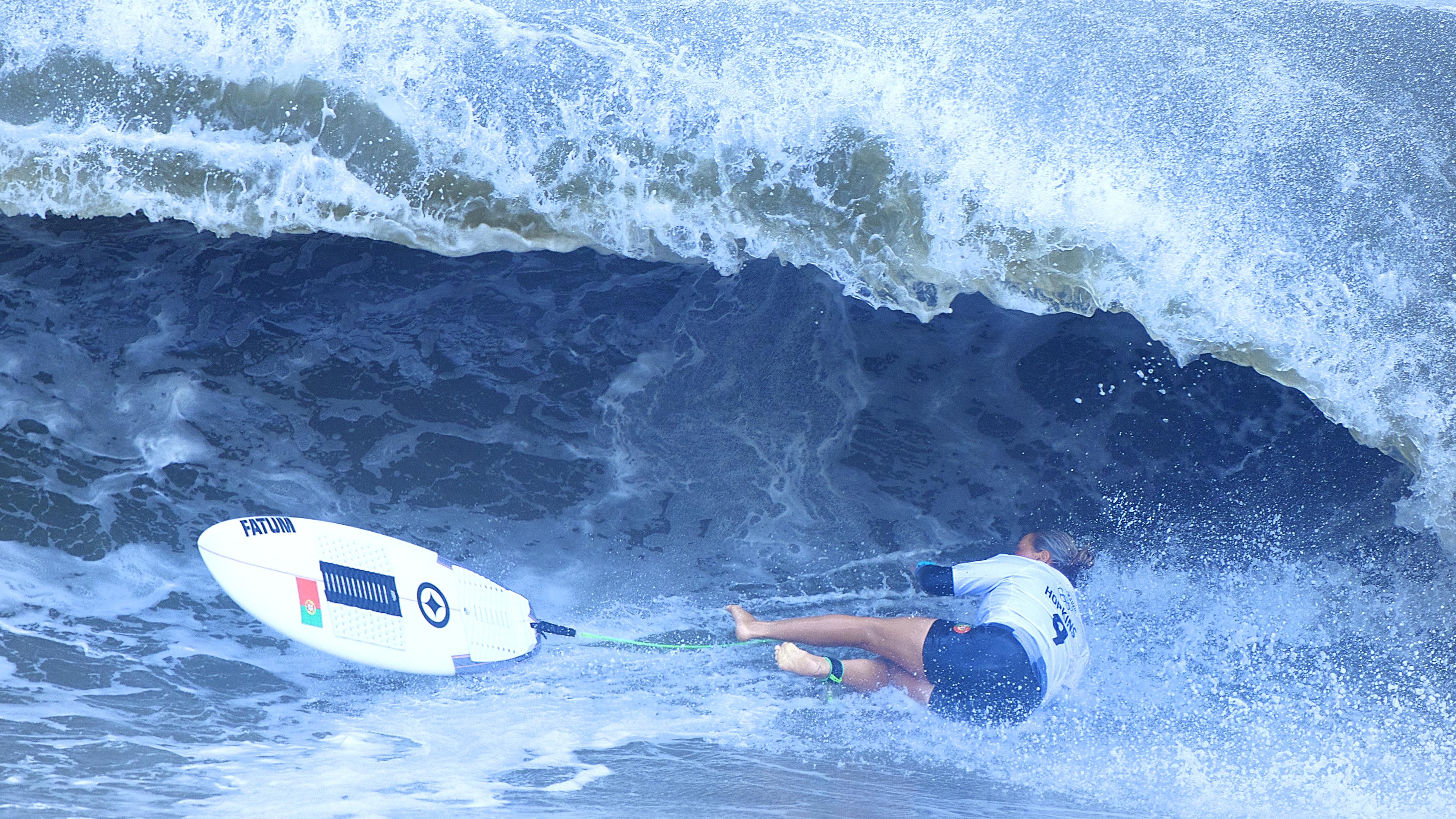
Catching a wave is one of the most exciting moments you can experience on the ocean. Surfing brings a feeling of freedom, connection to nature, and pure joy. But like any sport, surfing has risks. Even experienced surfers face injuries, sometimes from their own boards, the ocean’s power, or the hidden dangers under the water.
If you’re new to surfing or want to stay safe, it’s smart to know the most common surfing injuries and how to avoid them.

Today's Exclusive Deals
Limited-time Exclusive Deals. Check current discount on Amazon.
Check Price on Amazon As an Amazon Associate I earn from qualifying purchases.Understanding these injuries is not just for professionals. Beginners often get hurt because they don’t know what to expect or how to protect themselves. Even small mistakes, like placing your feet wrong or not watching the waves, can lead to painful accidents.
But with knowledge and a few simple habits, you can reduce your risk and keep enjoying the sport you love.
In this article, you’ll learn about the most frequent surfing injuries, why they happen, how serious they can be, and practical tips to stay safe in the water. Let’s dive in so you can surf with confidence.
Today's Exclusive Deals
Limited-time Exclusive Deals. Check current discount on Amazon.
Check Price on Amazon As an Amazon Associate I earn from qualifying purchases.Why Do Surfing Injuries Happen?
Surfing looks peaceful from the beach, but the ocean is powerful and unpredictable. Injuries usually happen because of:
- Impact with the surfboard: Hard boards can hit your head, face, or body during wipeouts.
- Ocean hazards: Rocks, reefs, and sandbars can cause cuts or bruises.
- Wave force: Strong waves can twist or push your body in unnatural ways.
- Crowded conditions: Collisions with other surfers are common, especially in busy spots.
Many injuries are preventable with good habits and awareness. Still, even careful surfers sometimes get hurt because the ocean can surprise anyone.
Most Common Surfing Injuries
Understanding what can go wrong helps you avoid it. Here are the main types of injuries surfers face, from minor cuts to more serious problems.
1. Lacerations (cuts)
Lacerations are the most frequent surfing injury. These are cuts or scrapes, often caused by sharp fins, the board’s edge, or underwater rocks and coral.
Today's Exclusive Deals
Limited-time Exclusive Deals. Check current discount on Amazon.
Check Price on Amazon As an Amazon Associate I earn from qualifying purchases.- Where it happens: Feet, hands, face, and legs
- Why it matters: Even small cuts can get infected, especially in tropical water
- Example: A surfer wipes out, foot slides over a fin, leaving a deep cut
Non-obvious insight: Many beginners think wetsuits protect against cuts. In reality, a fin can slice through thin neoprene easily. Always check your board and fins for sharp edges.
2. Bruises And Contusions
When you hit your board, the ocean floor, or another surfer, you can get bruises or contusions. These are painful, but usually not dangerous.
- Common spots: Thighs, shins, hips, and chest
- How it happens: Falling onto the board or getting rolled by a wave
Tip: If a bruise swells a lot or becomes numb, it could be a deeper injury. Rest and ice it, and see a doctor if it does not improve.
3. Sprains And Strains
Surfing demands twisting, paddling, and balancing. This leads to sprains (ligament injuries) and strains (muscle injuries), especially in the ankles, knees, and shoulders.
- Sprain example: Ankle turns awkwardly landing after a wave
- Strain example: Shoulder pain after long paddling sessions
Warm up before surfing and stretch afterward to lower your risk. Beginners often skip this, leading to more injuries.
4. Dislocations
A dislocation means a bone pops out of its normal position, often at the shoulder or finger. The force of a wave or board impact can cause this.
- Common sites: Shoulder, fingers, toes
- Why it’s serious: Needs medical attention to avoid long-term damage
If you cannot move a joint or it looks out of place, do not try to fix it yourself. Get help immediately.
5. Fractures (broken Bones)
Fractures are less common but more serious. The most at-risk bones are in the arms, legs, and face.
- How it happens: Hard impact with your board, rocks, or a big wave
- Red flags: Severe pain, swelling, loss of movement, or a visible deformity
Wearing a helmet in reef breaks and being aware of your surroundings helps reduce this risk.
6. Head And Face Injuries
The head and face are vulnerable, especially in wipeouts or crowded surf. Injuries can include cuts, bruises, concussions, or even broken teeth.
- Common causes: Board strikes, shallow water, collisions with other surfers
- Risk: Some head injuries are life-threatening
Tip: Duck-diving correctly and wearing a helmet in shallow or rocky spots can prevent many of these injuries.
7. Spinal Injuries
Though rare, spinal injuries are the most dangerous. They often happen in shallow water or after hitting a sandbar or reef.
- Warning signs: Numbness, loss of movement, severe neck/back pain
- Prevention: Never dive headfirst off your board. Protect your head and neck in shallow water.
Most spinal injuries happen to intermediate surfers who feel confident but don’t always check the water depth.
8. Ear Problems (surfer’s Ear)
Repeated exposure to cold water and wind can cause exostosis, also called surfer’s ear. Bone grows in the ear canal, causing hearing loss or infections.
- Symptoms: Itching, trapped water, hearing changes
- Prevention: Wear earplugs in cold water and dry your ears after surfing
This develops slowly, so many surfers ignore early signs until surgery is needed.
9. Sunburn And Skin Damage
Surfers spend hours exposed to the sun, leading to sunburn, premature aging, and higher skin cancer risk.
- How it happens: UV rays reflect off the water, increasing exposure
- Prevention: Use water-resistant sunscreen, wear rash guards, and reapply often
Non-obvious insight: Lips are often forgotten but easily sunburned. Use a zinc-based lip balm for protection.
10. Jellyfish And Marine Stings
Sometimes, surfers come in contact with jellyfish, sea urchins, or stingrays. Stings can be painful and sometimes dangerous.
- Where it happens: Feet, legs, hands
- Prevention: Shuffle your feet when walking in shallow water; wear booties in rocky areas
If you’re stung, rinse with saltwater, not freshwater, and seek help if you have allergic symptoms.

Comparing Surfing Injuries By Frequency
To see which injuries are most likely, here’s a comparison based on data from surf clinics and emergency rooms.
| Injury Type | Frequency | Typical Severity |
|---|---|---|
| Lacerations | Very Common | Mild to Moderate |
| Bruises/Contusions | Common | Mild |
| Sprains/Strains | Common | Mild to Moderate |
| Fractures | Less Common | Severe |
| Head/Face Injuries | Occasional | Moderate to Severe |
| Spinal Injuries | Rare | Very Severe |
Risk Factors For Surfing Injuries
Not every surfer faces the same risks. Some factors make injuries more likely:
- Skill level: Beginners often get minor injuries from inexperience. Intermediate surfers take more risks, leading to worse injuries.
- Wave conditions: Bigger, more powerful waves increase injury risk.
- Surf spot: Reef breaks and rocky spots are more dangerous than sandy beaches.
- Crowds: More surfers in the water means more collisions.
- Protective gear use: Wetsuits, helmets, and leashes reduce some risks.
The Difference: Minor Vs Major Surfing Injuries
Some injuries will heal with rest and self-care. Others need medical attention. Here’s how to tell them apart.
| Minor Injuries | Major Injuries |
|---|---|
| Small cuts or bruises | Deep lacerations needing stitches |
| Muscle soreness or strains | Broken bones, dislocations |
| Sunburn | Head injuries, spinal trauma |
| Jellyfish stings (mild) | Severe allergic reactions |
If you’re unsure, always get a doctor’s advice. Some injuries, like concussions, may not look serious at first but can be dangerous.
How To Prevent Surfing Injuries
Staying safe in the water is possible with a few habits and precautions.
- Warm up properly: Stretch your shoulders, back, and legs before getting in the water.
- Check your equipment: Make sure your board and fins are in good condition. Replace damaged leashes.
- Know your limits: Don’t try waves that are too big for your skill level.
- Stay aware of surroundings: Look out for rocks, reefs, and other surfers.
- Practice safe falls: If you wipe out, cover your head with your arms and try to fall flat to avoid diving headfirst.
- Use sun protection: Apply sunscreen, wear rash guards, and protect your lips and ears.
- Don’t surf alone: Having a buddy can save your life in an emergency.
Non-obvious insight: Many injuries happen after long sessions when you’re tired. If you start feeling exhausted, take a break—even if the waves look perfect.
Treating Common Surfing Injuries
Quick, correct action makes a big difference in recovery.
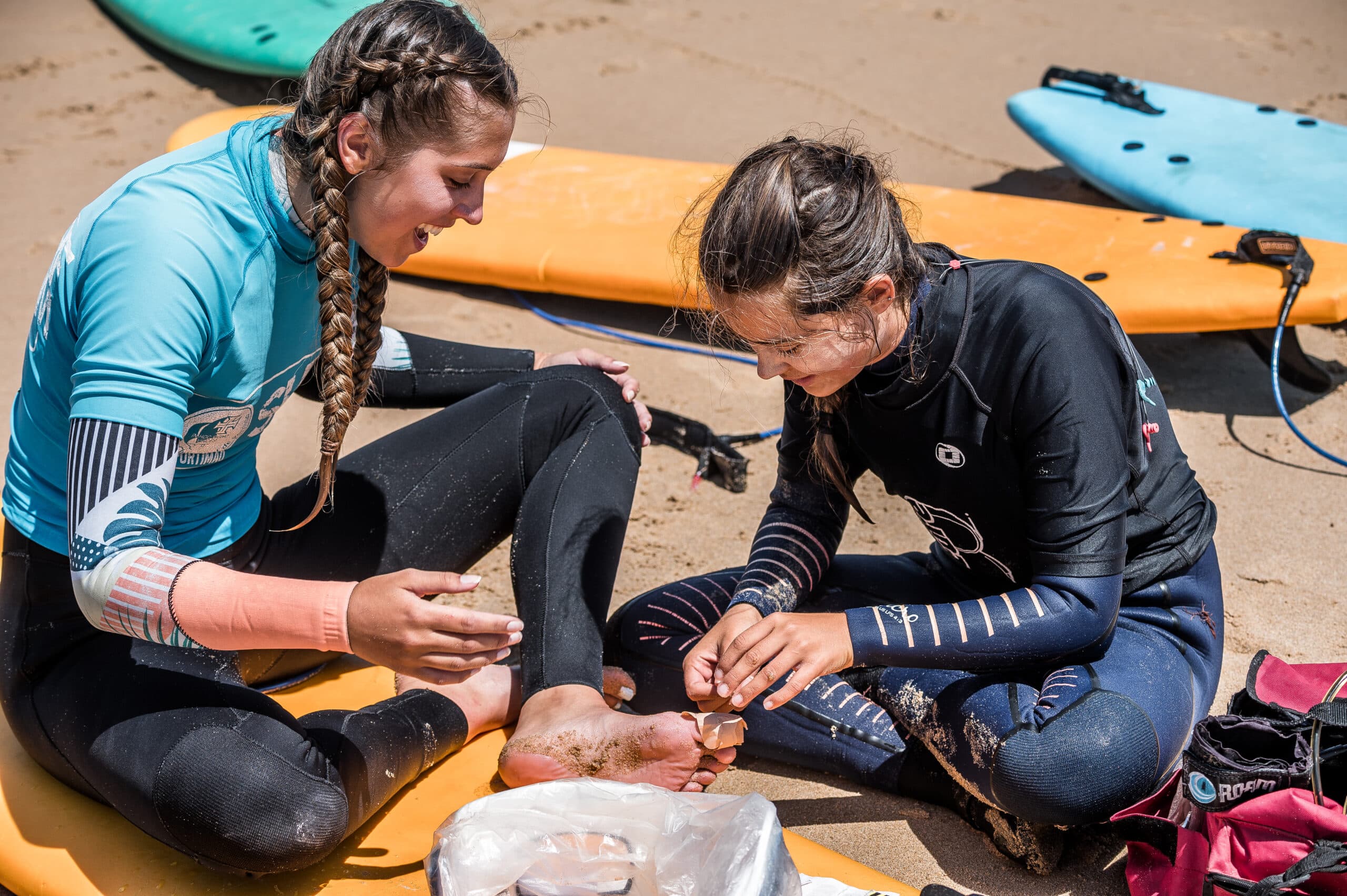
- For cuts: Rinse with clean water, remove sand, and cover with a waterproof bandage. Seek medical help for deep cuts.
- For bruises: Rest, ice the area, and elevate if possible.
- For sprains/strains: Ice, compression, elevation, and rest. Avoid surfing until fully healed.
- For jellyfish stings: Rinse with saltwater, remove tentacles with tweezers, and use hot water for pain. Avoid vinegar except for certain jellyfish species.
- For head/spinal injuries: Do not move the injured person. Get emergency help immediately.
For more detailed guidance, check the Surfers Medical Association.
Real-world Example: Injury Data From Popular Surf Spots
Different surf breaks have different risks. Here’s how injuries compare at beach, reef, and point breaks.
| Surf Break Type | Common Injury | Injury Rate |
|---|---|---|
| Beach Break | Lacerations, sprains | Moderate |
| Reef Break | Lacerations, fractures | High |
| Point Break | Bruises, strains | Low |
This shows why it’s important to adapt your safety habits to the spot you surf.
Long-term Effects Of Surfing Injuries
Most minor injuries heal with time. But some, like surfer’s ear or repeated joint injuries, can have lasting effects:
- Reduced mobility in shoulders or knees from repeated strains
- Chronic pain if injuries are not treated properly
- Hearing loss from untreated exostosis
- Skin damage and higher risk of skin cancer with repeated sunburns
Protecting yourself today means you can keep surfing for many years.
Frequently Asked Questions
What Should I Do If I Get Cut While Surfing?
Rinse the cut with clean water to remove sand and debris. Apply a waterproof bandage, and keep it clean. If the cut is deep, bleeding heavily, or looks infected, see a doctor.
Is Surfing Dangerous For Beginners?
Surfing is generally safe if you learn in gentle waves, use proper equipment, and take lessons. Most beginner injuries are minor, like small cuts or bruises. Don’t surf alone, and avoid crowded or rocky spots until you have more experience.
How Can I Avoid Surfer’s Ear?
Wear earplugs, especially in cold water, and dry your ears thoroughly after each session. Regular checkups with a doctor can catch early signs before they become serious.
When Should I See A Doctor After A Surfing Injury?
See a doctor if you have a deep cut, cannot move a joint, have severe pain, or experience head or spinal trauma. Also, seek help if you feel dizzy, confused, or have signs of infection (redness, swelling, pus).
Are Helmets Helpful For Surfing?
Helmets can protect against head injuries, especially in reef or rocky breaks. They are not common in all locations but are highly recommended for children and in dangerous conditions.
Surfing is an amazing sport, but safety should always come first. By understanding the most common injuries and how to prevent them, you can spend more time enjoying the waves and less time recovering on the shore. Stay alert, respect the ocean, and take care of your body—your best surf days are ahead.