
Surfing isn’t just about picking the right board or finding the perfect beach. One of the most important factors that separates an average session from an unforgettable one is tide. If you’ve ever wondered, “What tide is best for surfing?” you’re not alone. Many surfers, from beginners to seasoned veterans, pay close attention to the movement of the ocean. Understanding tides can help you catch more waves, avoid frustration, and even stay safer in the water. This guide explores tides in detail, reveals the best tidal conditions for surfing, and offers insights that even some experienced surfers overlook.
Understanding Tides: The Basics
Tides are the daily rise and fall of sea levels. This movement happens because of the gravitational pull between the moon, the sun, and Earth. Most coastlines experience two high tides and two low tides every 24 hours. The difference in water level between high and low is called the tidal range.
Today's Exclusive Deals
Limited-time Exclusive Deals. Check current discount on Amazon.
Check Price on Amazon As an Amazon Associate I earn from qualifying purchases.Why do tides matter for surfing? The answer is simple: tides change the shape and power of waves. The same beach can offer gentle, rolling waves at high tide and powerful barrels at low tide. The wrong tide can turn a perfect surf spot into a flat, unrideable mess—or create dangerous conditions.
How Tides Affect Waves
Tides influence surfing in several key ways:
- Wave breaking point: At low tide, waves often break farther from shore. At high tide, they can break closer in.
- Wave shape: Tides can make waves steeper, fatter, or even close them out entirely.
- Water depth: More water means gentler waves; less water means steeper, faster waves.
- Current and rips: Tidal movement can create strong currents, which affect paddling and safety.
It’s important to know that every surf spot reacts differently to the tide. Some places are best at low tide; others come alive only at high or mid-tide. This local knowledge is what separates a fun session from a wasted trip.
Types Of Tides
Not all tides are created equal. Here are the main types you’ll hear about:
Spring Tides
These happen during the new and full moon. The tidal range is at its biggest, meaning very high highs and very low lows. Waves can be powerful, but currents are stronger too.
Neap Tides
These occur during the first and third quarter moon. The tidal range is smaller. Water levels do not rise or fall as much, which can sometimes offer more gentle, consistent waves.
King Tides
These are the highest tides of the year, usually happening a few times annually. They can cause flooding and change surf spots dramatically, sometimes for the better, sometimes making them unsurfable.
Surf Spots And The Best Tide
The “best tide” for surfing depends on the type of spot you’re at:
| Surf Spot Type | Best Tide | Why |
|---|---|---|
| Beach Break | Mid to High Tide | Waves break more predictably, less risk of hitting sandbars |
| Reef Break | Mid to Low Tide | Waves peel better, but watch for shallow rocks |
| Point Break | Mid Tide | Best balance of wave shape and safety |
Beach Breaks
These are sandy bottoms. Tides change them a lot. At low tide, waves can close out or break too fast. At high tide, waves may become soft and slow. Mid to high tide is usually best—there’s enough water for shape, but not so much that waves lose power.
Reef Breaks
Reef breaks have rocky or coral bottoms. Mid to low tide is often best. At higher tides, waves may not break well, but at very low tides, the reef can become dangerous. Be extra careful: even a small drop in tide can expose sharp rocks.
Point Breaks
These are long waves that peel along a headland or jetty. Mid tide is usually ideal. At low tide, the wave can break too far out or over rocks; at high tide, it may get too fat to ride.
How To Read A Tide Chart For Surfing
A tide chart shows the times and heights of the high and low tides for a location. Reading one is easy with practice. Look for:
- High tide and low tide times
- The height of the tide (measured in meters or feet)
- The tidal range (the difference between high and low)
Here’s a sample tide chart for a day:
| Time | Tide | Height |
|---|---|---|
| 6:15 AM | High | 1.8 m |
| 12:30 PM | Low | 0.4 m |
| 6:45 PM | High | 1.9 m |
| 12:50 AM | Low | 0.3 m |
For surfing, it’s best to plan your session for the rising tide (incoming) or falling tide (outgoing), depending on your spot’s preference. The hour before and after a tide change (called the “tide push”) often brings the best waves.
Best Tide Stages For Surfing
Not all surfers know that the stage of the tide can be as important as the actual high or low. The main stages are:
- Incoming tide (Flood tide): Water is rising. Waves often get bigger and more powerful. Great for many beach breaks.
- Outgoing tide (Ebb tide): Water is dropping. Waves may lose power, and currents get stronger. Some reef breaks are best during this stage.
- Dead high/low (Slack tide): The tide is not moving much. Conditions can be calm, but sometimes waves go flat.
Many surfers prefer the hour before and after high tide, especially at beach breaks. This is when waves often have the best shape.
How Tide Interacts With Swell And Wind
Tide is only one part of the equation. Swell direction, size, and wind can all change how a spot reacts to the tide.
- Big swell: At high tide, big waves can “swamp out” and lose shape. At low tide, they may break perfectly.
- Small swell: Higher tides can help small waves break better.
- Onshore wind: Chops up waves, can be worse at low tide.
- Offshore wind: Cleans up waves, can help at any tide.
A surf spot that’s perfect at mid-tide with a small swell might be terrible with a big swell. Always check surf reports and talk to locals.
Non-obvious Insights Most Surfers Miss
It’s easy to think that following tide charts is enough. But two key insights can make a real difference:
- Tides change over the year: The same tide height in summer may not act the same in winter, because sandbanks move and storms reshape the seabed. Always observe how your local spot changes seasonally.
- “Magic hour” is not fixed: Many surfers believe the hour after low or high tide is always best. But this “magic hour” can shift based on wind, swell, and even recent weather. Don’t get stuck on a fixed rule—watch the ocean and adjust.
Dangers And Safety Considerations
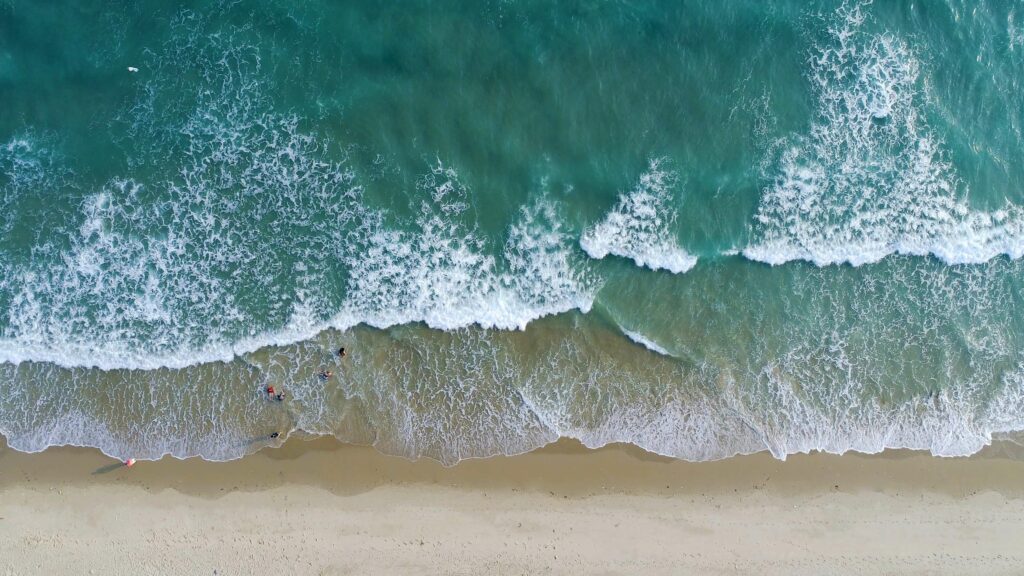
Surfing at the wrong tide can be risky. At low tide, rocks and reefs are closer to the surface. Strong rip currents often form during outgoing tides. At high tide, waves can push you close to cliffs or sea walls.
Tips to stay safe:
- Always check the tide chart before you surf
- Avoid unknown reef breaks at low tide, especially as a beginner
- If surfing at high tide, watch for strong shore breaks or obstacles
- Know the local rip current patterns
Local Knowledge: Why It Matters
Each surf spot is unique. Two beaches a mile apart might react very differently to the same tide. Talking to local surfers, lifeguards, or surf shop staff can save you hours of frustration—and keep you safe.
Local advice can reveal:
- Which sandbars work best at what tide
- When rips are strongest
- Hidden rocks or hazards only exposed at certain tides
Never assume a new spot is safe just because it looks good at first glance.
Tools To Help You Track The Best Tide
Technology makes it easy to surf the best tides:
- Use surf forecast websites like Magicseaweed or Surfline for real-time tide and swell data.
- Download tide apps for your phone.
- Many surf shops post daily tide times and local insights.
Some tools even track “best tide windows” for popular surf spots, helping you plan your session for peak conditions.
Case Study: How Tide Changes One Famous Surf Spot
Let’s look at Pipeline in Hawaii—a world-famous reef break.
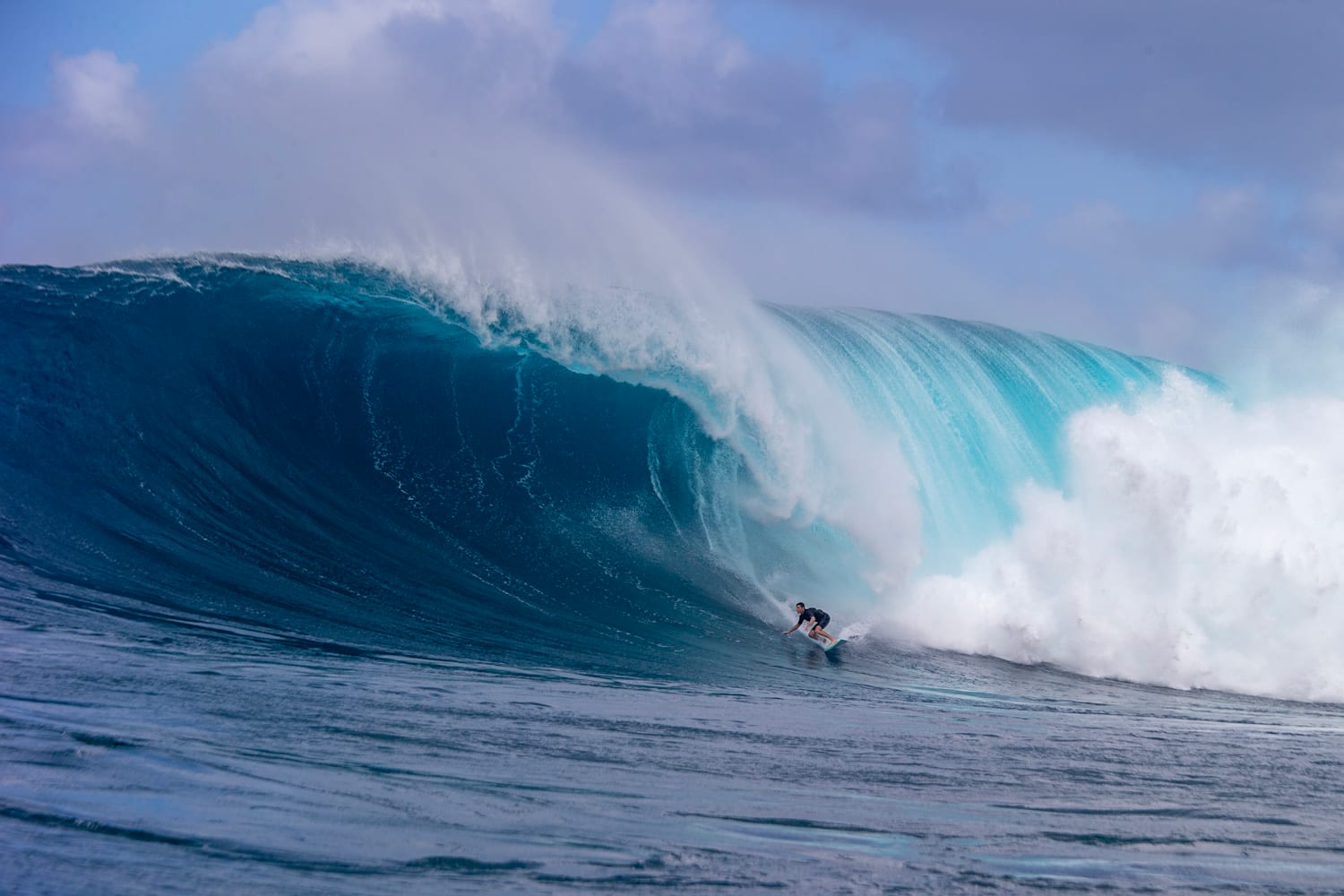
- At low tide, Pipeline is super shallow and dangerous, but barrels are more hollow and powerful.
- At mid tide, the waves are still powerful, but there’s a bit more water over the reef, making it slightly safer.
- At high tide, the wave can lose shape and become less consistent, but it’s better for less experienced surfers.
This shows why knowing the best tide for your spot is essential. Even the pros adjust their session time based on the tide.
Quick Reference: Best Tide For Popular Surf Spots
Here’s a quick look at the best tides for different famous spots:
| Surf Spot | Best Tide |
|---|---|
| Bondi Beach, Australia | Mid to High |
| Uluwatu, Bali | Mid to Low |
| Huntington Beach, USA | Incoming/Mid |
| Pipeline, Hawaii | Mid |
| Côte des Basques, France | Low to Mid |
Practical Tips For Surfing The Right Tide
- Check surf reports and tide charts before heading out.
- Arrive early: Get to the spot at least 30 minutes before the best tide window.
- Watch the waves: Don’t rush in. Spend a few minutes observing.
- Ask locals for advice if you’re new to the spot.
- Be flexible: If the tide isn’t right, check another spot or wait for the next change.

Frequently Asked Questions
What Is The Best Tide For Beginner Surfers?
Beginner surfers usually do best at mid to high tide at beach breaks. The water is deeper, making wipeouts safer and waves less steep.
How Do Tides Affect The Power Of Waves?
Tides change the water depth over sandbars or reefs, which changes the way waves break. Lower tides can make waves steeper and more powerful, but sometimes more dangerous.
Can I Surf At Any Tide?
You can surf at any tide, but not every spot works all the time. Some spots only break at high tide, while others close out at low. Always check the local best tide for your chosen break.
What Is A Neap Tide, And Is It Good For Surfing?
A neap tide has the smallest tidal range. This can mean more gentle, predictable waves, but sometimes less power. For some beginner-friendly spots, neap tides are perfect.
Where Can I Find Accurate Tide Information For Surfing?
You can find reliable tide info on surf forecasting websites, mobile apps, or even local surf shops. A good resource is NOAA’s official tides and currents site.
Surfing the best tide is part science, part art. With practice, you’ll learn to read the ocean like a local and enjoy more rewarding sessions every time you paddle out.