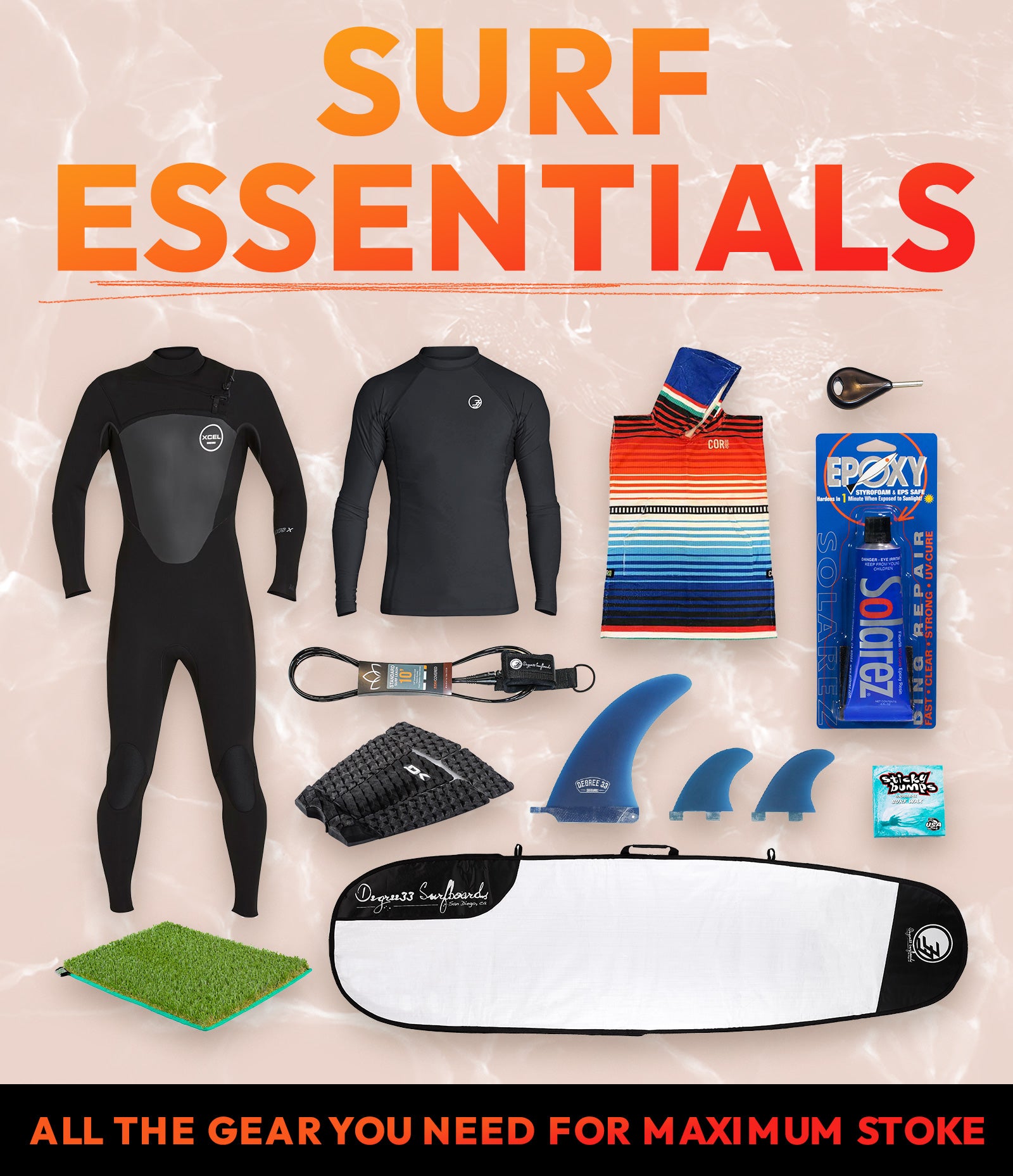
Surfing is one of the world’s most exciting water sports. The feeling of riding waves, connecting with nature, and improving your skills attracts millions to beaches every year. But for beginners, one question comes up quickly: What equipment do you need for surfing? Getting the right gear isn’t just about fun—it’s about safety, comfort, and making progress faster. If you’re planning to start surfing, or want to upgrade your equipment, this guide will help you understand everything you need.
The Essential Surfing Equipment
Surfing isn’t complicated, but each piece of equipment plays a special role. Let’s look at what you need to get started and why each item matters.

Today's Exclusive Deals
Limited-time Exclusive Deals. Check current discount on Amazon.
Check Price on Amazon As an Amazon Associate I earn from qualifying purchases.Surfboard
The surfboard is your main tool. Choosing the right board depends on your skill level, size, and the type of waves you’ll ride.
- Beginners: Use a soft-top longboard (8–9 feet). Soft tops are gentle, safer, and have more stability.
- Intermediate/Advanced: Choose a shorter hardboard (6–7 feet) or special types like fish or funboards.
Surfboard sizes:
| Skill Level | Recommended Length | Board Type |
|---|---|---|
| Beginner | 8–9 ft | Soft-top Longboard |
| Intermediate | 6–8 ft | Funboard/Fish |
| Advanced | 5–7 ft | Shortboard |
Key insight: Many beginners think a smaller board is cooler, but learning is much easier on a bigger board.
Leash
The leash is a cord that attaches your ankle to your surfboard. This prevents your board from drifting away after a wipeout.
- Length: The leash should be as long as your board. For an 8-foot board, use an 8-foot leash.
- Thickness: Thicker leashes are stronger for bigger waves, but thinner ones are lighter.
Common mistake: Some surfers skip the leash, but this is risky for both you and others. Always use one.
Wetsuit
A wetsuit keeps you warm and protects your skin. The right wetsuit depends on water temperature.
- Warm water (above 20°C/68°F): A spring suit or rash guard is enough.
- Cold water (below 20°C/68°F): Use a full wetsuit (3mm–5mm thick).
Wetsuit thickness:
| Water Temperature | Wetsuit Thickness | Suit Type |
|---|---|---|
| Above 22°C (72°F) | 1–2 mm | Shorty/Spring Suit |
| 16–22°C (61–72°F) | 3 mm | Full Suit |
| Below 16°C (61°F) | 4–5 mm | Full Suit with Booties/Gloves |
Tip: If you surf in tropical places, you may only need a rash guard to protect from sunburn.
Wax
Surfboard wax creates grip for your feet. Without wax, your board is slippery.
- Types: Choose wax based on water temperature (cold, cool, warm, tropical).
- Apply wax before every session.
Beginner insight: Some boards have textured decks, but most need wax. Don’t skip this step.
Fins
Fins help control your board’s direction and stability. Most surfboards have removable fins.
- Single fin: Common on longboards, good for stability.
- Thruster (three fins): Most popular, balance of speed and control.
- Quad (four fins): Faster, good for small waves.
Mistake: Beginners often ignore fin setup. Changing fins can make big differences in how your board feels.
Rash Guard
A rash guard is a tight shirt made from quick-dry material. It protects from sun, board rash, and jellyfish.
- Use in warm waters instead of a wetsuit.
- Choose long sleeves for more sun protection.
Data: According to the Skin Cancer Foundation, rash guards can block over 98% of UV rays.
Sunscreen
Surfing means spending hours in the sun. Use reef-safe sunscreen that won’t harm ocean life.
- SPF 30 or higher is best.
- Reapply every 2 hours.
Non-obvious tip: Some sunscreens wash off quickly. Use “sport” formulas that stick better.
Surfboard Bag
A surfboard bag protects your board during travel. Boards can get damaged easily in cars, planes, or even on the beach.
- Types: Soft covers for daily use, hard travel bags for flights.
- Size: Match your board’s length and width.
Common mistake: People carry boards without bags, leading to dents and scratches.
Booties, Gloves, And Hood
If you surf in cold water, you’ll need booties, gloves, and sometimes a hood.
- Booties: Protect feet from rocks and cold.
- Gloves: Keep hands warm.
- Hood: Prevents heat loss from your head.
Example: In places like Ireland or Alaska, these are essential even in summer.
Ear Plugs
Ear plugs prevent surfer’s ear, a condition caused by cold water and wind.
- Use special surf ear plugs that allow sound but block water.
- Not needed in warm climates, but helpful everywhere.
Insight: Most beginners ignore ear plugs, but surfer’s ear can require surgery. Prevention is easy.
Surfboard Repair Kit
A repair kit fixes small dings or cracks. Saltwater can damage boards quickly.
- Includes resin, sandpaper, and patches.
- Use immediately after small damage.
Tip: Carry a mini repair kit if you surf far from shops.
Surf Poncho Or Towel
After surfing, you’ll want to change clothes comfortably. A surf poncho is a large, wearable towel.
- Makes changing easier on busy beaches.
- Keeps you warm after surfing.
Data: Many surf shops report ponchos as one of the most popular accessories.
Surfboard Rack
Storing your board properly prevents damage. A surfboard rack holds your board safely at home or in your car.
- Wall racks: For indoor storage.
- Car racks: For transport.
Common mistake: Leaning boards against walls can cause them to fall and crack.
First Aid Kit
Surfing sometimes leads to cuts, scrapes, or jellyfish stings. Always carry a first aid kit.
- Include bandages, antiseptic, and allergy meds.
- Keep it in your car or backpack.
Tip: You might not need it often, but it’s critical when you do.
Optional Equipment For Surfing
Some items aren’t essential but make surfing easier or more enjoyable.
Surf Helmet
A surf helmet protects your head, especially on rocky reefs or crowded beaches.
- Not common in soft beach breaks.
- More important for advanced surfers.
Example: In places like Pipeline (Hawaii), helmets are recommended.
Gopro Or Action Camera
If you want to record your surf sessions, use a GoPro or similar camera. Special mounts attach to your board.
- Helps analyze your technique.
- Fun for sharing memories.
Data: More than 20% of surfers use action cameras to improve their skills.
Surf Watch
A surf watch tracks tide, wave height, and session length.
- Waterproof and durable.
- Useful for planning your surf times.
Non-obvious insight: Some watches include GPS, showing your exact wave rides.
Surfboard Traction Pad
Some boards use a traction pad instead of wax, especially for shortboards.
- Provides grip for your back foot.
- Easy to install, lasts longer than wax.
Tip: Use both wax and pad for extra grip.
Surf Guidebook
A surf guidebook helps you find the best spots, understand local rules, and learn about hazards.
- Useful for travel.
- Includes maps and surf spot info.
Mistake: Traveling without knowing local spots can lead to missed waves or unsafe conditions.

Comparing Surfboard Types
To help you choose the right board, here’s a quick comparison:
| Board Type | Length | Stability | Speed | For Beginners? |
|---|---|---|---|---|
| Longboard | 8–9 ft | High | Moderate | Yes |
| Funboard | 6–8 ft | Medium | High | Yes |
| Shortboard | 5–7 ft | Low | Very High | No |
| Fish | 5–6.5 ft | Medium | Very High | No |
Advice: Start with a longboard or funboard. Move to shortboards only after you can catch and ride waves easily.
Safety And Maintenance Tips
Surfing is fun, but safety and care make the experience better and longer-lasting.
- Always check your equipment before going out.
- Rinse gear with fresh water after use, especially wetsuits and leashes.
- Store boards out of direct sunlight.
- Check local surf reports for conditions.
- Respect local rules and other surfers.
Non-obvious tip: Saltwater can slowly damage wetsuits and leashes. Rinse them every time, even if you’re tired.
Cost Of Surfing Equipment
Surfing can be affordable or expensive, depending on your choices.
- Beginner board: $200–$400 (soft-top)
- Leash: $20–$40
- Wetsuit: $80–$250
- Wax: $2–$5 per bar
- Rash guard: $25–$50
- Board bag: $40–$120
Example: Getting all basic gear may cost $350–$800 for a beginner.
Data: According to the International Surfing Association, the average surfer spends $600–$1,200 per year on gear and repairs.
Frequently Asked Questions
What Is The Most Important Equipment For Surfing?
The most important equipment is the surfboard. Without it, you cannot surf. For safety, a leash is also critical, as it keeps you connected to your board.
Do I Need A Wetsuit For Surfing In Tropical Countries?
In tropical countries, you often do not need a full wetsuit. A rash guard is usually enough to protect your skin from the sun and board rash. However, some surfers prefer thin wetsuits for extra protection.
How Often Should I Apply Wax To My Surfboard?
You should apply surfboard wax before every surf session. If the board feels slippery during surfing, add more wax. Clean old wax off every few weeks for best grip.
Can I Use Any Sunscreen For Surfing?
Not all sunscreens are good for surfing. Use reef-safe sunscreen that stays on in water and won’t harm marine life. Look for “sport” formulas with SPF 30 or higher.
What Should I Do If My Surfboard Gets Damaged?
If your board gets a small crack or ding, use a repair kit as soon as possible. Clean the area, apply resin or patch, and let it dry. For big damage, visit a surf shop for professional repair.
Surfing is about enjoying the ocean, improving your skills, and staying safe. The right equipment makes a big difference in your experience. Whether you are new or experienced, understanding what you need and why helps you surf with confidence. Take care of your gear, respect the sea, and you’ll enjoy every wave.