Learning to snowboard can feel both exciting and intimidating. You might see people gliding smoothly down snowy slopes, making it look effortless. But when you strap on a snowboard for the first time, you quickly realize: it’s not as easy as it looks. Many beginners wonder, how hard is it to learn snowboarding? The answer depends on several factors: your fitness, attitude, preparation, and even the conditions on the mountain. While some people pick it up quickly, others need more time and patience. This article will break down what makes snowboarding challenging, what helps you succeed, and how you can make your learning journey smoother—whether you’re young, older, fit, or completely new to snow sports.
Why Snowboarding Feels Difficult At First
Most people find the first few days of snowboarding very challenging. The main reason is the unfamiliar movement. Unlike walking, running, or biking, snowboarding requires you to balance sideways, with both feet attached to one board. Your body must learn new muscle memory. Here’s why the early days can be tough:

Today's Exclusive Deals
Limited-time Exclusive Deals. Check current discount on Amazon.
Check Price on Amazon As an Amazon Associate I earn from qualifying purchases.- Balance and Posture: Your weight must shift differently than in most sports. You turn with your shoulders, hips, and knees, not just your feet.
- Falls Are Common: Almost every beginner falls—often and hard. Learning how to fall safely is a skill in itself.
- The Learning Curve: Progress is slow in the beginning. Standing up, controlling speed, and making simple turns can be exhausting.
- Cold and Fatigue: Cold weather, heavy boots, and thick clothing make moving even harder. Tired muscles make mistakes more likely.
But there’s good news: after the first 2-3 days, your body adapts. Suddenly, you find yourself falling less and enjoying more.
How Long Does It Take To Learn Snowboarding?
The time needed to learn snowboarding varies from person to person. But you can use some averages as a guide:
| Level | Time Needed (Hours) | Skills Acquired |
|---|---|---|
| Absolute Beginner | 0-2 | Standing, sliding, first falls |
| Basic Control | 2-8 | Stopping, heel-toe edge, slow turns |
| Confident Beginner | 8-16 | Linking turns, controlling speed |
| Intermediate | 16-40+ | Riding steeper slopes, more control |
Most beginners can link turns and ride gentle slopes within 3-5 days (or about 12-20 hours of practice). By the end of your first week, you’ll likely feel confident on easy runs.
Factors That Affect Your Learning Speed
Several things can make snowboarding easier or harder for you:
- Previous Experience: If you skateboard, surf, or ski, you already have some balance skills.
- Fitness Level: Strong legs, core muscles, and endurance help you recover from falls and ride longer.
- Age: Kids often learn faster because they’re less afraid of falling, but adults can learn well with patience.
- Attitude: A positive mindset and willingness to fall and try again are key.
- Quality of Instruction: A good teacher can speed up your progress.
- Snow Conditions: Soft, fresh snow is easier for beginners than icy or slushy snow.
Common Challenges Beginners Face
Understanding the typical struggles can help you prepare:
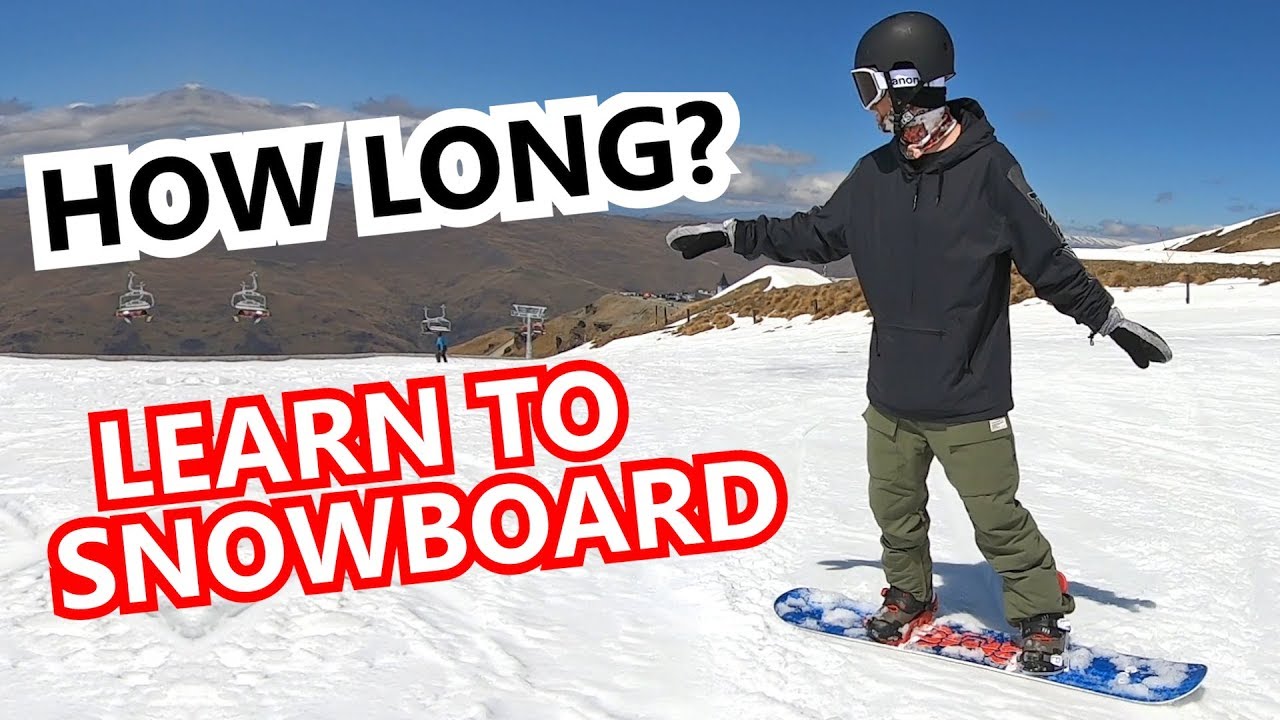
1. Standing Up And Getting Started
Getting up from a sitting or kneeling position—especially on a slope—can be surprisingly hard. Many beginners spend more time on the ground than on their feet in the first hour.
2. Controlling Speed
Going too fast too quickly is scary. Learning to use your board’s edge to slow down safely takes time and practice.
3. Linking Turns
Turning from one edge to another (called “linking turns”) is a big milestone. This skill requires balance, timing, and trust in your board.
4. Managing Fear
Fear of falling or picking up too much speed can stop beginners from trying new moves. Staying relaxed and calm is essential.
5. Fatigue And Soreness
Snowboarding uses muscles you might not use much in daily life. Expect sore calves, thighs, and even wrists.
How Snowboarding Compares To Skiing
Many people ask whether snowboarding is harder to learn than skiing. Here’s a side-by-side look:
| Aspect | Snowboarding | Skiing |
|---|---|---|
| Initial Learning | Harder at first | Easier at first |
| First 3 Days | Many falls, slow progress | Can move on flat ground, fewer falls |
| Intermediate Progression | Gets much easier after basics | Progress can slow down after basics |
| Advanced Skills | Turning, tricks, off-piste easier to learn | Steep, icy runs easier |
Key insight: Many people find skiing easier to start, but snowboarding can become easier to advance once you get past the tough beginning.
What Helps You Learn Faster
Some actions can make your learning smoother and more fun:
Take A Lesson
A qualified instructor teaches you the correct techniques, helps you avoid bad habits, and gives useful feedback. Even a single two-hour lesson can make a big difference.
Wear The Right Gear
Proper clothing keeps you warm and dry. A helmet, wrist guards, and padded shorts can protect you from injuries. Rental shops offer beginner-friendly boards and boots, which are softer and easier to control.
Start On Easy Slopes
Begin on the gentlest slope (often called the “bunny hill”). Steep slopes are dangerous for beginners.
Practice Getting Up
Spend time practicing how to stand up from sitting and kneeling. This builds confidence and saves energy on the mountain.
Focus On Fundamentals
Work on stopping, balancing, and controlling your speed before trying turns or tricks. Mastering these basics prevents frustration.
Learn How To Fall Safely
Try to fall on your forearms or bottom, not your wrists. Roll with the fall instead of resisting it. Wrist injuries are common among beginners.
Take Breaks
Don’t push through fatigue. Tired muscles lead to mistakes and more falls.
Watch And Learn
Observe other beginners and experienced riders. Notice their posture, how they move, and how they control their boards.
Set Small Goals
Focus on one skill at a time, like standing up or making a single turn. Celebrate small wins to keep your motivation high.
Common Beginner Mistakes (and How To Avoid Them)
Knowing what to avoid is just as important as knowing what to do right:
- Leaning Back: Many beginners lean back in fear, which makes controlling the board harder. Stay centered over your board.
- Looking Down: Looking at your feet or the snow causes imbalance. Keep your eyes forward and look where you want to go.
- Straight Legs: Locked knees reduce control and increase risk of falling. Keep your knees slightly bent.
- Ignoring Lessons: Trying to teach yourself often leads to bad habits. Even a short lesson pays off.
- Skipping Warm-Ups: Cold muscles are more likely to get injured. Stretch before you ride.
- Wearing the Wrong Gear: Clothes that are too tight, boots that don’t fit, or boards that are too stiff make learning harder and less safe.

Is Snowboarding Harder For Adults?
Adults often find snowboarding more difficult at first compared to kids or teenagers. There are a few reasons:
- Fear of Falling: Adults worry more about injury, making them tense or hesitant.
- Less Flexible: Adult bodies are less flexible, so falls can hurt more.
- Higher Center of Gravity: Adults are taller, which can make balance trickier.
But adults also have advantages: more patience, better focus, and sometimes greater motivation. With the right mindset and preparation, adults can learn just as well as kids.
Tips For Older Or Less Fit Learners
If you’re not in top shape or you’re learning later in life, don’t worry. Many people start snowboarding in their 30s, 40s, or even 60s. Here’s how to make it easier:
- Go at Your Own Pace: Rest often and don’t compare your progress to others.
- Choose Softer Snow Days: Fresh powder cushions falls and is easier on joints.
- Use Protective Gear: Padded shorts, knee pads, and wrist guards can prevent injuries.
- Strengthen Your Core: Gentle core exercises before your trip can improve balance.
- Focus on Enjoyment: Don’t worry about speed or tricks—focus on fun and progress.
Real-world Examples And Insights
It’s easy to feel discouraged when you fall again and again. But many snowboarders remember their first days as the hardest. For example, a 28-year-old beginner shared: “I fell so many times on my first day, I almost gave up. But by the third day, I could ride down the beginner slope without falling.”
A study by the National Ski Areas Association found that most new snowboarders see major improvement by their third or fourth day. The key is not talent, but persistence and a willingness to keep trying. Another non-obvious tip: practicing balance at home (on a balance board or even just standing on one foot) can make your first day much easier.
How Weather And Conditions Affect Learning
Conditions on the mountain can make snowboarding much easier—or much harder:
| Condition | Effect on Learning |
|---|---|
| Fresh Powder | Softer falls, easier for beginners |
| Icy Slopes | Harder to control, more painful falls |
| Slushy Snow | Slower, but can be tiring to ride |
| Flat Light (Cloudy) | Harder to see bumps, more risk of falls |
| Sunny Days | Better visibility, often more enjoyable |
If possible, try to schedule your first lessons on days with soft, fresh snow and good visibility.
Can You Learn Snowboarding On Your Own?
While it’s possible to teach yourself, most people progress faster with lessons. Instructors correct your mistakes, help you avoid injuries, and boost your confidence. If you do choose to learn alone, watch videos from trusted sources, go slowly, and focus on safety.
Final Thoughts: Is Snowboarding Worth The Effort?
Snowboarding is definitely hard at first. You’ll fall, feel sore, and maybe get frustrated. But after those first tough days, most people find the experience extremely rewarding. The freedom, fun, and sense of achievement are worth the initial challenge. Remember, everyone learns at their own pace.
The key is patience, preparation, and a positive attitude.
If you want to see more statistics and research about learning snow sports, visit the Wikipedia page for snowboarding.
Frequently Asked Questions
How Many Days Does It Take To Learn Snowboarding?
Most people can ride down easy slopes and link basic turns after 3 to 5 days of practice. True confidence may take a week or more, but you’ll see big progress in your first few days.
Is Snowboarding Harder To Learn Than Skiing?
For most beginners, snowboarding feels harder at first but gets easier after the basics. Skiing is easier to start but can become more complex at higher levels.
Am I Too Old To Learn Snowboarding?
You are never too old to learn. Many people start snowboarding in their 30s, 40s, or later. Progress may be slower, but with patience and the right preparation, adults can succeed.
Will I Get Hurt While Learning To Snowboard?
Falls are common, but serious injuries are rare if you use proper gear (like helmets and wrist guards) and take lessons. Most injuries are minor bruises or soreness.
What Should I Wear For My First Snowboarding Lesson?
Wear warm, waterproof clothing, gloves, a helmet, and wrist guards. Renting beginner-friendly boots and boards is a good idea. Avoid cotton, as it gets wet easily and makes you cold.
Snowboarding is challenging at first, but with the right mindset and preparation, you’ll be amazed at how quickly you improve—and how much fun you’ll have along the way.