Snowboarding is a thrilling sport that combines speed, balance, and creativity. Many people want to improve their snowboarding skills quickly, but often feel stuck or frustrated with slow progress. If you want to ride better, learn tricks, and feel confident on any slope, it helps to use proven strategies.
Whether you are a beginner or an intermediate rider, understanding how to progress efficiently saves time, reduces risk, and makes snowboarding much more fun.
This guide shares practical methods, expert tips, and useful insights to help you improve your snowboarding skills fast. From body position and board control to mental preparation and off-snow training, you will learn what really works. By the end, you will know how to train smarter, avoid common mistakes, and reach your goals on the mountain.
Master The Basics First
Some riders try to jump into advanced tricks too soon. But if you want to progress quickly, mastering the basics is essential. Solid fundamentals make every new skill easier and safer.
Start by focusing on your stance. Your feet should be centered on the board, knees bent, and shoulders relaxed. Practice gliding and stopping on gentle slopes until you feel balanced. Many advanced snowboarders spend time warming up with simple exercises like heel-edge and toe-edge slides. This builds muscle memory and keeps your movements smooth.
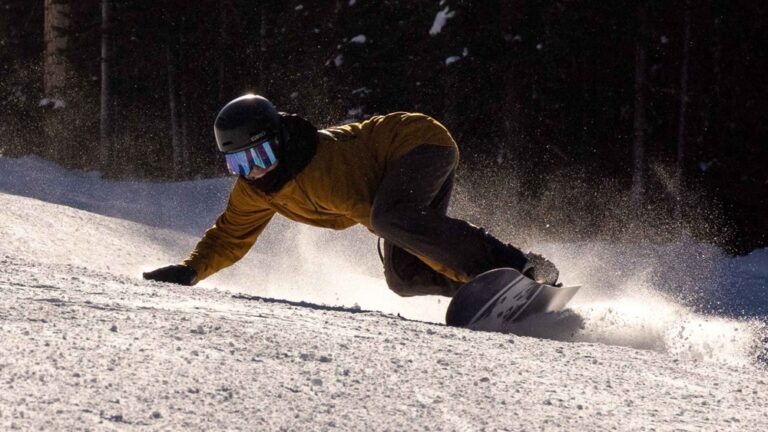
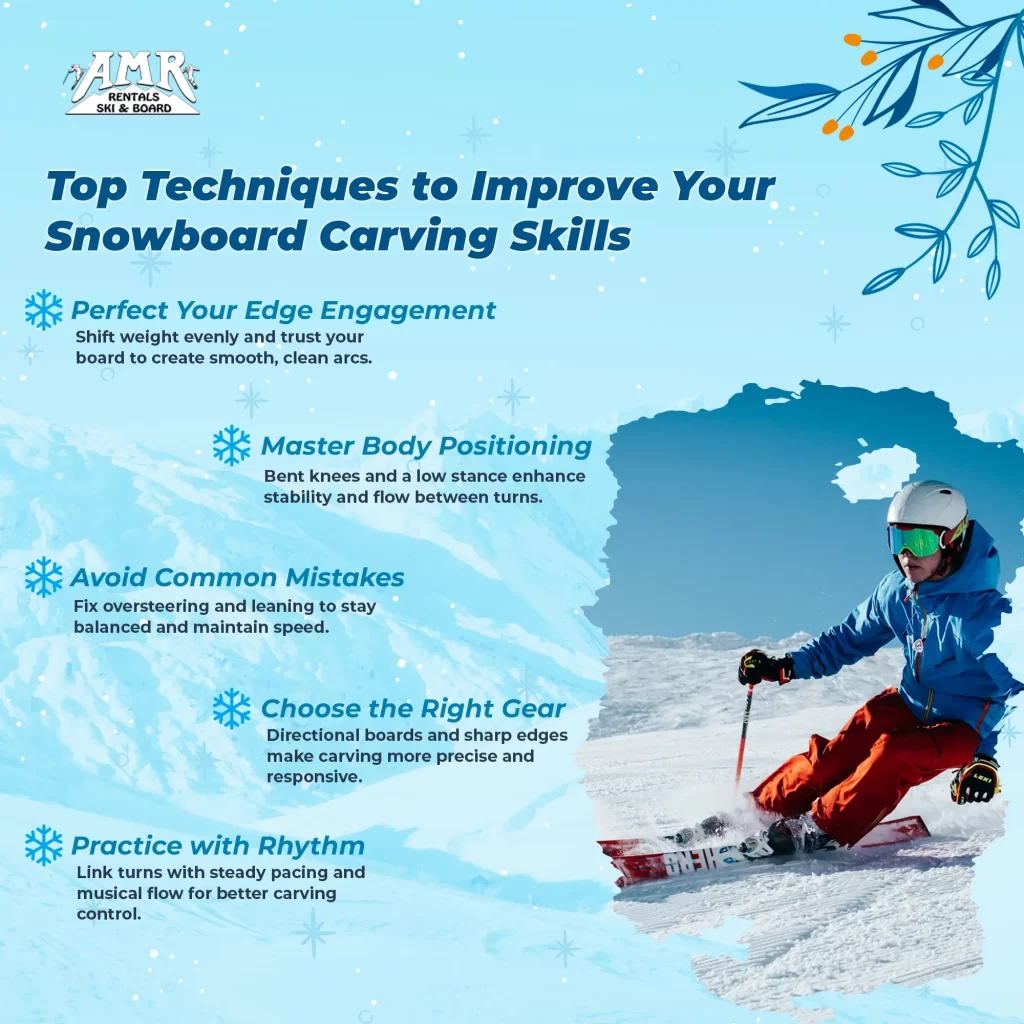
Turning is another basic skill that needs attention. Learn to shift your weight gradually from heel to toe, and use your hips to guide the board. Smooth, controlled turns help you handle steeper terrain later. If you can carve clean turns at low speed, you’ll find it much easier to control your board at higher speed.
Get Professional Lessons
Learning from a certified instructor can speed up your progress dramatically. Instructors spot bad habits early and teach techniques that are hard to learn on your own.
Professional lessons are especially valuable for beginners and intermediates. Instructors break down complex movements, give instant feedback, and adjust exercises to your skill level. Even one or two lessons can make a big difference.
If you can, take a video lesson. Watching your own riding helps you see mistakes you don’t feel while riding. Many resorts offer group and private sessions, so choose what fits your budget and learning style.

Practice Specific Drills
Repeating the right drills builds confidence and skill faster than random riding. Focused drills develop muscle memory and improve your technique.
Here are some effective drills:
- J-turns: Practice turning uphill on one edge to stop. This helps control speed and improves edge awareness.
- Falling leaf: Slide down the hill on one edge, shifting your weight left and right. This builds edge control and balance.
- Flatland 180s: On flat snow, try spinning your board 180 degrees. This improves rotation skills and board control.
- One-foot riding: Ride with only your front foot strapped in (like getting off a lift). This improves your balance and board feel.
Drill practice should be short (10–15 minutes each session), but consistent. Focus on quality, not quantity.
Analyze Your Riding
Many snowboarders plateau because they don’t notice what needs improvement. Analysis helps you target weak points and measure progress.
Use your phone or a camera to record short videos. Watch your body position, arm movement, and turns. Compare your riding to tutorials or professional snowboarders. Are your knees bent enough? Are you twisting your upper body too much? Small adjustments can have a big effect.
If possible, ask a friend or instructor for feedback. Sometimes, a simple tip can unlock a new skill.
Increase Your Fitness
Snowboarding is physically demanding. Riders with better fitness progress faster and have more fun.
Focus on exercises that build leg strength, core stability, and balance. Squats, lunges, planks, and balance boards are all useful. Flexibility is also important—tight muscles limit your movement and increase injury risk.
Try to train at least 2–3 times per week, even off the snow. Just 20–30 minutes of focused exercise can improve your stamina and riding technique.
Here’s a comparison of exercises and the skills they help most:
| Exercise | Main Benefit | Snowboarding Skill Improved |
|---|---|---|
| Squats | Leg strength | Turns, jumps |
| Planks | Core stability | Balance, carving |
| Balance board | Coordination | Edge control |
| Stretching | Flexibility | Injury prevention |
Ride Different Terrain
Sticking to the same run every day slows your progress. Riding different slopes, snow conditions, and features challenges your skills and builds confidence.
Try these variations:
- Groomed runs: Practice carving and speed control.
- Powder: Learn weight shifts and how to float your board.
- Moguls (bumps): Improve quick turns and leg absorption.
- Parks: Start with simple boxes and small jumps for board control.
You don’t need to master every terrain at once. But exploring different areas helps you adapt quickly and makes you a more complete rider.
Set Clear Goals
Snowboarding progress is faster when you know exactly what you want to achieve. Vague goals like “get better” don’t help you focus.
Set specific, realistic goals. For example:
- Link 10 turns without falling
- Ride a blue run with control
- Land a basic 180 jump
Write your goals down and review them before each session. After riding, reflect on what went well and what you want to improve next time.
Learn Basic Tricks
Tricks are not just for freestyle snowboarders. Simple tricks improve your board control, balance, and confidence—even if you don’t want to ride the park.
Start with basic tricks like ollies (jumping with your board), butters (pressing the nose or tail while riding), and switch riding (riding with your opposite foot forward). These tricks teach you to move your body and board in new ways.
Try practicing on gentle slopes or flat areas before taking tricks to steeper terrain. Progress slowly, and celebrate small wins.
Understand Snow Conditions
Many riders don’t realize how much snow conditions affect their performance. Knowing how to adapt can help you progress faster and stay safe.
Here’s a table showing common snow conditions and tips for each:
| Snow Condition | What to Expect | How to Adapt |
|---|---|---|
| Powder | Deep, soft snow | Lean back, keep speed up |
| Ice | Hard, slippery surface | Stay low, use sharp edges |
| Slush | Wet, heavy snow | Stay light on your feet, keep turns smooth |
| Groomed | Smooth, packed snow | Practice carving, higher speeds |
Adjust your riding style and expectations depending on the conditions. For example, don’t try new tricks on ice or in poor visibility.
Ride With Better Snowboarders
One of the fastest ways to improve is to ride with people who are better than you. Watching their technique, speed, and line choices helps you learn new skills and see what’s possible.
Ask questions, follow their tracks, and try to mimic their movements. Most experienced riders are happy to share tips or let you follow them for a run or two.
However, don’t push yourself too far outside your comfort zone. Safety always comes first.
Use The Right Equipment
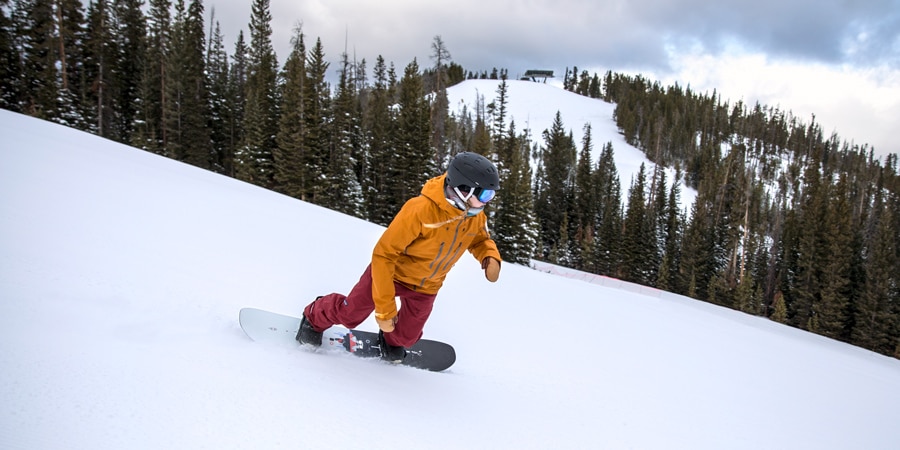
Equipment matters more than many beginners think. The right snowboard, boots, and bindings can make learning much easier.
Choose a snowboard that matches your height, weight, and skill level. A board that’s too stiff, long, or advanced can make turning and control harder. Soft, forgiving boards are better for beginners and freestyle tricks.
Boots should fit snugly but not painfully. Loose boots make it hard to control your board. Bindings should be set up for your stance and riding style.
If you’re unsure, ask a shop expert or instructor for advice. Renting different setups can help you find what works best before you buy.
Study Snowboarding Videos
Watching high-quality videos is a powerful way to learn. Slow-motion clips and tutorials show the details of body movement, timing, and technique.
Focus on videos that match your current level. Don’t just watch pro tricks—look for breakdowns of basic turns, stops, and beginner tricks. Try to visualize yourself doing the movement before you try it on the snow.
For trusted tips and video tutorials, check out resources from the ABC of Snowboarding.
Practice Mental Preparation
Confidence and focus are just as important as physical skill. Many riders plateau because they get nervous or overthink.
Before each run, visualize what you want to do. Take a deep breath, relax your body, and repeat a simple cue, like “knees bent” or “look ahead. ” This helps calm nerves and improves performance.
If you fall or get frustrated, pause and reset. A positive mindset is key for fast improvement.
Avoid Common Mistakes
Some errors slow progress for many snowboarders. Here are two that beginners often miss:
- Looking down at your board: This ruins your balance and makes turns harder. Look ahead, not at your feet.
- Stiff legs: Locked knees make it impossible to absorb bumps and control turns. Stay relaxed and bend your knees.
Other mistakes include using the wrong edge, leaning too far back, or rushing into tricks. Take time to correct these habits early.
Track Your Progress
Improvement feels faster when you track your results. Use a simple notebook or an app to write down what you practiced, what went well, and what you want to try next.
Some apps let you record runs, speed, and even video. Reviewing your progress keeps you motivated and helps you focus your practice.
Take Breaks And Stay Safe
Snowboarding is demanding, and fatigue causes mistakes. Take short breaks every hour to rest, hydrate, and check your gear. Listen to your body—injuries happen when you push too hard.
Always ride with a helmet and follow resort rules. If you feel pain, stop immediately and get help if needed.
Frequently Asked Questions
How Long Does It Take To Improve At Snowboarding?
Most beginners can ride basic slopes after 2–3 days of practice. To link smooth turns and handle intermediate runs, it usually takes 5–10 days. Progress depends on your fitness, practice frequency, and if you take lessons. Regular, focused practice speeds up improvement.
What Is The Fastest Way To Learn Snowboarding?
The fastest way is to take lessons from a certified instructor, practice specific drills, and ride often. Focus on the basics, record your riding, and work on your fitness off the snow. Learning from mistakes and setting clear goals helps you improve quickly.
Do I Need Special Equipment To Progress Faster?
Having a snowboard and boots that fit your size and skill level makes a big difference. Beginners should use soft, forgiving boards. Well-fitted boots help control the board better. You don’t need expensive gear, but proper equipment improves safety and learning speed.
Should I Learn Tricks Or Focus On Basics First?
Focus on basics first—like turning, stopping, and balance—before trying tricks. Once you’re comfortable on easy slopes, add simple tricks like ollies or switch riding. Basics make tricks easier and safer to learn.
How Can I Avoid Injuries While Learning?
Warm up before riding, stay relaxed, and use proper technique. Wear a helmet and wrist guards. Take breaks when you feel tired, and avoid pushing yourself too hard on difficult runs or in poor conditions. Learning to fall safely also helps prevent injuries.
Improving your snowboarding skills fast is possible with the right approach. Master the basics, train with purpose, and stay positive. Each day on the mountain is a new chance to learn and enjoy the ride.
