
When you think about skiing, you might picture snowy mountains, fast slopes, and people enjoying winter fun. But before you can ski at most resorts, you need something important: a ski pass. This little card or ticket gives you access to the lifts, trails, and sometimes even more. But what exactly is a ski pass, how does it work, and what should you know before buying one? Let’s explore the world of ski passes so you can make smart choices for your next trip.
What Is A Ski Pass?
A ski pass is a ticket or card that lets you use the ski lifts at a mountain or ski resort. Without a ski pass, you usually can’t access the slopes, except in rare cases where some trails are free. Ski passes are often electronic, with a chip inside that you scan at the lift entrance. Some are paper tickets or wristbands, but most modern resorts use cards for easy access.

Today's Exclusive Deals
Limited-time Exclusive Deals. Check current discount on Amazon.
Check Price on Amazon As an Amazon Associate I earn from qualifying purchases.The main purpose is simple: the ski pass controls who can use the lifts and ski on the mountain. It helps resorts manage how many people are on the slopes, keeps the lifts running smoothly, and supports mountain maintenance.
Types Of Ski Passes
Different ski passes suit different needs. Choosing the right one depends on how often you ski, where you plan to go, and your budget.
1. Day Pass
A day pass gives you lift access for one full day. It’s perfect for occasional skiers or first-timers. You buy it at the resort, online, or sometimes at local shops. Prices change based on the season, with weekends and holidays costing more.
2. Multi-day Pass
A multi-day pass covers several days, usually consecutive. For example, a three-day pass lets you ski for three days in a row. This is good for weekend trips or short vacations, and it’s often cheaper per day than buying single day passes.
3. Season Pass
A season pass is for serious skiers. It gives you unlimited access for the whole ski season, which usually lasts from November to April. If you ski often, a season pass can save money. Some resorts offer early-bird discounts if you buy before the season starts.
4. Half-day Pass
A half-day pass is cheaper and starts either in the morning or afternoon. This is ideal if you only want a few hours on the slopes or have other activities planned.
5. Night Ski Pass
Some resorts offer night ski passes for evening skiing. You get access to lifts and trails that are open after dark, often with special lighting. Night passes are usually cheaper and less crowded.
6. Beginner Pass
A beginner pass allows access only to beginner lifts and slopes. It costs less and is good if you’re learning or want to practice on gentle terrain.
7. Family Pass
A family pass bundles passes for parents and children. It’s a way to save money and keep everyone together. Some resorts allow flexible use so different family members can ski at different times.
8. Group Pass
For friends, clubs, or schools, a group pass offers discounts for larger groups. Usually, you need at least 10 people to qualify.
9. Regional Pass
A regional pass covers several resorts in one area. For example, the Alps have passes that let you ski at many mountains with one card. This is great for exploring and saves hassle.
10. All-mountain Pass
An all-mountain pass gives access to every lift and trail at a resort. Sometimes, resorts have extra “premium” terrain that costs more, so check what’s included.
11. Corporate Pass
Some companies buy corporate passes for employees or clients. These are often transferable, so different people can use the same pass on different days.
12. Resort Chain Pass
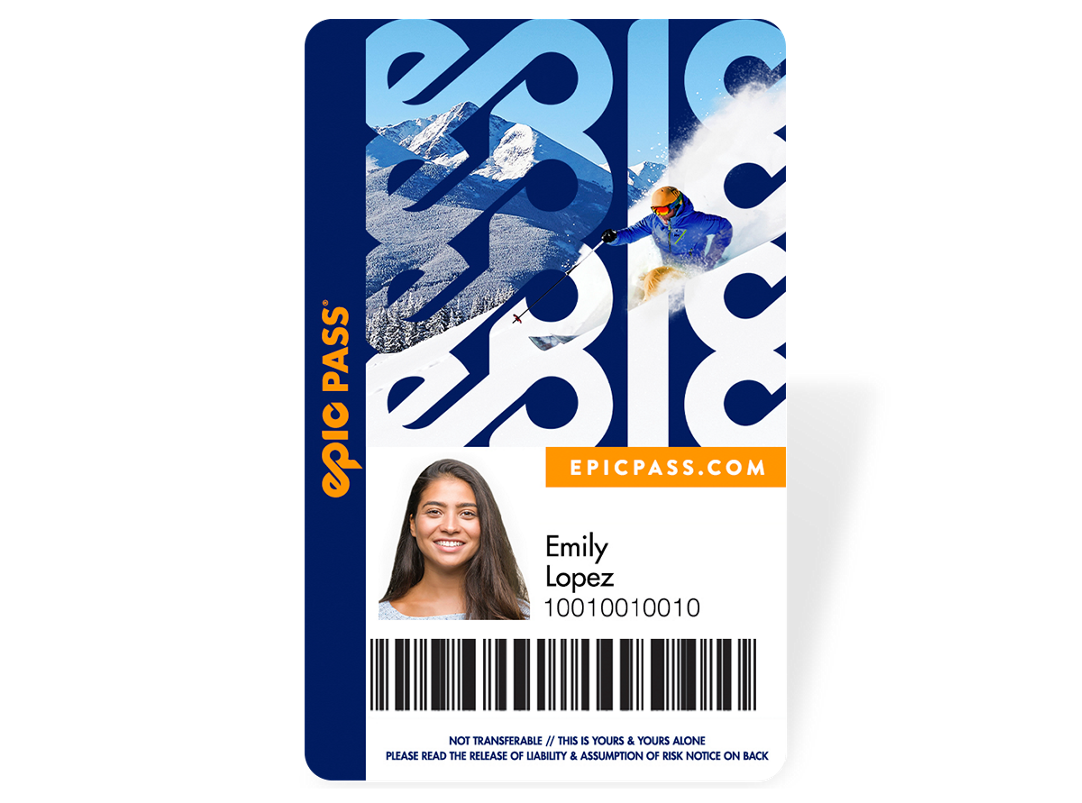
Large ski companies sell chain passes that cover multiple resorts across regions or countries. Examples include the Epic Pass and Ikon Pass in North America. These passes are popular with travelers.
13. Lifetime Pass
A lifetime pass is rare and expensive. It gives the holder unlimited skiing for life. Sometimes, resorts offer them in charity auctions or as rewards.

How Ski Passes Work
Most ski passes today are digital cards with RFID chips. You keep the card in your pocket, and scanners at the lift entrance read it automatically. In some places, you still get paper tickets or wristbands.
When you buy a ski pass, you often need to show ID, especially for discounted passes. Some passes are non-transferable, meaning only you can use them. Others, like group or corporate passes, allow sharing.
If you lose your pass, resorts can usually issue a replacement for a small fee. But if someone else uses your pass, you might face fines or lose skiing privileges.
What Does A Ski Pass Include?
A ski pass mainly gives you lift access, but some passes offer extra benefits. Here are common features:
- Lift Access: Unlimited or limited rides depending on your pass type.
- Trail Access: Entry to slopes, sometimes including special terrain parks.
- Discounts: Reduced prices at resort shops or restaurants.
- Lessons: Some beginner passes include free or discounted ski lessons.
- Events: Entry to resort events like races or festivals.
- Parking: Free or discounted parking in some cases.
Always check what your pass includes. Not all passes offer the same extras.
Ski Pass Prices And Value
Prices for ski passes vary widely. Here’s a quick look at typical costs:
| Pass Type | Average Price (USD) | Best For |
|---|---|---|
| Day Pass | $50-$200 | Occasional skiers |
| Multi-Day Pass | $120-$500 | Short trips |
| Season Pass | $400-$2,000 | Frequent skiers |
| Regional Pass | $700-$2,500 | Travelers |
| Chain Pass | $800-$1,500 | Multi-resort access |
Prices depend on the resort, location, season, and special offers. For example, resorts in Colorado and Switzerland cost more than smaller local hills. Holidays and weekends are pricier.
To get the best value, compare:
- Price per day: Divide total cost by days you plan to ski.
- Included benefits: Check for discounts, lessons, or extra perks.
- Access limits: Some passes block popular dates (“blackout days”).
Many beginners miss the fact that buying passes early can save big money. Resorts offer “early bird” deals or discounts for buying before the ski season starts.
How To Choose The Right Ski Pass
Picking the best ski pass depends on your plans. Here’s a practical approach:
- Estimate days on the mountain: If you ski only once or twice, a day pass works. More days mean a season or multi-day pass may be cheaper.
- Check resort options: Will you ski at one place or travel to many? Regional and chain passes are best for travelers.
- Review group/family deals: Families and friends can save with bundled passes.
- Look at blackout dates: Some cheap passes block holidays and weekends.
- Consider your skill level: Beginners can save with limited-access passes.
- Read the fine print: Some passes are non-refundable or non-transferable.
Here’s a comparison of pass types for different ski plans:
| Ski Plan | Recommended Pass | Why |
|---|---|---|
| One Day Only | Day Pass | Simple, pay only for what you use |
| Weekend Trip | Multi-Day Pass | Cheaper per day, easy for short trips |
| All Season | Season Pass | Best value for frequent skiing |
| Family Vacation | Family Pass | Bundled savings, flexible use |
| Travel Across Resorts | Chain/Regional Pass | One card for multiple places |
Common Mistakes When Buying Ski Passes
Many beginners make costly mistakes. Here are some to avoid:
- Buying at the last minute: Prices are higher on-site. Buy online and early.
- Ignoring blackout dates: Cheap passes may block popular days.
- Not checking pass limits: Some passes limit which lifts or trails you can use.
- Skipping group deals: Groups and families often get discounts.
- Assuming all resorts accept the same pass: Each resort has its own system.
A less obvious mistake is forgetting to register your pass online. If you lose it, registration helps you get a replacement faster.
Where To Buy Ski Passes
You can buy ski passes in several ways:
- Resort website: The safest and most direct method. Check for special offers.
- Third-party sites: Sometimes have deals but watch for hidden fees.
- Local shops: In ski towns, some shops sell passes. Useful if you want to ask questions.
- Travel agencies: Bundled with hotel or transport packages.
Always check the resort’s official site for up-to-date information. For example, the Wikipedia Ski Pass page explains how ski passes have evolved.
Ski Pass Technology And Security
Modern ski passes use RFID chips for easy scanning. This speeds up lift lines and reduces fraud. Some passes are linked to your photo and ID for extra security.
In some resorts, your ski pass connects to an app. You can track your skiing stats, check weather updates, or find your friends on the mountain.
Security tips:
- Keep your pass in a safe pocket, away from phones (RFID signals can clash).
- Register your pass online if possible.
- Report lost passes quickly.
Ski Passes Vs. Lift Tickets
Some people use “ski pass” and “lift ticket” as the same thing, but there are differences.
| Feature | Ski Pass | Lift Ticket |
|---|---|---|
| Duration | Season, multi-day, or day | Usually single day |
| Extras | Discounts, lessons, events | Lift access only |
| Technology | RFID card, app | Paper ticket, simple card |
| Transferability | Some passes can be shared | Usually non-transferable |
Knowing the difference helps you pick what fits your trip.
Ski Pass Statistics And Trends
Ski passes are big business. In the US alone, over 60 million skier visits happen each year. Season passes are growing fast—over 40% of visitors now use them, compared to just 20% a decade ago. Passes like the Epic and Ikon have changed how people ski, letting more travelers explore multiple resorts.
Europe has a mix of regional and local passes, with some areas seeing as many as 10 million visits per year. Online sales now account for over 75% of ski pass purchases, showing how technology has changed skiing.
Practical Tips For Ski Pass Holders
To get the most from your ski pass:
- Buy early for the best price.
- Register your pass online.
- Check weather and lift opening times.
- Bring your ID to the resort.
- Read pass rules—some are strict about sharing or refunds.
- Keep your pass away from magnets and phones.
An overlooked tip: if you have a chain or regional pass, check for “partner” resorts. Some passes include hidden benefits, like free days at other mountains.

Frequently Asked Questions
What Happens If I Lose My Ski Pass?
If you lose your ski pass, report it at the resort desk right away. Most resorts can issue a replacement for a small fee, especially if your pass is registered. You’ll need ID to get a new card.
Are Ski Passes Refundable?
Most ski passes are non-refundable, especially after use. Some resorts offer refund protection for illness or injury if you buy extra insurance. Always check the refund policy before purchase.
Can I Share My Ski Pass With Someone Else?
Most ski passes are non-transferable. Sharing is not allowed and can lead to fines or loss of skiing privileges. Some corporate or group passes are meant for sharing—read the rules carefully.
Do Ski Passes Include Equipment Rental?
Usually, ski passes only cover lift and trail access. Equipment rental is a separate cost. Some beginner passes or packages may include rentals—ask the resort for details.
How Early Should I Buy A Ski Pass?
The best time to buy is during pre-season sales (usually late summer or fall). Early buyers often get the lowest prices and extra perks. Waiting until arrival can mean higher costs and less choice.
Getting a ski pass is your key to a great skiing experience. Whether you’re a first-timer or a seasoned skier, knowing how passes work, what types exist, and how to choose will help you make the most of your trip.
With these insights, you can ski smarter, save money, and enjoy the mountain safely.

