
Are you struggling with diabetes and wondering if losing weight could change everything? What if the key to managing—or even reversing—your diabetes lies in shedding those extra pounds?
This isn’t just hopeful thinking; many people have seen real results by taking control of their weight. You’ll discover how weight loss can impact your diabetes and what steps you can take right now to improve your health. Keep reading to find out how your efforts today could transform your tomorrow.

Today's Exclusive Deals
Limited-time Exclusive Deals. Check current discount on Amazon.
Check Price on Amazon As an Amazon Associate I earn from qualifying purchases.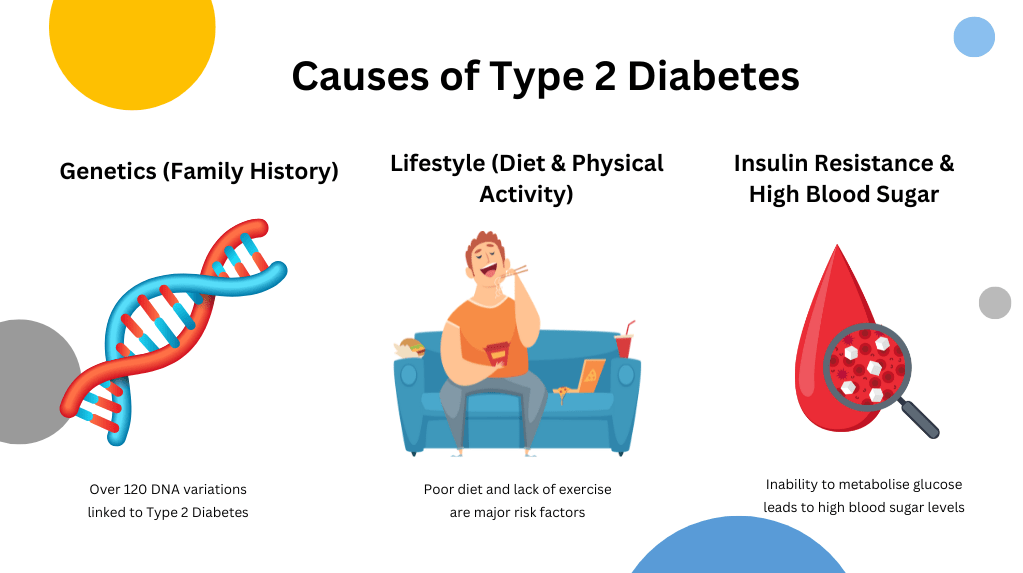
Link Between Weight And Diabetes
Weight plays a big role in diabetes. Many people with type 2 diabetes have extra weight. This extra weight can make it harder for the body to control blood sugar. Understanding how weight affects diabetes helps in managing or even reversing the condition.
Not all weight is the same. Where fat sits on the body changes how diabetes develops. This makes the link between weight and diabetes more complex. Let’s explore how weight impacts blood sugar and the role of fat distribution.
How Excess Weight Affects Blood Sugar
Carrying extra weight can cause insulin resistance. Insulin is a hormone that helps sugar enter cells for energy. With resistance, cells do not respond well to insulin. This causes sugar to build up in the blood. High blood sugar is the main problem in diabetes.
Fat cells release substances that harm insulin action. This leads to more insulin resistance. The body tries to make more insulin to keep sugar normal. Over time, the pancreas may struggle and insulin drops. This cycle raises the risk of type 2 diabetes.
Role Of Fat Distribution In Diabetes
Fat around the belly is more harmful than fat in other areas. This belly fat, called visceral fat, affects organs and hormone balance. It raises inflammation and insulin resistance. People with more belly fat have a higher risk of diabetes.
Fat under the skin, like in hips and thighs, is less risky. This fat type does not cause much insulin resistance. Measuring waist size helps understand diabetes risk better than weight alone. Managing belly fat can improve blood sugar control and reduce diabetes risk.
Evidence Supporting Weight Loss Benefits
Weight loss plays a key role in managing and even reversing type 2 diabetes. Many studies show that losing weight can improve blood sugar levels. This helps reduce the need for diabetes medications. The evidence is strong and growing.
Understanding this evidence helps people with diabetes make informed choices. It also guides healthcare providers in treatment plans. The benefits of weight loss go beyond just lowering numbers on a test.
Clinical Studies On Diabetes Remission
Several clinical studies prove that weight loss can lead to diabetes remission. One major study found that losing 10-15% of body weight helped many participants stop diabetes medicine. Their blood sugar stayed normal for months or years. Doctors call this remission.
Another study used low-calorie diets to help patients shed pounds quickly. Many achieved normal blood sugar levels without drugs. These studies show that weight loss targets can reverse diabetes in many cases.
Success Stories And Case Studies
Real-life stories also support the benefits of weight loss. Many people share how changing their diet and losing weight helped them control diabetes. Some no longer need insulin or other medications.
Case studies in clinics highlight individual experiences. These stories inspire others to try weight loss for better health. They prove that reversing diabetes is possible for many people.
Effective Weight Loss Strategies
Effective weight loss strategies play a key role in managing and potentially reversing diabetes. Losing weight can help lower blood sugar levels and improve insulin sensitivity. It requires a balanced approach with diet, exercise, and behavior changes. Simple steps can lead to lasting health benefits.
Diet Plans That Help Control Diabetes
Choosing the right diet is crucial for weight loss and diabetes control. Focus on whole foods like vegetables, fruits, and lean proteins. Avoid sugary drinks and processed snacks. Eating smaller, frequent meals helps keep blood sugar steady. Portion control supports steady weight loss and better glucose levels.
Exercise Routines For Better Blood Sugar
Regular exercise helps burn calories and improves insulin use. Aim for at least 30 minutes of moderate activity most days. Walking, cycling, and swimming are good options. Strength training builds muscle, which can lower blood sugar. Exercise also boosts mood and energy, supporting consistent weight loss.
Behavioral Changes For Sustainable Results
Changing habits is essential for long-term success. Set realistic goals and track your progress. Manage stress with deep breathing or meditation. Get enough sleep to help regulate hunger hormones. Find support from friends, family, or groups to stay motivated. Small, steady changes add up over time.

Medical Interventions And Weight Loss
Medical interventions play a key role in managing diabetes and weight loss. These treatments can help control blood sugar levels and reduce body weight. Many people with diabetes find it hard to lose weight through diet and exercise alone. Medical options offer extra support and can sometimes reverse diabetes symptoms.
Doctors use different approaches depending on the patient’s health and needs. Some treatments focus on surgery, while others use medications. Both methods aim to improve the body’s ability to regulate blood sugar and reduce the risks linked to diabetes.
Bariatric Surgery Outcomes
Bariatric surgery helps people lose weight by changing the stomach or intestines. This surgery often leads to significant weight loss. Many patients see a drop in blood sugar levels soon after surgery. Some even reach normal blood sugar without medications.
The surgery can improve insulin sensitivity and reduce insulin resistance. These effects help the body use blood sugar better. Long-term studies show that bariatric surgery lowers the risk of diabetes complications. It also improves overall health and quality of life.
Medication’s Role In Weight And Diabetes Management
Medications support weight loss and control blood sugar in many ways. Some drugs help the body produce more insulin. Others reduce sugar absorption or increase sugar removal through urine. Certain medications also reduce appetite and help patients eat less.
Doctors choose medications based on the patient’s condition and goals. Combining medicines with lifestyle changes can enhance diabetes control. This balanced approach helps many people lower their weight and improve blood sugar levels.
Challenges In Achieving Weight Loss
Losing weight can help manage or even reverse diabetes. Yet, many people find it hard to lose weight. Challenges come from many places. Some are physical, some are mental. Understanding these challenges helps to stay on track.
Weight loss takes time and effort. It needs changes in eating and activity habits. These changes are not easy to make or keep. Many people struggle with slow progress. This can cause frustration and loss of hope.
Common Obstacles Faced
One common obstacle is hunger. Eating less can make people feel hungry often. Cravings for sweets and snacks are strong. Stress and tiredness can lead to overeating.
Another obstacle is lack of time. Busy work and family life leave little time for exercise. Planning healthy meals can seem hard or boring. Some people do not have easy access to healthy foods.
Physical limits also play a role. Health problems or pain may reduce the ability to move. This makes regular exercise difficult. Slow weight loss can make people lose motivation.
Tips To Stay Motivated
Set small, clear goals. Celebrate each success, no matter how small. Keep a journal to track food and activity. This helps to see progress and patterns.
Find support from family, friends, or groups. Talking about struggles can make them easier to handle. Exercise with a friend to make it more fun.
Focus on healthy habits, not just weight numbers. Try new healthy recipes and activities. Remember, every step forward is progress.

Monitoring Progress And Adjusting Plans
Monitoring progress is key when trying to reverse diabetes through weight loss. It helps to see what works and what needs change. Regular checks keep you aware of your health and guide your next steps. Staying flexible with your plan can lead to better results and prevent setbacks.
Tracking Blood Sugar Improvements
Watch your blood sugar levels often. Use a glucose meter to check at home. Record your readings daily to spot trends. Lower levels show your body is responding well. Sudden changes need attention. Consistent tracking helps you adjust diet and exercise effectively.
When To Consult Healthcare Providers
Talk to your doctor regularly during your weight loss journey. Share your blood sugar records and discuss any symptoms. Seek advice if levels rise or drop unexpectedly. Healthcare providers can suggest medication changes or further tests. Early consultation prevents complications and supports safe progress.
Frequently Asked Questions
Can Weight Loss Completely Reverse Type 2 Diabetes?
Weight loss can significantly improve type 2 diabetes and sometimes lead to remission. However, reversal depends on disease duration and individual health. Early and sustained weight loss offers the best chance to manage or reverse diabetes without medication.
How Does Weight Loss Affect Insulin Resistance?
Weight loss reduces insulin resistance by decreasing fat around organs. This improves the body’s ability to use insulin effectively. As insulin sensitivity improves, blood sugar levels become easier to control, lowering diabetes symptoms and complications.
What Amount Of Weight Loss Helps Reverse Diabetes?
Losing 5-10% of body weight often improves blood sugar control. Greater weight loss may lead to diabetes remission. Consistent, gradual weight loss combined with a healthy diet and exercise provides the best outcomes.
Can Weight Loss Replace Diabetes Medication?
Weight loss may reduce or eliminate the need for some diabetes medications. However, this varies by individual and diabetes severity. Always consult a healthcare professional before stopping any medication.
Conclusion
Weight loss can help manage and sometimes reverse type 2 diabetes. Losing even a small amount of weight improves blood sugar levels. Healthy eating and regular exercise play key roles in this process. Staying consistent with these habits leads to better health over time.
Talk to your doctor before starting any weight loss plan. Remember, patience and steady effort bring the best results. Diabetes management is possible with the right lifestyle changes. Small steps can make a big difference in your life.

