Are you losing weight but suddenly facing unexpected stomach troubles? If diarrhea has become part of your weight loss journey, you’re not alone—and it’s not something you should ignore.

Exclusive Deals
Limited-time Exclusive Deals. Check current discount on Amazon.
Check Price on Amazon As an Amazon Associate I earn from qualifying purchases.Understanding why weight loss can cause diarrhea is key to staying healthy and reaching your goals without discomfort. Keep reading to discover the surprising reasons behind this issue and what you can do to feel better fast. Your body deserves answers, and we’re here to provide them.
Link Between Weight Loss And Digestion
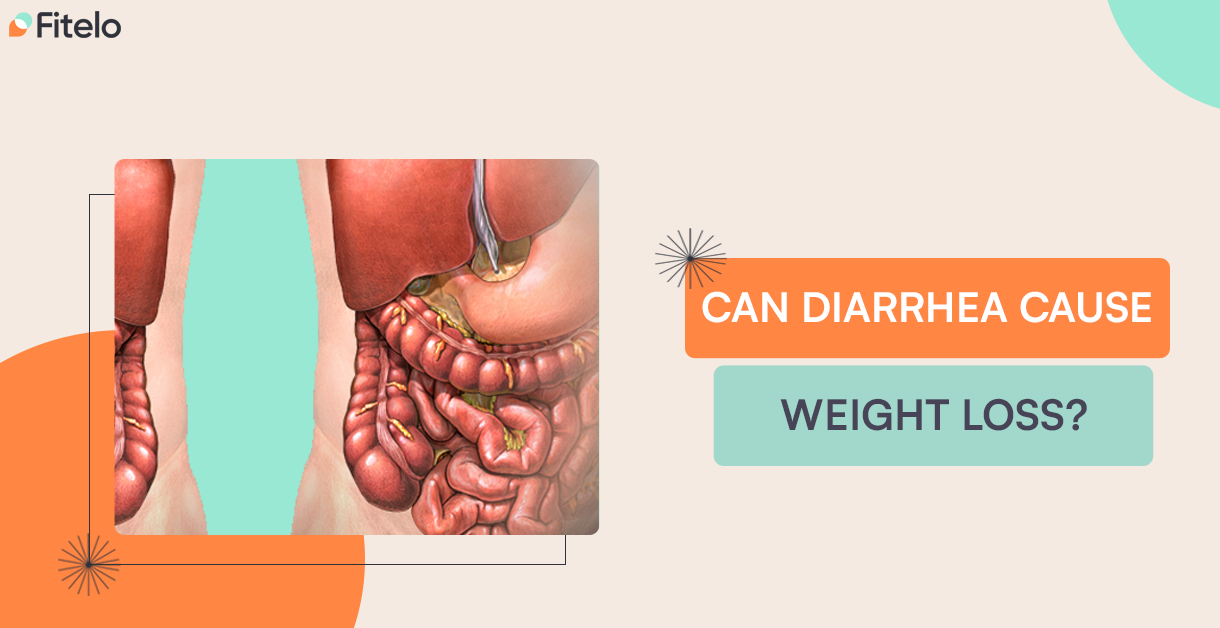
Weight loss affects more than just body size. It changes how your digestive system works. Digestion can become faster or slower. This shift may cause diarrhea or other tummy troubles. Understanding this link helps manage symptoms better.
Different factors play a role in digestion during weight loss. These include diet, metabolism, and gut health. Each factor influences how food moves and breaks down in the body. Changes can cause discomfort or irregular bowel movements.
Exclusive Deals
Limited-time Exclusive Deals. Check current discount on Amazon.
Check Price on Amazon As an Amazon Associate I earn from qualifying purchases.How Diet Changes Affect Gut Health
Changing what you eat alters the gut environment. Eating more fiber helps digestion but can cause gas or diarrhea at first. Cutting fats or sugars also impacts gut bacteria. These bacteria control digestion and stool consistency. Sudden diet shifts may upset this balance, leading to digestive issues.
Some weight loss plans include more fruits, vegetables, or protein. These foods affect digestion speed and fluid in the intestines. Drinking more water helps but may not stop diarrhea right away. Your gut needs time to adjust to new eating habits.
Role Of Metabolism In Digestive Function
Metabolism controls how the body uses food for energy. Weight loss often speeds up metabolism temporarily. This faster metabolism moves food through the gut quicker. Rapid transit can reduce nutrient absorption and cause loose stools.
Exclusive Deals
Limited-time Exclusive Deals. Check current discount on Amazon.
Check Price on Amazon As an Amazon Associate I earn from qualifying purchases.Changes in hormone levels during weight loss also affect digestion. Hormones regulate muscle contractions in the intestines. When hormone balance shifts, digestion can become irregular. This change may explain why some people get diarrhea while losing weight.
Common Causes Of Diarrhea During Weight Loss
Diarrhea can happen during weight loss for several reasons. Changes in diet and digestion often cause this issue. Understanding these causes helps manage symptoms better. Some common factors link weight loss to diarrhea.
Changes in fiber, sugar substitutes, and fat intake affect bowel movements. These changes can upset your stomach and cause loose stools. Let’s explore these causes in detail.
Impact Of High-fiber Diets
Increasing fiber intake is common during weight loss. Fiber helps digestion and keeps you full longer. Sudden high fiber can lead to gas and diarrhea. Your body needs time to adjust to more fiber. Drinking plenty of water can ease fiber’s effects.
Effects Of Sugar Substitutes
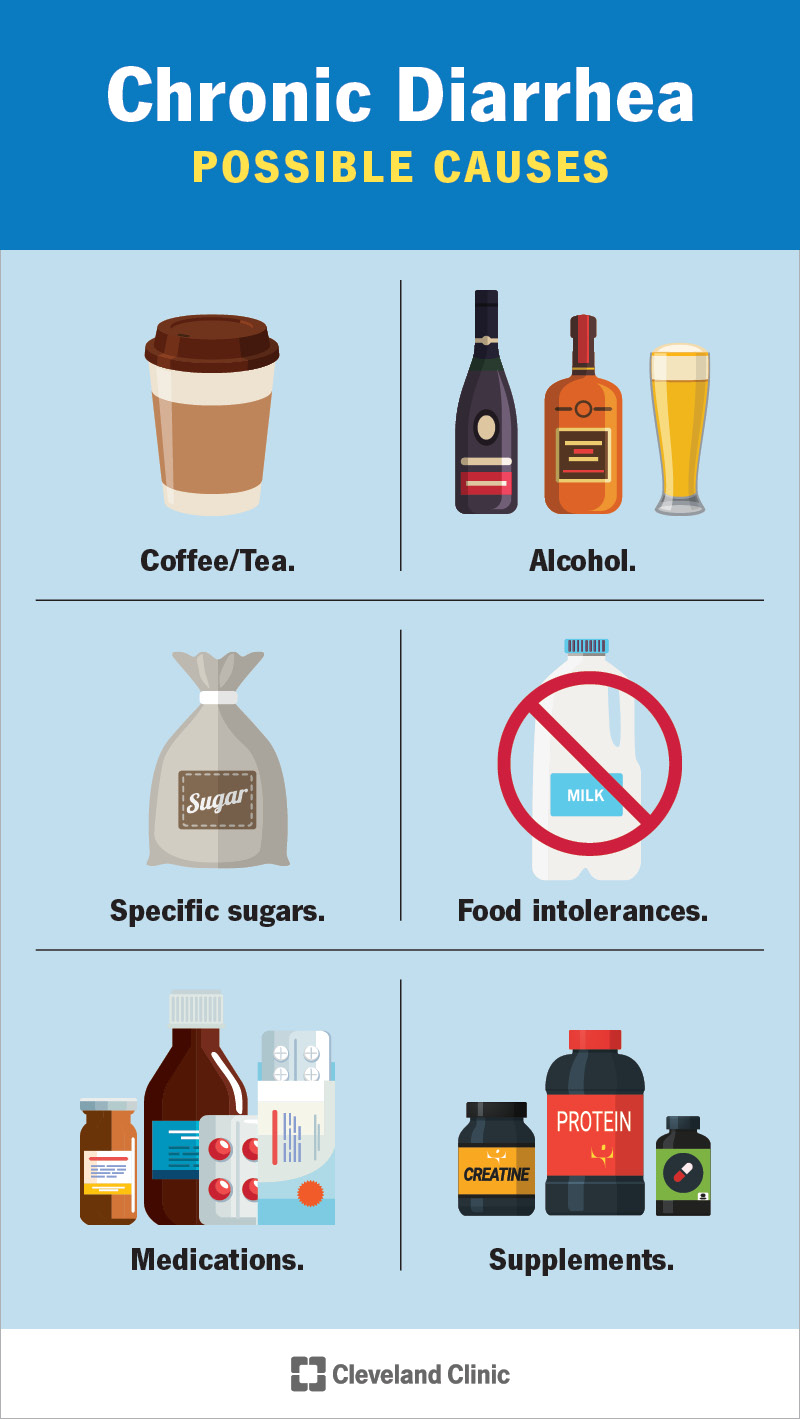
Sugar substitutes appear in many diet products. They add sweetness without calories. Some sugar substitutes, like sorbitol, cause diarrhea. They draw water into the intestines, softening stools. Using these in large amounts often leads to digestive upset.
Influence Of Fatty Food Reduction
Cutting down on fatty foods affects digestion. Fat slows digestion and absorbs water in the gut. Less fat can speed up bowel movements. This quickens stool passage, causing diarrhea. Your digestive system needs time to adjust to low fat.
Weight Loss Methods And Digestive Reactions
Weight loss methods can affect the digestive system in many ways. Changes in diet and eating patterns may cause reactions like diarrhea. Understanding how different weight loss strategies impact digestion helps manage these side effects.
Some approaches change gut bacteria or food absorption. Others affect the speed of digestion or bowel movements. Knowing these effects allows better choices for a healthier journey.
Low-carb And Ketogenic Diets
Low-carb and ketogenic diets reduce carbohydrate intake significantly. This shift changes how the body uses energy and affects the gut. Some people experience diarrhea due to fat malabsorption. The sudden increase in fat may overwhelm the digestive system. Also, low fiber intake can alter bowel habits. These diets may disrupt gut bacteria balance, causing loose stools. Drinking enough water and slowly adjusting fat intake can help.
Intermittent Fasting Effects
Intermittent fasting changes eating times, not food type. This pattern can affect digestion and bowel movements. Skipping meals may cause stomach acid buildup, leading to discomfort. Some experience diarrhea as the gut adjusts to new timing. Fasting may speed up digestion during eating windows. The body reacts differently to sudden food intake after fasting. Staying hydrated and eating balanced meals reduces digestive issues.
Use Of Weight Loss Supplements
Weight loss supplements often contain fiber, laxatives, or stimulants. These ingredients can speed up digestion or increase bowel movements. Some supplements cause diarrhea by irritating the gut lining. Others may disrupt the balance of gut bacteria. Taking large doses often leads to loose stools. It is important to follow recommended dosages carefully. Choosing supplements with gentle ingredients lowers digestive risks.
When Diarrhea Signals A Health Issue
Diarrhea during weight loss is common but not always normal. It may show a deeper health problem. Understanding these signals is important. Ignoring them can make issues worse.
Knowing what causes diarrhea helps you take the right steps. Some causes need medical care. Others may improve with simple changes. Watch for signs that your body needs help.
Identifying Food Intolerances
Food intolerances often cause diarrhea. Your body struggles to digest certain foods. Common culprits include lactose and gluten. Eating these foods triggers discomfort and loose stools. Tracking meals and symptoms can help find the cause. Avoiding problem foods reduces diarrhea and improves digestion.
Gut Infections And Imbalances
Gut infections can cause sudden diarrhea. Harmful bacteria or viruses upset your digestive system. Sometimes, an imbalance in gut bacteria leads to symptoms. This imbalance weakens digestion and causes inflammation. Medical tests can detect infections or imbalances. Treatment with medication or probiotics can restore gut health.
Chronic Conditions Linked To Symptoms
Chronic illnesses may cause ongoing diarrhea. Conditions like irritable bowel syndrome (IBS) and Crohn’s disease affect the gut. These diseases cause inflammation and disrupt digestion. Symptoms often include diarrhea, pain, and cramps. Proper diagnosis is key for managing symptoms. Treatment plans help control the condition and improve life quality.
Managing Diarrhea While Losing Weight
Managing diarrhea while losing weight can be challenging. Digestive changes may happen during dieting. These changes sometimes cause discomfort or loose stools. Careful steps can help reduce symptoms and protect your health.
Paying attention to diet, hydration, and knowing when to get help is important. Small changes often improve digestion and keep weight loss on track.
Dietary Adjustments To Soothe Digestion
Choose simple, gentle foods to calm the stomach. Avoid spicy, greasy, or highly processed items. Eating bland foods like bananas, rice, and toast helps firm stools. Smaller, frequent meals reduce stress on the digestive system. Include fiber slowly to prevent sudden changes in bowel movements.
Hydration And Electrolyte Balance
Diarrhea causes loss of water and important minerals. Drink plenty of fluids throughout the day. Water, herbal teas, and clear broths work well. Oral rehydration solutions replace electrolytes and prevent dehydration. Avoid sugary drinks and caffeine that may worsen diarrhea.
When To Seek Medical Advice
See a doctor if diarrhea lasts more than two days. Severe pain, fever, or blood in stools need urgent care. Sudden weight loss or weakness also requires professional help. Early treatment prevents complications and supports safe weight loss.
Maintaining Healthy Weight Loss Habits
Maintaining healthy weight loss habits is key to staying well and feeling good. Rapid changes in diet or exercise can upset your body. A steady, balanced approach helps your system adjust smoothly. This reduces risks like diarrhea and other digestive issues. Smart habits support long-term success and overall wellness.
Gradual Dietary Changes
Start with small steps when changing your diet. Sudden shifts can shock your digestive system. Swap high-fat or sugary foods for healthier options slowly. This helps your body adapt without discomfort. Gradual changes also make habits easier to keep.
Balanced Nutrient Intake
Eat a variety of foods for balanced nutrition. Include fruits, vegetables, proteins, and whole grains. Avoid cutting out entire food groups at once. Balanced meals provide the fiber and nutrients your body needs. This supports digestion and reduces diarrhea risk.
Monitoring Digestive Health
Pay attention to how your stomach reacts to new foods. Keep track of any stomach pain, bloating, or diarrhea. Adjust your diet if you notice problems. Seek advice from a healthcare provider if symptoms persist. Early care helps prevent bigger digestive issues.
:max_bytes(150000):strip_icc()/VWH-GettyImages-1392142281-6099b6832ea14000829a69dc5f7f3ef4.jpg)
Frequently Asked Questions
Can Weight Loss Cause Diarrhea Frequently?
Yes, weight loss can cause diarrhea due to dietary changes, increased fiber, or fat malabsorption. It’s often temporary but consult a doctor if persistent.
Why Does Dieting Lead To Diarrhea Sometimes?
Dieting can lead to diarrhea because of sudden changes in food types, increased fiber, or artificial sweeteners, which may disrupt digestion.
Is Diarrhea During Weight Loss Harmful?
Usually, diarrhea during weight loss is not harmful if short-term. Prolonged diarrhea may cause dehydration and nutrient loss, needing medical advice.
How To Manage Diarrhea Caused By Weight Loss?
To manage diarrhea, stay hydrated, avoid irritant foods, and gradually adjust your diet. Seek medical help if symptoms last longer than a week.
Conclusion
Weight loss can sometimes cause diarrhea due to diet changes. Eating more fiber or new foods may upset your stomach. Your body needs time to adjust to new habits. Staying hydrated is very important during this time. If diarrhea lasts long, see a doctor soon.
Understanding your body helps you stay healthy while losing weight. Small changes can make a big difference in how you feel. Keep track of symptoms and choose foods wisely. Balance is key to safe and effective weight loss.