When you step into the gym, choosing between dumbbells and barbells can feel tricky. You want to get stronger, but you also want to stay safe.
So, which one is actually safer for your workouts? Understanding the differences can protect you from injury and help you train smarter. Keep reading to discover how dumbbells and barbells stack up when it comes to safety—and find out which might be the better fit for your fitness goals.
Today's Exclusive Deals
Limited-time Exclusive Deals. Check current discount on Amazon.
Check Price on Amazon As an Amazon Associate I earn from qualifying purchases.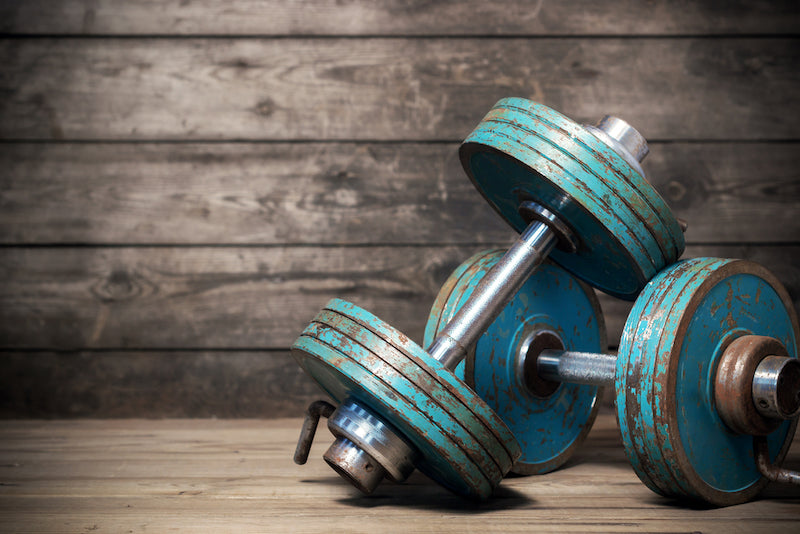
Dumbbells Vs Barbells
Dumbbells and barbells are popular tools for strength training. They both help build muscle and improve fitness. Yet, they differ in design and how people use them. Understanding these differences helps choose the right tool for your workout goals.
Basic Differences
Dumbbells are short bars with weights on each end. You hold one in each hand. Barbells are long bars with weights on both ends. Usually, you use two hands to lift a barbell. Dumbbells allow more freedom of movement. Barbells keep your hands fixed in place.
Common Uses
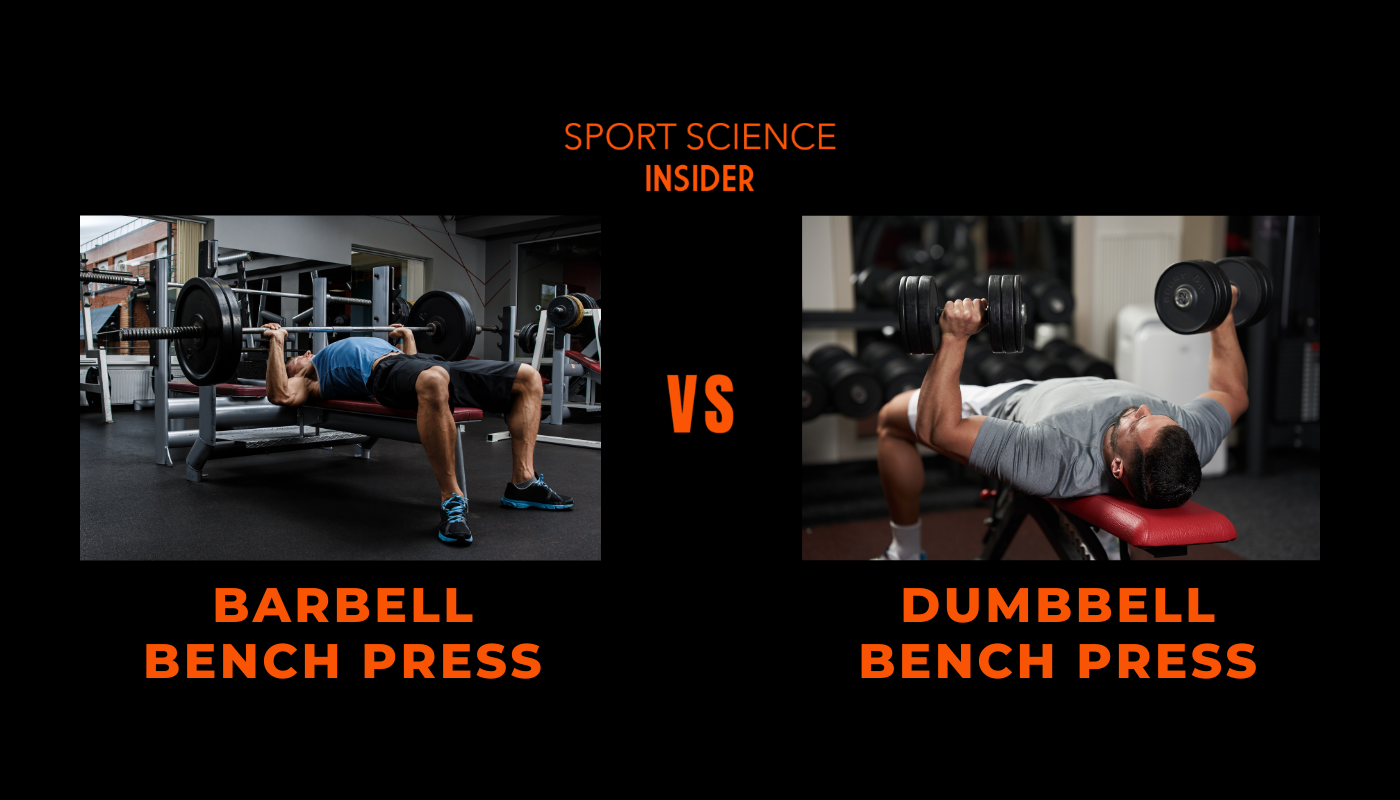
Dumbbells work well for exercises that need balance and control. They help train muscles evenly on both sides. Many use dumbbells for arm curls, shoulder presses, and chest flies. Barbells are great for lifting heavier weights. They suit exercises like squats, deadlifts, and bench presses. Barbells often build strength faster with heavy loads.
Injury Risks
Injury risks exist with both dumbbells and barbells. Understanding these risks helps you choose the right equipment. Safety depends on technique, weight, and control.
Typical Injuries With Dumbbells
Dumbbells require more balance and control. This can lead to wrist sprains from sudden twists. Shoulder strains happen if the weight is too heavy. Finger pinches may occur when gripping the dumbbell. Dropping a dumbbell can cause foot injuries. Repeated use may cause muscle strains or tendonitis.
Common Barbell Injuries
Barbells involve heavier weights, raising injury risks. Lower back pain is common from poor form. Shoulder injuries occur during overhead lifts. Elbow strains happen with improper grip or technique. Dropping a barbell can cause serious injuries. Lack of a spotter increases the risk of accidents.
Control And Stability
Control and stability play a big role in choosing between dumbbells and barbells. They affect how safe you feel during exercises and how well you perform them. Understanding these factors helps you pick the right tool for your workouts.
Balance Challenges
Dumbbells require more balance because each arm moves independently. This forces your muscles to work harder to stay steady. The extra effort improves muscle coordination and stability over time.
Barbells offer more support since both hands hold the same bar. This makes balancing easier, especially with heavy weights. But relying on a barbell may limit your body’s ability to stabilize naturally.
Range Of Motion
Dumbbells allow a wider range of motion during exercises. Your arms can move freely and adjust naturally. This helps reduce joint strain and improves muscle stretch.
Barbells restrict movement to a fixed path. Your body must follow the bar’s set position. This limits natural arm movement and may cause discomfort for some users.
Spotting And Assistance
Spotting and assistance are key factors in weight training safety. They help prevent injuries and ensure proper form. The need for spotting changes with the type of equipment used.
Dumbbells and barbells differ in how much help you might require. Understanding these differences helps you train smarter and safer.
Safety With Spotters
Barbell exercises often require a spotter for safety. A spotter helps lift the bar if you struggle. This support reduces the risk of dropping the bar on yourself. Spotters also encourage better form and confidence. Without a spotter, certain barbell lifts can be risky. Dumbbells usually need less spotting. You can drop dumbbells safely to the side if needed. This lowers the chance of injury without help.
Solo Training Risks
Training alone with barbells can be dangerous. Heavy bars may become uncontrollable if muscles fail. This can cause serious injury. Dumbbells offer more control during solo workouts. They allow safer weight adjustments and easier handling. Still, poor form or lifting too heavy can cause harm. Always choose weights you can manage comfortably. Solo training with dumbbells reduces the need for a spotter. It lowers the risk but does not remove it.
Versatility And Adaptability
Dumbbells offer great versatility and adaptability in workouts. They allow users to perform many different exercises. This variety helps target muscles from various angles. Dumbbells also fit different fitness levels and goals easily.
Their design makes it easier to change exercises quickly. This flexibility supports safe and effective training routines. Dumbbells adapt well to home gyms and crowded spaces. The freedom to move each arm independently improves balance and coordination.
Exercise Variety
Dumbbells provide a wide range of exercise options. You can do presses, curls, rows, and squats. Each exercise can use one or both arms. This variety helps work small stabilizing muscles more than barbells.
Many dumbbell exercises mimic natural body movements. This lowers the risk of injury. Dumbbells also allow for unilateral training. This means you can train one side of the body at a time. It helps fix muscle imbalances and improves strength evenly.
Adjusting Weight Safely
Dumbbells come in various weight options, from light to heavy. Changing weight is simple and quick. Some dumbbells are adjustable with secure locking systems. You can add or remove plates safely.
This flexibility helps users progress gradually. Small weight increases reduce strain and injury risk. Dumbbells also allow controlled movement speed. This control supports safer lifting and better muscle engagement.
User Experience Levels
User experience plays a big role in choosing between dumbbells and barbells. Safety depends on skill and comfort. Beginners and advanced lifters face different challenges and risks. Understanding these helps pick the right tool for safer workouts.
Beginners’ Safety
Dumbbells are often safer for beginners. They allow better control of each arm separately. This helps balance strength and reduces injury risk. Beginners can start with lighter weights and increase gradually. Dumbbells also limit the risk of being trapped under a heavy barbell.
Barbells need more technique and coordination. Beginners might struggle with form, causing strain or injury. Spotters or safety racks are needed for heavy barbell lifts. Without proper guidance, barbells can be risky for new lifters.
Advanced Lifters’ Considerations
Advanced lifters benefit from both dumbbells and barbells. Barbells allow lifting heavier weights safely with proper form. They help build maximum strength and power. Experienced lifters use spotters or safety equipment to reduce risks.
Dumbbells offer freedom of movement and improve muscle balance. They also reduce joint stress by allowing natural motion paths. Advanced lifters use dumbbells to fix imbalances and add variety to workouts. Safety depends on skill and awareness in handling both tools.
Equipment Quality And Setup
Equipment quality and setup play a big role in workout safety. Both dumbbells and barbells need careful attention. Well-maintained equipment lowers the risk of injury. Setting up weights correctly helps keep balance and control. These factors make dumbbells and barbells safer to use.
Maintenance And Inspection
Check dumbbells and barbells regularly for damage. Look for cracks, loose parts, or rust. Damaged equipment can break during exercise. Clean weights after use to stop rust. Tighten bolts and screws often. Replace worn-out parts quickly. Proper maintenance keeps your gear safe and reliable.
Proper Setup Techniques
Place dumbbells on a flat, stable surface before lifting. Choose weights that match your strength level. Hold dumbbells firmly to avoid slipping. For barbells, secure weight plates with collars. Keep the bar centered on the rack. Use a spotter when lifting heavy barbells. Proper setup helps control and prevents accidents.
Practical Safety Tips
Safety is the top priority in any workout session, especially when using dumbbells or barbells. Following practical safety tips can help prevent injuries and make your exercise more effective. These tips focus on preparing your body and maintaining the right technique throughout your training.
Warm-up Importance
Warming up helps prepare muscles and joints for lifting weights. It increases blood flow and reduces stiffness. Start with light cardio or dynamic stretches for five to ten minutes. This step lowers the risk of muscle strains and joint pain. A good warm-up makes your body ready to handle heavier weights safely.
Correct Form Focus
Using the correct form is key to avoiding injuries. Pay attention to your posture and movement during each exercise. Keep your back straight and core engaged. Do not rush the lifts; controlled movements protect your joints and muscles. Practicing good form builds strength evenly and prevents bad habits that cause harm.

Frequently Asked Questions
Are Dumbbells Safer Than Barbells For Beginners?
Dumbbells are generally safer for beginners. They allow natural movement and reduce joint strain. Barbells require more control and may risk injury without proper form.
How Do Dumbbells Reduce Injury Risk Compared To Barbells?
Dumbbells promote balanced muscle development and improve coordination. They allow independent arm movement, reducing the chance of imbalanced loading and injury common with barbells.
Can Dumbbells Prevent Joint Strain Better Than Barbells?
Yes, dumbbells allow a more natural range of motion. This flexibility reduces joint strain and discomfort often caused by fixed barbell positions.
Are Barbells Riskier For Heavy Lifting Than Dumbbells?
Barbells can be riskier for heavy lifting due to fixed hand positions. Dumbbells offer more control and safer weight distribution during heavy lifts.
Conclusion
Dumbbells often allow more natural movement and better control. They reduce injury risk by letting joints move freely. Barbells can help lift heavier weights but may strain shoulders or wrists. Choosing depends on your goals and experience level. Start light and focus on good form.
Both tools can improve strength safely. Stay aware of your body’s signals. Safety comes from smart use, not just the equipment.