
Are you wondering if you can train for a marathon on a treadmill? Maybe the weather outside isn’t cooperating, or you don’t have easy access to safe running routes.
Whatever your reason, the treadmill might seem like a perfect solution. But can it really prepare you for the challenge of running 26. 2 miles? You’ll discover the truth about treadmill marathon training, how to make it work for you, and tips to keep your motivation high.

Today's Exclusive Deals
Limited-time Exclusive Deals. Check current discount on Amazon.
Check Price on Amazon As an Amazon Associate I earn from qualifying purchases.Keep reading to find out if your treadmill can be your secret weapon to marathon success.
Benefits Of Treadmill Training
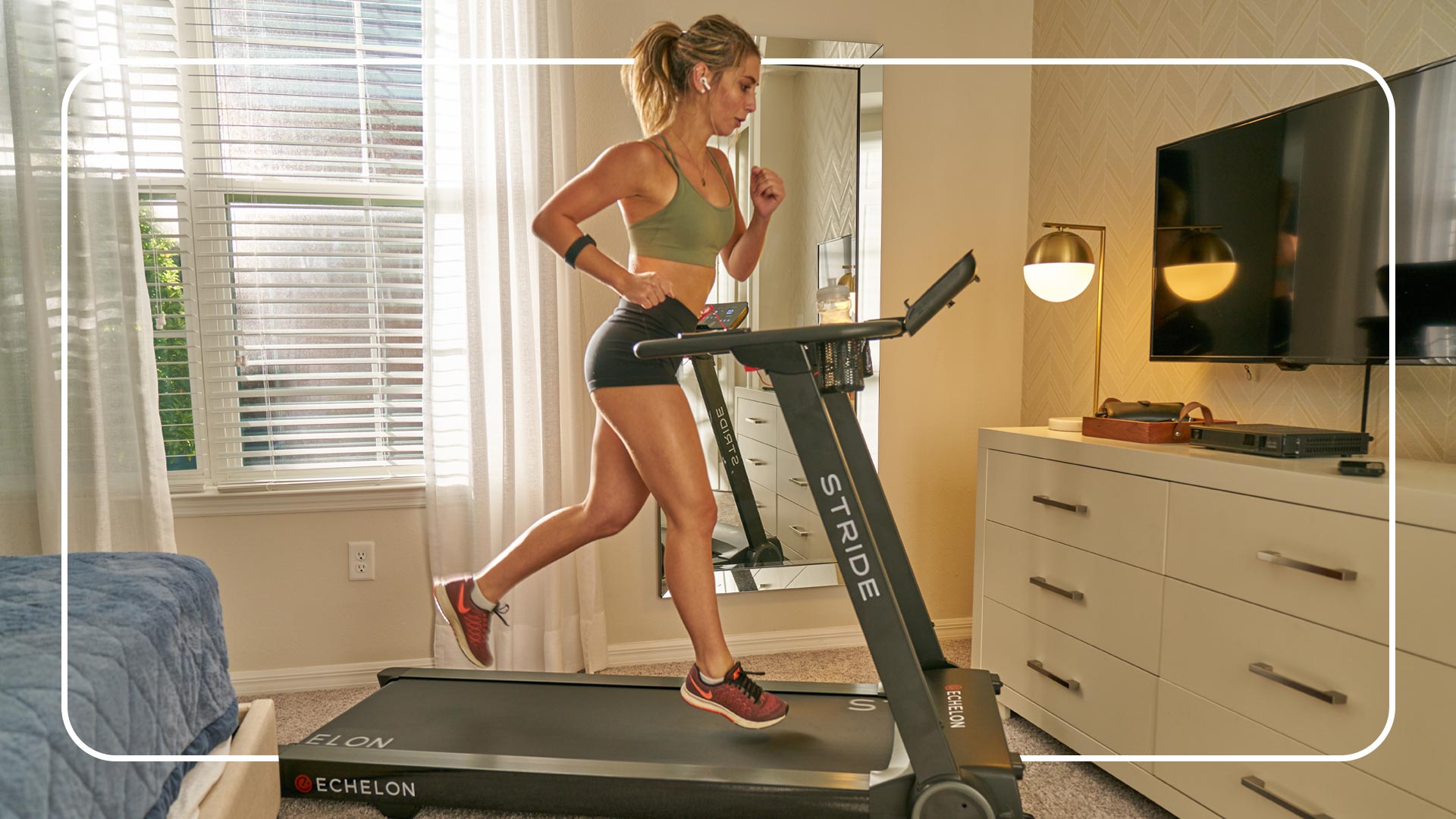
Training for a marathon on a treadmill offers many benefits. It allows runners to focus on their pace and form without distractions. The treadmill provides a stable and predictable surface. This makes it easier to plan and measure progress. Here are some key benefits of treadmill training.
Controlled Environment
A treadmill lets you run in a safe, controlled space. No uneven ground or unexpected obstacles. You can set the speed and incline to match your needs. This control helps improve your running technique. It also reduces the chance of tripping or falling.
Weather Independence
Bad weather does not stop treadmill workouts. Rain, snow, or heat won’t affect your training. You can run anytime, no matter the outside conditions. This consistency helps build endurance and keeps your training on track.
Pace Management
Treadmills allow precise control over your running speed. You can set a steady pace for long runs. This helps maintain the right effort level during training. It is easier to practice pacing for race day. You learn to keep a consistent speed without slowing down.
Injury Prevention
The treadmill surface is softer than concrete or asphalt. This reduces impact on joints and muscles. It lowers the risk of common running injuries. You can also adjust the incline to strengthen muscles safely. This helps prepare your body for marathon demands.
Key Treadmill Workouts For Marathon Prep
Training for a marathon on a treadmill is possible with the right workouts. The treadmill offers control over speed, incline, and environment. This control helps runners build endurance, speed, and strength. Here are key treadmill workouts that prepare you well for race day.
Long Slow Distance Runs
Long slow distance runs build endurance for marathon distance. Set the treadmill at a comfortable, steady pace. Run for 60 to 90 minutes or longer. This workout trains your body to use energy efficiently. It also strengthens muscles and improves stamina.
Interval Training
Interval training improves speed and cardiovascular fitness. Alternate between fast running and slow recovery periods. For example, sprint for 1 minute, then jog for 2 minutes. Repeat this cycle several times. This workout boosts your running pace and helps you handle race stress.
Hill Simulations
Hill simulations strengthen legs and build power. Use the treadmill incline feature to mimic uphill running. Start with a low incline and short duration. Gradually increase incline and time as you get stronger. This workout prepares your body for race hills and challenges.
Tempo Runs
Tempo runs improve your lactate threshold and running efficiency. Run at a pace that feels “comfortably hard.” This means you can speak only a few words at a time. Hold this pace for 20 to 40 minutes. Tempo runs teach your body to maintain speed longer.
Adjusting Treadmill Settings For Realistic Training
Training for a marathon on a treadmill can be very effective. Adjusting treadmill settings makes your workout closer to outdoor running. These settings help build strength and endurance needed for race day.
Incline Adjustments
Increasing the treadmill incline simulates running uphill. This builds leg muscles and improves stamina. A small incline of 1% mimics outdoor flat surfaces. Change the incline during runs to add variety and challenge.
Speed Variations
Vary your speed to match different parts of a marathon. Start with a steady pace, then increase for short sprints. This trains your body for race pace and bursts of speed. Speed changes also keep training interesting.
Simulating Outdoor Terrain
Use incline and speed together to imitate hills and flat roads. Changing settings often helps your body adapt to real race conditions. This method prepares you for different surfaces and effort levels. The treadmill becomes a versatile training tool.
Cross-training And Strength Workouts
Cross-training and strength workouts improve marathon training on a treadmill. They help balance your muscles and reduce injury risk. These workouts build endurance and power beyond running alone.
Core Strength
A strong core supports your running posture. It helps keep your body stable during long treadmill runs. Exercises like planks and bridges work well. Core strength reduces fatigue and improves breathing.
Leg Conditioning
Strong legs boost your running speed and stamina. Squats, lunges, and calf raises build leg muscles. These exercises prepare your legs for pounding the treadmill belt. Leg conditioning helps prevent common running injuries.
Flexibility And Mobility
Stretching keeps your muscles flexible and joints healthy. It improves stride length and running form. Simple stretches or yoga routines help your muscles recover faster. Mobility work reduces stiffness after treadmill sessions.
Mental Strategies For Indoor Marathon Training
Training for a marathon on a treadmill needs strong mental focus. The indoor setting can feel boring and repetitive. Using smart mental strategies helps keep your mind sharp and your spirit high. These tips support your body and mind during long treadmill runs.
Building mental strength makes training easier. It helps you push through tough moments. Staying engaged and motivated is key to finishing your marathon training well.
Staying Motivated
Set a routine to keep your training consistent. Remind yourself why you started running. Celebrate small wins like longer runs or faster pace. Think about crossing the finish line. Visualize success to fuel your motivation.
Using Entertainment
Listen to music that pumps you up. Podcasts can distract your mind from fatigue. Watch movies or shows to make time pass faster. Change the treadmill view if possible. Entertainment breaks the boredom of indoor running.
Setting Goals And Tracking Progress
Break your marathon training into smaller goals. Track distance, pace, and time after each run. Use apps or a journal to record progress. Seeing improvement builds confidence. Adjust goals as you get stronger.
Common Challenges And Solutions
Training for a marathon on a treadmill has its challenges. These can make your runs harder and less fun. Knowing common problems and simple fixes helps you stay on track. Below are some typical issues runners face and easy ways to solve them.
Boredom And Monotony
Running on a treadmill can feel boring and repetitive. The same view and steady pace make time crawl. To fight boredom, change your routine often. Use different speeds and incline settings. Watch videos or listen to podcasts to stay engaged. Short breaks for stretching can refresh your mind. Setting small goals during your run keeps motivation high.
Footwear And Impact
Running on a treadmill can strain your feet differently than outdoor running. The belt’s surface may wear out shoes faster. Use running shoes with good cushioning and support. Replace them regularly to avoid injuries. Pay attention to how your feet feel. If pain occurs, try different shoes or adjust your running form.
Heat And Ventilation
Treadmill rooms can get hot and stuffy. Poor air flow makes running uncomfortable and tiring. Use a fan to cool down your body. Open windows if possible for fresh air. Dress in light, breathable clothes to stay dry. Drink water often to avoid dehydration. Keeping cool helps you run longer and recover faster.
Treadmill Vs Outdoor Running
Training for a marathon on a treadmill offers a different experience than running outdoors. Both have unique benefits and challenges. Understanding these differences helps runners prepare better for race day.
Muscle Engagement Differences
Outdoor running uses more muscles. You push against varying surfaces and wind. This works your core and stabilizer muscles more. Treadmills provide a flat, soft surface. This reduces muscle use in legs and hips. Treadmill running mainly targets your quads and calves. Outdoor running improves overall muscle balance better.
Impact On Running Form
Running outside requires natural body movements. Your form adapts to slopes and obstacles. Treadmills keep the belt moving at a steady pace. This can change your stride length and foot strike. Some runners lean forward more on a treadmill. Others may take shorter steps. Paying attention to form on both helps avoid injury.
Transitioning To Race Day
Race day conditions are different from treadmill runs. Outdoor elements like wind and uneven ground affect pacing. Practicing outside before race day is important. This helps your body adjust to real-world conditions. Use treadmill runs to build endurance and speed. Then add outdoor sessions to prepare muscles and mind.

Planning A Marathon Training Schedule On A Treadmill
Planning a marathon training schedule on a treadmill needs focus and structure. A treadmill allows control over speed and incline. This helps simulate outdoor running conditions. Careful scheduling ensures steady progress and avoids injury. Training indoors can be just as effective with the right plan.
Weekly Mileage Targets
Set clear weekly mileage goals to track your progress. Start with a low distance and increase gradually. Aim to add no more than 10% per week. Balance easy runs with longer runs for endurance. Use the treadmill’s features to maintain a steady pace. Regular mileage helps build running strength and stamina.
Rest And Recovery Days
Include rest days in your schedule to let muscles heal. Avoid running every day to prevent burnout and injury. Use rest days for light stretching or walking. Recovery improves performance and prepares you for harder workouts. Listen to your body and adjust rest days if needed.
Peak Week Preparation
Plan a peak week with your highest mileage before tapering. This week tests your endurance and mental strength. Include some long treadmill runs at marathon pace. Add shorter recovery runs to help muscles relax. After the peak week, reduce mileage to rest before race day.

Frequently Asked Questions
Can Treadmill Training Fully Prepare You For A Marathon?
Yes, treadmill training can prepare you well. It builds endurance, strength, and pacing skills. However, outdoor runs are also important to adapt to real race conditions.
How To Avoid Boredom During Treadmill Marathon Training?
Mix up your treadmill workouts with intervals, hills, and tempo runs. Use entertainment like music, podcasts, or videos to stay engaged and motivated.
Is Treadmill Running Easier Or Harder Than Outdoor Running?
Treadmill running is often easier due to controlled conditions. However, it lacks wind resistance and terrain changes, so outdoor training is essential for full race readiness.
How To Simulate Outdoor Marathon Conditions On A Treadmill?
Adjust treadmill incline to 1-2% to mimic outdoor resistance. Change speeds to practice pacing. Include long runs and varied workouts for realistic training.
Conclusion
Training for a marathon on a treadmill is possible and effective. You control speed and incline easily. It helps you stay consistent, rain or shine. Treadmills offer safety and reduce injury risk. Still, outdoor runs prepare you for real race conditions.
Mixing treadmill and outdoor training works best. Stay patient and keep your goals clear. Your effort will pay off on race day. Keep moving forward, one step at a time.

