
When it comes to building strength and shaping your body, choosing the right equipment can make all the difference. You might be wondering: should you pick barbells or dumbbells for your workouts?
Both have their fans, but which one will help you reach your goals faster and safer? You’ll discover the key differences between barbells and dumbbells, how each affects your muscles, and which option fits your fitness style best. Keep reading—you’re about to find the answer that could transform your training routine.

Today's Exclusive Deals
Limited-time Exclusive Deals. Check current discount on Amazon.
Check Price on Amazon As an Amazon Associate I earn from qualifying purchases.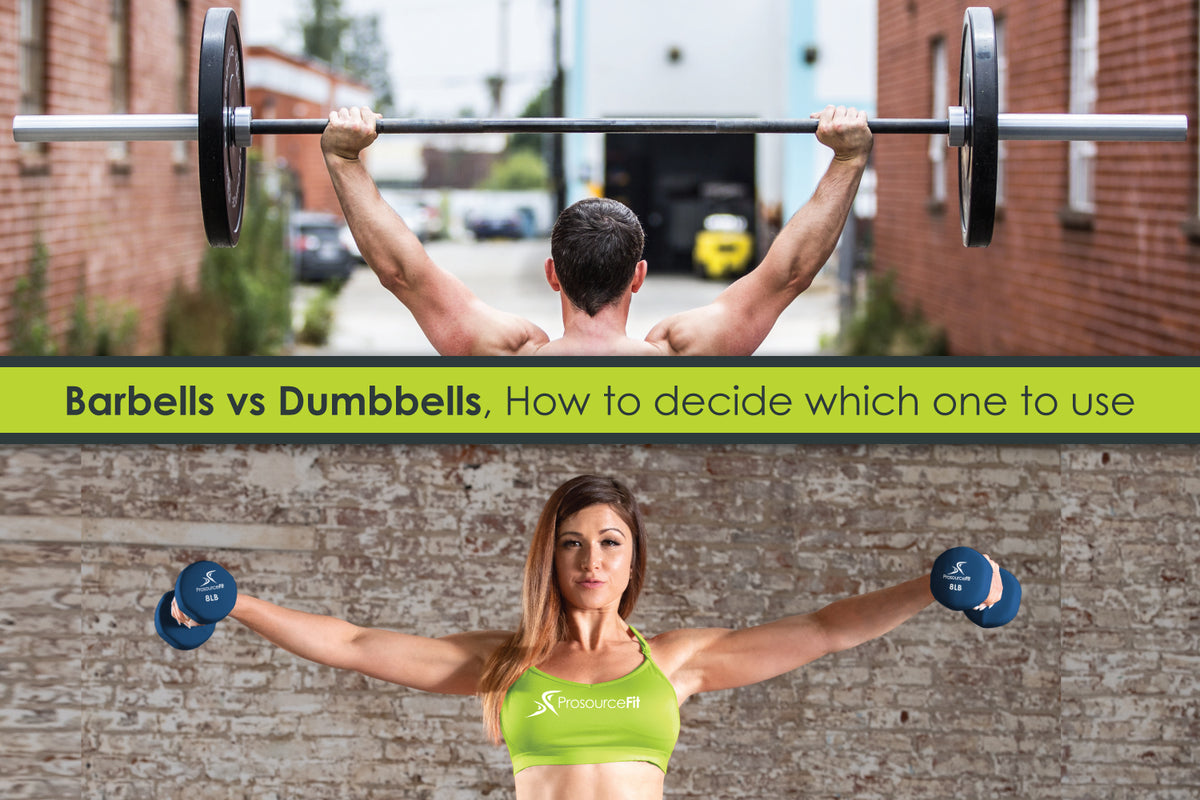
Barbells Benefits
Barbells offer many benefits for strength training and muscle growth. They allow you to lift heavy weights safely and effectively. Using barbells helps build muscle faster and improve overall power. Many athletes and fitness enthusiasts prefer barbells for their workouts. Below are some key benefits of using barbells in your training routine.
Strength Gains
Barbells let you add more weight than dumbbells. This helps increase your strength quickly. You can lift heavier weights with both hands, which challenges your muscles more. Stronger muscles improve your daily activities and athletic performance. Tracking progress is easier with barbells because you can add small weight increments.
Heavy Lifting
Barbells support heavy lifting better than dumbbells. They provide stability during exercises like squats and deadlifts. This stability reduces the risk of injury while handling heavy loads. Lifting heavy weights causes muscles to adapt and grow stronger. Heavy lifting with barbells builds muscle mass and bone density effectively.
Compound Movements
Barbells are perfect for compound movements that work multiple muscles. Exercises like bench press, squats, and deadlifts target several muscle groups. Compound movements save time by training many muscles at once. They improve coordination and balance by engaging your whole body. Using barbells for these moves helps build functional strength.
Dumbbells Benefits
Dumbbells offer many benefits for strength training and overall fitness. They allow natural movement and help improve muscle strength evenly. Dumbbells suit different fitness levels and goals. They also support better body control and coordination.
Range Of Motion
Dumbbells let your joints move freely. This wider range improves flexibility and reduces injury risk. You can perform exercises with more natural arm and shoulder positions. This helps target muscles better and increases workout effectiveness.
Muscle Imbalance Correction
Each arm works independently with dumbbells. This prevents one side from taking over. It helps fix strength differences between left and right muscles. Balanced muscles improve posture and reduce injury chances. Dumbbells are great for building equal strength.
Versatility
Dumbbells fit many exercises and workouts. Use them for strength, endurance, or toning. They work for both upper and lower body moves. You can do presses, curls, rows, and squats with dumbbells. Their compact size makes them easy to store and use anywhere.
Workout Variety
Workout variety keeps training fresh and effective. Using different equipment targets muscles in new ways. Barbells and dumbbells offer distinct exercise options. Mixing both can prevent boredom and plateaus.
Barbell Exercises
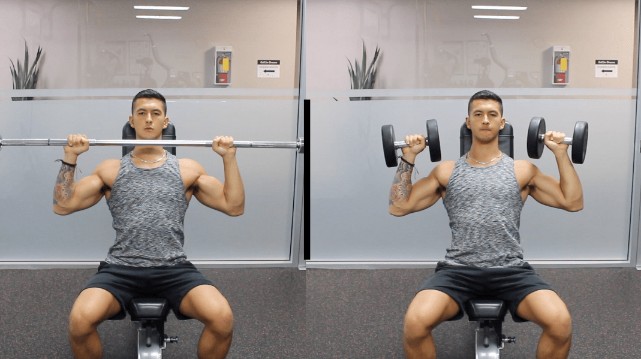
Barbells allow lifting heavier weights safely. They suit compound movements that work many muscles. Examples include squats, deadlifts, and bench presses. These exercises build strength and muscle mass quickly. Barbells also help improve balance and coordination. They require both sides of the body to work together.
Dumbbell Exercises
Dumbbells provide more freedom of movement. They help fix muscle imbalances by training each side separately. Dumbbell presses, curls, and lunges target specific muscles well. These exercises improve stability and control. Dumbbells also allow a wider range of motion. This variety challenges muscles differently than barbells.

Safety Considerations
Safety is a key factor when choosing between barbells and dumbbells. Both tools can help build strength. Yet, they come with different risks. Knowing these risks helps prevent injuries. It also makes workouts more effective and safer.
Barbell Risks
Barbells require good control. Losing balance can cause heavy weights to fall. This risk is higher during squats or bench presses. Incorrect form can strain muscles and joints. Spotters or safety racks reduce injury chances. Beginners should start with lighter weights. Avoid lifting beyond your strength level. Barbell collars must be secure to prevent plates from sliding.
Dumbbell Risks
Dumbbells are easier to handle alone. Yet, dropping them can hurt feet or hands. Using too heavy weights may cause muscle tears. Uneven lifting can lead to muscle imbalances. Dumbbell exercises need focus to keep proper form. Wrist strain can happen without good grip. Clear workout space prevents tripping or accidents. Start light and increase weight slowly for safety.
Space And Equipment Needs
Choosing between barbells and dumbbells affects your space and equipment needs. Each requires different room sizes and storage options. Knowing these differences helps set up your workout area efficiently.
Barbell Setup
Barbells need more space because of their length. A standard barbell is about 7 feet long. You need extra room to lift and move the bar safely. A squat rack or bench press station is often necessary. These take up significant floor space. Weight plates and collars also need storage racks nearby. The setup can be bulky and less flexible for small rooms.
Dumbbell Setup
Dumbbells are compact and easier to store. They fit well in smaller areas like apartments or home gyms. A rack can hold many pairs without taking much space. You can place dumbbells on shelves or under benches. They allow quick switching between exercises. The setup is more flexible and less demanding on space.
Cost Comparison
Cost plays a big role in choosing between barbells and dumbbells. You want to spend money wisely. Both have different price points. Knowing the costs can help you decide what fits your budget.
Some equipment looks cheap but costs add up. Others need a bigger upfront payment but last longer. Let’s explore how barbells and dumbbells compare on price.
Initial Purchase Price
Dumbbells usually cost less at first. You can buy a few pairs for a low price. Barbells require buying the bar and weight plates. This makes the starting cost higher.
Space And Storage Costs
Dumbbells take less space. You can store them easily on racks or shelves. Barbells need more room for storage and use. You might need extra racks or stands, which adds cost.
Long-term Investment
Barbells tend to last longer. They handle heavier weights and more workouts. Dumbbells may wear out or need replacement more often. This can increase long-term costs.
Choosing Based On Goals
Choosing between barbells and dumbbells depends on your fitness goals. Each tool offers unique benefits that suit different training needs. Understanding these differences helps you select the right equipment to reach your goals faster and safer.
Strength Focus
Barbells allow lifting heavier weights with more stability. This makes them ideal for building raw strength. They support exercises like squats, deadlifts, and bench presses. These moves engage large muscle groups and promote strength gains. Barbells also help maintain balanced force on both sides of the body.
Rehabilitation And Mobility
Dumbbells provide more freedom in movement. They are perfect for rehab and improving joint mobility. You can control each arm or leg independently. This reduces the risk of injury and helps fix muscle imbalances. Dumbbells allow gentle, controlled motion, which aids recovery and flexibility.
Bodybuilding And Toning
Dumbbells offer better muscle isolation and variety. They help target small muscle groups effectively. This is important for toning and shaping your body. You can perform many angles and positions to stimulate muscles. Dumbbells encourage slow, controlled reps, which improve muscle definition.
Combining Both Tools
Using both barbells and dumbbells in your workouts offers more benefits than choosing just one. Each tool has unique strengths that work well together. Combining them helps build muscle, improve balance, and increase strength in different ways.
Barbells allow you to lift heavier weights and target large muscle groups efficiently. Dumbbells help with stability and allow a greater range of motion. Together, they create a well-rounded training plan that keeps your body challenged.
Balanced Training
Mixing barbells and dumbbells ensures balanced muscle development. Barbells focus on power and strength with heavier loads. Dumbbells improve coordination and fix muscle imbalances. Using both helps avoid overuse injuries and plateaus. You train muscles from multiple angles, which promotes better growth and function.
Program Design Tips
Start workouts with barbell exercises to build strength. Follow with dumbbell moves to improve control and range. Alternate between the two in your weekly routine. Plan rest days to allow recovery. Adjust weights based on your progress and goals. This method keeps workouts fresh and effective.
Frequently Asked Questions
What Are The Main Differences Between Barbells And Dumbbells?
Barbells allow heavier lifting with both hands, promoting overall strength. Dumbbells offer more range of motion and balance. Barbells suit compound exercises, while dumbbells target muscle imbalances and smaller stabilizer muscles.
Which Is Better For Muscle Growth: Barbells Or Dumbbells?
Both are effective for muscle growth. Barbells enable heavier weights for mass building. Dumbbells improve muscle symmetry and joint stability. Combining both in workouts maximizes hypertrophy and strength gains.
Are Dumbbells Safer Than Barbells For Beginners?
Dumbbells are generally safer for beginners. They allow natural movement and reduce injury risk. Barbells require proper form and spotters to avoid accidents. Starting with dumbbells helps build strength and confidence.
Can Barbells And Dumbbells Be Used Together Effectively?
Yes, combining barbells and dumbbells enhances workout variety. Barbells target heavy lifts; dumbbells improve control and balance. Using both prevents plateaus and promotes balanced muscle development.
Conclusion
Choosing between barbells and dumbbells depends on your fitness goals. Barbells help lift heavier weights and build strength fast. Dumbbells offer more freedom and improve balance well. Both tools can shape your muscles and boost fitness. Try both to see what feels best for you.
Remember, consistency matters more than the equipment you use. Keep training smart and enjoy the progress.

