
Are you wondering if you can safely plug your treadmill into an extension cord? It might seem like a simple solution when your workout space is far from an outlet.
But before you grab any extension cord, it’s important to know the risks and what could happen to your treadmill—and your safety. You’ll discover the facts you need to keep your exercise routine safe and smooth. Keep reading to find out what experts recommend and how to protect your equipment and yourself.

Today's Exclusive Deals
Limited-time Exclusive Deals. Check current discount on Amazon.
Check Price on Amazon As an Amazon Associate I earn from qualifying purchases.Treadmill Power Needs
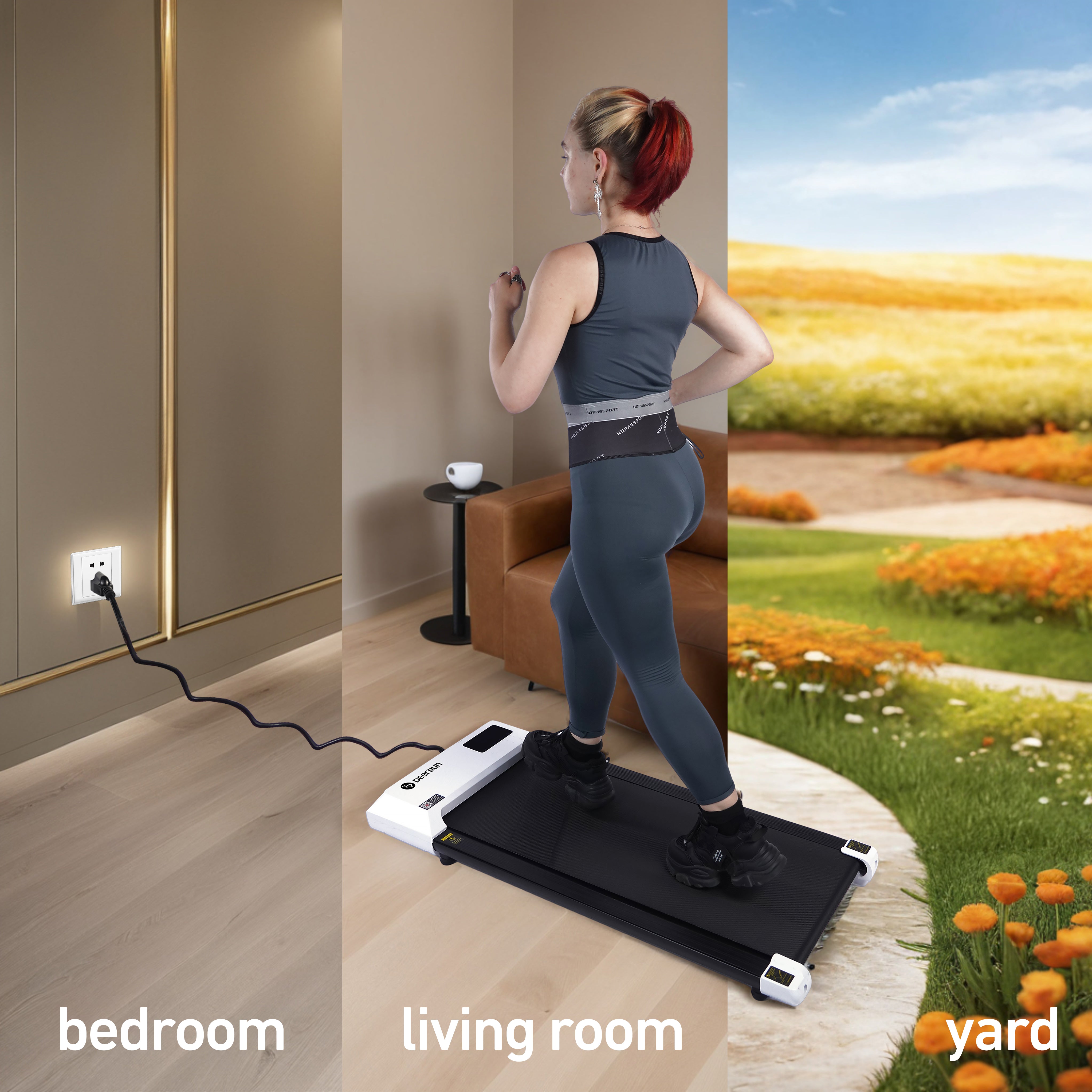
Understanding treadmill power needs is important for safe use. Treadmills use a lot of electricity. Knowing their power requirements helps avoid problems. This knowledge also guides the choice of extension cords and outlets.
Typical Wattage And Voltage
Most treadmills use between 600 and 1500 watts. The exact number depends on the model and motor size. Voltage usually ranges from 110 to 120 volts in many countries. Some heavy-duty treadmills may require 220 volts. Check your treadmill’s label or manual to find exact specs.
Why Power Matters
Using the right power ensures the treadmill runs smoothly. Too little power can cause the motor to overheat. This may lead to damage or fire risk. Extension cords that can’t handle the load are dangerous. They can melt or cause sparks. Proper power supply keeps both the treadmill and user safe.
Extension Cord Risks
Using an extension cord for a treadmill might seem easy and convenient. Yet, it can cause serious problems. Extension cords carry risks that many people do not think about. Understanding these risks helps protect your home and health.
Common Electrical Hazards
Extension cords often are not made for high-power machines like treadmills. They can cause electric shocks or short circuits. Poor quality cords may have damaged wires inside. This damage can create sparks or stop the treadmill from working. Using the wrong cord size can lead to power loss. This affects treadmill performance and safety.
Overheating And Fire Concerns
Extension cords can get hot when carrying too much electricity. Heat can melt the plastic cover of the cord. This can start a fire that spreads quickly. Overheating often happens when cords are coiled or covered. A treadmill uses a lot of power, raising the risk. Fire hazards increase with old or damaged cords. Always check cords carefully before use.
Choosing The Right Extension Cord
Choosing the right extension cord for your treadmill is very important. A wrong cord can cause power issues or damage your machine. It also can be unsafe. Understanding the cord’s size and type helps to keep your treadmill running smoothly and safely.
Cord Gauge And Length
The gauge of an extension cord shows its thickness. Lower gauge means thicker wire. Thicker wire carries more power without overheating. For treadmills, use a cord with 14 or 12 gauge. Thin cords can cause voltage drop and harm the motor.
The length of the cord matters too. Longer cords have more resistance. This can reduce the power reaching the treadmill. Choose the shortest cord that fits your space. Avoid very long cords unless they are thick and heavy-duty.
Heavy-duty Vs Standard Cords
Heavy-duty cords are stronger and safer for high-power devices. They have thicker wires and better insulation. These cords can handle the treadmill’s power without overheating or melting.
Standard cords are thinner and meant for small devices. Using them with a treadmill can be risky. They may not handle the current well, causing sparks or fire hazards.
Always pick a heavy-duty extension cord if you must use one with your treadmill. It protects your equipment and your home.
Safe Usage Practices
Using a treadmill safely requires attention to how you handle electrical connections. Improper use of extension cords can cause hazards like overheating and electrical shocks. Follow these safe usage practices to protect your treadmill and your home.
Proper Cord Placement
Place the extension cord so it does not bend sharply or get pinched. Keep it flat on the floor to avoid tripping. Do not run the cord under rugs or furniture. Make sure the cord is dry and away from water sources. These steps prevent damage and reduce fire risks.
Avoiding Overloads
Use an extension cord rated for the treadmill’s power needs. Avoid plugging multiple devices into the same outlet or cord. Overloading can cause overheating and damage the treadmill. Check the cord’s amp rating before use. A heavy-duty cord is safer for high-power machines.
Alternatives To Extension Cords
Using a treadmill safely is very important. Extension cords can cause problems. They may not handle the power needed. This can lead to overheating or fire risks. Finding better options protects your home and treadmill.
Alternatives to extension cords offer safer power solutions. They provide stable electricity and reduce hazards. Choosing the right method helps your treadmill work well. It also keeps your home secure from electrical issues.
Dedicated Outlets
A dedicated outlet is made for one device. It gives full power without sharing. This stops overloads and power drops. Many treadmills need a special outlet nearby. Installing one ensures safe and steady power. Electricians can help set up these outlets correctly.
Power Strips With Surge Protection
Power strips with surge protection guard against power spikes. They stop sudden voltage increases from damaging your treadmill. Not all power strips are strong enough. Use only high-quality, heavy-duty ones made for fitness machines. These strips add safety and convenience for your treadmill setup.
Signs Of Electrical Issues
Signs of electrical issues with a treadmill can be subtle or clear. Noticing these signs early helps prevent damage or accidents. Pay attention to your treadmill’s behavior and the electrical setup around it.
Tripped Breakers
One common sign is tripped circuit breakers. If the breaker trips often while using the treadmill, it shows an overload or short circuit. Extension cords may cause this by not handling the treadmill’s power needs. Frequent trips can damage your electrical system.
Unusual Smells Or Sounds
Strange smells, like burning plastic or rubber, signal electrical problems. Such odors often come from overheating wires or plugs. Odd sounds, such as buzzing or crackling, also warn of a fault. These signs mean immediate action is needed to avoid fire risks.

Frequently Asked Questions
Can I Use An Extension Cord With My Treadmill?
Using an extension cord with a treadmill is generally not recommended. It can cause voltage drops and overheating, risking damage to the machine and fire hazards. Always plug your treadmill directly into a grounded wall outlet for safety and optimal performance.
What Type Of Extension Cord Is Safe For Treadmills?
If you must use an extension cord, choose a heavy-duty one rated for at least 15 amps and 14-gauge wire or thicker. Ensure it has a grounded plug and is designed for high-power appliances to prevent electrical issues and ensure treadmill safety.
Will An Extension Cord Affect Treadmill Performance?
Yes, an extension cord can reduce power supply efficiency. Voltage drops may cause your treadmill to underperform or shut down unexpectedly. To maintain consistent performance, avoid using extension cords or select one that meets the treadmill’s power requirements.
Is It Safe To Run A Treadmill On An Extension Cord?
Running a treadmill on an extension cord can be unsafe if the cord is not rated for the treadmill’s power. Overheating and electrical fires are risks. Always use a properly rated extension cord or plug the treadmill directly into a wall outlet.
Conclusion
Using an extension cord with a treadmill can be risky. Treadmills need a strong, steady power supply. Extension cords might cause power drops or overheating. This can damage the machine or cause accidents. Always choose a heavy-duty cord if needed.
Check the cord’s rating matches your treadmill’s power use. Keep safety as your top priority. Better to plug the treadmill directly into a wall outlet. This keeps your workout safe and your treadmill working well. Think twice before using extension cords with high-power devices.

