Are you thinking about adding a Roman chair to your workout routine but worried it might be noisy? You’re not alone.
Many people wonder if these popular fitness tools make distracting sounds while in use. Imagine trying to focus on your exercise, only to be interrupted by creaks or squeaks. It can throw off your flow and even cut your session short.

Today's Exclusive Deals
Limited-time Exclusive Deals. Check current discount on Amazon.
Check Price on Amazon As an Amazon Associate I earn from qualifying purchases.You’ll discover what causes the noise, how loud it really is, and simple tips to keep your Roman chair quiet. Keep reading to learn how you can enjoy a peaceful, effective workout without any unexpected noise disruptions.
Roman Chair Basics
Roman chairs are popular exercise tools found in many gyms and homes. They help build strong muscles, especially in the back and core. Understanding the basics of Roman chairs can help you decide if they suit your workout needs. This section explains their design, materials, and common uses.
Design And Materials
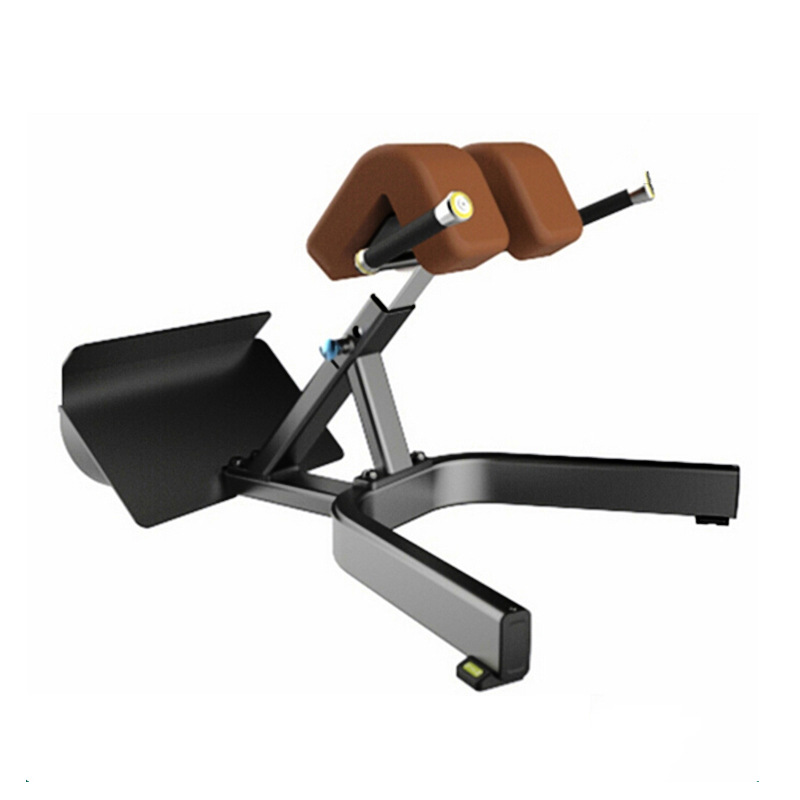
Roman chairs have a simple, sturdy design. They usually feature a padded seat and leg supports. The frame is often made of steel or heavy-duty metal. Padding is covered with vinyl or leather-like material. This combination offers comfort and durability during workouts. The design keeps your body stable while exercising.
Common Uses
Roman chairs are great for back extensions and core exercises. They target muscles like the lower back, glutes, and hamstrings. People use them for improving posture and strengthening the spine. Some use Roman chairs for sit-ups and side bends too. They are versatile tools for many fitness routines.
Noise Factors
Noise during the use of Roman chairs can affect your workout experience. Understanding the factors causing noise helps you choose the right chair. Some Roman chairs stay quiet, while others may creak or squeak.
Material Quality
High-quality materials make a big difference in noise levels. Solid wood or thick metal frames reduce sound. Cheaper materials may flex or bend, causing creaks. Padding that is firm and well-covered also lowers noise.
Construction And Joints
Strong joints hold the parts tightly together. Screws and bolts must be secure and fit well. Loose connections often cause rattling or squeaking sounds. Chairs with welded joints tend to be quieter than those with many screws.
User Movement
How you move affects noise too. Sudden or sharp movements can cause noise from the chair. Smooth and controlled motions help keep sound low. Wearing proper shoes and avoiding slipping reduce extra sounds.
Comparing Models
Roman chairs come in many styles. They differ in noise levels during use. Comparing models helps find the quietest one. Noise depends on build quality and materials. Understanding differences guides smart choices for your needs.
Budget Vs Premium
Budget Roman chairs often use cheaper materials. This can cause creaking and rattling sounds. Joints may be less tight, adding to noise. Premium models use solid frames and quality padding. They stay stable and quiet during workouts. Better craftsmanship reduces squeaks and movement sounds.
Home Vs Commercial Use
Home-use Roman chairs focus on comfort and low noise. They suit small spaces and casual training. Commercial models are built tough for heavy use. They use durable parts but may be louder. Some commercial chairs have noise-dampening features. Choosing based on use prevents unexpected noise problems.

User Experiences
User experiences with Roman chairs vary widely, especially about noise during use. Some users report quiet workouts, while others mention occasional sounds. These differences depend on factors like chair design, floor type, and exercise style.
Many appreciate the sturdy feel and smooth motion, which keep noise low. Others find squeaks or creaks distracting, mainly with older or cheaper models. Understanding common issues helps users manage noise better and enjoy their workouts more.
Silent Use Tips
Place the Roman chair on a soft mat to reduce noise. Tighten all screws and bolts before each session. Clean moving parts with lubricant to avoid creaks. Use slow, controlled movements to keep sounds minimal. Check for worn parts and replace them promptly. These small steps cut down noise effectively.
Common Complaints
Users often mention squeaking joints or loose bolts. Some report noise from the chair’s padding rubbing against the frame. Floor vibrations can amplify sounds, especially on wooden surfaces. Infrequent maintenance causes most noise problems. Poor assembly or low-quality materials also contribute to unwanted sounds.
Maintenance And Noise Reduction
Regular maintenance helps keep your Roman chair quiet and working well. Noise often comes from loose parts or dry joints. Small efforts can reduce sounds and make workouts smoother.
Lubrication And Tightening
Apply lubricant to moving parts to stop squeaks. Use a silicone spray or light oil for best results. Check bolts and screws often. Tighten any loose parts with a wrench or screwdriver. This prevents rattling and improves stability.
Surface Protection
Place rubber or foam pads under the chair’s feet. This blocks noise from floor contact. Clean the chair regularly to avoid dust buildup. Dust can cause friction and noise. Using soft mats on hard floors also cuts down sound. Protect surfaces to keep your chair quiet and safe.
Frequently Asked Questions
Are Roman Chairs Typically Noisy During Workouts?
Roman chairs are generally quiet when used properly. Noise depends on construction quality and floor surface. Well-built models with padding reduce sound effectively.
What Causes Noise When Using A Roman Chair?
Noise often comes from loose parts or friction between components. Uneven floors or lack of lubrication can also increase sound during use.
How Can I Reduce Noise From My Roman Chair?
Tighten all bolts and screws regularly. Place a mat underneath to absorb sound. Lubricate moving parts to minimize friction noise.
Is Noise Level Different Between Roman Chair Brands?
Yes, noise varies by brand and build quality. Premium models use noise-reducing materials and better engineering to ensure quieter workouts.
Conclusion
Roman chairs can make some noise, but it varies a lot. Quality and setup affect how loud they get. Proper care and tightening help keep sounds low. Most users find noise normal and not too distracting. Choosing a sturdy model reduces squeaks and creaks.
Overall, noise should not stop you from using one. Enjoy your workout with confidence and comfort.