
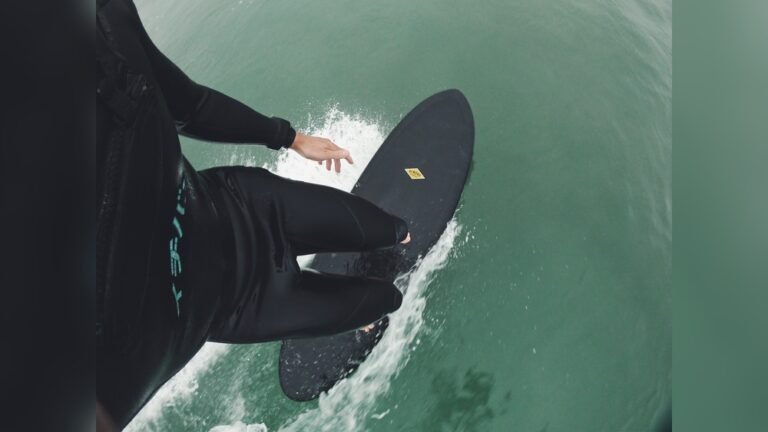
Surfing is more than just a sport—it’s a global cultural phenomenon. Whether you’re on the golden beaches of Hawaii, the rugged coasts of Australia, or the chilly waves in Northern Europe, you’ll find people riding the ocean’s energy. But what makes surfing so popular, and why do millions around the world feel drawn to this unique activity?
There’s no single answer. Surfing combines adventure, physical challenge, a deep connection with nature, and a lifestyle that appeals to all ages. Let’s explore the real reasons behind the explosive popularity of surfing.
The Unique Appeal Of Surfing
Surfing stands out from most sports. It’s not played in a stadium, nor is it measured only by scores and times. The ocean is unpredictable, and every wave is different. This sense of uniqueness keeps surfers coming back. Each session is a new experience, offering excitement and challenge, even for professionals.
Another big reason for surfing’s appeal is the feeling it gives. Gliding on a wave creates a sense of freedom and flow that’s hard to describe. Many surfers say they feel “alive” or “present” in the moment, which is rare in today’s busy world.
For some, surfing is even a form of moving meditation.
Connection With Nature
Surfing puts people right in the heart of the natural world. Surfers must read the waves, feel the wind, and understand the changing tides. This connection to the environment is powerful. For those who live in cities or work indoors, the ocean offers escape and renewal.
Being in the water also brings health benefits. Saltwater can improve skin, and exposure to sunlight helps the body make vitamin D. The ocean’s sounds and rhythms are calming, reducing stress and boosting mood.

The Surfing Lifestyle
There’s more to surfing than riding waves. It’s a lifestyle, and it’s seen as cool and free-spirited. Surfers often value travel, adventure, and simplicity. Popular culture has embraced this image, from movies like “Point Break” and “The Endless Summer” to surf music and fashion brands like Quiksilver and Billabong.
This lifestyle attracts people who want to break away from routine or seek new experiences. Some choose to live near the beach, travel for surf, or even shape their careers around the sport.
Accessible To All Ages
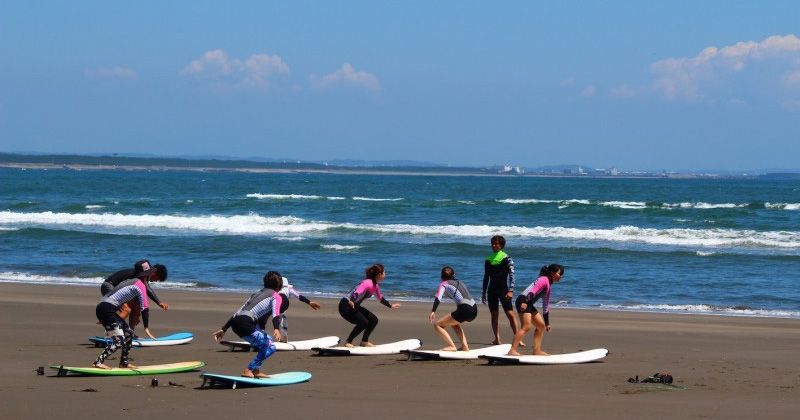
One secret behind surfing’s popularity is its accessibility. You don’t have to be young, rich, or super-fit to start. There are soft boards for beginners, small waves for learning, and schools offering lessons almost everywhere with a coastline. Children, adults, and even seniors can surf.
Today, adaptive surfing programs make the sport open to people with disabilities. Events like the ISA World Adaptive Surfing Championship show how inclusive surfing has become.
Fitness And Health Benefits
Surfing is a full-body workout. Paddling builds arm and shoulder strength. Standing on the board works your core and legs. Balancing on moving water improves stability and coordination. Surfers burn about 200-250 calories per hour, depending on wave conditions and intensity.
More importantly, surfing is fun. People stick with it because they enjoy it, not just for exercise. This makes it easier to stay active and fit over time.
Mental Health And Stress Relief
The mental benefits of surfing are often overlooked. Many surfers report that time in the water helps with anxiety, depression, or everyday stress. The ocean’s power demands focus, which blocks out worries. Achieving even small goals—like catching your first wave—gives a sense of achievement.
Doctors in some countries now prescribe surfing as “ocean therapy” for PTSD, depression, and autism. The combination of exercise, nature, and social support can be powerful for healing.
Community And Belonging
Surfing creates strong communities. Local surf clubs, online forums, and global competitions bring people together. Surfers often share knowledge, help each other with equipment, or travel together to new spots.
This sense of belonging is important, especially for young people or those seeking new friendships. Many find that the friends they make through surfing become lifelong connections.
The Thrill Of The Challenge
Surfing is not easy. Learning to paddle, stand, and ride waves takes time. The ocean changes every day, so you’re always learning. This challenge is a big part of the sport’s appeal. Surfers love to test themselves, improve, and sometimes face their fears.
Unlike sports with fixed rules or courts, surfing offers endless variety. Even experienced surfers face days where they struggle. This keeps the sport fresh and rewarding.
Travel And Adventure
Surfing opens the door to travel and adventure. Many surfers dream of riding famous waves in places like Hawaii’s Pipeline, Australia’s Gold Coast, or Indonesia’s Bali. Surf trips are often about more than just waves—they involve exploring new cultures, meeting people, and seeing beautiful natural places.
Some surfers build their lives around travel, working as instructors, photographers, or gear testers. Surf tourism is a multi-billion-dollar industry, with some regions seeing 40% of visitors coming mainly for surfing.
Here’s a quick look at how surfing compares to other adventure sports in terms of travel motivation:
| Sport | Top Travel Motivation | Popular Destinations |
|---|---|---|
| Surfing | Wave quality, culture, climate | Hawaii, Bali, Australia |
| Skiing | Snow conditions, resorts | Switzerland, Canada, Japan |
| Scuba Diving | Marine life, water clarity | Red Sea, Maldives, Great Barrier Reef |
Media, Films, And Social Influence
The growth of surfing owes much to media. Films, TV shows, and magazines have romanticized the sport for decades. Social media now lets surfers share photos and videos instantly, reaching millions worldwide.
Brands sponsor events, athletes, and even YouTube creators. This has helped spread surfing’s image and values far beyond the beach. People in landlocked countries follow surf stars and dream of trying the sport.
A famous example is the annual World Surf League events, watched by over 10 million viewers online each year. This kind of exposure inspires many to take up surfing themselves.
Surf Technology And Gear
Modern surfing is much easier thanks to better equipment. Soft-top boards, wetsuits, and leashes make learning safer and more comfortable. You don’t need a custom board or expensive gear to start.
Wetsuit technology now allows surfing in cold places like Ireland or Norway, opening up new regions. Surf forecasting apps and webcams help people find good waves quickly.
Here’s how gear improvements have helped the sport grow:
| Decade | Key Innovation | Impact |
|---|---|---|
| 1950s | Fiberglass boards | Lighter and easier to use |
| 1970s | Leash invention | Fewer lost boards, safer for beginners |
| 1990s | Wetsuit advances | Surfing in cold climates |
| 2000s | Foam soft-top boards | Accessible for all ages |
Environmental Awareness
Surfers are often among the first to notice pollution or damage to coastlines. Many become ocean advocates, joining beach clean-ups or supporting environmental groups. Organizations like Surfrider Foundation work to protect water quality and marine life.
This environmental awareness is now part of surfing culture. Eco-friendly boards, wax, and clothing are popular. Many surfers feel a duty to protect the places they love.
The Olympic Effect
Surfing made its Olympic debut at the Tokyo 2020 Games. This brought huge attention to the sport, especially in countries like Japan and Brazil. Olympic recognition has led to more funding, better facilities, and a new generation of young surfers.
After the Olympics, many national sports programs added surfing, and participation rates rose sharply. For example, in Brazil, the number of surf school students grew by 30% in 2021.
Gender And Diversity Growth
Surfing is no longer just a male-dominated sport. Women’s surfing has exploded, with more female athletes, events, and role models. Surfers like Carissa Moore and Stephanie Gilmore are household names.
Diversity has also grown. Programs for underprivileged youth and adaptive surfing have made the sport more inclusive. Surfing is now practiced in over 120 countries, from Senegal to Israel.
Let’s compare men’s and women’s participation in major surf competitions:
| Event | Men’s Entries (%) | Women’s Entries (%) |
|---|---|---|
| World Surf League (2022) | 54 | 46 |
| ISA World Surfing Games | 57 | 43 |
Non-obvious Insights: What Beginners Miss
- Timing matters as much as skill. Many think surfing is just about balance and strength, but catching waves is about being in the right place at the right time. Learning to read the ocean takes practice and patience.
- Local etiquette is vital. Surf spots have unwritten rules—like who has the right of way on a wave. Ignoring these can lead to conflict or even accidents. Beginners often overlook this, but respect in the lineup builds a better experience for everyone.
Why Surfing Is Likely To Stay Popular
Surfing’s popularity is not a trend. Its mix of adventure, health, culture, and nature makes it appealing to all ages. The sport keeps evolving, with new technology, media, and events bringing in fresh fans every year. As more people seek outdoor activities that improve both body and mind, surfing will remain a top choice for many.
For anyone looking to start, all you need is a board, a beach, and a willingness to learn. The rest is a journey—one wave at a time.
If you want to dive even deeper into surfing’s history and global impact, check out the official Wikipedia entry on surfing.

Frequently Asked Questions
Why Do People Say Surfing Is Addictive?
Surfing gives a strong feeling of excitement and joy, especially when you catch a good wave. The combination of physical effort, focus, and the ocean’s energy releases endorphins—your body’s “happy chemicals. ” Many surfers chase this feeling, making them want to surf again and again.
Is It Hard To Learn Surfing As An Adult?
It’s possible for adults to learn surfing, even with no previous experience. Most beginners can stand on a board within a few lessons. The key is to start with small waves, use a big soft-top board, and be patient with yourself.
Age is less important than attitude.
What Equipment Do I Need To Start Surfing?
You need a surfboard (a soft-top is best for beginners), a leash to keep the board attached to you, and a wetsuit if the water is cold. Most surf schools provide this gear for lessons. Sunscreen and surf wax are also recommended.
How Safe Is Surfing?
Surfing has risks, such as strong currents, hitting the board, or collisions with other surfers. However, using proper equipment, choosing safe beaches, and following surf etiquette make it much safer. Always learn from experienced instructors and never surf alone as a beginner.
Can You Surf Anywhere In The World?
You need waves to surf, so not every beach is suitable. Most surfing happens on ocean coasts, but some lakes and rivers have surfable waves too. Today, artificial wave pools are being built in places far from the sea, making surfing possible almost anywhere.
Surfing’s popularity will likely continue to grow as more people discover its unique rewards. Whether you’re seeking adventure, health, or simply a fresh perspective, the world of surfing is open to all.
