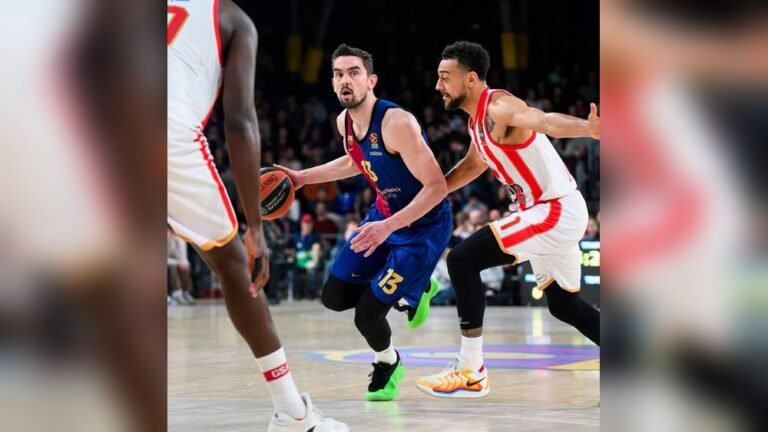
Basketball is a high-speed, physical sport. When you watch a game, you often notice players wearing snug, stretchy sleeves on their arms. These arm sleeves are now part of the signature look in both the NBA and local playgrounds. But why do so many basketball players wear them? Is it just for style, or do these sleeves serve a real purpose? Let’s explore the reasons behind this trend and discover how arm sleeves have become more than just a fashion statement.
The Origin Of Arm Sleeves In Basketball
The use of arm sleeves in basketball started in the early 2000s. The trend is often linked to Allen Iverson, a famous NBA player. In 2001, Iverson began wearing a sleeve on his right arm to help with a persistent elbow injury called bursitis. After that, other players noticed and started trying sleeves themselves. Soon, arm sleeves became popular across the league and with fans.
But the reasons for wearing arm sleeves have grown beyond injury support. Today, players have many motivations—some practical, some personal.
Physical Benefits Of Wearing Arm Sleeves
Compression And Muscle Support
One of the main reasons athletes use arm sleeves is for compression. The tight fabric gently squeezes the muscles in the arm. This has several benefits:
- Improved blood flow: Compression helps the blood move back to the heart more efficiently. Better circulation means muscles get more oxygen, which can reduce fatigue.
- Muscle stability: The snug fit provides a little extra support. This can help limit small, unnecessary movements that cause muscle vibration and soreness.
- Reduced swelling: After intense activity, compression can help prevent swelling in the arms.
Injury Protection And Recovery
Basketball is tough on the body. Players are constantly bumping, falling, and making quick moves. Arm sleeves can help in several ways:
- Protecting minor injuries: If a player has a cut, bruise, or scrape, a sleeve can cover it and keep it clean. Some sleeves are even padded for extra protection.
- Reducing risk of re-injury: Players recovering from an elbow or arm injury may wear a sleeve to remind themselves to be careful or to shield the area from contact.
Temperature Regulation
Gyms can get hot, but sometimes the air conditioning is strong, and muscles cool down too quickly. Arm sleeves help keep the muscles warm. Warm muscles are less likely to get injured. At the same time, sweat-wicking fabrics pull moisture away from the skin, keeping the arm dry and comfortable.
Enhanced Shooting Confidence
Some players feel that a sleeve gives them a more consistent shot. The smooth fabric can reduce friction between the arm and the jersey, helping their shooting motion feel more natural. This is a psychological benefit but can make a real difference.
For example, some NBA stars have said they feel “off” if they play without their usual sleeve.
Psychological And Style Reasons
Personal Confidence And Routine
Sports are full of rituals and habits. For some players, putting on an arm sleeve is part of getting in the zone. It can act as a signal to the mind: “Game time.” When players believe a sleeve helps their performance, it can boost their confidence and focus.
Superstition
Basketball players are known for their superstitions. A sleeve might be worn after a great game, or never washed if the team is on a winning streak. Sometimes, the reason for wearing a sleeve is simply “it worked last time.
”
Team And Personal Branding
Arm sleeves are now a big part of basketball fashion. Players often choose bright colors or custom designs to stand out. Teams may use them to unify their look. Young fans copy their favorite stars, leading to even more players wearing sleeves.
Let’s compare the main practical and psychological reasons in a clear way:
| Practical Reasons | Psychological/Style Reasons |
|---|---|
| Compression & support | Confidence boost |
| Injury protection | Superstition/ritual |
| Temperature control | Team identity |
| Reduced swelling | Personal branding |
Types Of Arm Sleeves And Their Features
Not all sleeves are the same. There are several variations, each with its own benefits.
Compression Sleeves
These are the most common type. Made with stretchy materials like spandex and nylon, they offer a snug fit for compression and support. Some have UV protection for outdoor courts.
Padded Sleeves
These sleeves add extra cushioning at the elbow or forearm. The padding can help absorb impacts from falls or collisions. Players who dive for loose balls or play a physical style often choose padded sleeves.
Custom And Fashion Sleeves
Some sleeves are made mainly for style. These may feature a player’s number, team logo, or unique color patterns. While they might not offer as much support, they let players express their identity.
Here’s a quick comparison of sleeve types:
| Type | Main Benefit | Common Users |
|---|---|---|
| Compression | Support & circulation | All players |
| Padded | Impact protection | Physical players, post players |
| Fashion | Style/identity | Fans, trend followers |
Who Wears Arm Sleeves? Examples From The Nba
Many famous basketball players are known for wearing arm sleeves. Here are a few examples:
- Allen Iverson: Started the trend for medical reasons, but kept wearing sleeves throughout his career.
- LeBron James: Often wears a sleeve for support and style.
- Dwyane Wade: Used sleeves to cover injuries and for team color coordination.
- Carmelo Anthony: Chose sleeves for both comfort and appearance.
- Russell Westbrook: Uses bright sleeves as part of his unique look.
Even college and youth players have picked up the trend, making arm sleeves common at all levels of the sport.
Common Myths And Misunderstandings
Some people believe that arm sleeves can magically make you play better or shoot perfectly. While sleeves do offer real benefits, there are also some misconceptions.
- Myth: Arm sleeves prevent all injuries. In reality, they only offer light protection. They cannot stop serious injuries like broken bones.
- Myth: Wearing a sleeve improves shooting skill. There’s no evidence that a sleeve directly improves accuracy. The effect is mostly mental.
- Myth: All players need sleeves. Some find them uncomfortable or unnecessary. It’s a personal choice.

Key Factors When Choosing An Arm Sleeve
If you’re thinking about trying an arm sleeve for basketball, keep these points in mind:
- Fit: The sleeve should be snug but not too tight. A good fit offers support without cutting off circulation.
- Material: Look for breathable, moisture-wicking fabrics. This keeps your arm cool and dry.
- Length: Some sleeves go from wrist to upper arm, others only cover the forearm or elbow. Choose what feels best.
- Padding: If you play physical or fall often, padded sleeves offer extra protection.
- Style: Pick a color or design that matches your team or personality.
- Durability: Check reviews for sleeves that last, especially if you play often.
Here’s a quick look at the key factors and their importance for buyers:
| Factor | Why It Matters |
|---|---|
| Fit | Comfort & effectiveness |
| Material | Moisture control |
| Padding | Impact protection |
| Style | Personal preference |
Non-obvious insight: Some players find that sleeves help them avoid “burn” from sliding on the gym floor. The smooth material protects the skin against scrapes, which can be a real advantage during aggressive play.
Another detail many beginners miss is that not all sleeves are allowed in every league. Some youth leagues have rules about sleeve color or logo size. Always check your league’s rules before buying.
Are There Any Drawbacks To Wearing Arm Sleeves?
While arm sleeves have many benefits, there are a few downsides:
- Discomfort: If the sleeve is too tight, it can restrict movement or cause numbness.
- Overheating: In a hot gym, some sleeves can trap heat, making your arm sweaty.
- False sense of security: Players might rely too much on a sleeve for protection, ignoring proper injury care.
It’s important to choose the right sleeve and pay attention to your body. If you feel pain or tingling, remove the sleeve and check for problems.

Scientific Studies And Real Performance
Do arm sleeves really make a difference? Research shows that compression sleeves can help with muscle soreness and blood flow. For example, a study published by the *Journal of Sports Sciences* found that compression garments reduced muscle pain after exercise and improved temperature control. However, the effect on actual game performance (like shooting percentage) is less clear.
Many benefits may be psychological, but if a player feels more confident, that can still help their game. The NBA does not require or ban arm sleeves, so it’s up to each player to decide.
For more science on sports compression garments, check out this Wikipedia article on compression garments.
Care And Maintenance Tips
To get the most out of your arm sleeve, proper care is important:
- Wash after each use to remove sweat and bacteria.
- Air dry instead of using a dryer, which can damage elastic fibers.
- Replace the sleeve if it loses stretch or gets holes.
A dirty or stretched-out sleeve won’t provide the benefits you need.
Final Thoughts
Arm sleeves in basketball are much more than a style trend. They started as a solution for injury support and quickly became a tool for compression, protection, and confidence. Whether you’re a pro or a beginner, an arm sleeve can help you feel comfortable and focused on the court. Still, they’re not a magic fix—choosing the right fit and using them properly is key. With the right sleeve, you might find a little extra edge in your game, or maybe just enjoy looking the part.
Frequently Asked Questions
Why Do Basketball Players Wear Only One Arm Sleeve?
Many players wear a sleeve on their shooting arm. This can help with muscle support and comfort, or just be part of their personal style. Sometimes, it’s for injury protection on that specific arm.
Do Arm Sleeves Really Improve Performance?
There’s limited scientific evidence that sleeves directly improve shooting or speed. However, they can help with muscle soreness, swelling, and confidence, which may support performance indirectly.
Are Arm Sleeves Allowed In All Basketball Leagues?
Most leagues allow arm sleeves, but there can be rules about color and logos. For example, the NBA requires sleeves to match the team’s uniform. Always check your league’s guidelines before wearing one.
How Do I Know What Size Arm Sleeve To Buy?
Measure the circumference of your bicep and forearm, then compare to the manufacturer’s size chart. The sleeve should feel snug but not restrict movement or cause numbness.
How Often Should I Replace My Basketball Arm Sleeve?
Replace your sleeve if it loses elasticity, gets holes, or doesn’t stay in place. With heavy use, this might be every few months. Proper washing and care can help sleeves last longer.

