

Catching a wave brings a rush like few other sports. But if you’ve ever watched surfers waiting in the lineup, you might wonder: who actually gets to go first? Understanding priority on a wave is key to both safety and respect in surfing. This isn’t just about being polite—it’s about avoiding collisions and making sure everyone gets a fair chance at good waves. Whether you’re a beginner or have surfed for years, knowing these rules will help you fit in and enjoy your session more.
Why Priority Matters In Surfing
When many surfers want the same wave, arguments and accidents can happen. Priority rules help organize the lineup so everyone knows when it’s their turn. This keeps things friendly and prevents injuries. Unlike some sports with strict referees, surfing relies on a mix of tradition, local customs, and self-enforcement.
Ignoring priority can make you unpopular, or even get you hurt.
A key insight: priority is not always about who is closest to the peak—sometimes, local rules or contest formats change things. Plus, wave sharing customs can be different from one beach to another.
The Basic Rule: The Surfer Closest To The Peak
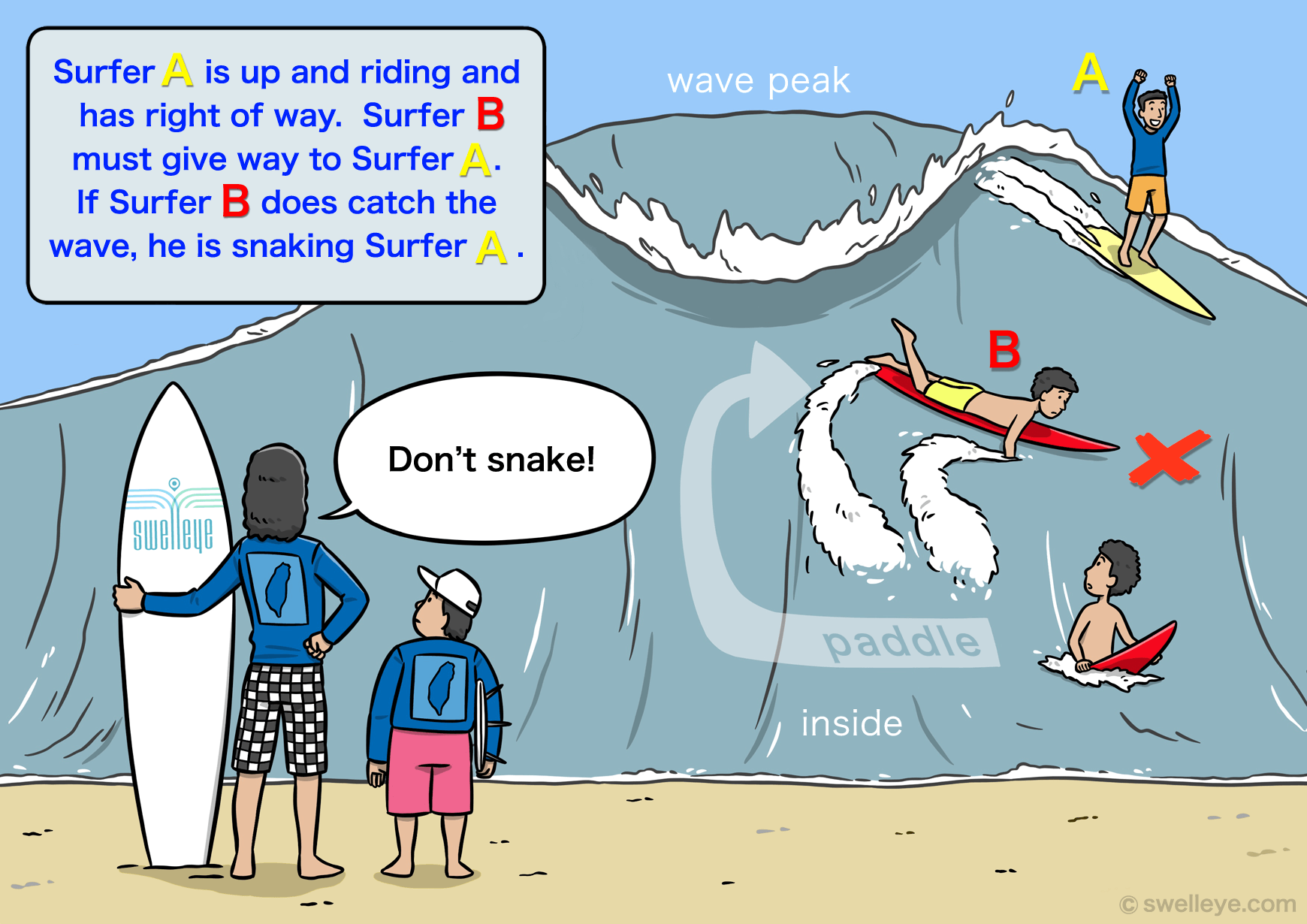
The most important rule is simple: the surfer closest to the breaking part of the wave (the “peak”) has the right to ride it. Imagine a wave starting to break from the middle. If two surfers are paddling for it, the one who is nearer to where the wave first breaks gets priority.
For example, if the wave is breaking left (from right to left when looking at shore), the surfer on the right side is closest to the peak. If it’s breaking right, the surfer on the left side is closest. This rule helps prevent “dropping in,” which is when someone takes off in front of another who already has the right of way.
Common Terms: Dropping In, Snaking, And More
Before diving deeper, it helps to know the key terms:
- Dropping in: Taking off on a wave when another surfer has priority.
- Snaking: Paddling around someone to get closer to the peak and steal their priority.
- Shoulder: The open, unbroken part of the wave away from the peak.
- Set: A group of waves coming in.
Understanding these will help you follow the rules and spot when others break them.
How Priority Works In Different Situations
Surfing isn’t always as simple as one surfer to a wave. Let’s look at some common scenarios and how priority applies.
1. Two Surfers Going For The Same Wave
Who has priority? The one closest to the peak, no matter who paddled first. If you’re further from the breaking part, you should back off. This encourages fair sharing and safety.
2. Multiple Peaks Or A-frames
Some waves break in both directions, forming an A-frame. Here, one surfer can go left, and another can go right, both with their own “shoulder.” Each has priority for their direction, as long as they don’t cross paths.
3. Party Waves
Sometimes, you’ll see several people riding the same wave. In crowded spots, this is common, but not ideal. Party waves can be dangerous, especially if surfers go in the same direction. It’s usually only okay among friends who agree to share.
4. Longboarders And Shortboarders
Longboards catch waves earlier and further out. But this does not mean longboarders always have priority. The same rule applies: closest to the peak gets the wave. Respect between board types keeps the lineup friendly.
5. Paddling Back Out
After a ride, you need to return to the lineup. Don’t paddle through the path of someone riding a wave. Instead, use the channel (a deeper area where waves don’t break), or duck dive/roll to avoid getting in the way.
Priority In Surf Contests
In surfing competitions, priority works differently. Judges keep track of who has priority, and only that surfer may catch a wave. Once they take a wave, priority passes to the next competitor. This system is stricter and removes most arguments.
Here’s a simple comparison between free surfing and contests:
| Situation | Free Surfing | Contest Surfing |
|---|---|---|
| Priority System | Unwritten rules, self-enforced | Official system, judges decide |
| Penalties | Social (bad reputation, arguments) | Scores deducted, warnings |
| Wave Sharing | Occasionally allowed | Only one per wave (usually) |
The contest system is fair but can feel strict. In free surfing, knowing and following the local unwritten rules is important.
How To Read The Lineup And Spot Priority
Beginners often miss subtle cues in the lineup. Here’s what to look for:
- Watch the most experienced surfers. They know who has priority and usually respect it. Follow their example.
- Notice who is waiting at the peak. The surfer sitting deepest usually has next priority.
- See who is paddling with intent. A surfer sprinting for the peak probably has priority.
- Listen and observe. Sometimes surfers communicate with shouts or gestures.
A common mistake: thinking paddling the hardest means you get the wave. It’s all about position, not effort.

Local Rules And Unwritten Customs
Each surf spot can have unique customs. For example, at busy beaches, locals may take turns or use a rotation system. At remote spots, the rules may be more relaxed. Always take time to observe before paddling out.
In some areas, locals get first choice as a matter of respect. This isn’t official, but ignoring it can cause tension. If you travel, be humble and ask about local rules.
Special Situations: Exceptions And Grey Areas
Not every situation is clear. Here are some common exceptions:
1. Split Peaks
If a wave breaks both left and right, two surfers can take off at the same time, each going in their own direction. But if the wave closes out, or one crosses the other’s path, a collision can happen. Always communicate if you’re sharing a split peak.
2. Priority When Giving A Wave
Sometimes, surfers “give” a wave to someone else, especially to beginners or friends. This is done with a nod, wave, or shout. Make sure the other surfer knows before you go.
3. Priority When A Surfer Falls Or Misses The Wave
If a surfer misses their takeoff or falls, the next closest surfer to the peak gets priority. Don’t rush in unless you’re sure they’re out of the way.
4. Taking Off Behind Someone
If you catch a wave further behind someone (deeper), you technically have priority, but it’s risky. If you’re not sure, back off to avoid collisions.
Common Mistakes And How To Avoid Them
Even experienced surfers break the rules. Here’s what to watch out for:
- Dropping in: Don’t paddle for a wave if someone is already up and riding, especially if they’re closer to the peak.
- Snaking: Avoid paddling around others just to get closer to the peak. It’s considered rude and greedy.
- Not communicating: If you want to share a wave, make it clear with body language or a shout.
- Ignoring locals: Always respect those who surf there regularly.
A helpful tip: If you’re not sure, let the other surfer go. It’s better to miss a wave than cause a crash or anger someone.
How To Be A Good Surf Citizen
Surfing is about fun and community. You can help keep the vibe positive by:
- Taking turns: Don’t hog every wave, even if you can.
- Encouraging beginners: Give them space and time to learn.
- Helping after a collision: Apologize, check if the other surfer is okay, and move on.
- Learning local customs: Each spot is different—ask if you’re unsure.
Surfers respect those who follow the rules and show kindness. Over time, you’ll earn respect and more waves.
Comparing Lineup Etiquette Around The World
Different countries and regions can have their own unwritten rules. Here’s a quick look:
| Region | Lineup Etiquette | Common Practice |
|---|---|---|
| Australia | Strict with priority rules | Locals often enforce turns |
| Hawaii | Respect for elders and locals | Rotation system at some spots |
| California | Mix of casual and strict, depends on spot | Communication is important |
| France | Friendly but can be competitive | Locals get priority at busy beaches |
This shows how important it is to observe and adapt when surfing somewhere new.
What To Do If There’s A Dispute
Arguments sometimes happen. If you’re in a priority dispute:
- Stay calm. Don’t shout or get physical.
- Apologize if you’re wrong. A simple “sorry” goes a long way.
- Move away if needed. Give space to cool down.
- Talk later on the beach. Many problems can be solved with a conversation.
Remember, no wave is worth a fight or injury. Most surfers just want to enjoy the ocean.
Advanced Tips For Reading Priority
Here are some insights even advanced surfers sometimes miss:
- Anticipate sets. Watch for ocean patterns so you’re in the right spot before the next set arrives.
- Read body language. Experienced surfers signal with their paddle direction or gaze.
- Respect older surfers and women. In some lineups, extra respect is given to elders or female surfers, even if they’re not at the peak.
Frequently Asked Questions
What Happens If Two Surfers Catch The Same Wave?
If both are at the peak and go different directions (A-frame), they both have priority for their direction. If they go the same way, the surfer closer to the peak keeps priority, and the other should pull off.
Can Beginners Claim Priority?
Yes, beginners have the same rights, but it’s wise to yield if you’re unsure. More experienced surfers will often give beginners a wave as a courtesy, but always check before going.
Is Dropping In Ever Okay?
Rarely. Dropping in is only okay if the other surfer invites you to share the wave (with a shout or gesture). Otherwise, it’s seen as rude or dangerous.
Do Surfboards Affect Priority?
No. Whether you use a longboard, shortboard, or bodyboard, the same priority rule applies: closest to the peak gets the wave.
Where Can I Learn More About Surfing Etiquette?
You can find more details on the Wikipedia page on surfing etiquette for a deeper look at global customs and rules.
Surfing is more than just riding waves—it’s about community, respect, and sharing the ocean. By understanding who has priority on a wave and following these guidelines, you’ll enjoy safer, friendlier sessions and make more friends in the water.

