

Surfing captures the imagination of many. The image of riders gliding on blue waves is both beautiful and thrilling. But where did surfing originate? The answer is more complex than just naming a single place. Surfing’s roots run deep in culture, history, and even mythology.
To truly understand its beginnings, we need to look at ancient societies, their traditions, and how the sport spread across the globe. This article takes you on a journey through time and across oceans to uncover the true origins of surfing.
The Ancient Roots Of Surfing
Surfing In Ancient Polynesia
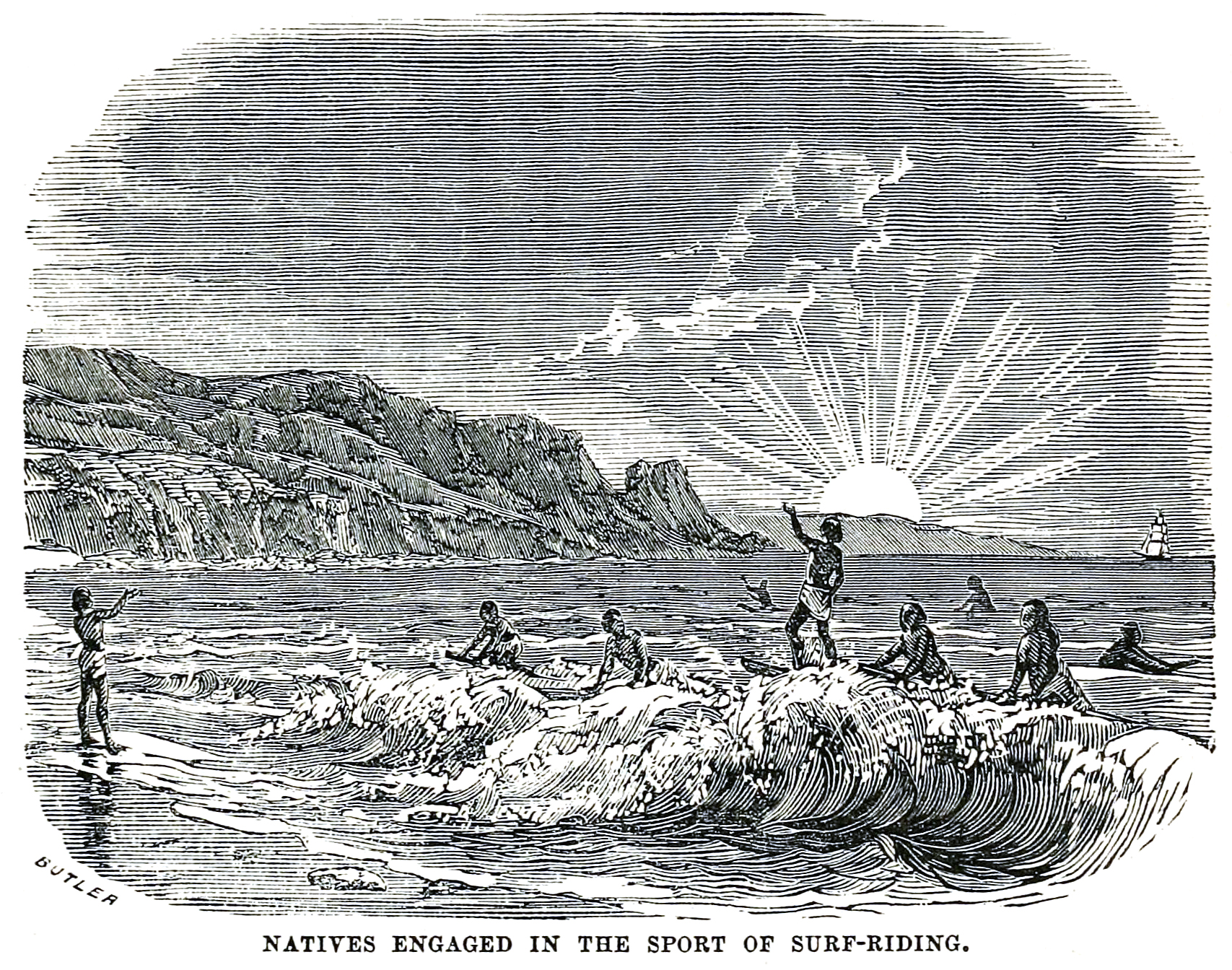
Most historians agree that surfing began in Polynesia, a vast region of the Pacific Ocean. This area includes present-day Hawaii, Tahiti, Samoa, and more. Thousands of years ago, the Polynesians traveled across the ocean in double-hulled canoes, mastering the waves and learning how to ride them.
In Polynesia, wave-riding was not just a sport. It was a tradition and part of daily life. Early Polynesians used wooden boards to glide along the waves, often for fun but sometimes for practical reasons, like fishing or traveling between islands.
The earliest written records of surfing come from European explorers who visited Tahiti in the 18th century. They described islanders skillfully riding waves, and these reports amazed people back in Europe.
Surfing’s Sacred Role In Hawaii
Hawaii became the heart of surfing. The Hawaiians developed the sport into what we recognize today. They called it he’e nalu, which means “wave sliding.” Surfing was more than just entertainment; it was a part of Hawaiian religion, social structure, and even politics.
Chiefs and nobility, known as the ali’i, often had special surfboards and the best beaches reserved for their use. Commoners could surf too, but the royals set the trends. Surfing ability could show status and skill, and there were even contests to prove who was best. Rituals surrounded the making of surfboards, and prayers were offered to the gods for good waves. For Hawaiians, riding the waves was a spiritual connection with the ocean.
The Spread Of Surfing Beyond Polynesia
First European Encounters
When Captain James Cook and his crew arrived in Hawaii in 1778, they were among the first outsiders to see surfing. Crew member Joseph Banks wrote about Tahitians surfing in 1769, and other explorers described similar scenes in Hawaii and Samoa. These early reports sparked curiosity, but surfing did not spread to Europe right away.
The Decline And Revival Of Surfing
In the 19th century, Western missionaries and colonizers tried to suppress Hawaiian culture, including surfing. They saw it as a pagan practice, and with new laws and changing lifestyles, surfing nearly disappeared in Hawaii by the late 1800s.
However, by the early 20th century, a revival began. Hawaiians and a few visiting foreigners wanted to bring back the lost art of surfing. One key figure was Duke Kahanamoku, an Olympic swimmer and proud Hawaiian. He traveled the world giving surfing demonstrations, inspiring people in California, Australia, and beyond.
Surfing Comes To California And Australia
In the early 1900s, surfing spread from Hawaii to California and Australia. In 1907, Hawaiian George Freeth gave surfing exhibitions in Los Angeles, introducing the sport to Americans. California’s beaches and warm weather made it a perfect new home for surfing.
Australia’s first taste of surfing came in 1915, when Duke Kahanamoku visited Sydney. He showed locals how to ride waves at Freshwater Beach, and soon Australians were making their own boards and catching waves.
What Made Surfing Thrive In Hawaii?
Hawaii’s special geography and culture made it the perfect place for surfing to develop. The islands have consistent, powerful waves thanks to their location in the Pacific Ocean. The climate is warm year-round, and many beaches have gentle slopes that create long, rideable waves.
But geography is only part of the story. The Hawaiian people’s respect for the ocean, their craftsmanship in making surfboards, and the sport’s role in society all contributed to surfing’s growth. Hawaiians had different types of boards for different uses:
- Alaia: Thin, flat boards for skilled surfers
- Olo: Longer boards used by chiefs
- Paipo: Small bellyboards, sometimes for children
These boards were carved from local woods like koa or wiliwili. Each required skill to shape and maintain.
Surfing In Other Ancient Cultures
Peru: The Caballitos De Totora
While most experts credit Polynesia as surfing’s birthplace, some point to Peru as another early site of wave-riding. Fishermen in Peru have used caballitos de totora—small reed boats—for over 3,000 years. They ride these boats through the surf to return from fishing, standing or kneeling, much like surfers. However, most historians agree this was more for fishing than for sport.
Africa: Early Wave Riding
Some evidence suggests that people in West Africa also rode waves on wooden planks or canoes. Reports from the 1640s describe Africans on the coast of Ghana riding waves for fun. This practice did not develop into a sport like it did in Hawaii, but it shows that the idea of riding waves is not unique to one place.

The Evolution Of Surfboard Technology
Surfboards have changed dramatically since ancient times. Early Hawaiian boards could be up to 16 feet long and weigh over 100 pounds. They were made from solid wood with no fins. Today’s boards use lightweight materials like foam and fiberglass, making them easier to handle and more maneuverable.
Here’s a comparison of ancient and modern surfboards:
| Feature | Ancient Hawaiian Boards | Modern Surfboards |
|---|---|---|
| Material | Koa or wiliwili wood | Foam, fiberglass, carbon fiber |
| Length | Up to 16 feet | 5 to 10 feet (average) |
| Weight | 60–100 pounds | 5–15 pounds |
| Fins | None | Single, twin, or tri-fin setups |
The lighter weight and new shapes of modern boards allow surfers to perform more complex maneuvers. Still, many surfers respect and sometimes recreate ancient board designs to connect with the sport’s heritage.
The Global Spread Of Surfing Culture
Surfing’s Boom In The 20th Century
After its revival, surfing grew quickly across the world. In the 1950s and 1960s, surf culture exploded in California and Australia. Surf clubs formed, and movies like “Gidget” and “The Endless Summer” made surfing popular everywhere. Surfing became not just a sport, but a lifestyle, with its own music, fashion, and language.
Surfing Around The World Today
Now, surfing is enjoyed on almost every continent. From the cold waves of Ireland and Norway to the tropical beaches of Indonesia and Brazil, people everywhere ride waves. International competitions, like the World Surf League’s Championship Tour, bring surfers together from all over the globe.
Here’s a quick look at surfing’s global reach:
| Country | Famous Surf Spot | Surf Culture Notes |
|---|---|---|
| USA (Hawaii, California) | Waikiki, Malibu | Birthplace of modern surfing |
| Australia | Bondi Beach, Gold Coast | Strong surf clubs and competitions |
| Peru | Punta Hermosa | Home of ancient caballitos de totora |
| Indonesia | Bali (Uluwatu) | World-class waves, surf tourism |
| South Africa | Jeffreys Bay | Big wave surfing, wildlife |
Non-obvious Insights About Surfing’s Origin
- Surfing was a marker of social class in Hawaii. Chiefs and nobility sometimes banned commoners from certain beaches or types of boards. Mastering big waves was a way for young chiefs to prove their leadership.
- Wave riding was not exclusive to the ocean. Hawaiians sometimes surfed rivers or standing waves created by tides, showing that the sport’s definition was more flexible than we think today.
- Board making was a sacred process. Hawaiians believed certain trees were chosen by the gods for surfboards. Rituals included offerings and chants to ask for permission before cutting the wood.
- Early surfboards had no fins. Modern fins, which give stability and allow sharp turns, were not invented until the 1930s. Before that, surfers had to rely on skill and balance alone.
- The decline of surfing was linked to colonization. Missionaries did not only ban surfing for religious reasons; they also discouraged the traditional gatherings and celebrations that went with it, further weakening Hawaiian culture.
Why Did Surfing Develop In Polynesia?
Polynesia’s geography—scattered islands with consistent waves—made surfing practical and fun. The Polynesian people were skilled sailors and watermen, spending much of their lives on the ocean. They had a deep respect for the sea, which they saw as both a provider and a spiritual force.
This relationship with the ocean made riding waves a natural part of life.
How Surfing Changed Over Time
Surfing has changed in many ways, from the boards to the people who ride them. Here’s a short timeline of major events:
| Year | Event |
|---|---|
| Pre-1700s | Polynesians develop wave-riding traditions |
| 1769 | First written record of surfing in Tahiti by Joseph Banks |
| 1778 | Captain Cook visits Hawaii, observes surfing |
| 1800s | Surfing declines due to colonization |
| 1907 | Surfing introduced to California by George Freeth |
| 1915 | Duke Kahanamoku introduces surfing to Australia |
| 1930s | First surfboard fins invented |
| 1950s–1960s | Surf culture explodes worldwide |
| 2021 | Surfing debuts in the Olympic Games (Tokyo) |
The Cultural Importance Of Surfing Today
Surfing is now more than a sport. It is a way for people to connect with nature, test themselves, and share a sense of community. Surfing has influenced art, music, and even language. Words like “stoked” and “hang ten” have become part of everyday speech.
Many people travel the world searching for the perfect wave, and surfing competitions draw huge crowds.
But for native Hawaiians, surfing is still a link to their heritage. Efforts to revive traditional board shapes and styles show respect for the past. Modern surfers often look to Hawaii for inspiration, honoring the place where surfing as we know it truly began.
If you want to dive deeper into the history of surfing, you can find more at the Wikipedia page on the history of surfing.

Frequently Asked Questions
Where Did Surfing Really Start?
Surfing as a sport began in Polynesia, especially Hawaii, where it became a cultural tradition. There is also evidence of wave riding in Peru and West Africa, but Hawaii developed the style of surfing we know today.
What Is The Oldest Record Of Surfing?
The first written records come from the late 1700s. European explorers described Polynesians in Tahiti and Hawaii riding waves on wooden boards.
Did Ancient People Surf For Sport Or For Work?
In Hawaii, surfing was mostly for sport and recreation, though it also had spiritual meaning. In Peru, wave riding was part of fishing, not just for fun.
How Did Surfing Spread To The Rest Of The World?
Surfing spread mainly through Hawaiian ambassadors like Duke Kahanamoku, and through exhibitions in California and Australia in the early 1900s.
What Made Hawaiian Surfing Unique?
Hawaiian surfing was special because of its connection to social status, rituals, and the use of different types of boards for different people and purposes.
Surfing’s origins are rich and complex, rooted in ancient traditions and shaped by geography, culture, and history. Whether you are a beginner or a surf historian, understanding where surfing came from helps you appreciate the true spirit of riding waves.
