
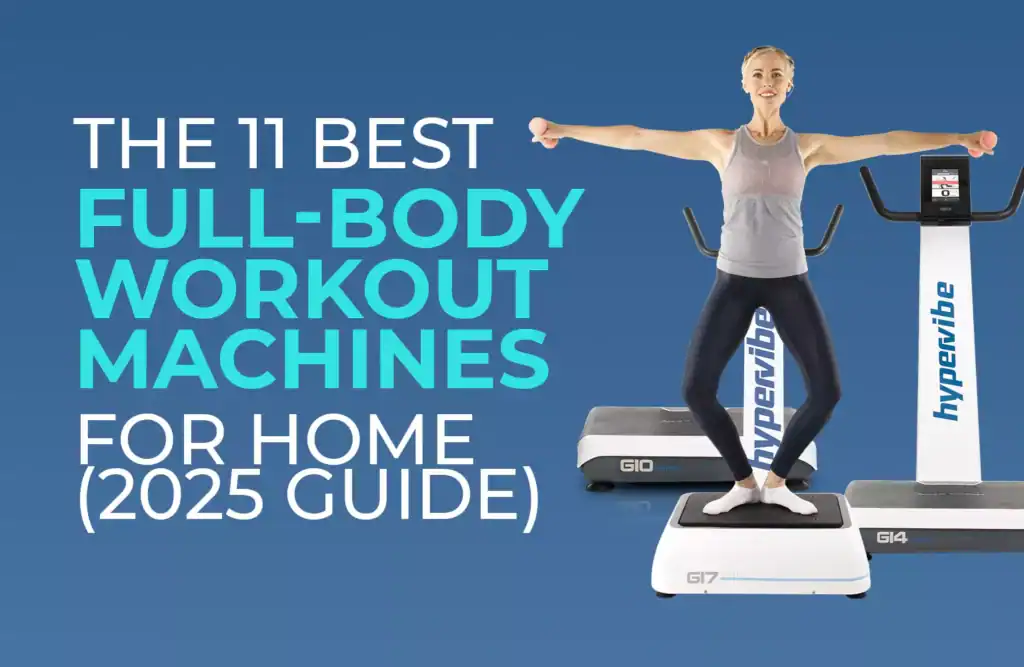
Looking to get the most out of your home gym? You want a workout that hits every muscle, saves time, and keeps you motivated.
But with so many options, how do you choose the best full-body workout that fits your space and goals? This article will guide you step-by-step to find the perfect routine for you. By the end, you’ll have a clear plan to boost your strength, burn fat, and feel great—all without leaving your home.
Ready to transform your workouts and see real results? Let’s dive in.
Benefits Of Full-body Workouts
Full-body workouts use exercises that target many muscles at once. They help you get fit without needing a lot of equipment.
You can do these workouts in a home gym easily. They save time and improve your overall strength and health.
Time Efficiency
Full-body workouts let you train all muscles in one session. This means fewer workouts each week.
You spend less time exercising but still get good results. This is ideal for busy schedules.
Balanced Muscle Development
Working all muscle groups prevents imbalances. You build strength evenly across your body.
This balance helps improve posture and reduces injury risk. It supports better movement in daily life.
Increased Calorie Burn
Full-body workouts use many muscles, which burns more calories. This helps with weight control.
More muscle use means your body keeps burning calories even after the workout ends.

Essential Equipment For Home Gyms
Setting up a home gym needs the right tools. Good equipment helps you do full-body workouts.
Choosing the right gear makes exercises safe and effective at home.
Free Weights
Free weights are basic tools for strength training. They include dumbbells, kettlebells, and barbells.
They help build muscle and improve balance. You can use them for many exercises.
- Dumbbells: Good for arms and shoulders
- Kettlebells: Great for dynamic movements
- Barbells: Useful for heavy lifts
Resistance Bands
Resistance bands are stretchy and light. They add resistance without heavy weights.
They help improve strength and flexibility. Bands are easy to store and use anywhere.
- Light bands: Best for beginners
- Medium bands: Good for most workouts
- Heavy bands: For strong resistance
Bodyweight Tools
Bodyweight tools use your own weight for exercise. They include pull-up bars and push-up stands.
These tools help increase strength and control. They are simple and cost-effective.
- Pull-up bars: Great for upper body
- Push-up stands: Help with wrist position
- Dip bars: Build triceps and chest
Key Exercises For Full-body Workouts
Full-body workouts help you train many muscles at once. They save time and build strength evenly.
You can do these exercises at home with little or no equipment. They target your legs, arms, back, and core.
Squats And Lunges
Squats and lunges work your legs and glutes. They also improve balance and coordination.
Squats involve bending your knees while keeping your back straight. Lunges require stepping forward or backward and lowering your body.
- Squats strengthen thighs, hips, and buttocks
- Lunges engage the same muscles plus improve stability
- Both can be done with body weight or added weights
Push-ups And Dips
Push-ups and dips target your chest, shoulders, and triceps. They build upper body strength effectively.
Push-ups use your body weight while lowering and raising yourself on your hands. Dips involve lowering your body between two supports using your arms.
- Push-ups improve chest and arm muscles
- Dips focus more on triceps and shoulders
- Both exercises can be done with minimal space
Pull-ups And Rows
Pull-ups and rows work your back and biceps. They help improve posture and upper body strength.
Pull-ups require a bar to pull your body up. Rows can be done with dumbbells or resistance bands by pulling towards your body.
- Pull-ups strengthen upper back and arms
- Rows target middle back and biceps
- Both improve grip strength and endurance
Core Strength Moves
Core exercises improve your balance and support your spine. A strong core helps all other workouts.
Common core moves include planks, crunches, and leg raises. They focus on your abs and lower back.
- Planks hold your body straight using your arms and core
- Crunches target upper abdominal muscles
- Leg raises work lower abs and hip flexors
Designing Your Workout Routine
Creating a full-body workout for your home gym needs a clear plan. You want exercises that work all muscles well.
Think about how many sets, reps, and rest times to keep your workouts effective and safe.
Exercise Selection
Choose exercises that target major muscle groups. Include moves for legs, back, chest, shoulders, and core.
Mix bodyweight exercises with weights or resistance bands for variety and strength.
- Squats or lunges for legs
- Push-ups or bench press for chest
- Rows or pull-ups for back
- Shoulder presses for shoulders
- Planks or crunches for core
Sets And Reps
Sets and reps depend on your goals. For strength, do fewer reps with heavier weights.
For endurance, do more reps with lighter weights. A good start is 3 sets per exercise.
- Strength: 4-6 reps per set
- Muscle growth: 8-12 reps per set
- Endurance: 12-20 reps per set
Rest Periods
Rest between sets helps your muscles recover. The rest time depends on your training goal.
Shorter rests improve endurance. Longer rests help build strength and power.
- Strength training: 2-3 minutes rest
- Muscle growth: 30-90 seconds rest
- Endurance training: 15-30 seconds rest
Adapting Workouts To Fitness Levels
Choosing the right full-body workout depends on your current fitness level. Adapting exercises helps you stay safe and get results.
Start with easier moves and increase difficulty as you get stronger. This way, you avoid injury and build confidence.
Beginner Modifications
Beginners should focus on basic movements to build strength and coordination. Use lighter weights or no weights at all.
Take breaks when needed and keep the pace slow to maintain good form.
- Bodyweight squats instead of weighted squats
- Wall push-ups instead of floor push-ups
- Step-back lunges instead of jumping lunges
- Plank on knees instead of full plank
- Use light dumbbells or resistance bands
Intermediate Challenges
Intermediate exercisers can add more reps or weight. Increase workout pace for better cardio benefits.
Try combining moves to work multiple muscle groups at once.
- Standard push-ups and full planks
- Weighted squats and lunges
- Burpees for cardio and strength
- Dumbbell rows and overhead presses
- Increase sets to 3 or 4
Advanced Variations
Advanced workouts include complex moves and heavy weights. Add explosive exercises to boost power and endurance.
Focus on perfect form and challenge all muscle groups with varied angles and speeds.
- Weighted jump squats and pistol squats
- Clap push-ups and handstand push-ups
- Mountain climbers with speed
- Kettlebell swings and snatches
- High-intensity interval training (HIIT)
Incorporating Cardio And Flexibility
A good full-body workout includes both cardio and flexibility exercises. Cardio helps your heart and lungs stay healthy. Flexibility keeps your muscles loose and prevents injuries.
You can do both types of exercises easily at home. Adding these to your routine makes your workout balanced and effective.
Cardio Options At Home
Cardio workouts raise your heart rate and burn calories. You do not need special equipment to get good cardio exercise at home.
Try different options to keep your workouts fun and varied. This helps you stay motivated and improve your endurance.
- Jump rope for quick, high-energy bursts
- High knees or jogging in place
- Bodyweight circuits like jumping jacks and burpees
- Dance workouts or follow online cardio routines
- Use a stationary bike or treadmill if available
Stretching And Mobility
Stretching improves your flexibility and range of motion. It helps your muscles recover after workouts and reduces soreness.
Mobility exercises keep your joints healthy and moving well. You can do simple stretches and moves that fit your schedule.
- Neck and shoulder rolls to ease tension
- Hamstring and quad stretches for leg flexibility
- Hip openers to improve movement
- Cat-cow stretches for spinal mobility
- Calf stretches to prevent tightness
Tracking Progress And Staying Motivated
Doing a full-body workout at home is great. Tracking your progress helps you see results. Staying motivated keeps you on track.
Without tracking and motivation, it is easy to stop exercising. Use simple tools and ideas to stay focused and improve.
Goal Setting
Set clear and simple goals before starting your workout. Goals help you know what to aim for each day.
Make goals that are easy to check. For example, do 3 workouts a week or improve your push-up count.
- Write down your goals
- Set small steps to reach big goals
- Review and adjust goals weekly
Using Fitness Apps
Fitness apps help track your workouts and progress. Many apps record exercises, sets, and reps easily.
Some apps also send reminders to keep you motivated. You can see your improvement over time with charts.
- Log your workouts every day
- Use apps with reminders and timers
- Check progress with graphs and stats
Community And Support
Joining a fitness community helps you stay motivated. Friends or groups share tips and encourage each other.
Support from others makes workouts fun and less lonely. Sharing goals and progress builds accountability.
- Find online workout groups
- Share your goals with friends
- Join challenges or group workouts

Frequently Asked Questions
What Equipment Is Essential For A Home Full-body Workout?
Basic equipment like dumbbells, resistance bands, and a yoga mat suits most home gyms. These tools allow versatile exercises targeting all muscle groups efficiently and cost-effectively.
How Often Should I Do Full-body Workouts At Home?
Aim for three full-body sessions per week. This frequency balances muscle recovery and growth while maintaining consistent fitness progress.
Can I Build Muscle With Home Workouts Only?
Yes, using bodyweight exercises and weights, you can build muscle effectively. Progressive overload and proper nutrition are key to muscle growth at home.
What Exercises Target Multiple Muscle Groups Simultaneously?
Compound movements like squats, push-ups, and deadlifts engage several muscles. These exercises maximize workout efficiency by working multiple areas in one move.
Conclusion
Choosing a full-body workout for your home gym matters. It keeps you fit and strong. Focus on exercises that target all muscles. Squats, push-ups, and planks work well. They require no equipment. Consistency is key. Set a regular schedule and stick to it.
Mix up your routine to stay motivated. Listen to your body and rest when needed. Home workouts save time and are convenient. Start today and enjoy the benefits. A healthier you awaits with dedication and commitment.
