
Diving deep below the ocean’s surface is an experience many dream about, but few realize what it truly takes. Deep scuba diving is not just a thrilling adventure; it’s a skill that demands special knowledge, physical readiness, and a high level of training.
If you’ve ever wondered what training is required for deep scuba diving, this guide will give you a full understanding, whether you’re a curious beginner or an experienced diver looking to go deeper.
What Is Deep Scuba Diving?
Deep scuba diving usually means diving below 18 meters (60 feet), with many agencies defining “deep” as any dive beyond 30 meters (100 feet). At these depths, the risks increase, and so do the requirements for safe diving. You must know more than just how to breathe underwater; you need to understand how your body reacts to pressure, how to manage your air, and how to handle emergencies unique to deep dives.
Basic Scuba Certification: The Foundation
Every deep diver starts with basic training. The most recognized beginner course is the Open Water Diver certification, offered by organizations like PADI, SSI, and NAUI. This course covers:
- Equipment use
- Underwater communication
- Basic physics of diving
- Emergency procedures
Minimum requirements: You must be at least 10-15 years old (depending on agency), medically fit, and able to swim.
However, this basic certification only allows you to dive to 18 meters (60 feet). For anything deeper, more training is needed.
Deep Diver Specialty Course
To dive deeper, you must complete a Deep Diver Specialty course. This training is essential for safe deep dives and covers:
- Planning deep dives
- Gas management
- Understanding nitrogen narcosis
- Emergency decompression procedures
- Use of specialized equipment
Most agencies set the maximum depth for recreational deep diving at 40 meters (130 feet). The Deep Diver course generally includes at least four training dives and both classroom and practical sessions.
Comparison: Open Water Vs. Deep Diver Certification
| Certification Level | Max Depth Allowed | Main Focus |
|---|---|---|
| Open Water Diver | 18 meters (60 feet) | Basic skills, safety, equipment |
| Deep Diver Specialty | 40 meters (130 feet) | Deep diving skills, gas planning, narcosis |
Advanced Open Water Diver Course
Before you can start deep diving, you must become an Advanced Open Water Diver. This course is a step above basic certification and introduces you to deeper depths, usually allowing dives up to 30 meters (100 feet).
Key elements of the Advanced course:
- Deep diving introduction (usually one or two dives to 30 meters)
- Navigation skills
- Buoyancy control
- Night and wreck diving (optional modules)
Completing this course is a prerequisite for most Deep Diver Specialty courses.
Emergency And Rescue Training
Deep scuba diving comes with higher risks, such as decompression sickness, nitrogen narcosis, and sudden emergencies. That’s why Rescue Diver training and Emergency First Response (EFR) are highly recommended. These courses teach you:
- How to recognize and respond to diver stress
- Managing in-water emergencies
- First aid for diving injuries
- Oxygen administration
Diving organizations often require proof of rescue and first aid training before allowing you to join technical or professional courses.
Technical Diving Training
If you want to go beyond 40 meters, recreational training is not enough. Technical diving programs open up new possibilities but require much more intensive training and fitness.
Technical diving courses cover:
- Use of enriched air nitrox and trimix (oxygen, nitrogen, helium mixtures)
- Decompression stops and advanced dive planning
- Use of twin tanks, stage cylinders, and backup systems
- Redundant gear and safety protocols
Examples of technical certifications include:
- Tec 40, Tec 45, Tec 50 (PADI)
- Advanced Nitrox Diver (TDI)
- Extended Range Diver (SSI)
These courses often require a minimum number of logged dives and proof of excellent buoyancy and emergency management skills.
Table: Recreational Vs. Technical Deep Diving
| Type | Max Depth | Main Gases Used | Key Skills Needed |
|---|---|---|---|
| Recreational | 40 m (130 ft) | Air, Nitrox (up to 40% O2) | Basic emergency, no-stop limits |
| Technical | Up to 100 m (330 ft) or more | Trimix, Heliox, Nitrox | Decompression, multiple gases, gear redundancy |
Physical And Medical Requirements
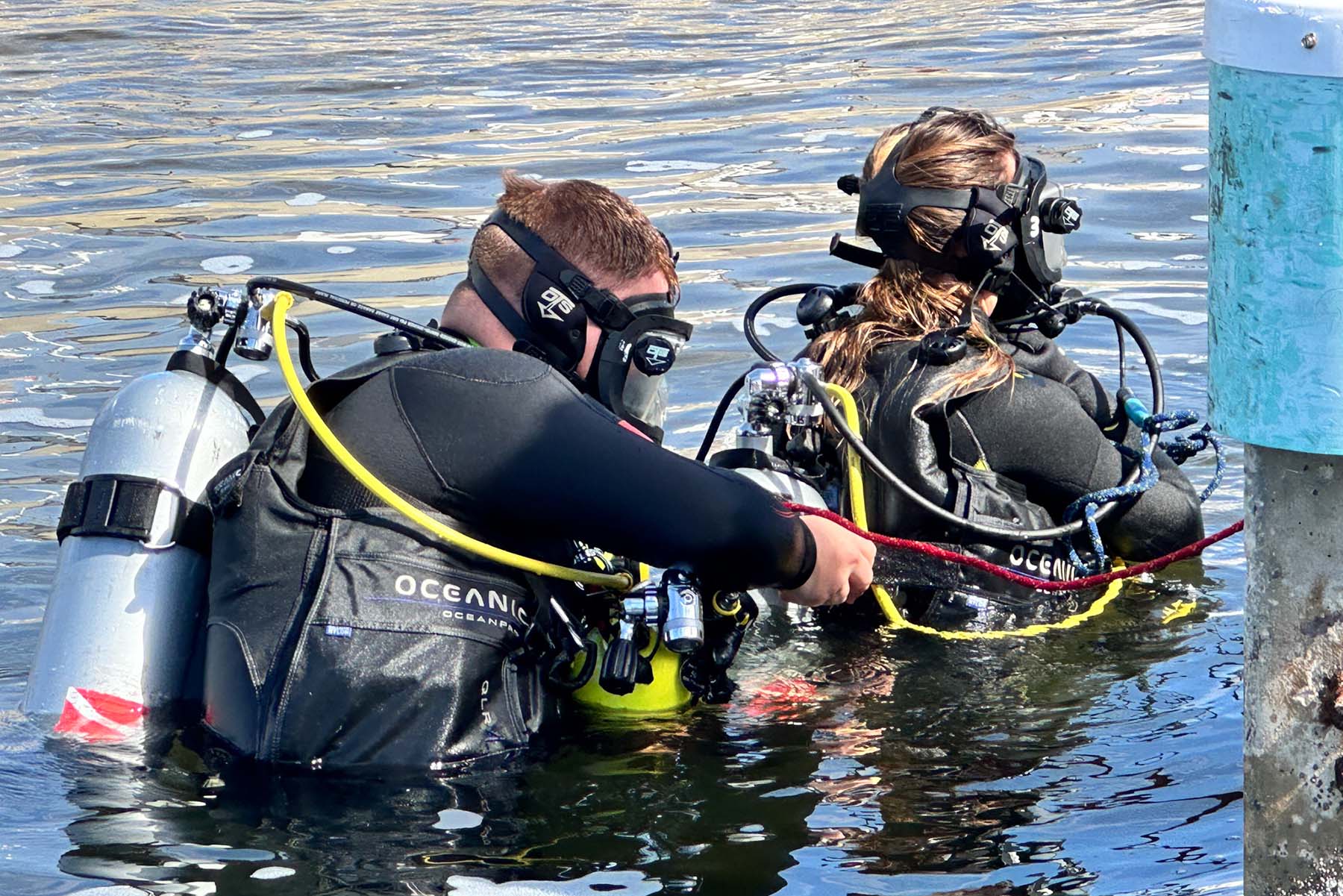
Deep scuba diving is physically demanding. You must pass a medical questionnaire and may need a doctor’s approval, especially if you have heart, lung, or ear issues. Good physical health is critical because deep diving increases the body’s workload and risk of problems.
Fitness tips for deep divers:
- Maintain regular aerobic exercise (swimming, running, cycling)
- Practice breath control and relaxation techniques
- Avoid dehydration before diving
Non-obvious insight: Even minor cold or congestion can make deep diving dangerous due to equalization problems. Never dive if you’re not 100% healthy.
Equipment Training And Familiarization
Diving deeper requires extra or specialized gear. You must be trained to use:
- Dive computers for tracking time, depth, and decompression limits
- Redundant air supply systems (such as pony bottles or twin sets)
- Surface marker buoys for safe ascent and surfacing
- Wet/dry suits for thermal protection at deeper, colder depths
Familiarity with your gear is essential. Practicing gear setup and emergency drills above water can prevent accidents when you’re 40 meters down.
Dive Planning And Gas Management
One key difference with deep diving is the need for detailed dive planning. You’ll learn how to:
- Calculate gas consumption and reserve requirements
- Plan for specific bottom times and ascent rates
- Set turn-around points based on air supply, not just time
- Prepare for “what if” situations (lost buddy, equipment failure, strong currents)
Common mistake: Beginners often underestimate how much faster they use air at depth. With every 10 meters, air is used twice as fast as at the surface.
Mastering Buoyancy And Trim
Precise buoyancy control is vital for deep diving. Poor buoyancy can cause rapid ascents or descents, both of which are dangerous at depth. Specialty courses and practice dives focus on:
- Using small, slow adjustments to your buoyancy device
- Positioning your body (trim) to move efficiently
- Avoiding contact with the environment
Non-obvious insight: Fine-tuning your weights and trim on shallow dives first makes deep dives much safer and more enjoyable.
Understanding Deep Diving Hazards
Deep diving introduces unique dangers that must be covered in your training:
- Nitrogen narcosis (the “rapture of the deep”) can impair judgment, usually starting around 30 meters
- Decompression sickness (the bends) is a risk if you ascend too quickly or exceed no-stop limits
- Gas toxicity (oxygen or carbon dioxide buildup) can be fatal at depth
Your training will include how to spot symptoms in yourself and your buddy, and what to do if problems appear.
Emergency Skills For Deep Diving
Emergency training for deep dives must be taken seriously. You’ll learn:
- Controlled emergency ascents
- Sharing air with a buddy at depth
- Using surface marker buoys and delayed SMBs for safety stops
- Handling out-of-air or entanglement situations
You’ll practice these skills in real-life scenarios during your specialty courses.

Experience And Dive Logging
Training is just the start. Most agencies require a minimum number of logged dives before you can take deep or technical courses. For example, you may need 20-50 logged dives to join a technical program.
Why this matters: Experience helps you develop “situational awareness”—the ability to notice small problems before they become big emergencies. Diving with more experienced buddies also helps you learn real-world tips and tricks that courses can’t cover.
Continuing Education And Refresher Courses
Deep diving skills can fade if not used. Many divers take refresher courses if they haven’t dived in over six months. Continuing education, like wreck, cave, or trimix diving, keeps your knowledge sharp and opens new adventures.

How To Choose A Deep Diving Training Agency
All major agencies (PADI, SSI, NAUI, TDI) offer deep diver and technical courses. Look for:
- International recognition
- Experienced instructors with deep diving backgrounds
- Small class sizes for personal attention
- Good safety record and modern equipment
Tip: Ask your instructor about their personal deep diving experience—not just their teaching credentials.
For more details on different certification agencies, you can check the Wikipedia list of diving certifications.
Sample Deep Diving Training Path
To give you a sense of the journey, here’s a typical path for someone starting from zero:
| Step | Course/Requirement | Depth Limit |
|---|---|---|
| 1 | Open Water Diver | 18 m (60 ft) |
| 2 | Advanced Open Water Diver | 30 m (100 ft) |
| 3 | Deep Diver Specialty | 40 m (130 ft) |
| 4 | Rescue Diver & EFR | 40 m (130 ft) |
| 5 | Technical/Trimix Training | Up to 100 m (330 ft) or more |
Mentorship And The Value Of Experience
One overlooked part of deep diving is the role of mentorship. Learning from experienced deep divers can help you:
- Understand local dive conditions
- Get tips on equipment setup and maintenance
- Avoid common beginner mistakes (like poor gas planning or ignoring early signs of narcosis)
Don’t rush your progress. Spend time practicing skills in shallower water before moving deeper.
Frequently Asked Questions
What Is The Minimum Age For Deep Scuba Diving?
Most agencies require you to be at least 15 years old for deep diver courses. Some junior programs exist but have lower depth limits.
How Long Does It Take To Become A Deep Diver?
If you already have an Advanced Open Water Diver certificate, the Deep Diver Specialty course usually takes 2-3 days with both classroom and practical dives.
Is Deep Scuba Diving Dangerous?
Deep diving has more risks than shallow diving, such as nitrogen narcosis and decompression sickness. Proper training and experience make it much safer.
Can I Dive Deep With Just Basic Open Water Certification?
No, basic open water divers are limited to 18 meters (60 feet). You need advanced and deep diver training for deeper dives.
How Much Does Deep Scuba Diving Training Cost?
Costs vary but expect to pay $250–$500 for a Deep Diver Specialty course. Technical diving courses can cost much more due to equipment and instructor expertise.
Diving deep opens a world few get to see, but it demands respect, preparation, and the right training. By following the right path—building your skills, gaining experience, and never rushing—you can enjoy the wonders of deep scuba diving safely and confidently.
