Skydiving brings excitement and adrenaline, but it’s not something you can just try on a whim. Proper training is not only required by law in most countries, but also ensures safety in a sport where even a small mistake can have serious consequences.
Whether you dream of jumping solo, or you’re just curious about the process, it helps to know exactly what training is required before skydiving. This guide walks you through the key steps, types of training, what to expect, and some insider tips that new skydivers often miss.
Why Training Is Essential Before Skydiving
Skydiving involves jumping from an aircraft, usually between 10,000 and 15,000 feet, and deploying a parachute to land safely. The risks are obvious, but many people don’t realize how much preparation and practice go into a safe jump. Training is designed to:
- Teach you how to use the equipment properly
- Prepare you for emergencies
- Build your confidence
- Ensure you can follow instructions under stress
The safety statistics prove the value of training. According to the United States Parachute Association (USPA), there were only 10 fatal skydiving accidents in the U. S. in 2021, out of about 3. 57 million jumps—a rate of just 1 in 357,000.
Most accidents happen due to human error, not equipment failure, which shows why proper training makes such a difference.
Types Of Skydiving: How Training Varies
Before starting, you should know that skydiving training depends on the type of jump you want to do. There are three main paths for beginners:
- Tandem Skydiving – Jump attached to an instructor
- Static Line Skydiving – Parachute opens automatically
- Accelerated Freefall (AFF) – Jump solo with instructors holding you
Each type has its own training steps and requirements.
Tandem Skydiving
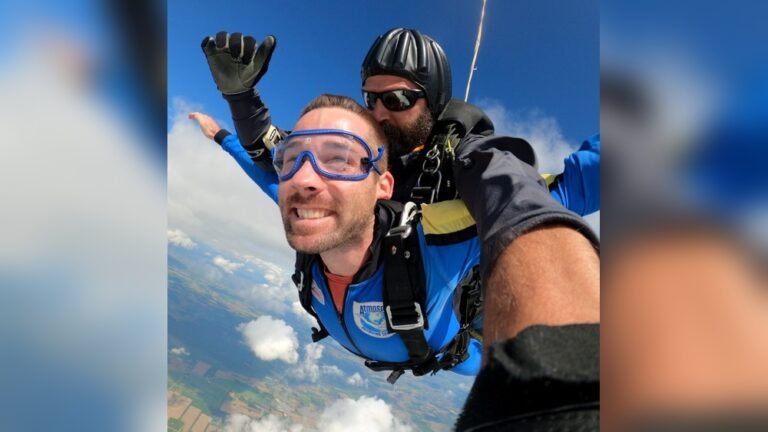
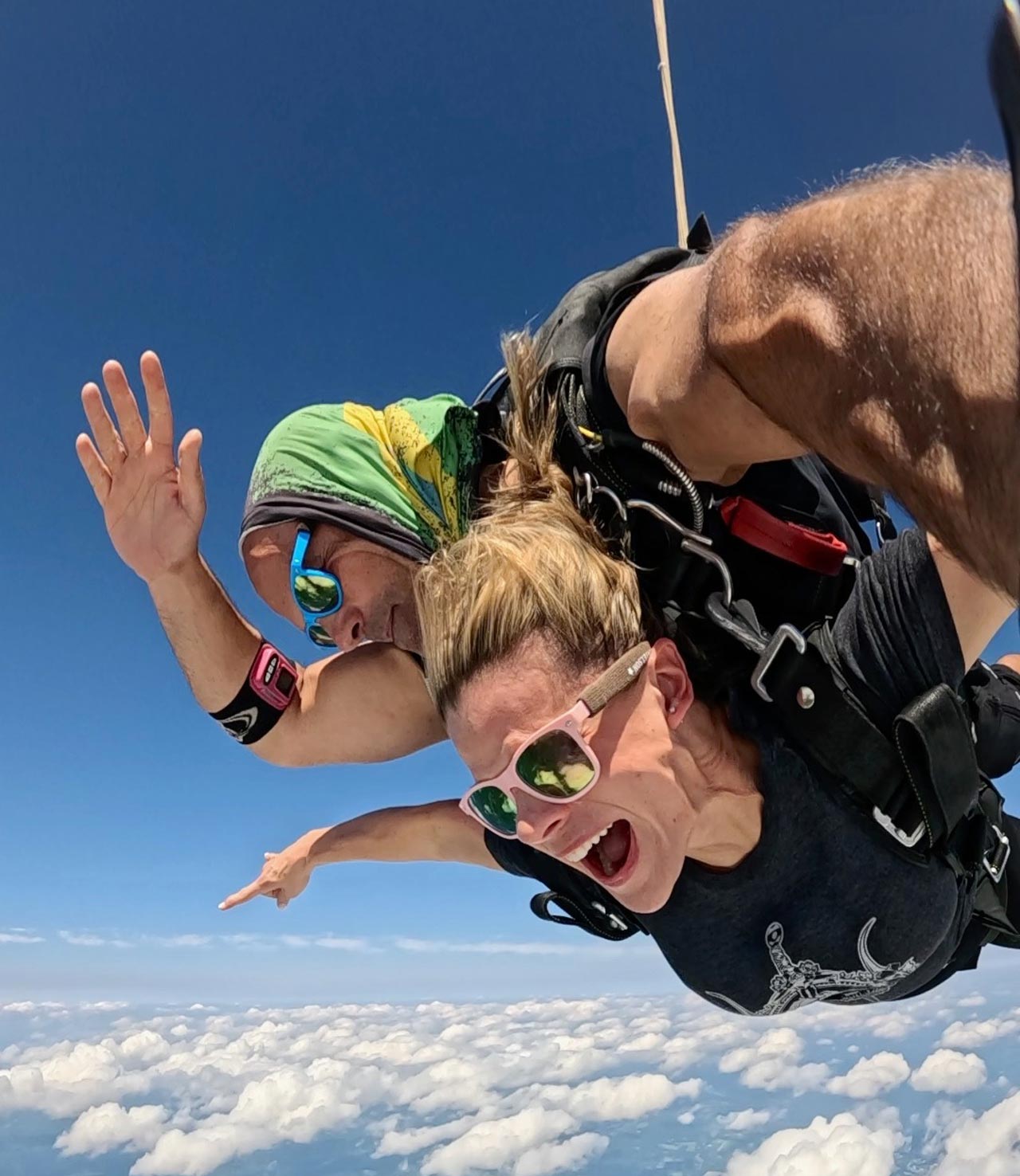
This is the most popular way for first-timers. You are harnessed to an experienced instructor who controls everything. Training is short and focused on basics.
Static Line Skydiving
Here, the parachute opens automatically with a cord attached to the plane. It’s a way to jump solo without handling freefall at first.
Accelerated Freefall (aff)
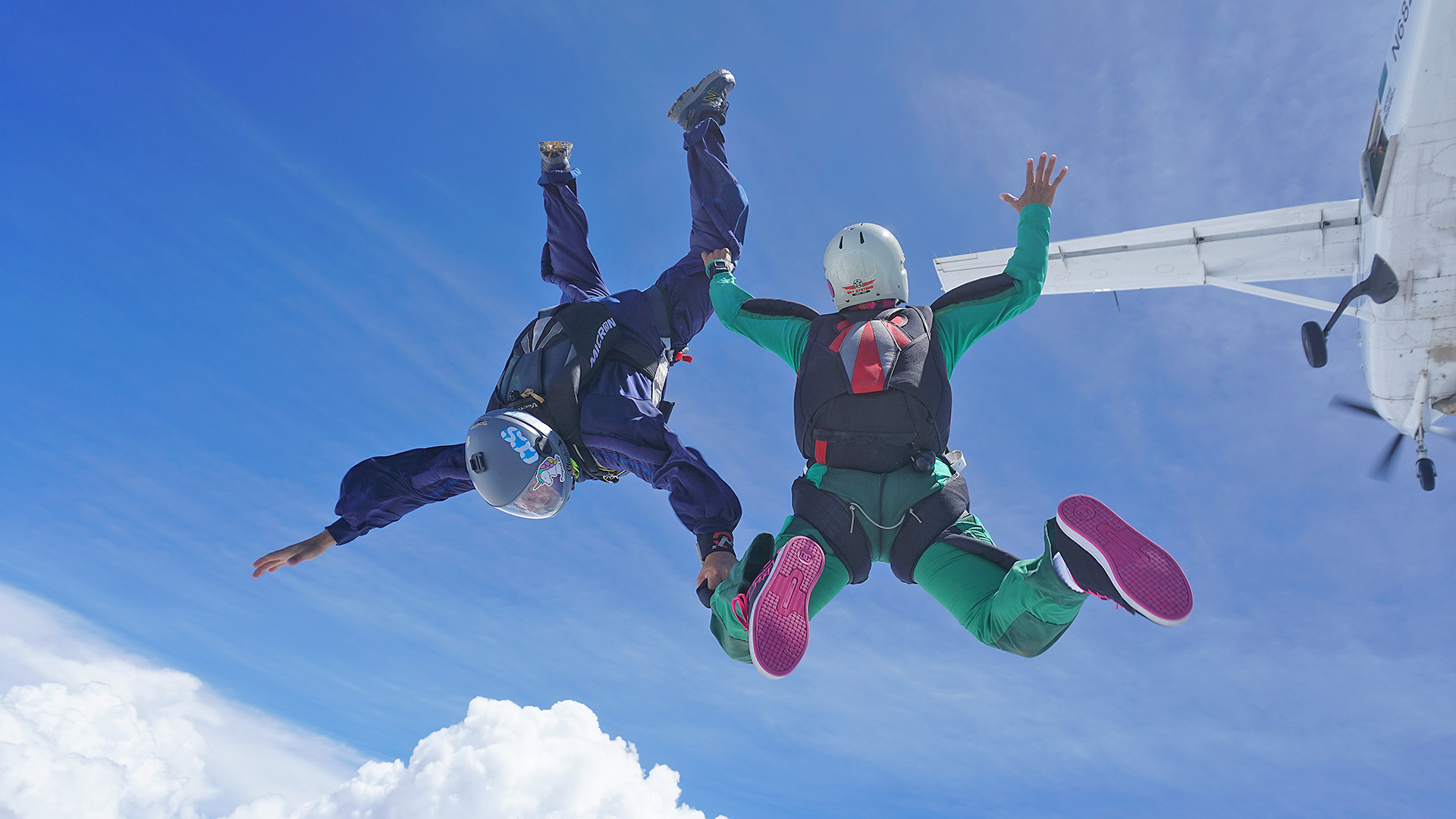
AFF is the fastest way to become a licensed solo skydiver. You jump with two instructors who hold onto you in freefall, teaching you to control your body and deploy your chute.
Let’s look at the training required for each path.
Basic Training Steps Before Your First Jump
Most people start with a tandem skydive. The training usually takes 15–30 minutes and includes:
- Equipment overview: Understand the harness and parachute.
- Exit procedure: How you’ll leave the plane.
- Freefall position: Keep your body arched, chin up, arms and legs spread.
- Canopy ride: What to expect as you float down.
- Landing: Lifting your legs for a smooth landing.
You’ll also watch a safety video and sign a waiver. The instructor checks your harness and answers questions. You don’t need to learn emergency procedures because your instructor handles everything.
Static Line And Aff: Deeper Training For Solo Jumps
If you want to jump solo, you need more in-depth training. This is where most of the time and learning happen.
Ground School
Both static line and AFF require a full ground school, which usually lasts 4-8 hours. Here’s what you’ll cover:
- Equipment inspection: Checking your gear for safety
- Aircraft procedures: How to move and exit the plane
- Body position: How to stay stable during freefall
- Canopy control: Steering, turning, and landing safely
- Emergency procedures: What to do if something goes wrong
- Weather conditions: When it’s safe to jump
Example: Aff Ground School Content
| Training Area | What You Learn |
|---|---|
| Body Position | Arching for stability, hand signals |
| Parachute Operation | Packing, deployment, emergency deployment |
| Landing | Flare timing, landing patterns, avoiding obstacles |
| Emergencies | Reserve procedures, cutaway drills |
The training involves practical drills, such as practicing exits from a mock plane, simulating freefall on a mat, and rehearsing emergency actions.
First Jump Course: Typical Schedule
A beginner’s day in ground school might look like this:
- 9: 00 am – Introduction and paperwork
- 9: 30 am – Equipment demonstration
- 10: 00 am – Body position drills
- 11: 00 am – Aircraft procedures
- 12: 00 pm – Lunch break
- 12: 30 pm – Emergency training
- 2: 00 pm – Canopy control practice
- 3: 00 pm – Written test and review
- 4: 00 pm – Gear up for jump (if weather allows)
Licensing Requirements: Becoming A Solo Skydiver
If you want to skydive on your own regularly, you’ll need a skydiving license. The United States uses the USPA “A” License as the first step. Other countries have similar systems.
Uspa “a” License Requirements
To get your A license, you must:
- Complete at least 25 jumps (includes tandem, static line, or AFF)
- Show proficiency in freefall and canopy skills
- Pass a written and oral test
- Demonstrate emergency procedures
| Requirement | Details |
|---|---|
| Minimum Jumps | 25 |
| Instructor Signoff | Yes, for each skill |
| Written Test | Multiple choice, covers safety and rules |
| Oral Test | Scenarios and emergency questions |
This process usually takes several weeks to months depending on weather, your progress, and how often you can jump.
Key Skills You Must Learn
Skydiving training is not just about jumping; it’s about learning the right skills. These are the most important:
1. Body Position And Stability
The “box man” position—arched back, arms and legs spread—is critical for stability. Training includes learning to relax and respond to air pressure.
2. Parachute Deployment
You must know when and how to deploy your main parachute, and how to check that it’s open properly.
3. Canopy Control
After your parachute opens, you need to steer, turn, and slow down for landing. Learning to spot wind direction and obstacles is vital.
4. Emergency Procedures
Know how to handle a malfunction or a “two canopies out” situation. Practice cutaway and reserve drills until they’re automatic.
5. Landing Safely
You must flare at the right time to land gently. Instructors teach you patterns and timing to avoid injuries.
Medical And Age Requirements
Most skydiving centers require you to be at least 18 years old. Some countries allow younger jumpers with parental consent, but this is rare.
You also need to be physically fit. Common medical requirements include:
- No major heart or lung problems
- No uncontrolled epilepsy
- No recent injuries or surgeries that affect movement
You’ll sign a waiver stating you understand the risks. Some centers may ask for a doctor’s note if you have a medical condition.
Common Mistakes First-timers Make
Even with good training, beginners make some common errors:
- Not listening carefully: It’s easy to miss important details if you’re distracted or nervous.
- Ignoring weather advice: Wind and clouds affect safety; trust your instructor’s judgment.
- Forgetting emergency steps: Drills are boring, but they save lives. Practice until you don’t have to think.
- Poor body position: Tensing up or curling in the air can cause spins or instability. Relax and use the position you learned.
- Rushing to jump solo: Some people want to skip steps. Take your time and build your skills with guidance.
Extra Insights Most Beginners Don’t Realize
There are some things new skydivers often don’t expect:
- Training continues after your first jump: Even after ground school, every jump is a learning experience. Instructors debrief you after each jump to point out what went well and what to improve.
- Mental preparation matters as much as physical: Fear and anxiety are normal. Instructors can help with breathing exercises or visualizations to keep you calm.
- Weather delays are common: Skydiving is weather-dependent. Be patient; safety comes first.
Cost And Time Commitment
Training takes both time and money. Here’s a rough comparison:
| Training Type | Time Required | Cost (USD) |
|---|---|---|
| Tandem Jump | 1–2 hours | $200–$300 |
| Static Line Course | 1 day + multiple jumps | $150–$250 per jump |
| AFF Program | 1 day ground school + 7–10 jumps | $1,200–$2,500 total |
Costs vary by country and center. Some places offer package deals or student discounts.
Choosing A Training Center
Make sure your skydiving school is certified by a national body like the USPA or the British Parachute Association. Check for:
- Experienced, licensed instructors
- Good safety record
- Clear, patient teaching style
- Well-maintained equipment
Don’t be afraid to ask questions before you book.
What To Bring And How To Prepare
On your training day, wear:
- Comfortable clothes (no loose scarves or jewelry)
- Sneakers or athletic shoes
- A hair tie if you have long hair
Eat a light meal before you arrive, and stay hydrated. Avoid alcohol and heavy exercise the day before.
Real-life Example: A First Jump Story
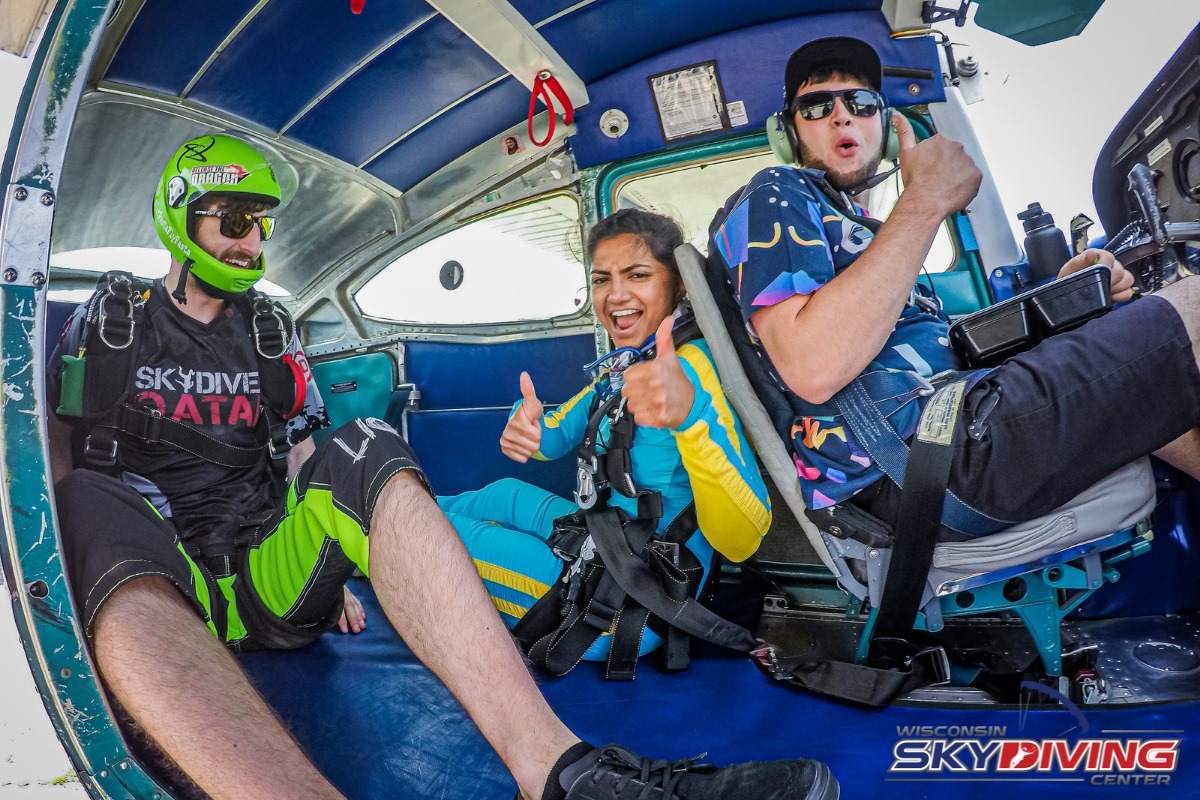
Maria, a 27-year-old from Spain, tried skydiving for the first time on holiday. She chose a tandem jump. Maria says, “The training was shorter than I expected, but very clear. They showed me how the harness works and how to keep my body in the right position.
I was nervous, but my instructor made me feel safe. The jump was amazing—I can’t wait to go again and learn to jump solo next time. ”
Where To Find More Information
If you want more details, visit the United States Parachute Association website for official training standards, or check with your local skydiving center.
Frequently Asked Questions
How Long Does Skydiving Training Take?
Tandem training takes about 15–30 minutes. Solo jump training (static line or AFF) requires a full day of ground school plus several supervised jumps. To get a license usually takes weeks or months, depending on weather and your schedule.
Do I Need To Be Super Fit To Skydive?
You don’t need to be an athlete, but you should be in generally good health. If you can walk, run, and lift your legs, you’re probably fit enough. Always check with your doctor if you have health concerns.
Can I Skydive If I’m Afraid Of Heights?
Surprisingly, many people with a fear of heights enjoy skydiving. The view from a plane is very different from standing on a building. Training includes tips to manage nerves, and instructors are used to helping nervous jumpers.
What Happens If The Parachute Doesn’t Open?
All parachutes are packed and checked carefully. If the main chute fails, every skydiver wears a reserve parachute. Training covers how to deploy it, and most modern rigs also have an automatic activation device that opens the reserve if you don’t act in time.
Is Skydiving Training Available In Every Country?
Skydiving is popular worldwide, but rules and training systems may differ. Always choose a certified center that follows international or national safety standards. Check local regulations before booking.
Skydiving is a thrilling experience, but preparation is key. With the right training, you’ll be ready to enjoy your jump safely and confidently.
