Ice hockey is a fast, intense, and highly skilled sport. Players move quickly, handle the puck with precision, and make split-second decisions. But what makes a great ice hockey player? There is no single answer. Success depends on a mix of physical, technical, and mental abilities.
If you want to improve your game or simply understand what top players do well, it’s important to know the key skills that drive performance on the ice.
Physical Skills Every Ice Hockey Player Needs
Ice hockey is physically demanding. Players cover long distances at high speeds, often changing direction or stopping in an instant. Here are the most important physical skills:
Skating Ability
Skating is the foundation of ice hockey. Players need to move quickly in all directions, accelerate fast, and stop suddenly. Strong skaters can keep up with the play and make better decisions.
- Elite NHL players can reach speeds of up to 20-30 mph (32-48 km/h) on the ice.
- Agility is as important as speed. Quick turns and pivots allow players to escape defenders.
Strength And Power
A good hockey player needs both upper and lower body strength. Strength helps with shooting, body checks, and battles along the boards.
- Leg power drives explosive starts and stops.
- Core strength supports balance during contact.
Endurance
Games are played at a high pace for up to 60 minutes. Players often skate 3-4 minutes at a time, then rest for short periods. Aerobic fitness allows them to recover quickly and keep up their performance throughout the game.
Flexibility
Flexibility is often overlooked. It helps prevent injuries and supports smooth movement. Flexible players can reach further for passes or avoid dangerous hits.
Technical Skills That Set Players Apart
Physical ability alone is not enough. Technical skills separate the good from the great. Here are the most important ones:
Puck Handling
Great puck handlers can move the puck quickly, protect it from opponents, and make plays under pressure.
- Skills include stickhandling, deking, and passing.
- Players practice moving the puck while skating at top speed.
Shooting
Shooting skills are critical for scoring goals. Players must shoot quickly and accurately from many positions.
- Types of shots: Wrist shot, slap shot, snap shot, and backhand.
- Top NHL shooters can shoot the puck at speeds over 100 mph (160 km/h).
Passing
Quick, accurate passing keeps the game moving. Top players can pass while skating fast and under pressure.
- Tape-to-tape passes minimize turnovers.
- One-touch passes create scoring chances.
Checking
Checking is the legal use of the body or stick to separate opponents from the puck. Players need to check without taking penalties.
- Types: Body checking, poke checking, and stick checking.
- Good checkers anticipate plays and use timing, not just force.

Mental And Tactical Skills
Hockey is a smart game. Mental skills are just as important as physical ones.
Hockey Sense (game Iq)
Hockey sense means reading the play, anticipating opponents, and making smart choices. Top players always seem to be in the right place at the right time.
- Wayne Gretzky, one of the greatest players, was known for his anticipation more than his speed.
Decision Making
Split-second decisions can change the game. Players choose when to pass, shoot, or hold onto the puck.
- Good decision makers avoid risky plays and keep the team organized.
Focus And Emotional Control
The game moves fast and can be intense. Players need focus and must control their emotions to avoid mistakes or penalties.
- Staying calm under pressure is a sign of maturity.
Communication
Hockey is a team sport. Players must communicate with teammates, both verbally and through body language.
- Clear calls help organize plays and defense.
Unique Skills For Different Positions
Different roles require different skills. Let’s compare what matters for forwards, defensemen, and goaltenders:
| Position | Key Skills | Examples |
|---|---|---|
| Forwards | Speed, scoring, puck control | Sidney Crosby, Connor McDavid |
| Defensemen | Positioning, checking, passing | Victor Hedman, Cale Makar |
| Goaltenders | Reflexes, positioning, rebound control | Andrei Vasilevskiy, Carey Price |
Each position has its own priorities. For example, goalies need great hand-eye coordination and mental toughness, while defensemen focus on gap control and breaking up plays.
How Skills Develop Over Time
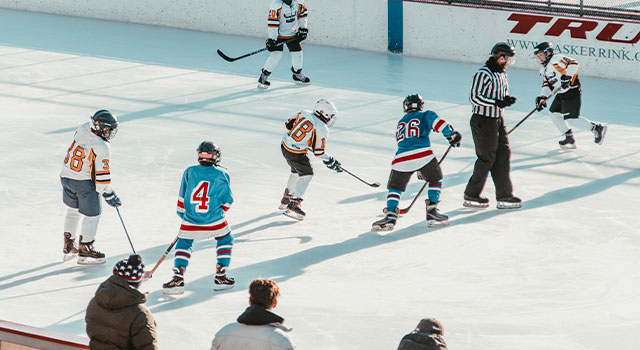
Young players often focus first on skating and stickhandling. As they grow, they add strength and tactical understanding. Here’s a look at skill emphasis by age group:
| Age Group | Main Skill Focus | Development Tips |
|---|---|---|
| 8-12 years | Skating, puck handling | Fun drills, lots of ice time |
| 13-16 years | Shooting, passing, game sense | Small games, video review |
| 17+ years | Strength, advanced tactics | Gym work, team strategy |
A common mistake is focusing too much on strength too early. Skating and puck skills should come first.
Less Obvious But Crucial Skills
Some skills are less talked about but just as important:
- Recovery and Injury Prevention: Good players know how to rest, stretch, and avoid overtraining. This keeps them playing longer and at a higher level.
- Adaptability: The best players adjust their style to different opponents and situations. For example, a star scorer might play more defensively in a close game.
- Vision and Awareness: Seeing the whole ice helps players make better choices and avoid turnovers.
Beginners often ignore these areas, but coaches look for them at higher levels.
Practical Tips For Skill Improvement
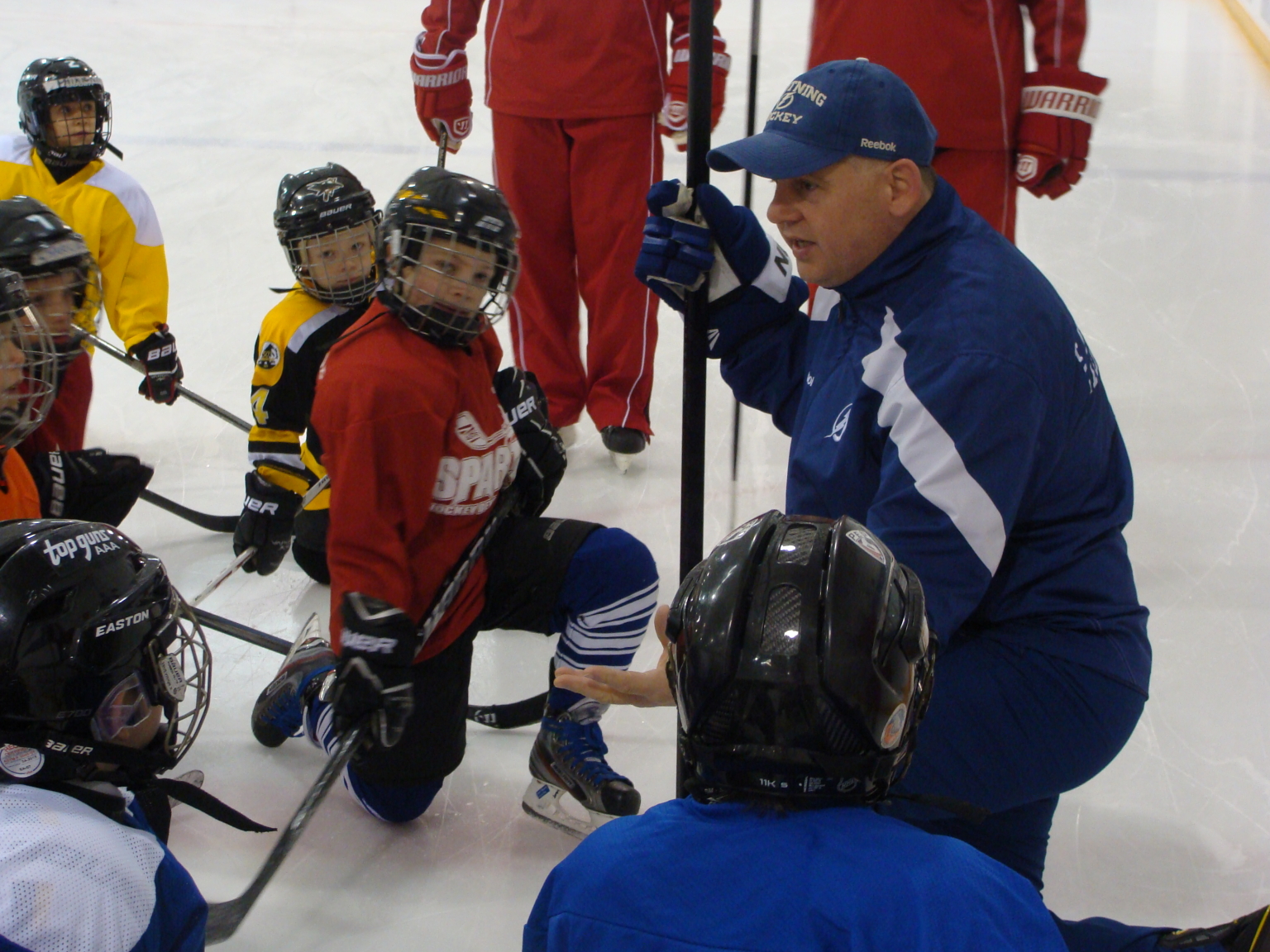
- Work on skating every practice. Backward skating and edge work are often missed.
- Watch video of your games. Study mistakes and successes.
- Play small area games. These create more puck touches and quick decisions.
- Train your mind. Visualization and breathing exercises help with focus and nerves.
If you want more details on hockey skills and training, the official NHL Skills Guide offers resources for all levels.
Frequently Asked Questions
What Is The Most Important Skill For Ice Hockey Players?
For most players, skating ability is the most important skill. If you can skate well, every other skill becomes easier to develop.
How Do I Improve My Hockey Sense?
Watch games, ask coaches questions, and play in different situations. Learn to read plays and predict where the puck will go.
Are Physical Skills More Important Than Mental Skills?
Both are important. At higher levels, mental skills like decision making and composure can separate good players from great ones.
What Skills Should Young Players Focus On First?
Young players should work on skating, puck handling, and having fun. These are the base for all other skills.
How Important Is Teamwork In Hockey?
Teamwork is essential. Hockey is a fast team game, and players must communicate, support each other, and work together to win.
The best ice hockey players are rarely perfect in every area. But they combine core skills, smart habits, and a passion for improvement. Whether you are new to the game or looking to reach the next level, focus on these key skills, and you’ll see real progress on the ice.
