When you watch a professional basketball game, you might notice every detail feels carefully chosen, from the court to the uniforms—and especially the ball itself. Many fans are surprised by how much thought goes into the basketball size used at the highest levels. If you’ve ever wondered, “What size basketball is used in professional games?” you’re not alone. This guide breaks down the exact sizes, why they matter, and how they differ between leagues like the NBA, WNBA, FIBA, and others. Whether you play, coach, or just love the sport, understanding the right ball size is more important than you might think.
Why Basketball Size Matters In Professional Games
The size of the basketball is not just a small detail. It affects how players shoot, dribble, and control the ball. A smaller ball can be easier to grip for some, but harder to shoot consistently from long distance. A larger ball might demand more hand strength and change the way players pass or rebound. Professional leagues pick their basketball size carefully to match the athletes’ skill level and physical capabilities. Even a small change in circumference can impact a game’s fairness and flow.
Another reason why ball size matters is for consistency. When every game uses the same size, players can develop muscle memory. Fans also get to watch a sport that’s predictable and fair, without one team having an unexpected advantage.
Standard Basketball Sizes In Professional Leagues
Let’s look at the official sizes used in the world’s biggest basketball competitions. Each league picks its own standard, but most use one of two main sizes.
Nba (national Basketball Association)
The NBA is the most recognized men’s basketball league in the world. The official NBA basketball is a Size 7.
- Circumference: 29.5 inches (75 cm)
- Weight: 22 ounces (620 grams)
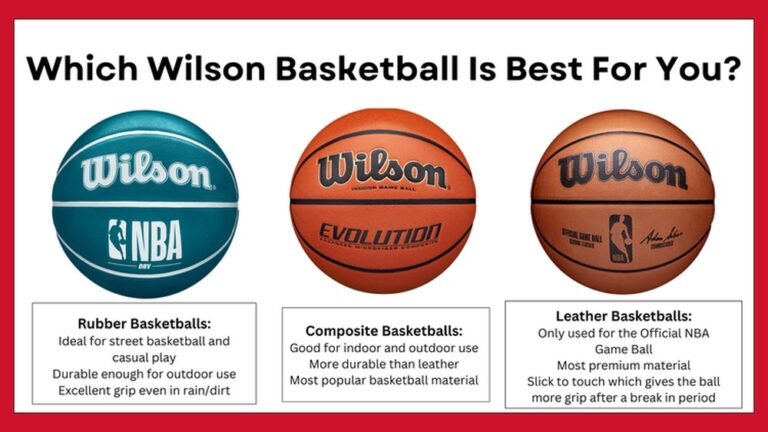
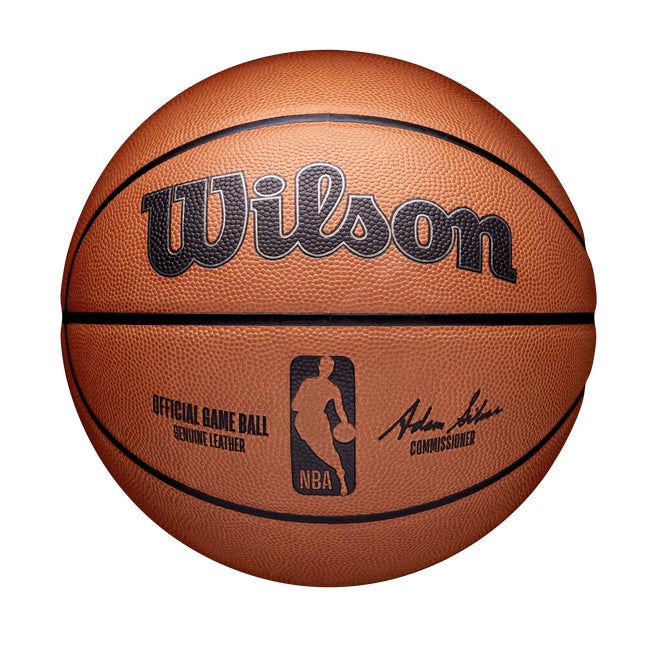
This size is used in all NBA games and is the standard for most men’s professional leagues worldwide. The NBA ball is made from high-quality leather, which gives it a unique feel and bounce.
Wnba (women’s National Basketball Association)
The WNBA uses a slightly smaller ball, called Size 6.
- Circumference: 28.5 inches (72 cm)
- Weight: 20 ounces (570 grams)
This adjustment is made to better fit women’s hand sizes and maximize control, speed, and shooting accuracy.
Fiba (international Basketball Federation)
FIBA runs international competitions, including the Olympics and World Cup.
- Men’s Basketball: Size 7 (29.5 inches/75 cm, 22 oz/620 g)
- Women’s Basketball: Size 6 (28.5 inches/72 cm, 20 oz/570 g)
FIBA and the NBA use almost identical ball sizes for men’s and women’s games, but FIBA balls often have different panel designs or materials.
Ncaa (national Collegiate Athletic Association)
In the NCAA, the official sizes match the professional standards:
- Men’s College Basketball: Size 7 (29.5 inches, 22 oz)
- Women’s College Basketball: Size 6 (28.5 inches, 20 oz)
Other Professional Leagues
Most other pro leagues, such as the EuroLeague and Australia’s NBL, use the same sizes as FIBA. This global standardization allows players to move between leagues without needing to adjust to a new ball size.
Comparing Professional Basketball Sizes
Here’s a quick comparison of sizes used in the world’s top leagues:
| League | Men’s Ball Size | Women’s Ball Size | Official Material |
|---|---|---|---|
| NBA | Size 7 (29.5″) | — | Leather |
| WNBA | — | Size 6 (28.5″) | Composite/Leather |
| FIBA | Size 7 (29.5″) | Size 6 (28.5″) | Composite |
| NCAA | Size 7 (29.5″) | Size 6 (28.5″) | Composite/Leather |
Differences Between Size 6 And Size 7 Balls
The difference between a Size 6 and Size 7 ball might seem small, but it makes a huge impact in play.
- Circumference: Size 7 is 1 inch (about 2.5 cm) larger.
- Weight: Size 7 is about 2 ounces (50 grams) heavier.
- Grip and Control: Size 6 is easier to grip for players with smaller hands.
- Shooting: The lighter ball allows for better long-range accuracy for many women players.
This is why women’s leagues and international competitions for women use Size 6, while men’s leagues stick with Size 7.
Why Leagues Use Different Basketball Sizes
Not all leagues use the same size, and there are good reasons for these choices:
- Physical Differences: Men’s hands are generally larger, which makes it easier to control a bigger, heavier ball. Women’s games use a Size 6 for better ball handling and shooting comfort.
- Game Speed: A slightly smaller and lighter ball can lead to faster play and higher-scoring games, which are more exciting for spectators.
- Skill Development: Players in youth leagues use even smaller balls to develop proper technique and avoid injury.
The Official Game Ball: More Than Just Size
Basketball size is only part of the story. The material and design also matter.
- NBA: The NBA ball is made of genuine leather, which feels slick at first but becomes grippier with use. Only Spalding and, starting 2021, Wilson have made official NBA balls.
- WNBA and FIBA: These often use composite leather, which is softer and needs less “breaking in.”
- Panel Design: FIBA balls often have 12 panels (sections), while NBA balls have 8. This changes the feel and how the ball spins.
Youth And Amateur Basketball Sizes
To help young players learn, youth leagues use even smaller basketballs:
- Size 5: Used for children (ages 8–11), 27.5-inch circumference, 17 ounces.
- Size 4: For even younger kids, 25.5-inch circumference, 14 ounces.
These sizes make it easier for beginners to control the ball and develop proper shooting form. Jumping straight to a Size 7 can hurt technique and confidence.
How Ball Size Affects Performance
Small changes in basketball size can have big effects:
- Shooting Percentage: Studies show women’s shooting accuracy increased after switching to Size 6 in the 1980s.
- Dribbling: Players can palm and control a smaller ball more easily, leading to faster play.
- Passes: A heavier ball requires more strength and changes how players pass, especially over long distances.
As a non-obvious tip, some pro players practice with a slightly smaller or heavier ball to improve grip strength or hand speed. This is similar to baseball players swinging a weighted bat during warm-ups.
Testing For The Right Ball Size
If you’re unsure which size is right, here’s a quick test: Try gripping the ball with one hand and spreading your fingers. If you can’t get your hand around most of the ball, it’s probably too big. For shooting, you should be able to control the ball with your fingertips, not just your palm.
Choosing A Ball For Practice
If you’re practicing to play professionally, always use the same size ball as your target league. For example:
- High School Boys: Practice with Size 7.
- High School Girls: Use Size 6.
- International Play: Check FIBA’s standards.
This helps your muscle memory stay sharp and avoids surprises during games.
Common Mistakes When Choosing Basketball Size
- Ignoring League Rules: Every league has its own requirements. Always check before buying a ball.
- Buying by Age, Not Size: Some shops sell balls labeled just by age group. Always check the actual circumference and weight.
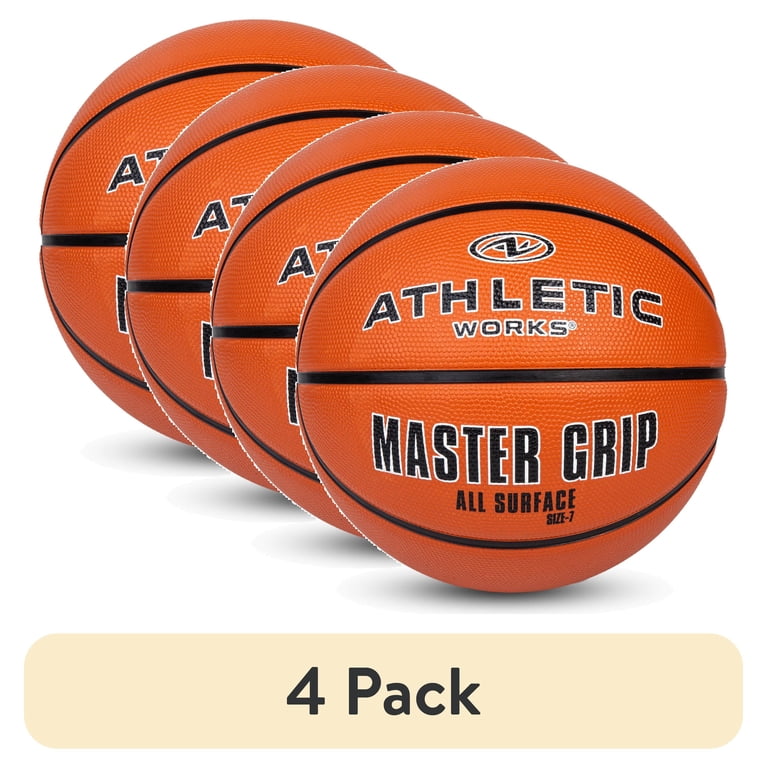
- Overlooking Material: Outdoor balls need to be more durable. Indoor balls (leather/composite) can wear out fast on rough surfaces.
- Not Breaking in the Ball: Especially with leather balls, play with it to soften the surface before your first real game.
Global Standardization And Player Mobility
Because most leagues now use the same two main sizes (Size 6 and 7), players can move from college to pro, or from one country to another, without having to adjust. This has helped the sport grow internationally. For example, a player moving from the NCAA to the NBA won’t notice any change in ball size.
Evolution Of The Official Basketball
The current standard wasn’t always the case. In the early days of basketball, balls varied in size and even shape. The first balls were more like soccer balls, and there was little consistency. Over the decades, as the sport became more professional, clear standards were set.
The NBA adopted its current size in 1949, and FIBA standardized its sizes in the 1970s.
Other Factors: Pressure, Bounce, And Feel
Besides circumference and weight, professional leagues also regulate:
- Air Pressure: Most use 7.5 to 8.5 psi (pounds per square inch). Too much or too little air changes how the ball bounces.
- Bounce Test: If dropped from 6 feet, the ball should bounce back up to a certain height (about 49–54 inches).
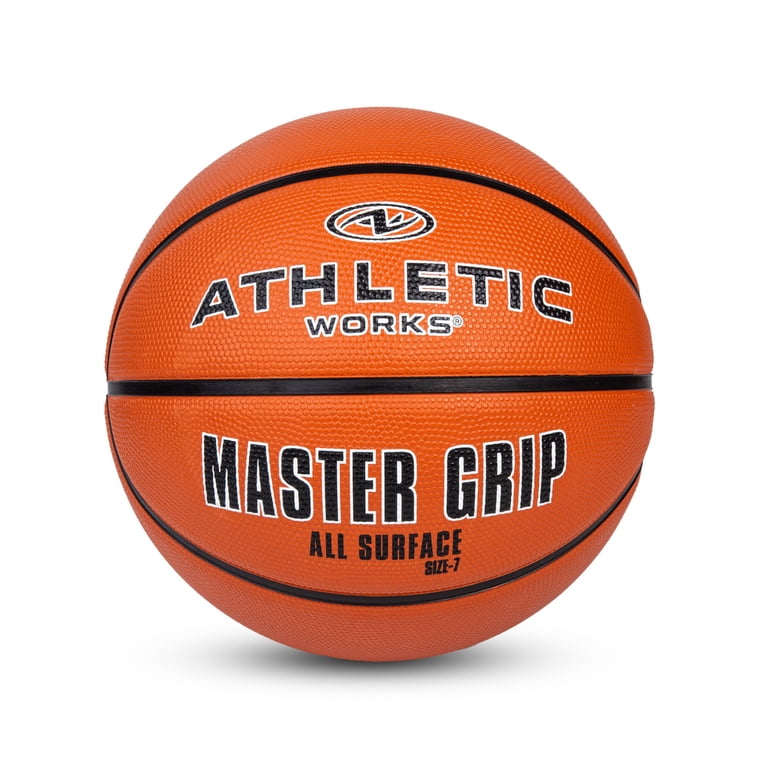
- Grip Pattern: The depth and shape of the channels (the black lines) also affect control.
These details are checked before every professional game to ensure fairness.
Fun Facts And Surprising Insights
- The NBA uses over 72 game balls during the Finals, as sweat and moisture can change the ball’s grip.
- Some players, like Michael Jordan, were so sensitive to ball feel that they could notice if a ball was even slightly off-standard.
- In 2006, the NBA briefly switched to a synthetic ball but returned to leather after players complained about cuts and blisters.
Quick Reference: Basketball Sizes By Age And Level
Here’s a summary for anyone buying a new ball:
| Size | Circumference | Weight | Recommended For |
|---|---|---|---|
| 7 | 29.5 inches | 22 oz | Men’s pro, college, high school (15+ years) |
| 6 | 28.5 inches | 20 oz | Women’s pro, college, high school (12+ years) |
| 5 | 27.5 inches | 17 oz | Youth (8–11 years) |
| 4 | 25.5 inches | 14 oz | Children (5–8 years) |
Final Thoughts
The basketball size used in professional games is carefully chosen for each league and level, ensuring fairness, player safety, and the best possible performance. For men’s pro and college play, it’s Size 7; for women’s, it’s Size 6. If you’re aiming to play at a higher level, train with the official size for your league. Even small differences matter—so take ball selection seriously, just like the pros do. For more details on official basketball standards, visit the Wikipedia Basketball Ball article.
Frequently Asked Questions
What Size Basketball Does The Nba Use?
The NBA uses a Size 7 basketball with a circumference of 29.5 inches and a weight of 22 ounces. This is the standard for all men’s professional games.
What Size Basketball Does The Wnba Use?
The WNBA uses a Size 6 basketball, which has a circumference of 28.5 inches and weighs 20 ounces. This size is chosen to match women’s hand sizes and maximize control.
Why Do Professional Leagues Use Different Basketball Sizes For Men And Women?
Men and women generally have different hand sizes and strength. Using a slightly smaller, lighter ball in women’s games helps players control the ball better and improves shooting accuracy.
Can I Use A Pro-sized Ball For Practice If I’m Not A Pro?
Yes, but it’s best to use the size that matches your league or age group. Using the right size helps you develop proper skills and avoid injuries.
How Can I Check If My Basketball Is The Right Size?
Measure the circumference with a tape measure and check the weight with a scale. Compare to your league’s official standards to make sure you’re practicing with the correct ball.
