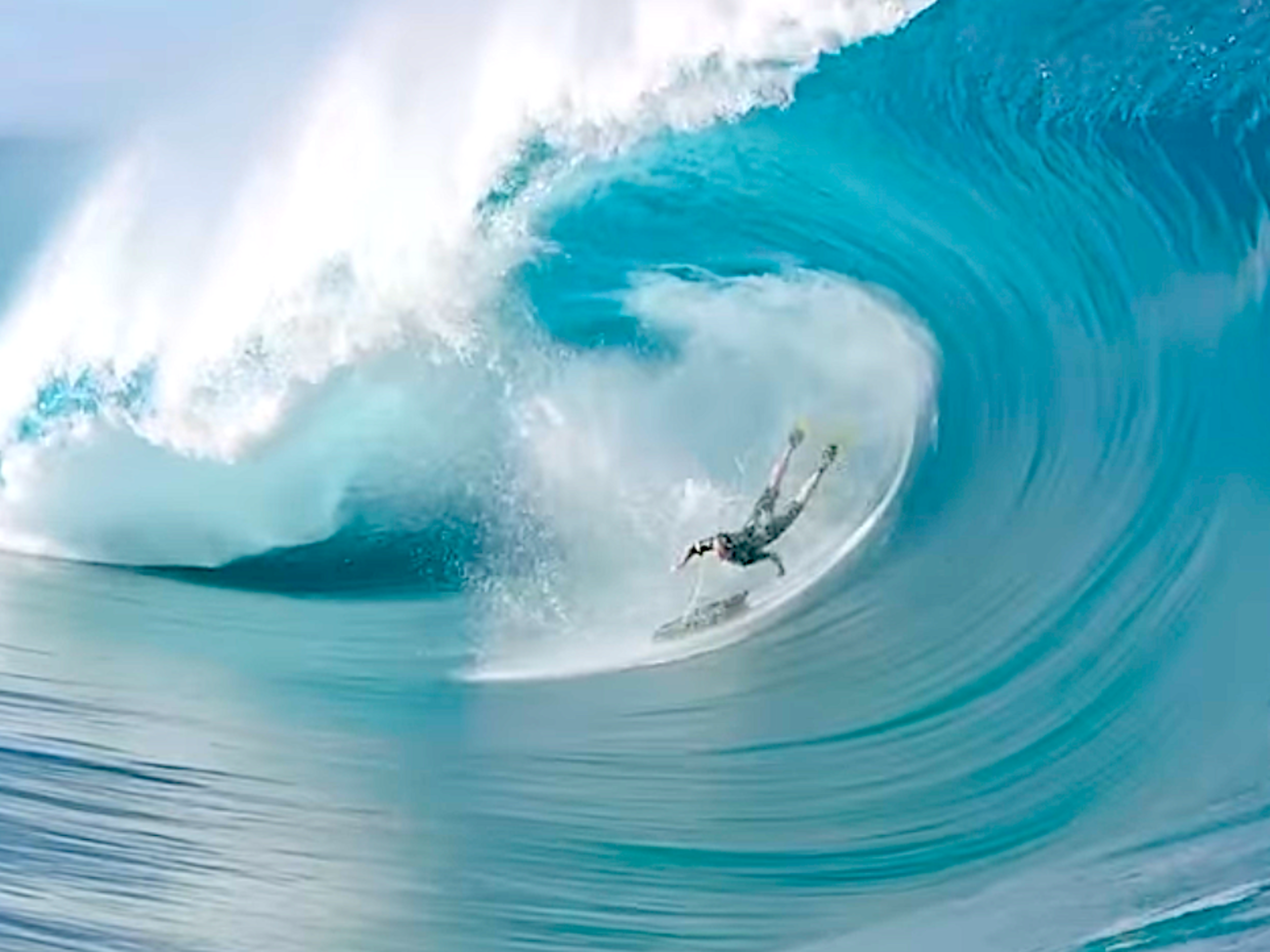
Wiping out on a surfboard can feel scary, even for experienced surfers. In those few seconds, the ocean’s power becomes very real. But what you do after a wipeout is just as important as what you do while riding a wave.
Handling a wipeout the right way keeps you safe, protects others, and helps you recover quickly—both physically and mentally. This guide will walk you through everything you need to know about what to do after a surfing wipeout, from your first reaction underwater to getting back on your board and learning from the experience.
Understanding A Surfing Wipeout
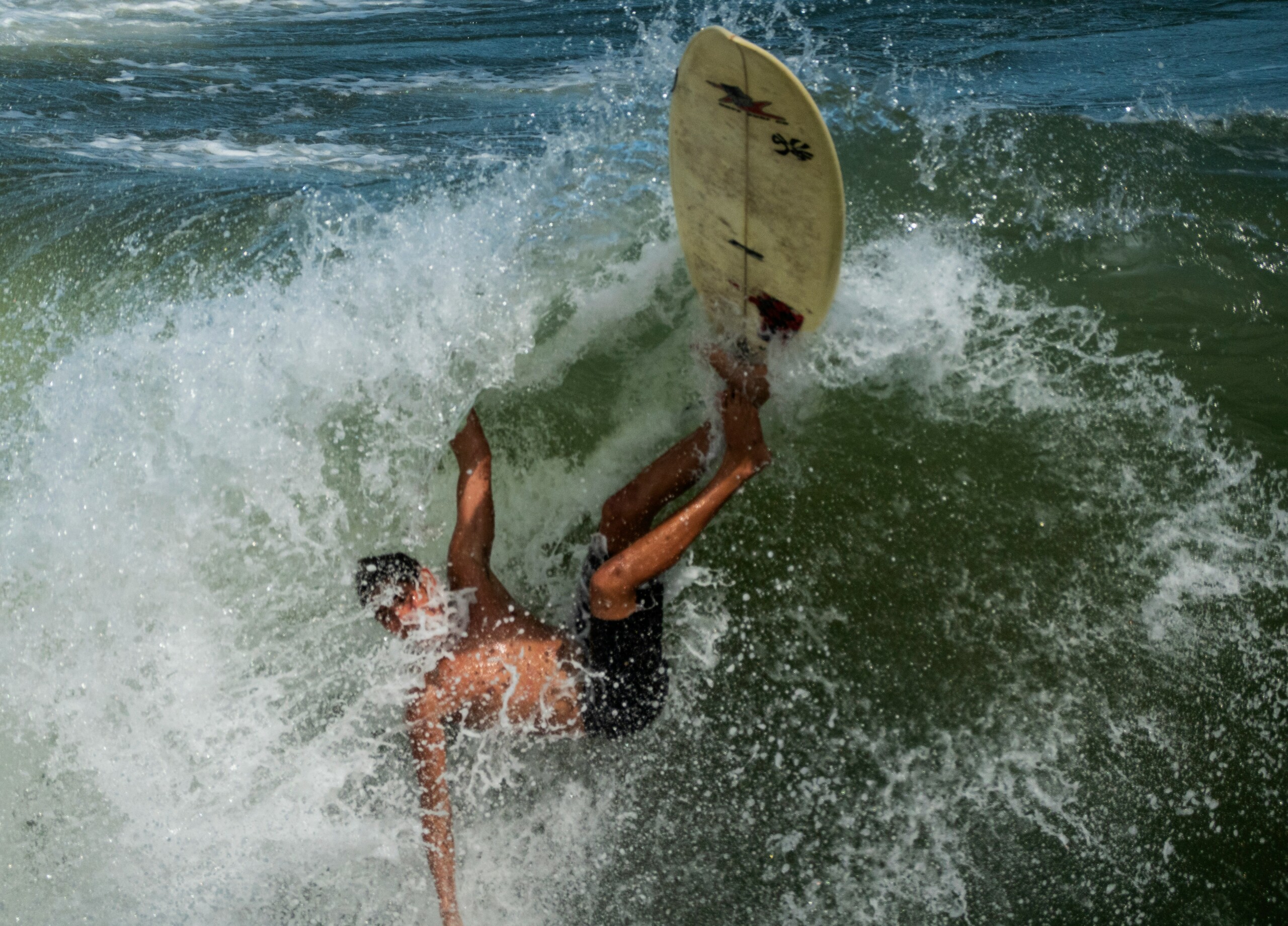
A surfing wipeout happens when you lose control and fall off your board. It can be as simple as slipping off or as dramatic as being thrown by a big wave. Wipeouts are a normal part of surfing, and every surfer—beginner or pro—experiences them. What matters is how you respond.
Wipeouts often happen when:
- You misjudge a wave
- You lose balance
- Someone else’s board or wave interferes
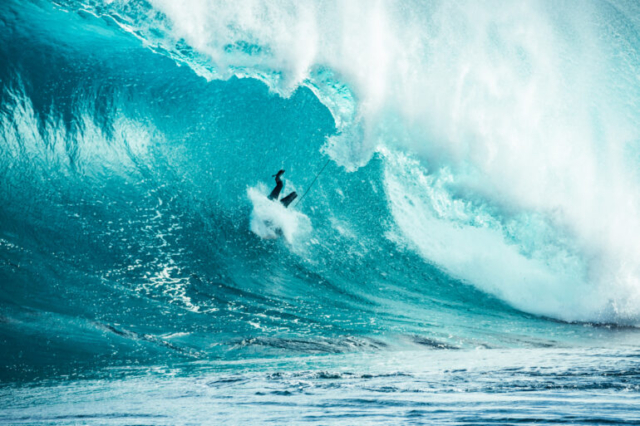
Waves can tumble you underwater, push you toward the reef, or pull you into strong currents. Fear is normal, but good habits can turn a wipeout into just another step in learning.
Immediate Steps Right After A Wipeout
1. Stay Calm Underwater
Panic is your enemy. When you fall, you might be underwater for a few seconds. Stay relaxed. Hold your breath and let your body go limp. The wave’s power will pass quickly. If you fight, you use more oxygen and energy.
Remember, most wipeouts last only 5–10 seconds, even if it feels longer.
2. Protect Your Head And Face
Waves can tumble you toward your board or the ocean floor. Use your arms to shield your head and face. Tuck your chin to your chest if you’re unsure which way is up. This action helps prevent injuries from your board, fins, or the reef.
3. Do Not Rush To The Surface
Many beginners rush to break the surface, sometimes running into their own board or others. Pause for a moment. Feel for your leash with your hand, and only swim up when you sense it’s clear. If you’re tossed by the wave, let it pass before swimming upward.
4. Exhale Slowly And Find The Surface
If you’re upside down or disoriented, blow a little air and watch which way the bubbles go. Swim in that direction. This trick helps you find up, even in dark or churning water.
Surfacing And Checking Your Surroundings
5. Watch For Your Board And Others
When you reach the surface, look around quickly. Boards can bounce back after a wipeout. Check for your board, other surfers, and incoming waves. Move your hands above your head as you rise, just in case your board is overhead.
6. Hold Onto Your Board
Once you spot your board, grab it as soon as it’s safe. The board is your best flotation device. If you can, climb on top to catch your breath. If the leash is tangled, clear it calmly.
7. Move Out Of The Impact Zone
The impact zone is where waves break hardest. If you stay here, you may get hit by more waves. Paddle your board (or swim if you lost it) toward the channel or shoulder, where the water is calmer. Don’t panic if another wave comes—dive or roll under it and keep moving.
Assessing Yourself And Your Equipment
8. Check For Injuries
Take a few seconds to scan your body. Are you bleeding? Did you hit your head? Is your shoulder or leg hurting? If you’re injured, signal for help or paddle to shore. Small cuts or bruises are common, but serious injuries need attention right away.
9. Inspect Your Board And Leash
Look for cracks, dings, or a snapped leash. A broken board can be hard to paddle. If your leash is broken and you’re far from shore, stay calm and swim back with slow, steady strokes. Never chase your board through breaking waves—focus on safety first.
10. Check Your Fins And Attachments
Fins can break or come loose in a wipeout. Check that all fins are still attached. Missing fins can make your board unstable, making it harder to paddle in.
Handling Common Aftermath Scenarios
11. Dealing With Lost Boards
If your board is gone, look for it quickly. If you can’t see it, signal for help. Most surf spots have lifeguards or fellow surfers who can assist. If you’re a strong swimmer, head for the shore with calm, steady strokes.
12. Handling Broken Leashes
A broken leash means your board can drift away fast. Stay calm and swim parallel to the shore to avoid rip currents. If the current pulls you out, don’t fight it—swim at an angle to escape.
13. Managing Minor Injuries
If you have a small cut or scrape, rinse it with seawater. When you get to shore, clean it with fresh water and cover it. Surfing cuts can become infected, so watch for redness or swelling.
14. Dealing With Fear Or Shock
Some wipeouts are more frightening than painful. It’s okay to feel shaken. Float on your board, breathe deeply, and give yourself a moment. If you’re too scared to continue, paddle in and rest.
Learning From Your Wipeout
15. Replay The Moment In Your Mind
Once you’re safe, think about what happened. Did you misjudge the wave? Was your stance off? Did you get distracted? Honest reflection helps you avoid the same mistake next time.
16. Watch Experienced Surfers
Notice how experienced surfers handle wipeouts. They stay calm, protect themselves, and rarely panic. Learning from others is as important as learning from yourself.
17. Ask For Advice
If you’re at a surf break with more experienced surfers, ask them for tips. Most are happy to share advice, especially about local dangers or currents.
Building Confidence After A Wipeout
18. Practice Breath Control
Wipeouts are easier if you’re comfortable holding your breath for 10–20 seconds. Practice calm breathing before you paddle out. This skill keeps you relaxed when underwater.
19. Focus On Your Next Wave
Don’t let a wipeout end your session. Paddle back out when you feel ready. Catching the next wave builds your confidence and helps you move past fear.
20. Recognize Limits And Ocean Conditions
Some wipeouts happen because conditions are too advanced. Check the surf forecast and observe the ocean before paddling out. If waves look too big or crowded, choose a safer spot.
Comparing Wipeouts: Beginner Vs. Experienced Surfer
Here’s a quick comparison to show how beginners and experienced surfers handle wipeouts differently.
| Aspect | Beginner Surfer | Experienced Surfer |
|---|---|---|
| Reaction | Panic, quick to surface | Stays calm, waits for turbulence to pass |
| Head Protection | Forgets to shield head | Uses arms to protect face and head |
| Aftermath | May rush back in fear | Assesses, learns, continues session |
Key Mistakes To Avoid After A Surfing Wipeout
Many beginners make small mistakes that can lead to bigger problems. Here are the most common ones and how to avoid them:
- Rushing to the surface: Wait until it’s safe before swimming up.
- Ignoring your surroundings: Always check for boards and other surfers.
- Panicking in the impact zone: Move calmly and steadily out of the zone.
- Not checking for injuries: A small injury can become serious if not treated.
- Chasing your board: Focus on your safety first, then retrieve your board.
Safety Equipment And Preparation
Having the right gear before you surf reduces wipeout risks and helps you recover faster.
| Equipment | Purpose | Extra Tip |
|---|---|---|
| Leash | Keeps your board attached | Replace if cracked or frayed |
| Helmet | Protects head in reef breaks | Essential for beginners in rocky spots |
| Rash Guard | Prevents scrapes, sunburn | Wear bright colors for visibility |
The Mental Side: Overcoming Fear
It’s common to feel afraid after a hard wipeout. Even professionals face this. The key is to manage fear, not ignore it. Here’s how:
- Acknowledge your fear: It’s normal and healthy.
- Talk about it: Sharing with friends reduces anxiety.
- Take small steps: Get back in the water, but don’t rush.
- Celebrate small wins: Every successful ride builds confidence.
One non-obvious insight: Many wipeouts feel worse than they are. The ocean’s power is intimidating, but injuries are rare if you follow safety steps. Another point: Professional surfers practice falling, just like they practice riding. Controlled “bail-outs” help you stay safe when you know you can’t make the wave.
When To End Your Surf Session
Some wipeouts are a sign you should finish for the day. Paddle in if:
- You hit your head hard or feel dizzy
- Your leash or board is badly damaged
- You’re too tired or cold to paddle safely
- Ocean conditions worsen (strong currents, lightning, or fog)
Your safety always comes first.
Practical Recovery Exercises
After a tough wipeout, stretching on the beach can help prevent soreness. Focus on:
- Neck rolls to relieve tension
- Arm and shoulder stretches for paddling muscles
- Deep breathing to calm your body
These simple moves help your body recover and prepare you for your next session.
Building Better Habits
Every wipeout is a chance to improve. The best surfers aren’t the ones who never fall—they’re the ones who learn each time. Over time, you’ll fall less, recover faster, and enjoy the ocean more.
Frequently Asked Questions
What If I Get Caught In A Rip Current After A Wipeout?
Stay calm. Do not try to swim directly to shore against the current. Instead, swim parallel to the beach until you’re out of the current, then head back in. If you’re too tired, float and signal for help.
How Do I Know If I Should See A Doctor After A Wipeout?
See a doctor if you feel dizzy, have trouble breathing, notice deep cuts, or hit your head hard. Some injuries, like concussions, might not show symptoms right away.
Is It Normal To Feel Scared After A Wipeout?
Yes, fear is common even for experienced surfers. The important thing is to address it—talk to someone, take a break, and get back in when you’re ready.
Can I Prevent Wipeouts Altogether?
No surfer can avoid all wipeouts. But you can reduce them by improving your technique, picking the right conditions, and learning about local hazards. Preparation helps, but wipeouts are part of surfing.
Where Can I Learn More About Surfing Safety?
A good place to start is the Wikipedia page on Surfing Safety, which covers rules, gear, and emergency steps.
Surfing wipeouts are part of the journey. Each fall makes you a better, more confident surfer. Next time you tumble, remember: stay calm, protect yourself, and learn from the experience. The ocean is powerful, but with the right habits, you’ll always come back stronger.
