Skiing is one of those sports that brings excitement and a bit of nervousness, especially for beginners. The fresh mountain air, the thrill of sliding down snowy slopes, and the promise of new skills make it a memorable experience. But before you step onto the snow, one big question comes up: what should you actually wear? Getting your ski outfit right is more than just looking good—it’s about staying warm, dry, and safe. The wrong clothes can ruin your day faster than a fall on the bunny slope. Let’s explore everything you need to know about what beginners should wear when skiing, with practical advice, common mistakes to avoid, and some expert tips that even seasoned skiers sometimes forget.
The Basics: Layering For Comfort And Safety
Layering is the foundation of smart ski clothing. Why? Because weather on the mountain changes quickly. You might feel hot while skiing, then suddenly cold when you stop. The right layers help you adjust.
Base Layer: Your Second Skin
The base layer sits right next to your skin. Its main job is to keep sweat away so you don’t get cold. Look for materials like merino wool or synthetic fabrics (such as polyester). Avoid cotton—it soaks up moisture and dries slowly, making you feel cold.
- Top Tip: Choose a base layer that fits snugly but isn’t tight. If it’s too loose, it won’t wick away sweat effectively.
Mid Layer: Insulation
The mid layer keeps you warm. Fleece, down, or synthetic insulated jackets are popular choices. This layer traps body heat but should still allow sweat to escape.
- Practical Insight: On warmer days, you might skip the mid layer. On colder days, you may need a thicker one.
Outer Layer: Protection From Elements
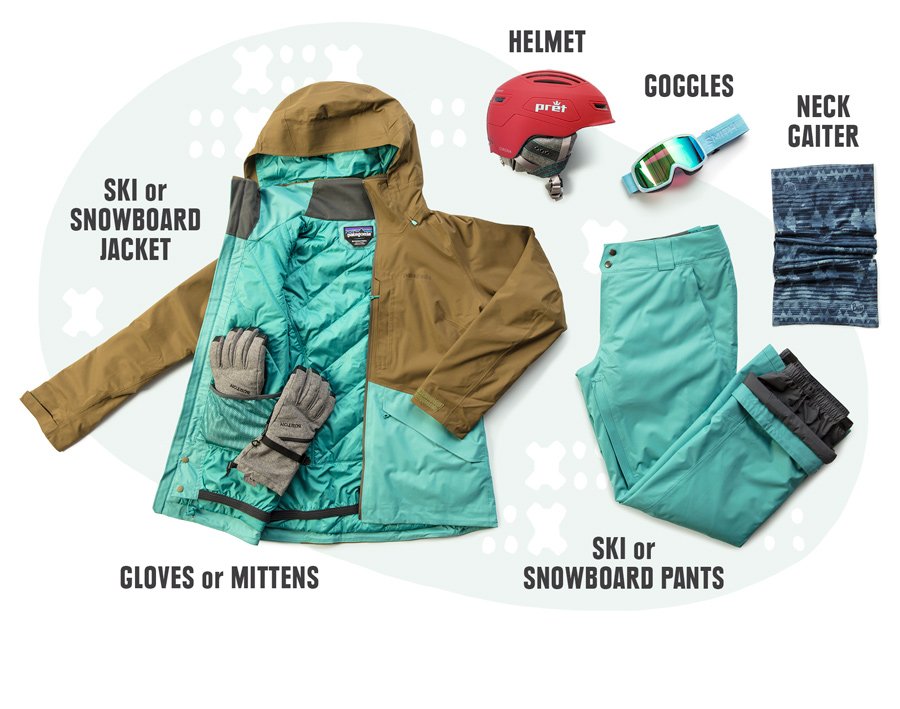
The outer layer (or shell) shields you from wind, snow, and rain. Ski jackets and pants should be waterproof and windproof, but also breathable so you don’t overheat.
- Extra Detail: Look for features like underarm vents, snow skirts, and adjustable hoods for added comfort.
Essential Clothing: Head To Toe
Once you understand layering, it’s time to focus on each part of your body. Skiing is a full-body sport, and every area needs protection.
Ski Jacket
A proper ski jacket is different from a regular winter coat. It’s designed for movement, weatherproofing, and warmth.
- Key Features: Waterproof rating (at least 5,000 mm), taped seams, lots of pockets, and a snow skirt.
- Example: Jackets with a waterproof/breathability rating of 10,000 mm/10,000 g are ideal for most beginners.
Ski Pants
Ski pants also need to be waterproof and insulated. Bib-style pants offer extra protection from snow entering your clothing if you fall.
- Non-Obvious Tip: Look for pants with reinforced cuffs—they last longer and resist cuts from ski edges.
Gloves Or Mittens
Cold hands end ski days early. Choose waterproof, insulated gloves or mittens. Mittens are warmer but offer less finger movement.
- Beginner Insight: Bring a thin liner glove for extra warmth on cold days.
Ski Socks
Regular socks won’t work. You need long, thin ski socks made from wool or synthetic fibers.
- Common Mistake: Never wear two pairs of socks; it causes blisters and reduces circulation.
Helmet
A ski helmet is essential for safety, even if you’re just starting. Modern helmets are lightweight, warm, and comfortable.
- Practical Note: Most resorts require helmets for children and strongly recommend them for adults.
Goggles
Ski goggles protect your eyes from wind, cold, and UV rays, and help you see in changing light.
- Insider Tip: Choose goggles with interchangeable lenses for sunny and cloudy days.
Neck Gaiter Or Balaclava
A neck gaiter or balaclava protects your neck and lower face from wind and sun.
- Pro Advice: Avoid scarves—they can come loose and get caught in equipment.
Hat Or Beanie
If it’s very cold or you take off your helmet during breaks, a warm hat keeps your head warm.
- Safety Reminder: Never wear a hat under your helmet; it can affect the fit and protection.
Accessories And Extras Beginners Shouldn’t Overlook
The main clothing items are vital, but small extras make a big difference in comfort and enjoyment.
- Sunscreen: Snow reflects sunlight, so apply sunscreen to all exposed skin—even on cloudy days.
- Lip balm: Prevents chapped lips from wind and sun.
- Ski pass holder: Many jackets have a special pocket. If not, use a secure lanyard.
- Hand warmers: Small, disposable packs keep hands toasty in extreme cold.
- Backpack: A small pack for snacks, water, and an extra layer is helpful, but keep it light.
What To Avoid: Common Clothing Mistakes
Many beginners make the same errors. Here’s how to steer clear of trouble:
- Wearing jeans or cotton pants: They soak up water and stay cold.
- Bulky sweaters: Too thick and trap sweat.
- Short socks: They slip down and cause blisters.
- Too many layers: Overheating is just as uncomfortable as being cold.
- Forgetting sunglasses: On sunny days, UV is intense even at lower altitudes.
Clothing Comparison: Ski Vs. Regular Winter Wear
Some people think they can ski in regular winter clothes. Here’s a quick comparison.
| Feature | Ski Clothing | Regular Winter Clothing |
|---|---|---|
| Waterproofing | High | Low to Medium |
| Breathability | High | Low |
| Freedom of Movement | Excellent | Limited |
| Insulation | Optimized for activity | Heavy, not adjustable |
| Durability (against falls) | High | Low |
Renting Vs. Buying Ski Clothing
As a beginner, you might not want to buy everything at once. Renting is an option.
| Item | Renting | Buying |
|---|---|---|
| Ski Jacket & Pants | Affordable, good for short trips | Better fit, more choices |
| Helmet | Hygienic, usually included with gear | Personal comfort, can use multiple seasons |
| Goggles | Basic models available | Customizable features, better quality |
| Gloves & Socks | Not usually rented | Recommended to buy for hygiene |
How Weather And Location Affect What You Wear
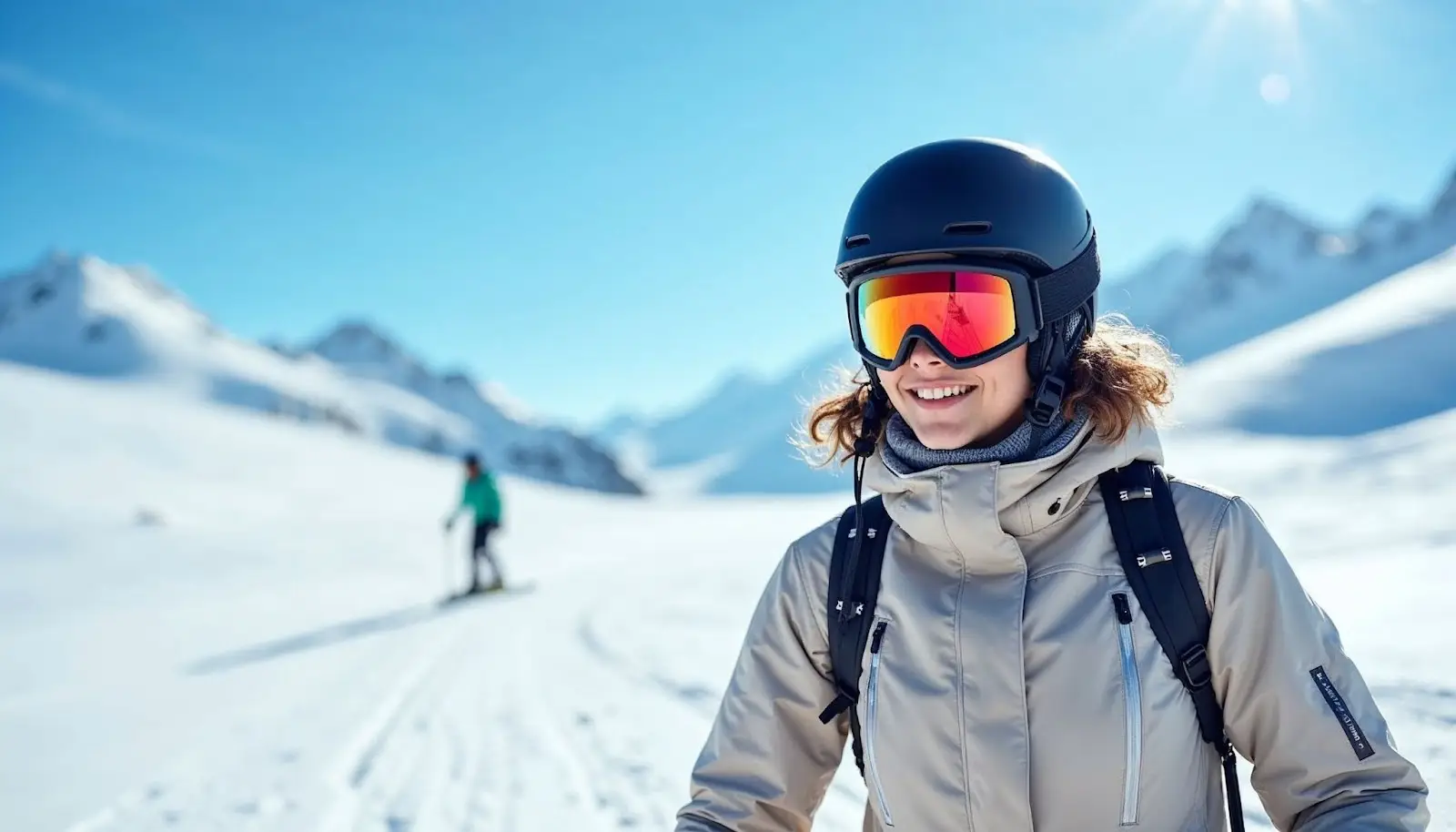
Not every ski resort is the same. Weather and altitude change what you need.
- Low-altitude resorts: Milder temperatures, lighter layers.
- High-altitude or northern resorts: Colder, windier, need thicker insulation.
- Wet snow (spring skiing): Waterproofing is critical, lighter insulation.
Tip beginners miss: Always check the weather forecast before packing. Bring one extra layer just in case, but avoid overpacking.
How To Check If Your Clothes Fit Properly
Proper fit is important for comfort and safety. Here’s how to check:
- Jacket: Should cover your wrists and hips, but allow free arm movement.
- Pants: Waist should stay up without a belt, cuffs cover boots fully.
- Gloves: Enough space to wiggle fingers, but not loose.
- Helmet: Sits level, snug but not tight, doesn’t move when you shake your head.
- Goggles: Fit closely to face, no gaps between helmet and goggle.
Packing Checklist For Your First Ski Trip
To make things easy, here’s a handy list for beginners:
- Waterproof ski jacket
- Waterproof ski pants
- Base layer top and bottom (no cotton)
- Fleece or insulated mid layer
- Ski gloves or mittens
- Ski socks (2-3 pairs)
- Helmet
- Goggles
- Neck gaiter or balaclava
- Beanie or hat (for off the slopes)
- Sunscreen & lip balm
- Hand warmers
- Small backpack
- Ski pass holder or lanyard
Practical Tips For Dressing On Ski Days
Some advice goes beyond the basics:
- Dress at the resort, not at home. You’ll overheat on the drive.
- Tuck base layers into pants to stop snow from reaching your skin.
- Bring a plastic bag for wet clothes after skiing.
- If you have glasses, use goggles that fit over them or get prescription inserts.
Where To Learn More
For more details on ski clothing technology and safety, the Wikipedia page on ski suits gives an in-depth look at materials and design.
Frequently Asked Questions
What Should I Wear Under My Ski Jacket?
Wear a moisture-wicking base layer and, if it’s cold, an insulating mid layer like fleece. Avoid cotton shirts, as they get wet and cold.
Can I Wear Jeans When Skiing?
No, jeans are not suitable. They absorb water, offer no insulation, and can make you cold and uncomfortable.
Do I Need Special Socks For Skiing?
Yes, ski socks are long, thin, and made from wool or synthetic fibers. They prevent blisters and keep your feet warm without bulk.
Is A Helmet Necessary For Beginners?
Absolutely, a helmet is essential. It protects your head from falls and collisions, and most resorts recommend or require them.
Should I Rent Or Buy Ski Clothes As A Beginner?
Renting is fine for your first trip, especially for jackets and pants. Buy gloves, socks, and a helmet for comfort and hygiene if you plan to ski more often.
Finding the right ski clothing as a beginner doesn’t have to be complicated. With the right layers, proper fit, and a few smart choices, you’ll enjoy your time on the slopes—staying warm, dry, and ready for adventure.