
Scuba diving is an adventure that opens up a whole new world under the sea. The colors, the marine life, and the feeling of floating weightlessly can make diving a life-changing hobby. But beneath the beauty, the ocean can be unpredictable and unforgiving.
That’s why every diver—whether a complete beginner or a seasoned explorer—must know and follow essential safety rules. These rules are not just about regulations. They are about protecting lives and making sure every dive ends with a safe return to the surface.
Being a safe diver means more than just learning how to use equipment. It involves planning, awareness, communication, and discipline. Diving accidents are rare, but when they happen, most are caused by ignoring basic safety guidelines. A study by Divers Alert Network (DAN) found that over 60% of diving incidents could be prevented by following standard safety practices.
Whether you dream of exploring coral reefs, shipwrecks, or deep blue walls, understanding and respecting scuba safety rules is your passport to years of safe and joyful diving.
Let’s dive into the complete safety checklist every scuba diver should follow—from pre-dive preparation to post-dive care.
Training And Certification
Before you ever put on a wetsuit, proper training is your first line of defense. You need to learn basic skills, hand signals, emergency procedures, and how to handle the equipment. Most countries require divers to be certified by recognized agencies like PADI, SSI, or NAUI.
Certification courses teach:
- Safe entry and exit techniques
- Buoyancy control
- Equalizing pressure in ears and mask
- Underwater navigation
- Emergency ascent procedures
Skipping formal training is one of the most dangerous mistakes a new diver can make. Even experienced swimmers need scuba training, because the underwater world is completely different from a pool or the surface.
Equipment Checks And Maintenance
Your gear is your life support system under water. Each piece must work perfectly, every time. Before each dive, thoroughly check:
- Regulator: Ensure air flows smoothly and there are no leaks.
- BCD (Buoyancy Control Device): Inflate and deflate to confirm no leaks.
- Tank: Check air pressure and confirm it’s full.
- Weights: Secure properly and check quick-release function.
- Mask, fins, and snorkel: Ensure no cracks or tears.
- Computer or depth gauge: Set and test alarms.
Make sure your equipment fits well. Ill-fitting gear can cause leaks, discomfort, or even panic. Get your gear serviced by professionals at least once a year, or as recommended by the manufacturer.
Plan Your Dive And Dive Your Plan
Every dive should start with a detailed plan. This means knowing your:
- Depth and time limits
- Entry and exit points
- Air supply management
- Turn-around time
- Emergency procedures
Discuss the plan with your buddy. If something changes—bad weather, strong currents, low visibility—be ready to cancel or adjust the dive. Overconfidence and poor planning are among the most common causes of diving accidents.
The Buddy System
Never dive alone. The buddy system is a golden rule in scuba diving. Always stay close to your dive buddy. Buddies help each other with:
- Pre-dive safety checks
- Monitoring air supply
- Navigation and communication
- Handling emergencies like entanglement or out-of-air situations
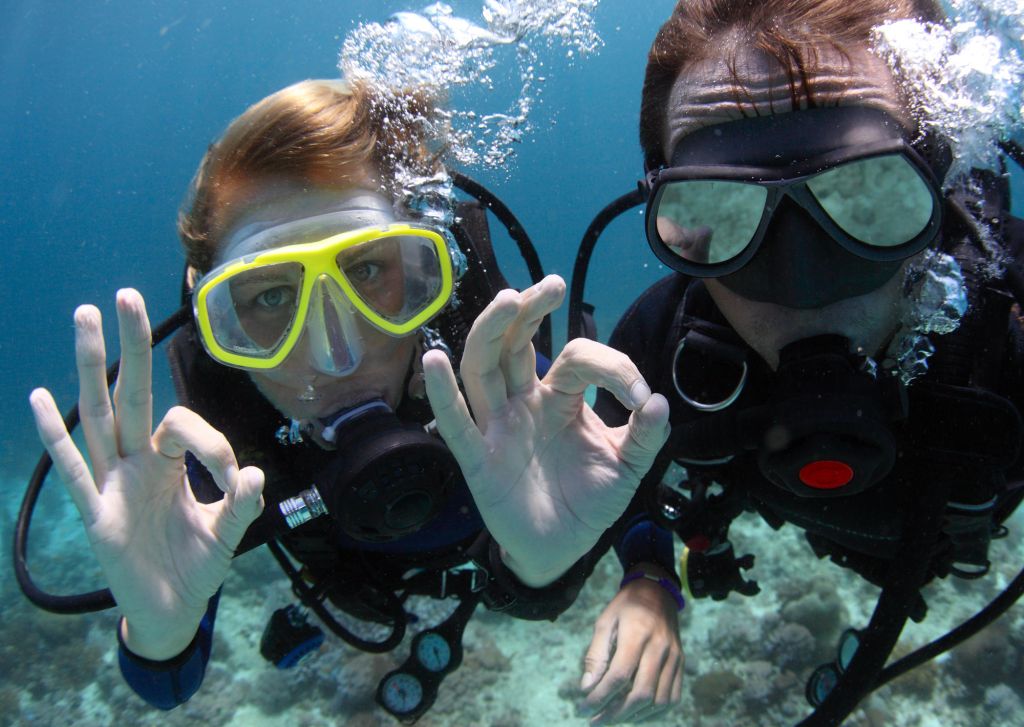
Agree on hand signals and emergency procedures before entering the water. If you lose sight of your buddy, search for no more than one minute, then surface and regroup.
Pre-dive Safety Checks
Before every dive, conduct a BWRAF check (as taught by PADI):
- B – Buoyancy: Test BCD inflator/deflator.
- W – Weights: Check weight system and releases.
- R – Releases: Check all straps and clips.
- A – Air: Confirm tanks are full and regulators work.
- F – Final check: Mask, fins, computer, camera.
These five steps help prevent simple mistakes that can lead to emergencies. Take your time. Rushing through checks is a common error, especially for experienced divers.
Equalizing Pressure
Descending quickly without equalizing pressure in your ears and mask can cause barotrauma—a painful and dangerous condition. Start equalizing before you even feel discomfort, and continue as you go down. If you feel pain, ascend a little and try again.
Never force yourself downward.
Pro tip: Equalize using the Valsalva maneuver (pinch your nose and gently blow) or by swallowing or wiggling your jaw.
Monitor Depth, Time, And Air Supply
Staying aware of your depth, bottom time, and air supply is critical for preventing decompression sickness and running out of air. Always check your gauges every few minutes.
| Depth | Max Bottom Time (No-Decompression) | Air Consumption (Approx.) |
|---|---|---|
| 12 meters (40 ft) | 120 min | Low |
| 18 meters (60 ft) | 56 min | Medium |
| 30 meters (100 ft) | 20 min | High |
Plan your dive so you always have enough air for a safe ascent plus a safety margin. Follow the “rule of thirds”: one third of your air for the descent and exploration, one third for the return, and one third as a reserve.
Buoyancy Control
Good buoyancy keeps you safe, saves energy, and protects marine life. Use your breath and your BCD to adjust your position. Poor buoyancy can lead to uncontrolled ascents or descents, which are dangerous.
Beginner insight: Many new divers use their hands for balance. Instead, practice hovering and moving with your fins and breath. This skill takes practice but makes diving much safer and more enjoyable.
Safe Ascent Procedures
Ascending too quickly is risky. It can cause decompression sickness (“the bends”) or lung overexpansion injuries. Always ascend at a maximum rate of 9 meters (30 feet) per minute—slower is even better.
- Make a safety stop at 5 meters (15 feet) for at least 3 minutes after every dive, even if not required by your computer.
- Never hold your breath during ascent.
- Watch your gauge and listen for bubbles.
Equalize Early And Often
Ear injuries are common, especially for beginners. Equalize before you feel pain. If you can’t equalize, don’t force the dive. Persistent pain means something is wrong—signal your buddy and ascend a little until you can equalize comfortably.
Know Your Limits
Be honest about your experience and physical condition. If you’re tired, cold, or anxious, postpone the dive. Don’t let peer pressure or excitement push you to dive deeper or in tougher conditions than you’re trained for.
As you gain experience, take advanced courses and specialty training. This will expand your skills and allow you to handle new environments safely.
Stay Hydrated And Rested
Diving is physically demanding. Dehydration increases the risk of decompression sickness. Drink plenty of water before and after diving. Avoid alcohol and heavy exercise before a dive.
Fatigue also impairs judgment and reaction time. Make sure you are well-rested before diving.
Environmental Awareness
Be aware of your surroundings at all times. Watch for:
- Currents and waves
- Boat traffic above
- Sharp rocks or coral
- Dangerous marine life
Always keep your hands and fins away from the bottom and living creatures. Touching marine life can harm them—and sometimes you. Some corals, jellyfish, and fish can sting or bite.
Emergency Procedures
Know how to respond to common emergencies:
- Out of air: Signal your buddy and use their alternate air source.
- Entanglement: Stay calm, signal your buddy, and use a cutting tool if needed.
- Lost buddy: Search for 1 minute, then ascend and reunite on the surface.
Practice these skills during training and refresh them regularly.
Weather And Water Conditions
Check weather and water conditions before every dive. Strong currents, waves, or poor visibility can turn a routine dive into a dangerous one. If in doubt, call off the dive.
Here’s a quick comparison of how different conditions affect safety:
| Condition | Impact on Safety | Recommended Action |
|---|---|---|
| Calm sea, clear water | Low risk | Proceed with standard checks |
| Strong current | High risk of drifting | Consider cancelling or change site |
| Poor visibility | Easy to get lost | Stay close to buddy, use line |
Post-dive Practices
Once you’re back on the surface, safety isn’t over. Follow these steps:
- Log your dive details (depth, time, air used, conditions).
- Rinse equipment with fresh water and check for any damage.
- Rest and hydrate.
- Wait at least 18–24 hours before flying to avoid decompression sickness.
Non-obvious tip: Small symptoms like joint pain, fatigue, or tingling after a dive may signal decompression sickness. Don’t ignore them—get medical help right away.
Dive With Local Knowledge
Every dive site is different. Local guides know about hidden dangers, currents, and the best entry/exit points. Always listen to their briefings and ask questions if unsure.
Respect Wildlife And Protect The Ocean
Never chase, touch, or feed marine animals. Avoid collecting souvenirs or disturbing the reef. Responsible divers help protect the ocean for future generations.
The Role Of Dive Computers
Modern dive computers track your depth, time, and ascent rate. They help you avoid decompression sickness. But don’t rely on technology alone. Always know your plan and monitor your gauges yourself.
| Feature | Benefit | Potential Drawback |
|---|---|---|
| Continuous depth tracking | Accurate ascent monitoring | May fail if battery dies |
| No-decompression limits | Reduces risk of “the bends” | Overreliance can cause complacency |
| Integrated air monitoring | Easier to track air supply | May encourage deeper/longer dives |
Continuous Learning And Practice
Diving skills can fade if you don’t practice. Take refresher courses if you haven’t dived in a while. Stay updated with the latest safety protocols and equipment. Join a local dive club to share experiences and learn from others.
Frequently Asked Questions
What Is The Most Important Safety Rule In Scuba Diving?
The most important rule is never hold your breath while ascending. This prevents lung overexpansion injuries and is crucial for safe diving.
How Often Should I Check My Air Supply During A Dive?
Check your air gauge every few minutes—at least every 5 minutes is a good rule. This helps you avoid running low unexpectedly.
Can I Dive If I Have A Cold Or Allergies?
You should not dive with a cold, sinus infection, or allergies that block your ears or nose. This makes it hard to equalize pressure and increases the risk of injury.
Why Do I Need To Wait Before Flying After Diving?
After diving, nitrogen stays in your body. Flying too soon lowers the pressure and can cause decompression sickness. Wait at least 18–24 hours before flying.
Is It Safe To Dive Alone If I Have Experience?
Solo diving increases risk, even for experts. The buddy system is always safer, as having a partner can help in emergencies like entanglement or equipment failure.
Scuba diving is an incredible experience, but it rewards those who respect its risks. By following these safety rules, you protect yourself, your buddy, and the underwater world you love. For further reading and up-to-date safety tips, you can visit the Wikipedia page on scuba diving. Safe diving!
