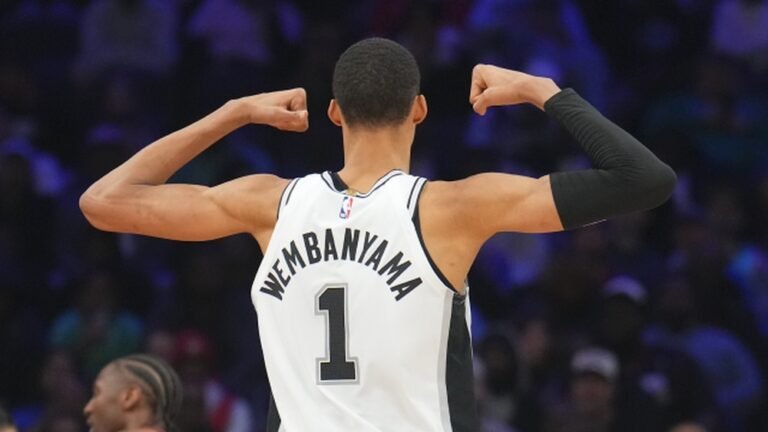
Basketball is more than just a fast-paced game; it’s a true test of your body’s strength, speed, and control. When you watch professional players jump, dribble, or sprint down the court, you might wonder: what muscles does basketball work the most? Knowing which muscle groups are involved can help you train smarter, prevent injuries, and improve your performance. Whether you are a beginner or a seasoned player, understanding how your body moves on the court is the first step towards becoming a better athlete.
This guide takes a detailed look at the main muscles used in basketball. We will break down how each muscle group works during different basketball skills, explain why these muscles matter, and share some facts you probably didn’t know. You’ll also find tables comparing muscle activation in various movements and practical advice to help you get the most from your training.
By the end, you’ll have a clear picture of how basketball shapes your body.
Major Muscle Groups Used In Basketball
Basketball is a total-body sport. You use almost every muscle from your legs to your arms, including your core. But some muscles get more work than others.
Quadriceps
The quadriceps are the large muscles at the front of your thighs. They play a key role in jumping, sprinting, and squatting.
- Jumping: Every jump shot, layup, or rebound starts with powerful quads.
- Sprinting: Quick moves and fast breaks rely on strong quadriceps.
- Stability: Quads protect your knees during sudden stops or turns.
A study found that elite basketball players can jump up to 28 inches, mainly because of their well-developed quadriceps.
Hamstrings
The hamstrings run along the back of your thighs. They work closely with the quads.
- Explosive Speed: Hamstrings help you push off the floor and accelerate.
- Deceleration: When you stop suddenly, your hamstrings prevent injuries.
- Direction Changes: Side steps and pivots activate these muscles.
Many beginner players forget to strengthen their hamstrings, which can lead to strains or even tears.
Gluteal Muscles
The glutes (gluteus maximus, medius, and minimus) are the largest muscles in your body.
- Vertical Leap: Glutes are essential for jumping high.
- Balance: They help you stay stable when landing or defending.
- Lateral Movement: Quick side shuffles use the gluteus medius.
Athletes with strong glutes often have better speed and injury resistance.
Calves
Your calf muscles (gastrocnemius and soleus) power every push off the floor.
- Jumping and Sprinting: Calves add extra force to your jumps and sprints.
- Landing Control: They absorb impact when you land.
- Agility: Quick footwork depends on calf strength.
Weak calves can lead to poor jumping and more ankle injuries.
Core Muscles
The core includes your abdominals, obliques, and lower back. It connects your upper and lower body.
- Stability: Core muscles keep you balanced during fast moves.
- Power Transfer: Every shot or pass starts with a strong core.
- Injury Prevention: A stable core protects your spine.
Research shows that athletes with weak cores are more likely to suffer lower back pain and poor coordination.
Hip Flexors
Located at the front of your hips, the hip flexors help lift your knees and move your legs forward.
- Sprinting: Hip flexors are key for running speed.
- Jumping: They help drive your knees up.
- Direction Changes: Quick cuts use hip flexors for movement.
Tight hip flexors can limit your speed and jumping ability.
Chest And Shoulders
The chest (pectorals) and shoulders (deltoids) control arm movements.
- Shooting: Strong shoulders stabilize your shooting arm.
- Passing: Chest strength adds power to passes.
- Rebounding: Shoulders help control the ball in the air.
Players often train these muscles for both strength and endurance.
Back Muscles
Your upper and lower back muscles support your posture and arm movements.
- Defense: A strong back lets you stay low and wide.
- Rebounding: Back muscles help pull the ball down.
- Shooting: They keep your body upright during shots.
Neglecting your back can lead to slouching and shoulder injuries.
Arms: Biceps And Triceps
The biceps and triceps help you handle and shoot the ball.
- Dribbling: Biceps control the ball.
- Shooting: Triceps extend your arm during shots.
- Passing: Both muscles add speed and accuracy.
Well-developed arms make you more effective on offense and defense.
Muscle Activation During Basketball Skills
Different basketball movements use different muscles. Let’s see which muscles work hardest during key skills.
Jumping (layups, Dunking, Rebounding)
Jumping is a total-body movement, but some muscles do more work.
| Muscle Group | Activation Level |
|---|---|
| Quadriceps | Very High |
| Glutes | Very High |
| Calves | High |
| Hamstrings | Moderate |
| Core | High |
Jumping is not just about leg power. You need a strong core and flexible ankles to jump safely and land with control.
Sprinting And Fast Breaks
Speed is a mix of power and technique. Here’s how your muscles work when you sprint.
| Muscle Group | Role in Sprinting |
|---|---|
| Hamstrings | Drive leg backward |
| Quadriceps | Push body forward |
| Hip Flexors | Lifts knee |
| Calves | Push off ground |
| Glutes | Explosive power |
Sprinting uses the same muscles as jumping but with different timing and balance.
Shooting And Passing
Shooting looks easy, but it’s a complex movement that uses your whole upper body.
- Shoulders and Triceps: Extend your shooting arm.
- Wrists and Forearms: Control the release.
- Core: Stabilizes your body during the shot.
- Legs: Provide the force for long-range shots.
Passing uses similar muscles but with more focus on the chest and shoulders.
Defense And Lateral Movement
Good defense means quick side-to-side moves and staying low.
| Muscle Group | Role in Defense |
|---|---|
| Gluteus Medius | Lateral stability |
| Quadriceps | Knee support |
| Core | Balance |
| Adductors | Bring legs together |
Most beginners don’t realize how much the gluteus medius and adductors do during defense. Weakness here can lead to slow reactions and more fouls.
Why Muscle Balance Matters
It’s tempting to only train the muscles you see in the mirror. But basketball requires muscle balance. If some muscles get too strong while others are weak, you risk injury and poor performance.
- Quad vs Hamstring Ratio: If your quads are much stronger than your hamstrings, your knees are at risk.
- Core Strength: A weak core leads to bad posture and slow footwork.
- Upper vs Lower Body: Basketball is not just a leg sport; strong arms and shoulders matter, too.
Many injuries, like ACL tears or ankle sprains, happen because of imbalances. Smart athletes train every muscle group, not just their favorites.
Practical Training Tips For Basketball Muscles
If you want to build the right muscles for basketball, try these strategies:
- Compound Movements: Exercises like squats, lunges, and deadlifts work multiple muscles at once.
- Plyometric Drills: Box jumps and jumping lunges improve power and speed.
- Core Routines: Planks and Russian twists develop stability.
- Agility Work: Ladder drills and cone shuffles boost lateral movement.
- Strengthen Weak Links: Don’t ignore hip flexors, gluteus medius, or calves.
- Flexibility Training: Stretching prevents injuries and improves movement.
- Recovery: Muscles grow during rest, not just workouts.
One non-obvious tip: focus on single-leg exercises. Basketball is full of single-leg jumps and landings, so training each leg separately reduces muscle imbalances and boosts coordination.

Muscle Development By Player Position
Different positions in basketball require different muscle strengths.
- Guards: Need fast, agile legs and strong shoulders for shooting.
- Forwards: Rely on powerful legs for rebounding and driving to the basket.
- Centers: Use their whole body for post moves, blocks, and powerful finishes.
Here’s how muscle use varies by position:
| Position | Main Muscle Groups |
|---|---|
| Guard | Quadriceps, calves, shoulders |
| Forward | Glutes, hamstrings, core |
| Center | Back, chest, quads, glutes |
Some players focus too much on their strengths. For example, centers may ignore speed drills, while guards might skip strength work. Smart training means developing every muscle, not just the obvious ones.
Common Mistakes In Basketball Muscle Training
Even experienced players make mistakes when it comes to building the right muscles.
- Ignoring Flexibility: Tight muscles limit your movement and increase injury risk.
- Overtraining: Too much training can lead to fatigue and injury.
- Bad Technique: Poor exercise form does not build the right muscles and can cause harm.
- Skipping Recovery: Muscles need time to repair and grow.
Another common mistake: neglecting the foot muscles. Strong feet help with balance, jumping, and quick stops. Simple exercises like toe raises and towel scrunches can make a big difference.
The Role Of Endurance
Basketball is not just about power. You need muscular endurance to play hard for four quarters.
- Leg Endurance: Keeps you moving at high speed throughout the game.
- Core Endurance: Maintains good posture during long defensive stands.
- Arm Endurance: Helps with repeated shooting and passing.
Circuit training and interval sprints are effective for building basketball-specific endurance.
How Muscle Development Changes Your Game
Well-trained muscles do more than make you look strong. They:
- Improve Performance: You run faster, jump higher, and react quicker.
- Reduce Injuries: Balanced muscles protect your joints and bones.
- Boost Confidence: When you feel strong, you play with more energy.
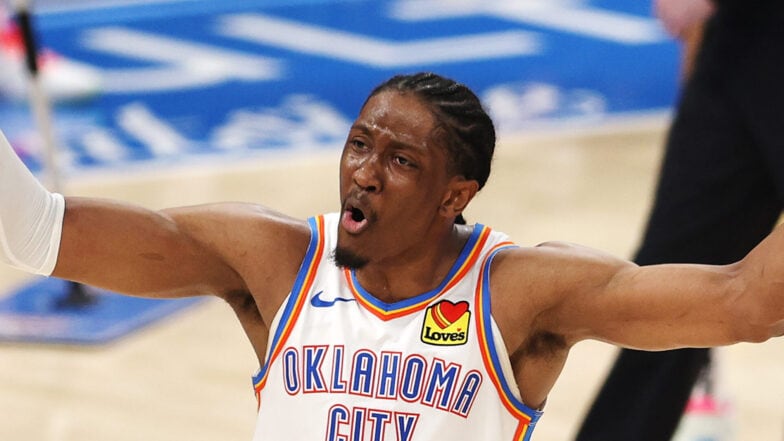
NBA players spend hours each week on muscle training, not just skill work. Their athleticism comes from a mix of genetics and smart, consistent training.
Non-obvious Insights For Basketball Muscle Development
- Muscle Memory Matters: Repeating the same movements creates muscle memory. This makes actions like shooting, dribbling, or jumping feel automatic.
- Nervous System Training: Fast, explosive moves depend on your nerves as much as your muscles. Plyometric drills train your brain and body together.
Most beginners focus only on muscle size. But basketball requires a mix of power, speed, endurance, and coordination.
Useful External Resource
If you want to learn more about the science of muscle use in sports, visit the Wikipedia Basketball Physical Demands page.

Frequently Asked Questions
What Are The Main Muscles Used In Basketball?
The main muscles are the quadriceps, hamstrings, glutes, calves, core, hip flexors, chest, shoulders, back, biceps, and triceps. Basketball uses almost every muscle in your body, but your legs and core do the most work.
Does Playing Basketball Build Muscle?
Yes, basketball builds muscle, especially in your legs, core, and upper body. However, for maximum muscle growth, combine playing with strength training exercises.
Why Do My Legs Hurt After Basketball?
Leg pain often comes from overusing your quads, hamstrings, and calves. It could be muscle soreness, fatigue, or minor strains. Proper warm-up, stretching, and rest help prevent pain.
Is It Important To Train Both Upper And Lower Body For Basketball?
Yes. Basketball is a total-body sport. You need strong legs for jumping and running, but also a strong upper body for shooting, passing, and defense.
How Can I Prevent Injuries Related To Muscle Imbalance In Basketball?
Focus on balanced training. Strengthen both the front and back of your legs, work your core, and don’t skip flexibility or recovery routines.
Basketball challenges your whole body, but with smart training, you can build the right muscles and become a better, safer athlete. Use these insights to guide your workouts and step up your game on the court.
