
Scuba diving opens a hidden world that few people ever see. Imagine floating weightless, surrounded by colorful life you usually see only in documentaries. From tiny shrimp to massive sharks, the ocean is full of surprises. If you’re curious about what marine life you can see while scuba diving, this guide will help you understand what’s out there, why different places offer different creatures, and how to make the most of every dive.
Factors That Affect What You See
Before you jump in, it’s important to know that the marine life you’ll see depends on several things. The location, water temperature, season, and even time of day all play a role. For example, warm tropical reefs have more colorful fish, while colder waters might give you a chance to see seals or kelp forests.
Another big factor is your diving depth. Some animals stay close to the surface, while others prefer the deep. Your experience level also matters—beginners usually stay in shallower water, where coral reefs and many fish are found.
Most Common Marine Life On Coral Reefs
Coral reefs are one of the best places to dive if you want to see a variety of marine life. These underwater cities are full of color and movement.
1. Tropical Reef Fish
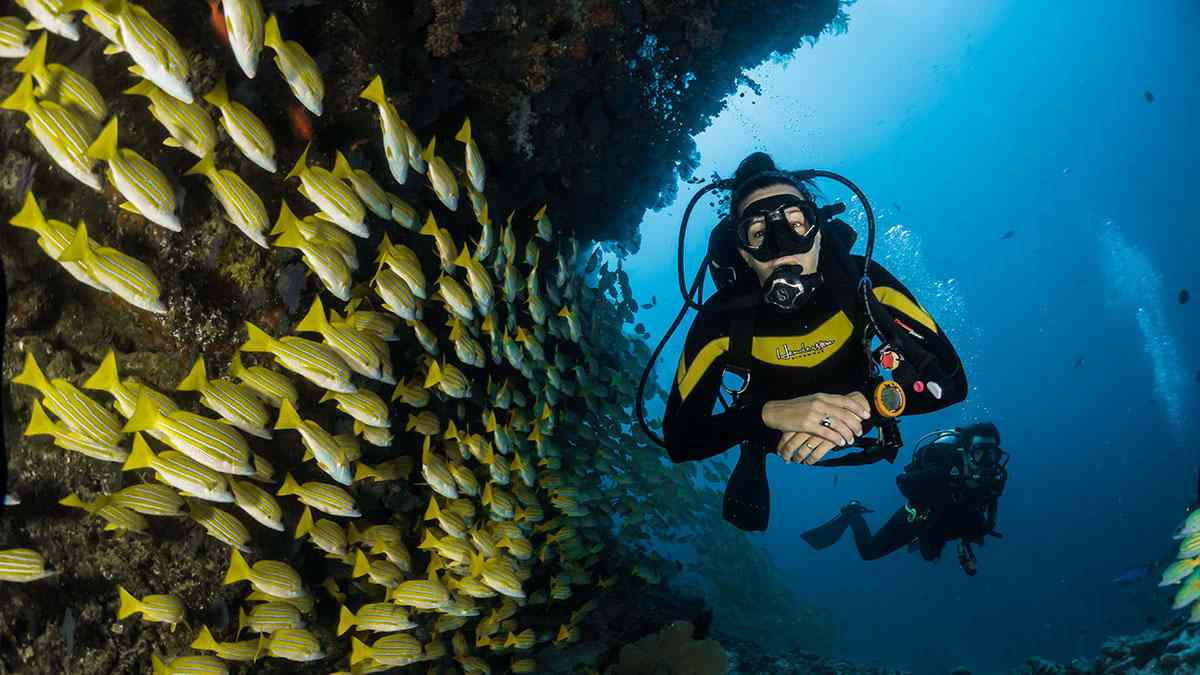
When people think of scuba diving, they often imagine clownfish, parrotfish, or butterflyfish. These small, colorful fish are everywhere on healthy reefs. They dart between corals, searching for food and avoiding predators. Some, like the angelfish or surgeonfish, have bright patterns that make them easy to spot.
2. Moray Eels
You might see moray eels peeking from crevices in the rocks. They look a bit scary, but they usually just watch divers pass by. Morays open and close their mouths to breathe, not because they want to bite.
3. Sea Turtles
Few things excite divers more than a gentle sea turtle gliding by. Depending on where you dive, you might see green turtles, hawksbills, or even the huge leatherback turtle. These ancient animals often rest on the reef or feed on sponges.
4. Rays
Stingrays and eagle rays are common in sandy areas near reefs. They move gracefully, sometimes hiding in the sand. If you’re lucky, you might see the impressive manta ray, which can have a wingspan of over 7 meters.
5. Reef Sharks
Sharks are often misunderstood. Most reef sharks (like blacktip or whitetip) are shy and not dangerous to divers. Seeing one is a highlight for many, as these elegant predators cruise the reef looking for food.
What You Can See In Open Water And Blue Water Dives
Not all dives happen on coral reefs. Open water, away from the coast, offers different wildlife.
1. Pelagic Fish
Pelagic means “open ocean.” Here, you might see tuna, barracuda, or even schools of jacks. These fish are fast and often swim in groups. They’re attracted to cleaning stations or drift along with currents.
2. Dolphins
Dolphins sometimes join divers in open water, though this is rare and always special. They are curious and may play around bubbles or swim by in pods.
3. Oceanic Sharks
In some areas, you can dive with bigger sharks like hammerheads or oceanic whitetips. These dives are usually for experienced divers, but seeing these powerful animals in their natural habitat is unforgettable.
4. Jellyfish And Plankton
In certain seasons, you might swim through clouds of jellyfish or glowing plankton. While some jellyfish can sting, many are harmless and beautiful to watch.
Unique Encounters In Cold Water Diving
Tropical reefs are not the only places with amazing marine life. Cold water diving offers different, often bigger, animals.
1. Seals And Sea Lions
In places like California or the Galapagos, sea lions and seals sometimes play with divers. They twist and turn, showing off underwater. They are curious and can come very close.
2. Giant Kelp Forests
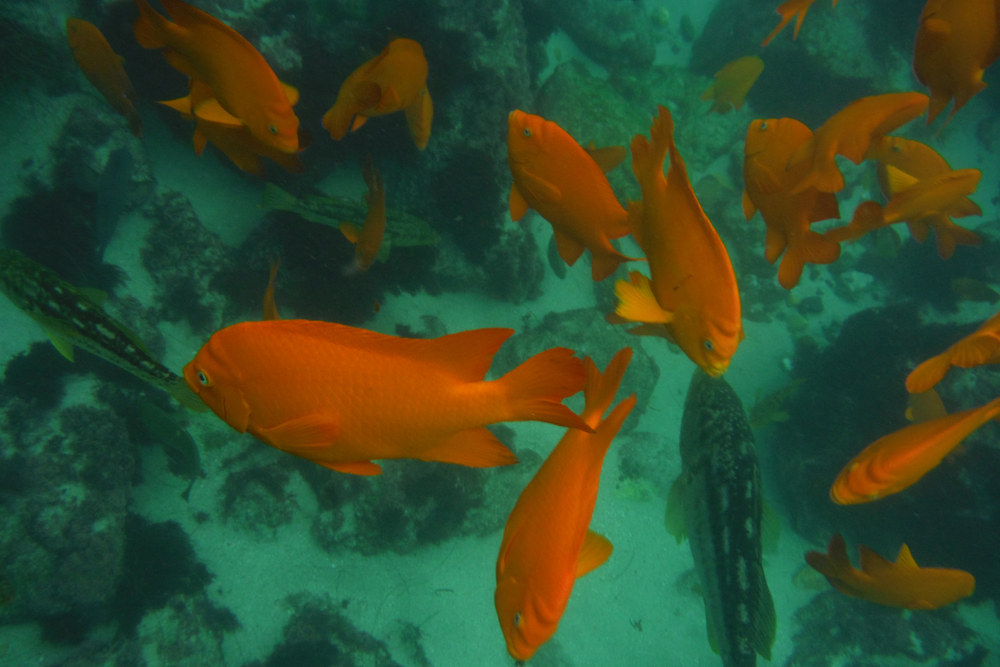
Cold waters support kelp forests. These underwater jungles are home to garibaldi fish, nudibranchs, and sometimes even sea otters. Kelp forests feel magical, with sunlight streaming through the tall plants.
3. Octopus And Cuttlefish
You have a better chance of seeing octopus and cuttlefish in temperate or cold water. These smart animals can change color and shape to blend into rocks or sand. Watching them hunt or hide is fascinating.
4. Wolf Eels And Lingcod
In the Pacific Northwest, you might find the odd-looking wolf eel or large lingcod. They aren’t true eels but are impressive and sometimes quite friendly with divers.
Macro Life: The Tiny Wonders
Not everything you see while scuba diving is big or easy to spot. Some of the most amazing creatures are small and well hidden.
1. Nudibranchs
Nudibranchs are colorful sea slugs found all over the world. They might be only a few centimeters long, but their bright colors and strange shapes make them favorites for underwater photographers.
2. Shrimp And Crabs
Look closely at coral and sponges to spot cleaner shrimp, mantis shrimp, or decorator crabs. These animals have interesting behaviors, such as cleaning fish or camouflaging with bits of algae.
3. Pygmy Seahorses
Found on soft corals, pygmy seahorses are tiny and hard to find. They are masters of camouflage and a true prize for macro lovers.
4. Frogfish
Frogfish are small, round, and look like sponges or rocks. They can “walk” on the sea floor using their fins and can swallow prey almost as big as themselves.
Wreck Diving: Life On Sunken Ships
Shipwrecks quickly become artificial reefs, attracting all kinds of marine life.
1. Schools Of Fish
Wrecks are often covered with schools of snapper, batfish, or barracuda. The structure offers protection, so fish gather in large numbers.
2. Groupers
Giant groupers sometimes make wrecks their home. These fish can be huge, sometimes over 2 meters long.
3. Soft Corals And Sponges
Over time, wrecks get covered in soft corals, sponges, and other filter feeders. These attract small creatures like blennies and gobies.
4. Lionfish
In some regions, especially the Caribbean, invasive lionfish are common on wrecks. They are beautiful but have venomous spines, so look but don’t touch.
Seasonal And Rare Sightings
Some marine life can only be seen during certain times of the year or under special conditions.
1. Whale Sharks
The whale shark is the largest fish in the sea, sometimes growing over 12 meters. They are filter feeders and gentle giants. In places like Mexico, the Maldives, or the Philippines, you can dive with them during their migration seasons.
2. Manta Ray Aggregations
Certain spots see large numbers of manta rays coming together to feed or be cleaned by small fish. This happens in places like Komodo (Indonesia) or Kona (Hawaii).
3. Humpback Whales
In a few places, you can actually dive or snorkel with humpback whales. These giants pass by Tonga, the Dominican Republic, and other locations during migration.
4. Mola Mola (sunfish)
The mola mola is a strange, huge fish that appears in places like Bali at certain times. They come up from deep water to be cleaned by small fish.
Comparing Dive Destinations By Marine Life
Choosing where to dive can affect what you see. Here’s a quick comparison of popular spots:
| Destination | Best Known For | Typical Sightings |
|---|---|---|
| Great Barrier Reef | Coral reefs, diversity | Clownfish, turtles, reef sharks |
| Red Sea (Egypt) | Clear water, wrecks | Dolphins, morays, napoleon wrasse |
| Galapagos | Big animals, currents | Hammerheads, sea lions, marine iguanas |
| Indonesia | Macro life, mantas | Nudibranchs, pygmy seahorses, mantas |
| Caribbean | Wrecks, clear water | Parrotfish, turtles, lionfish |
Size Comparison: Marine Life You Might See
Marine animals come in all sizes. Here’s how a few popular species compare:
| Species | Average Size | Maximum Size |
|---|---|---|
| Clownfish | 10 cm | 15 cm |
| Green Sea Turtle | 1 m | 1.5 m |
| Reef Shark | 1.5 m | 3 m |
| Manta Ray | 4 m (wingspan) | 7 m (wingspan) |
| Whale Shark | 8 m | 12 m |
Non-obvious Insights For Divers
Many new divers expect to see big animals on every dive. In reality, most dives feature small creatures and colorful fish. Learning to enjoy the macro life—the tiny shrimp, nudibranchs, and crabs—makes every dive interesting, even if there are no sharks or rays.
Another tip: marine animals are often more active at dawn or dusk. If you want to see hunting or cleaning behavior, try an early morning or night dive. Many fish change color or hide during the day, so different times give different experiences.
Tips For Spotting More Marine Life
- Move slowly—fast movements scare animals away.
- Watch experienced guides—they know where creatures hide.
- Look under ledges and inside corals.
- Carry a small dive torch, even in the daytime, to find hidden animals.
- Learn the shapes and patterns of common species; many blend into the background.
Responsible Diving: Protecting What You See
Always remember that divers have a responsibility to protect the marine world. Touching animals or coral can cause harm. Even stirring up the sand can damage delicate creatures. Take only photos, leave only bubbles. Many divers also join citizen science projects to help monitor marine life.
If you want to learn more about marine species and conservation, the World Wildlife Fund offers excellent resources.
Frequently Asked Questions
What Are The Best Places To See Sharks While Scuba Diving?
Some of the best places include the Galapagos Islands, Cocos Island (Costa Rica), Bahamas, and South Africa. Each location offers different species, from hammerheads to tiger sharks.
Can I See Whales While Scuba Diving?
Yes, but it’s rare. Most whale encounters happen while snorkeling or from the boat. Humpback whales are seen in Tonga and the Dominican Republic, and sometimes in Norway for orcas.
Is It Dangerous To Dive With Large Marine Animals?
Most large marine animals, like whale sharks or manta rays, are gentle and not a threat. However, always follow local guidelines and listen to your dive guide.
What Time Of Year Is Best For Diving With Manta Rays?
Manta rays gather in places like the Maldives, Komodo, and Socorro at specific times, usually tied to plankton blooms. Research your destination for the best months.
How Can I Spot More Marine Life On My Dives?
Move slowly, keep your eyes open for movement and color changes, and listen to your guide’s advice. Sometimes, the smallest creatures are the most impressive.
Scuba diving is more than just swimming underwater—it’s a chance to explore a world full of surprises. Whether you love big animals like sharks and whales or tiny nudibranchs and shrimp, every dive can offer something new. With knowledge and respect, you’ll get the most from your underwater adventures.
