Youth ice hockey is more than just a sport; it’s a way for young people to learn teamwork, discipline, and healthy competition. If you’re curious about what youth ice hockey is, how it works, and why so many families get involved, you’re in the right place.
Here, you’ll discover everything you need to know about this exciting game for kids and teens.
What Is Youth Ice Hockey?
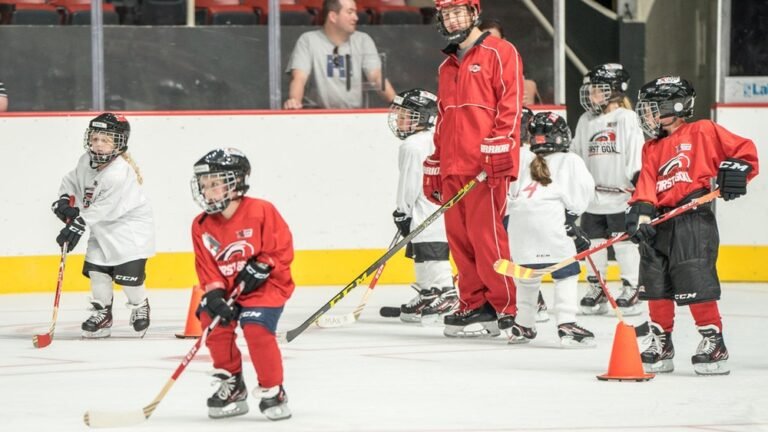
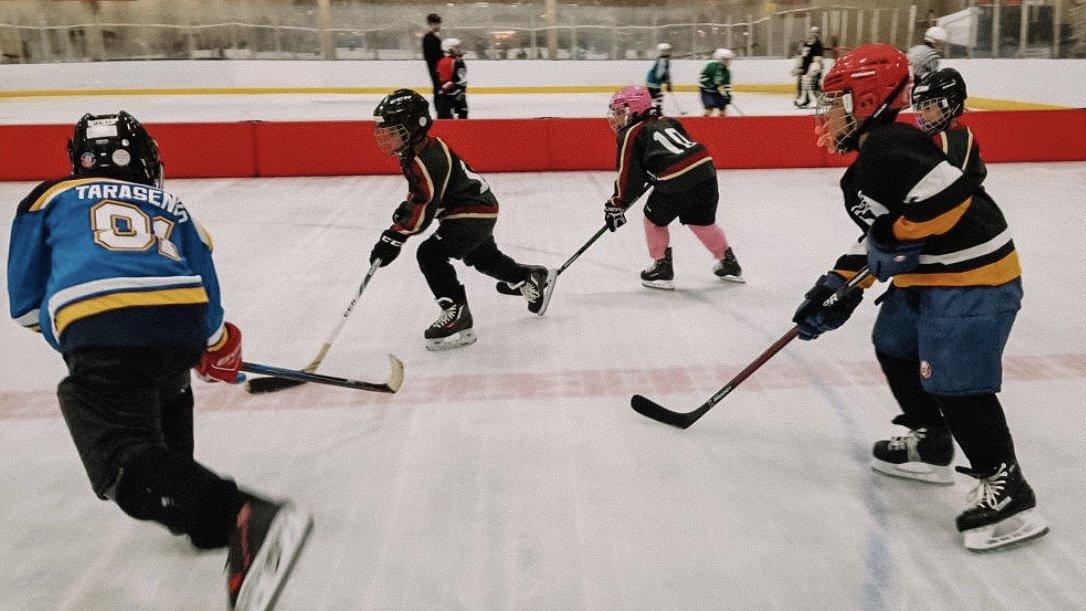
Youth ice hockey is a team sport played on ice where children and teenagers compete following age-appropriate rules. Players use sticks to move a puck and try to score goals against the opposing team. The sport is fast, physical, and highly strategic, but it’s also about fun, fitness, and building friendships.
Most youth ice hockey programs begin with children as young as four or five years old. The sport is popular in countries like Canada, the United States, Russia, Sweden, and Finland, but you can find teams and leagues almost everywhere there’s an ice rink.
How Youth Ice Hockey Works
Youth ice hockey is organized by age groups and skill levels. This keeps games fair and ensures that all players develop safely.
| Age Group | Typical Ages | Common Name |
|---|---|---|
| U6/U8 | 5-8 years | Mite |
| U10 | 9-10 years | Squirts/Atom |
| U12 | 11-12 years | Peewee |
| U14 | 13-14 years | Bantam |
| U16/U18 | 15-18 years | Midget/Junior |
Teams usually practice two to three times a week and play games on weekends. Leagues can be local, regional, or even national, depending on the country and skill level.
Equipment And Safety
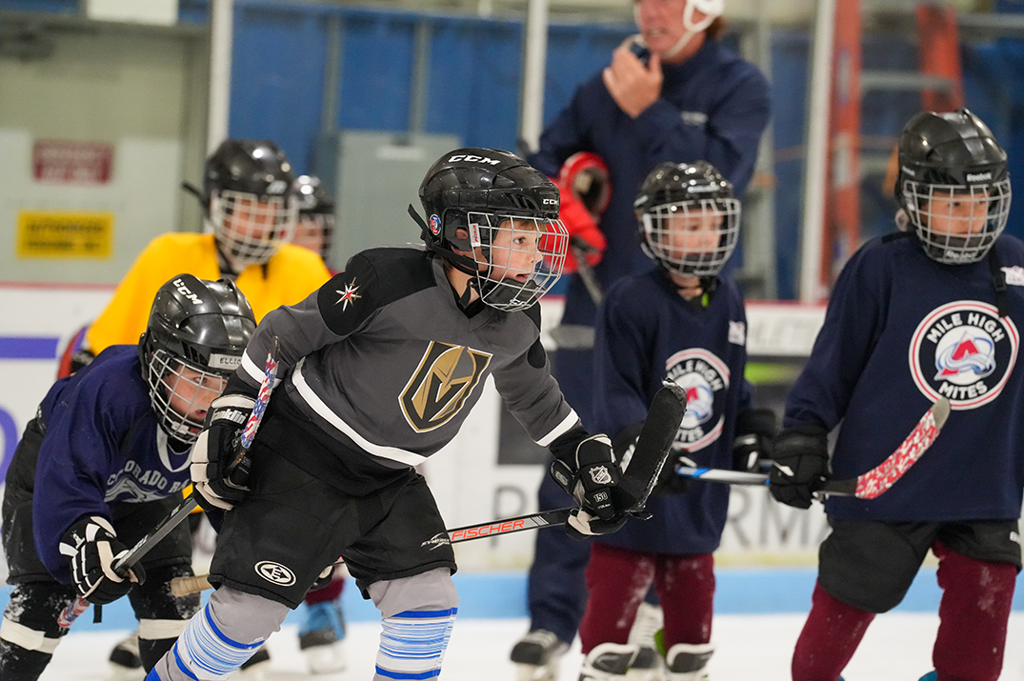
Safety is a top priority in youth ice hockey. Players wear special gear to protect themselves from falls, pucks, and other players.
| Equipment | Purpose |
|---|---|
| Helmet with cage/visor | Protects head and face |
| Shoulder pads | Shields shoulders and chest |
| Elbow pads | Guards elbows |
| Gloves | Protects hands and wrists |
| Shin guards | Covers shins and knees |
| Hockey pants | Padded protection for thighs and hips |
| Skates | Allows movement on ice |
| Stick | Used to handle the puck |
| Mouthguard | Protects teeth and jaw |
Leagues often require all this equipment and check it before games. Helmets must fit well and have a safety certification sticker. New players sometimes forget neck guards or mouthguards, but these are important for preventing injuries.
Rules And Game Structure
Youth ice hockey uses simplified rules to help kids learn the game. Here’s what you’ll see in most games:
- Number of players: Each team has six players on the ice (one goalie, five skaters).
- Periods: Games are split into three periods, each lasting 10-15 minutes (shorter than adult games).
- Penalties: Body checking is not allowed at the youngest levels. As players get older, checking is introduced with clear rules to prevent dangerous hits.
- Offsides and icing: These rules help keep the game organized. Coaches explain them during practice so beginners understand.
Coaches focus on teaching skills, fair play, and respect for referees and opponents. Winning is fun, but developing good habits and enjoying the sport is more important.

Benefits Of Youth Ice Hockey
Playing youth ice hockey gives more than just physical exercise. Here are some key benefits:
- Fitness – Skating builds strong legs, balance, and endurance.
- Teamwork – Success depends on working together and communicating.
- Discipline – Players learn to follow instructions, manage time, and respect rules.
- Confidence – Making progress and scoring goals builds self-esteem.
- Friendship – Teammates often become close friends on and off the ice.
A less obvious benefit is that hockey teaches kids how to handle wins and losses. Losing a game can be tough, but it helps players learn resilience and sportsmanship.
How To Get Started
If your child wants to try youth ice hockey, here’s how to begin:
- Find a local rink: Most cities with ice rinks offer beginner programs.
- Join a learn-to-skate class: Skating skills are the foundation. Many hockey programs require basic skating ability.
- Sign up for a beginner hockey program: These focus on the basics—skating, passing, and shooting.
- Rent or borrow equipment first: Some clubs have rental gear for new players. This saves money while you decide if your child likes the sport.
- Attend a few practices: Watch how coaches interact with players and see if your child enjoys the experience.
Many parents worry about cost, but beginner programs often include equipment loans and lower fees. Also, look for community grants or used equipment swaps to save money.
Youth Ice Hockey Around The World
Youth ice hockey is especially popular in Canada, where nearly every town has a rink and thousands of kids play each winter. The United States has strong youth programs, with USA Hockey overseeing rules and development. In Europe, countries like Sweden and Finland focus on skill development, and their young players are known for excellent skating and teamwork.
Growth is also happening in Asia, especially in China and Japan. The sport is expanding due to international tournaments and the excitement of the Winter Olympics.
Common Challenges For Beginners
Starting a new sport can be hard. Here are two challenges kids and parents often face:
- Early morning practices: Ice time is limited, so practices often start before school. This can be tiring but builds commitment.
- Balancing time: Hockey takes time for travel, games, and practices. Planning ahead helps families manage schoolwork and other activities.
Another thing to keep in mind is the importance of encouragement. Some children feel overwhelmed at first by new gear or skills. Positive support helps them stick with it and improve over time.
Frequently Asked Questions
What Age Can Kids Start Playing Youth Ice Hockey?
Most programs welcome children as young as four or five years old. Starting with skating lessons is helpful for very young players.
How Long Is A Typical Youth Ice Hockey Game?
Games usually last 45 to 60 minutes, with three periods of 10-15 minutes each. There are short breaks between periods.
Is Youth Ice Hockey Safe?
With proper equipment and coaching, youth ice hockey is quite safe. Leagues have strict safety rules and teach players how to avoid dangerous plays.
How Much Does Youth Ice Hockey Cost?
Costs vary by location. Beginners can often borrow or rent equipment. Local clubs sometimes offer scholarships or grants to help with fees. For more information, check USA Hockey.
Can Girls Play Youth Ice Hockey?
Yes! Many girls play youth ice hockey. Some teams are co-ed, while others have all-girls teams or leagues.
Youth ice hockey is a rewarding and energetic sport. It helps kids grow in confidence, learn important life skills, and make lasting memories. If you’re thinking about signing up, there’s never been a better time to get started.
