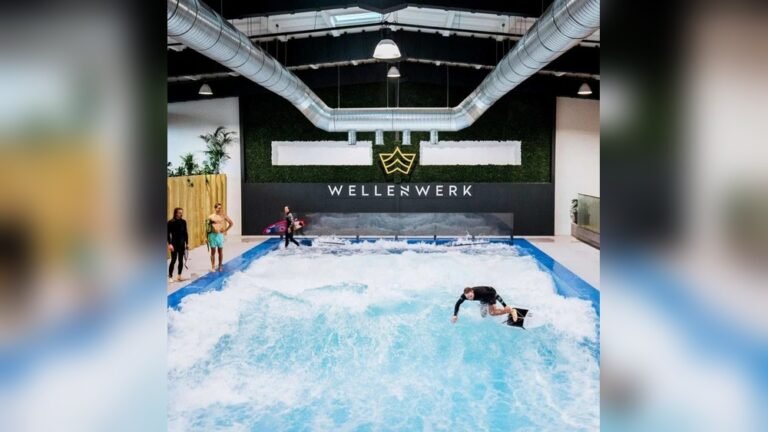
Wave pooling and artificial surfing have changed the way people experience the ocean—even far from the coast. Imagine catching a perfect wave in the middle of a city, or learning to surf in a place where there is no sea at all. Thanks to technology, this is now possible. Wave pools and artificial surfing systems are making surfing more accessible, consistent, and even safer for beginners. But what exactly are these systems? How do they work, and why are they so popular today? Let’s dive deep into the world of man-made waves and see how they are transforming water sports.
What Is Wave Pooling?
A wave pool is a large, controlled swimming pool that can generate waves similar to those in the ocean. The main idea is to create an environment where people can enjoy the fun of waves, whether for swimming, surfing, or simply relaxing. While some wave pools aim for gentle, rolling waves for families, others use advanced technology to create powerful, surfable waves for athletes.
The first wave pools appeared in the 1970s, but the technology has advanced rapidly. Today, modern wave pools can be programmed to generate different types of waves, including small ripples for children and large, barreling waves for experienced surfers.
Wave pooling is not just about fun. These pools help people learn water safety, practice surfing techniques, and even host competitions. In some countries, wave pools are part of major water parks, attracting millions of visitors each year.
Understanding Artificial Surfing
Artificial surfing means riding waves created by machines, not by nature. This can happen in a wave pool, on a standing wave machine, or with other technologies designed to simulate the ocean experience. Artificial surfing opens the sport to anyone, anywhere—even in cities hundreds of miles from the nearest beach.
There are two main types of artificial surfing:
- Wave pools: These create moving waves similar to the ocean.
- Standing wave machines: These create a stationary wave, where water rushes up a ramp and surfers ride in place.
Both types have their own advantages, and each appeals to different types of riders. For example, standing wave machines are great for tricks and practicing balance, while wave pools are better for learning to paddle, stand up, and ride real waves.
How Do Wave Pools Work?
Wave pools use a mix of engineering, computers, and careful design to create waves. The technology depends on the type and size of the pool, but here are the main methods:
Pneumatic Wave Generation
In this system, large fans blow air into chambers above the water. When valves open, air rushes out and pushes the water below, creating a wave. The timing and strength of each burst of air can be controlled to make different waves.
Hydraulic Wave Generation
Hydraulic systems use paddles or plungers that move back and forth, pushing water to create a wave. These are common in older pools, but some modern designs still use advanced hydraulic systems for bigger, more powerful waves.
Caisson Or Plunger Systems
Some pools use a large plunger or caisson that drops into the water, pushing out a wave. By moving the plunger at different speeds and angles, operators can shape the size and style of the wave.
Wave Pool Technologies Comparison
Below is a quick comparison of the main wave pool systems:
| Technology | Wave Type | Main Use | Maintenance |
|---|---|---|---|
| Pneumatic | Flexible | Recreation/Surfing | Medium |
| Hydraulic | Consistent | Large Pools | High |
| Plunger/Caisson | Powerful | Surfing | Medium |
History And Evolution Of Artificial Surfing
Artificial surfing began as a way to bring the excitement of the ocean to people far from the coast. The first wave pools in the 1970s were simple and mostly for family fun. Early examples like the Big Surf Waterpark in Arizona (opened 1969) used hydraulic paddles to create rolling waves.
By the 1990s, standing wave machines like the FlowRider became popular. These let people surf on a continuous, stationary wave. The technology was compact and safe, making it ideal for indoor parks and cruise ships.
The real breakthrough came in the 2010s. Companies like Wavegarden, Kelly Slater Wave Company, and Surf Lakes started building pools that could create real, surfable waves—sometimes as powerful as ocean waves. These pools could be programmed for different wave shapes and sizes, letting both beginners and professionals enjoy the experience.
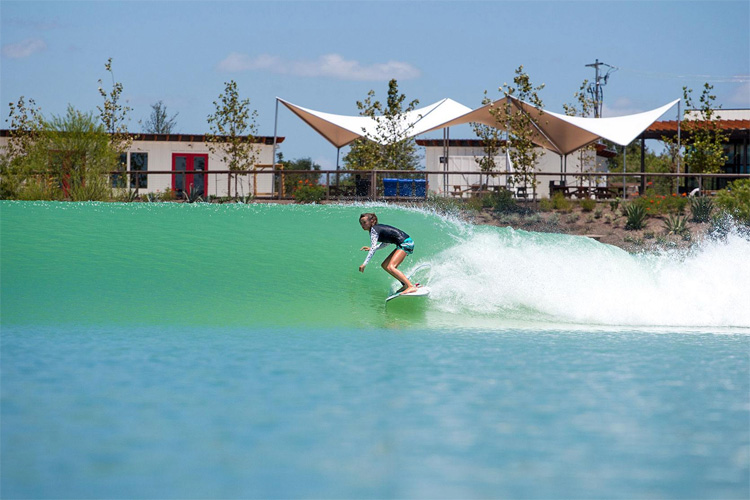
In 2016, the Surf Ranch in California (built by Kelly Slater’s team) made headlines with its perfect, barreling waves. Soon, wave pools started hosting international surfing competitions, and even the Olympics included artificial wave surfing in their plans.
Types Of Artificial Surfing Experiences
Not all wave pools are the same. Here are the main types you’ll find around the world:
Recreational Wave Pools
These are found in water parks and resorts. The waves are usually gentle, rolling, and designed for safe family fun. They’re great for swimming, floating, or playing, but not for serious surfing.
High-performance Surf Pools
These pools are built for real surfing. They use advanced technology to create big, powerful, and often customizable waves. Examples include Wavegarden Cove, Surf Ranch, and The Wave in Bristol, UK. These pools are used by professional surfers, beginners, and even for competitions.
Standing Wave Machines
Devices like the FlowRider or CityWave create a stationary wave. Water flows up a ramp, and riders surf in place. It’s great for learning balance, tricks, and spins. These machines are popular in malls, sports centers, and even on cruise ships.
Urban Surf Parks
A recent trend is placing wave pools in city centers. Urban surf parks let people surf before or after work, making the sport accessible to more people. They also offer lessons, equipment rental, and social spaces.
How Artificial Surfing Is Changing The Sport
Artificial surfing is doing more than just creating waves. It is changing the sport in several important ways:
- Accessibility: You don’t need to live near the ocean to surf. People from cities and even landlocked countries can now learn and practice.
- Consistency: Ocean waves depend on wind, tides, and weather. In a wave pool, you know exactly when and how the next wave will come. This makes learning easier and helps professionals train specific skills.
- Safety: Controlled environments mean no sharks, rocks, or dangerous currents. Wave pools can set the wave size to match the rider’s ability, reducing accidents.
- Community: Surf parks often include cafes, shops, and social spaces, building a surfing community even far from the sea.
- Events and Competitions: With reliable waves, organizers can plan events without worrying about “flat” days.

Popular Wave Pools Around The World
Here are a few famous wave pools making headlines:
- Surf Ranch (California, USA): Built by Kelly Slater, this pool creates perfect, barreling waves up to 6.5 feet high. It’s a favorite spot for pro surfers and hosts major competitions.
- Wavegarden Cove (Spain/Worldwide): This technology is used in several pools worldwide, including The Wave in the UK and URBNSURF in Australia. It can produce up to 1,000 waves per hour.
- Sunway Lagoon (Malaysia): One of Asia’s largest wave pools, offering both gentle and surfable waves.
- Siam Park (Spain, Canary Islands): Known for its giant wave pool that creates waves up to 10 feet tall.
- Big Surf (Arizona, USA): One of the oldest wave pools, still operating since 1969.
Environmental Impact And Sustainability
Wave pools use a lot of energy and water, so there are concerns about their environmental footprint. Newer designs use recycled water, solar panels, and energy-saving technologies to reduce their impact.
Some pools use rainwater for refills and plant trees around the site to offset energy use. However, it’s important to check if a surf park has good sustainability practices before visiting. As technology improves, wave pools are becoming greener and more efficient.
Here’s a look at how different wave pools address environmental concerns:
| Wave Pool | Water Usage | Energy Source | Sustainability Efforts |
|---|---|---|---|
| Wavegarden Cove | Closed loop | Solar/Electricity | Low energy pumps, rainwater collection |
| Surf Ranch | Closed loop | Electricity | Solar panels, offset programs |
| Older Pools | Open loop | Electricity | Basic filtration |
Benefits Of Artificial Surfing
Artificial surfing brings many advantages:
- Learning: Beginners can practice in a safe, predictable environment, making progress faster.
- Year-Round Surfing: No need to wait for the right season or weather.
- Skill Development: Pros can repeat the same wave to master moves.
- Tourism: Surf parks attract visitors and boost local economies.
- Inclusivity: People with disabilities or those afraid of the ocean can join the fun.
Challenges And Limitations
Even with all the progress, artificial surfing faces some challenges:
- Cost: Building and running a wave pool is expensive. Sessions can be pricey for users.
- Limited Space: Only a certain number of surfers can ride at once, so there may be waiting times.
- Not the Ocean: Artificial waves are consistent, but some surfers say they miss the unpredictability and beauty of the real sea.
- Environmental Concerns: Despite improvements, wave pools still use energy and resources.

Non-obvious Insights For New Surfers
If you are new to artificial surfing, here are two things you might not realize:
- Wave Pool Etiquette Matters: In a wave pool, only one or two people ride each wave. Learn the rules before you go. Taking someone else’s wave is a serious mistake, just like in the ocean.
- Different Waves, Different Skills: Waves in pools often have a predictable take-off spot and shape. This helps with learning, but you may need to adjust when returning to the sea, where waves break in many ways.
Also, if you plan to visit a surf park, book your session early. Popular pools fill up quickly, especially on weekends.
The Future Of Wave Pooling And Artificial Surfing
The future looks bright for artificial surfing. More cities are building wave pools, and the technology is getting cheaper and greener. In the coming years, we may see smaller, portable wave systems for private homes or schools. Surfing could become a standard activity, just like swimming or soccer.
There’s also growing interest in using wave pools for therapy, youth programs, and even scientific research. As the sport grows, more people will discover the joy of riding waves—no ocean required.
For more about the history and science of wave pools, check out this Wikipedia article.
Frequently Asked Questions
What Is The Difference Between A Wave Pool And The Ocean?
A wave pool creates artificial, controlled waves using machines, while the ocean’s waves are natural and can change with weather, tides, and geography. Wave pools offer consistency and safety, but lack the vastness and changing conditions of the sea.
Is Artificial Surfing Good For Beginners?
Yes, artificial surfing is ideal for beginners. The controlled environment, predictable waves, and supervision make it easier and safer to learn basic skills before trying the ocean.
Can Professional Surfers Train In Wave Pools?
Absolutely. Many pros use wave pools to practice specific maneuvers. Pools like Surf Ranch and Wavegarden offer challenging waves for advanced training and even host competitions.
Are Wave Pools Environmentally Friendly?
Modern wave pools are becoming more sustainable, using recycled water and renewable energy. However, they still use resources, so it’s important to choose parks with strong environmental policies.
How Much Does It Cost To Surf In A Wave Pool?
Prices depend on the location and technology. A session might cost $30–$100 or more. Some parks offer lessons, rentals, and group rates. Booking in advance is recommended, especially for popular pools.
Wave pooling and artificial surfing have opened a new chapter for the sport, bringing the thrill of surfing to millions more people. Whether you are a beginner, a pro, or just curious, these man-made waves offer a unique and exciting way to enjoy the water.
