
Ice climbing is a thrilling winter sport, but for beginners, the idea of climbing frozen waterfalls or icy cliffs can feel overwhelming. This is where top-rope ice climbing comes in. It’s often the first style of ice climbing people try, offering both excitement and safety. But what exactly is top-rope ice climbing, and how does it differ from other types of climbing? Let’s dig deep into this adventure, breaking down the basics, safety, gear, techniques, and what makes it such a popular entry point into the icy vertical world.
What Is Top-rope Ice Climbing?
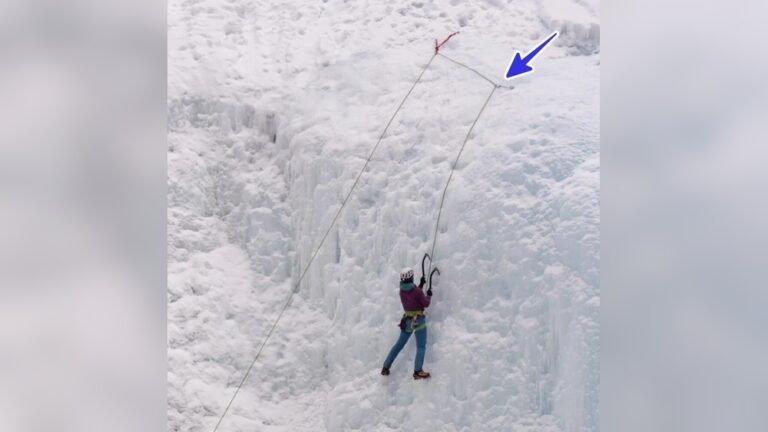
Top-rope ice climbing is a form of climbing where a rope is anchored at the top of an ice route. The climber is attached to one end of the rope, while a belayer manages the other end from the ground. This setup means that if the climber slips or falls, the rope immediately catches them, reducing the risk of a long drop. In ice climbing, this method is used on frozen waterfalls, icefalls, or icy rock faces.
The main idea is simple: the rope always runs from the climber, up to the anchor at the top, and back down to the belayer. This differs from lead climbing where the climber attaches protection as they ascend, making falls potentially longer and more dangerous. Top-rope is considered the safest way to experience the challenges of ice climbing, especially for those who are new to the sport.
Why Start With Top-rope Ice Climbing?
There are several reasons why beginners and even experienced climbers use top-rope setups on ice:
- Safety: Falls are minimized, making it ideal for learning.
- Skill Development: Climbers can focus on technique without worrying as much about the risk.
- Confidence Building: Knowing you’re protected helps you push yourself.
- Practice: You can repeat moves or sections to improve.
- Access: Many climbing schools and guides use top-roping for instruction.
Top-rope ice climbing is not just for beginners. Even advanced climbers use it to practice difficult moves, try new gear, or warm up before attempting harder leads.

Essential Gear For Top-rope Ice Climbing
The equipment used in top-rope ice climbing is specialized. Unlike rock climbing, ice demands gear that can handle freezing temperatures, slippery surfaces, and sharp impacts.
Personal Gear
- Helmet: Protects from falling ice.
- Harness: Worn around the waist and legs for rope attachment.
- Climbing boots: Insulated and stiff, designed for attaching crampons.
- Crampons: Spiked devices fitted to boots for gripping ice.
- Ice axes (usually two): Used for balance and pulling up the ice.
- Warm, layered clothing: Essential for battling the cold.
Rope And Anchors
- Dynamic climbing rope: Absorbs energy in a fall.
- Belay device: Allows the belayer to control the rope.
- Anchor system: Ice screws, slings, or bolts placed securely at the top.
Safety Equipment
- Gloves: Warm, but flexible for grip.
- Goggles or sunglasses: Protect eyes from glare and falling ice.
- First aid kit: For emergencies.
- Avalanche beacon/probe/shovel: If climbing in avalanche-prone areas.
A common beginner mistake is using rock climbing gear on ice. For example, standard rock climbing shoes and ropes may not perform well in freezing conditions. Always use gear rated for ice.
How Is A Top-rope Ice Climb Set Up?
The process of setting up a top-rope for ice climbing is different from rock climbing due to the nature of ice and the risk of ice breaking or melting.
- Choosing the Anchor Location: The anchor must be placed on solid, safe ice or rock at the top of the climb. Never trust soft or hollow ice.
- Building the Anchor: Guides use ice screws, bolts (if available), or sometimes trees (if safe). Multiple points are combined for extra safety.
- Threading the Rope: The rope is run through a locking carabiner or a specialized anchor system.
- Belayer Position: The belayer stands clear of falling ice, usually some distance from the base.
- Climber Attachment: The climber ties into one end of the rope, double-checking knots and harness.
Here’s a simple comparison of anchor types:
| Anchor Type | When Used | Pros | Cons |
|---|---|---|---|
| Ice Screws | Most ice climbs | Strong, removable | Require solid ice |
| Bolts | Popular, guided areas | Reliable, fast | Not always available |
| Trees/Rocks | Natural features | Easy, no extra gear | Must check for stability |
Anchors must be tested before climbing. It’s smart to have an experienced climber or a guide set up the anchor if you’re new.

Basic Techniques In Top-rope Ice Climbing
Climbing ice is very different from climbing rock. The surface is often smooth, brittle, or covered in snow. Here are some essential techniques for success:
Swinging Ice Axes
Instead of grabbing holds, you swing your ice axes into the ice. The goal is to make secure placements without over-swinging (which can tire your arms or break the ice).
- Swing with the wrist, not the whole arm.
- Aim for solid, not hollow, ice.
- Test each placement before trusting it.
Using Crampons
Your feet do a lot of the work. Crampons let you kick the front points into the ice. Good technique means keeping your heels low and your body close to the wall.
- Place feet carefully to avoid breaking the ice.
- Use the “French” or “German” technique for different angles.
- Don’t kick too hard—controlled, precise steps work best.
Body Position
Stay relaxed, hips close to the ice, and keep your weight balanced between hands and feet. Over-gripping or leaning back wastes energy.
Movement
Move one tool or foot at a time for stability. Look for good “rest” positions where you can shake out your arms.
Non-obvious tip: Many beginners focus on pulling with their arms, but strong footwork and smart tool placements are more important for lasting longer and climbing efficiently.
Safety Practices And Risk Management
While top-rope ice climbing is much safer than lead ice climbing, it still involves risks. Here’s how to stay safe:
- Check Conditions: Ice can change daily based on temperature, sun, and snow. Avoid climbing on warm days or after heavy snow.
- Wear a Helmet: Falling ice is common, especially when climbers above knock chunks loose.
- Monitor Belayer Location: The belayer should never stand directly under the climber.
- Double-Check Knots and Harness: Before climbing, always do a partner check.
- Use Redundant Anchors: Two or more anchor points are safer than one.
- Communicate Clearly: Use agreed calls (“On belay,” “Climbing,” “Take,” etc. ).
A common mistake is underestimating how quickly ice can change from safe to dangerous. Always inspect the climb and listen to local advice.
Where Can You Try Top-rope Ice Climbing?
Top-rope ice climbing is popular in regions with cold winters and reliable ice. Many climbing schools and guides offer courses in these locations:
- Ouray, Colorado (USA): Famous for its ice park with hundreds of routes.
- Banff, Alberta (Canada): Home to classic ice falls and beginner-friendly areas.
- Rjukan (Norway): Hundreds of frozen waterfalls and excellent infrastructure.
- Chamonix (France): Legendary alpine ice routes for all levels.
- Kandersteg (Switzerland): Known for both challenging and accessible climbs.
These destinations often have dedicated top-rope setups and guided instruction, making them ideal for first-timers.
Who Should Try Top-rope Ice Climbing?
This sport is open to a wide range of people. If you’re comfortable hiking in winter and have basic fitness, you can try top-rope ice climbing. Climbing gyms or outdoor clubs often organize beginner days, making it easy to get started with proper gear and instruction.
Not-so-obvious insight: Age or body type matters less than you might think. Many successful ice climbers are in their 50s, 60s, or even older. The key is stamina, smart technique, and willingness to learn.

Comparing Top-rope Vs. Lead Ice Climbing
Understanding the differences helps you choose the right style for your goals.
| Aspect | Top-Rope Climbing | Lead Ice Climbing |
|---|---|---|
| Safety | Very high | Lower, more risk |
| Gear Needed | Standard set, less protection | Extra ice screws, slings, quickdraws |
| Who Should Try | Beginners & practice | Experienced only |
| Psychological Challenge | Lower stress | High stress, commitment |
| Falling Risk | Short, controlled | Potentially long |
Most climbers start with top-rope, then move to lead climbing as their skills and confidence grow.
Common Mistakes In Top-rope Ice Climbing
Even in a safe setup, beginners often make errors that can spoil their experience or even cause injury.
- Over-gripping tools: This tires your arms quickly. Relax your hands.
- Poor footwork: Kicking too hard or missing good placements wastes energy.
- Ignoring anchor safety: Always inspect anchors, even if someone else set them up.
- Inadequate clothing: Dress for warmth but avoid sweating, which can chill you.
- Rushing: Take your time to practice good technique.
One subtle mistake is forgetting to check the rope’s path. If the rope runs over sharp ice or rock, it can get damaged. Position it carefully before climbing.
Training And Progression
To improve at top-rope ice climbing, consider:
- Taking a course: Professional instruction is the fastest, safest way to learn.
- Practicing on easy routes: Repetition builds confidence and muscle memory.
- Learning knots: The figure-eight and clove hitch are essential.
- Building strength and endurance: Focus on grip and core muscles.
- Studying videos or books: Visual learning helps understand technique.
A helpful resource for in-depth climbing knowledge is the Ice Climbing Wikipedia page.
Environmental And Ethical Considerations
Climbing on ice means interacting with fragile environments. Here’s how to minimize your impact:
- Follow Leave No Trace principles: Pack out all trash and gear.
- Avoid damaging trees or rocks: When building anchors, use gear that won’t scar the landscape.
- Respect wildlife and other users: Keep noise down and yield the route to others if needed.
- Be aware of access rules: Some areas have restricted climbing to protect nature.
Frequently Asked Questions
What Is The Ideal Age To Start Top-rope Ice Climbing?
Most people can begin top-rope ice climbing in their teens, but there’s no strict age limit. Children as young as 10 can try, if they’re physically fit and supervised. The most important factors are interest, willingness to learn, and basic fitness.
Do I Need To Buy All The Gear Before Trying Top-rope Ice Climbing?
No, most guides and climbing schools provide all the necessary gear for beginners. Once you decide to climb regularly, it makes sense to invest in your own helmet, boots, and harness first.
Is Top-rope Ice Climbing Dangerous?
While all climbing has risks, top-rope ice climbing is considered very safe when set up correctly. Major dangers are falling ice, poor anchors, and cold weather. Training and using proper equipment greatly reduce these risks.
How Is Top-rope Ice Climbing Different From Rock Climbing?
The main differences are the surface (ice versus rock), the tools (ice axes and crampons instead of hands and climbing shoes), and the way you move. Ice climbing relies more on tool placement and careful footwork, while rock climbing uses holds and friction.
Can I Practice Top-rope Ice Climbing Indoors?
There are a few indoor ice walls in the world, but they are rare. Most practice happens outdoors on real ice in winter. However, you can build skills by practicing knots, belaying, and general climbing fitness indoors.
Ice climbing, especially with a top-rope, offers a unique mix of adventure, safety, and skill-building. Whether you’re looking for a new winter challenge or want to take your climbing to the next level, top-rope ice climbing is an accessible and rewarding way to experience the vertical world of ice.
With the right preparation, guidance, and respect for the environment, your first swing of the axe could be the start of a lifelong passion.
