Ice hockey is a fast, physical sport where each player has a special job. Among these roles, the defenseman stands out as one of the most important and complex. While forwards focus on scoring, defensemen are the backbone that keeps their team safe.
But their responsibilities go far beyond simply blocking shots. If you’ve ever wondered what a defenseman really does and why this role is so demanding, this article will make it clear—even if you’re just starting to learn about ice hockey.
Key Responsibilities Of A Defenseman
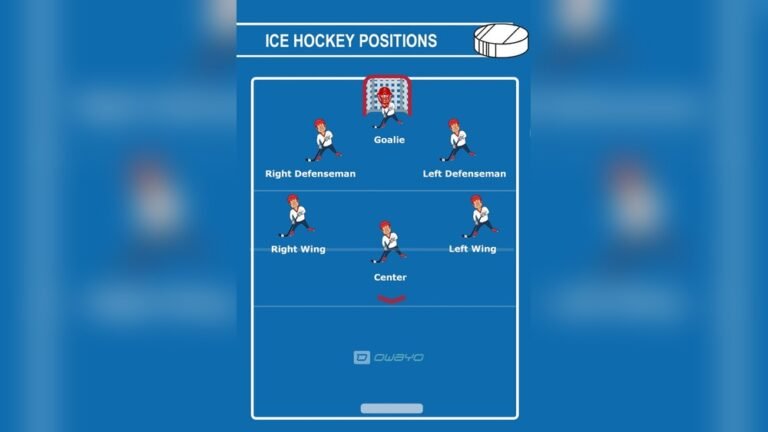
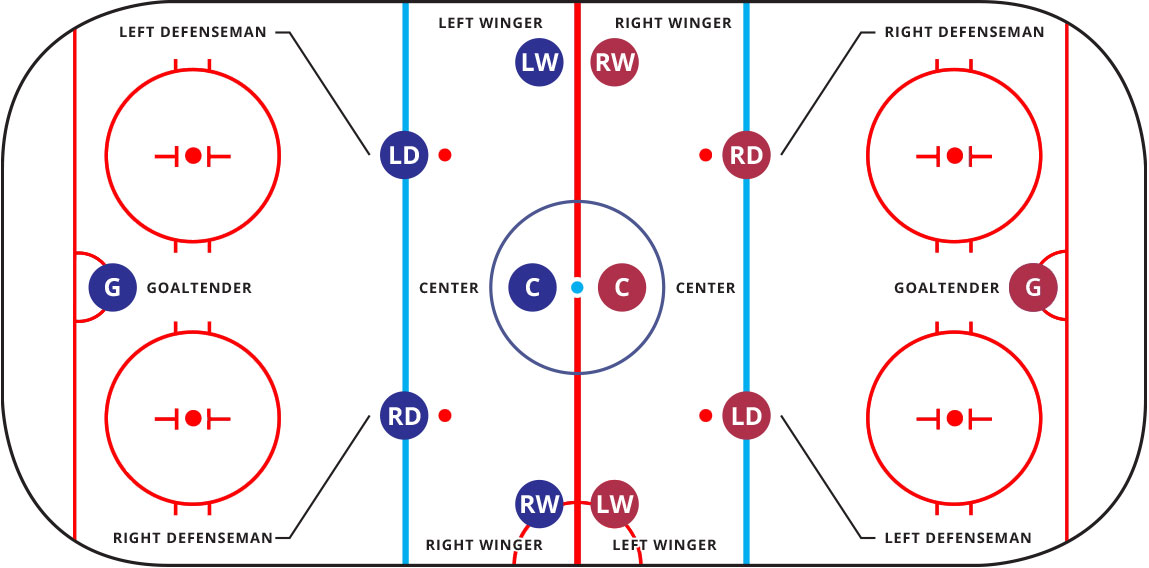
The defenseman is a player whose main area is the defensive zone, but their influence reaches every part of the rink. Most teams use two defensemen at a time, working together as a pair. Their main duties can be divided into several areas:
1. Protecting The Net
The first job is to keep the puck away from their own goal. Defensemen use their bodies and sticks to block shots, cover opponents, and clear the puck from dangerous areas.
2. Breaking Up Opponent Plays
A good defenseman reads the game and anticipates where the puck will go. They intercept passes, challenge attackers, and try to stop plays before they become serious threats.
3. Supporting The Goaltender
Defensemen help the goalie by clearing rebounds, blocking shots, and making sure opponents don’t get easy chances in front of the net.
4. Starting The Attack
Modern defensemen don’t just defend. They often start their team’s offense by passing the puck out of their zone or carrying it up the ice themselves.
5. Playing Physically
A defenseman needs to be strong. They battle along the boards, win puck fights, and use their bodies to shield the puck or knock opponents off balance.
6. Special Teams
Many defensemen play a big role on the penalty kill (when their team is short-handed) and the power play (when their team has an extra player), using their skills in important moments.
Skills Every Defenseman Needs
A defenseman’s job is demanding. Here are the main skills that separate good defensemen from great ones:
- Skating: Quick turns, backward skating, and fast acceleration are all crucial.
- Positioning: Knowing where to be is often more important than speed.
- Stickwork: Using the stick to poke-check the puck away or block passing lanes.
- Physical Strength: Winning battles and protecting the front of the net.
- Passing: Making clean, smart passes to start a breakout.
- Decision-Making: Choosing when to join the attack or when to stay back.
Many beginners overlook how important positioning and reading the play are. Strong skating or hitting is not enough; a defenseman must constantly watch both the puck and the players without it.
Types Of Defensemen
Not every defenseman plays the same way. Here are three common types:
| Type | Main Focus | Key Example |
|---|---|---|
| Stay-at-Home | Defense first, clearing the zone, blocking shots | Rod Langway |
| Offensive | Joining attacks, scoring, playmaking | Paul Coffey |
| Two-way | Balance between defense and offense | Nicklas Lidström |
A good team usually has a mix of these types. Some pairs feature one strong defender and one who supports the offense.
How Defensemen Impact The Game
A defenseman can change the course of a game, even if they don’t score goals. Here’s how:
- Limiting Opponent Chances: Teams with strong defensemen give up fewer goals.
- Transitioning to Offense: Quick, smart passes by defensemen start many scoring plays.
- Controlling the Puck: Good defensemen help their team keep possession and slow the game when needed.
Let’s compare how top defensemen can affect their teams statistically:
| Stat | Top NHL Defensemen Avg. | Team Avg. |
|---|---|---|
| Time on Ice (minutes/game) | 25–27 | 18–20 |
| Blocked Shots/Game | 2.3 | 1.1 |
| Points/Season | 45–70 | 15–30 |
Notice that elite defensemen play more minutes and block more shots, showing their importance to team success.

Challenges Faced By Defensemen
Playing defense is not easy. Here are some of the biggest challenges:
- Pressure from Forwards: Opponents target defensemen, trying to force mistakes.
- Mental Fatigue: Defensemen must read plays and make split-second choices all game.
- Physical Wear: Constant contact, blocking shots, and long shifts tire the body.
It’s common for new defensemen to focus too much on the puck and lose sight of open attackers. Experience teaches that sometimes it’s better to defend space rather than chase the puck.
How Defensemen Train And Improve
To be successful, defensemen spend extra time on certain drills and skills:
- Practicing backward skating and pivots
- Working on stick placement and gap control
- Studying video to learn positioning
- Strength training for battles in front of the net
Some defensemen also watch games of top players, like Victor Hedman or Cale Makar, to learn subtle techniques.
Famous Defensemen In Hockey History
Some of the greatest hockey players were defensemen. Here are a few who changed the game:
- Bobby Orr – Revolutionized the position by scoring at a forward’s pace.
- Nicklas Lidström – Known for his intelligence and perfect positioning.
- Ray Bourque – All-time leader in points by a defenseman.
- Chris Pronger – Combined skill and physicality.
- Scott Niedermayer – Excellent skater, won everywhere he played.
Their styles show that there’s more than one way to play defense at the highest level.
Common Misconceptions About Defensemen
Many believe that defensemen are just “big, tough guys” who don’t need skill. In reality, the position demands high hockey IQ and fine skills. Another myth is that defensemen don’t score; modern NHL defensemen often contribute 10–20 goals a season and play a big part in team offense.
Another insight: defensemen are often leaders in the locker room. Their view of the game lets them help teammates stay organized and focused.
The Role In Youth And Amateur Hockey
At lower levels, defensemen are often asked to play more conservatively. But coaches now encourage young defensemen to learn both defense and offense. Playing as a defenseman teaches responsibility, teamwork, and the value of communication on the ice.
If you want to learn more about ice hockey positions and rules, check out the official Wikipedia guide on ice hockey positions.
Frequently Asked Questions
What Is The Main Job Of A Defenseman In Ice Hockey?
The main job is to protect the defensive zone, block shots, and stop opposing forwards from scoring. Defensemen also help their team move the puck out of danger and start attacks.
Can Defensemen Score Goals?
Yes, many defensemen score goals, especially those with strong offensive skills. Modern defensemen are expected to contribute both on defense and offense.
How Many Defensemen Play At A Time?
Usually, two defensemen are on the ice for each team at the same time, working together as a pair.
What Skills Are Most Important For A Defenseman?
Key skills include skating, positioning, stickwork, passing, and decision-making. Physical strength and communication are also important.
Are Defensemen Always The Biggest Players?
Not always. While size helps, many successful defensemen use speed, intelligence, and technique instead of just strength.
A defenseman’s role in ice hockey is both demanding and rewarding. Whether blocking a shot, making a perfect pass, or leading a team, great defensemen shape every part of the game. If you want to understand hockey, start by watching what the defensemen do—much of the real action begins with them.
