
The basketball court is full of unique markings and areas, but few are as important as the key—also known as the paint or paint area. If you’ve watched a basketball game, you have probably seen players battling under the basket, referees making “three-second” calls, and analysts talking about “points in the paint.” But what exactly is the key or paint area, and why does it matter so much in basketball strategy and rules? Whether you’re new to basketball or just want a deeper understanding of the court, this guide will break down everything you need to know about this essential part of the game.
What Is The Key Or Paint Area In Basketball?
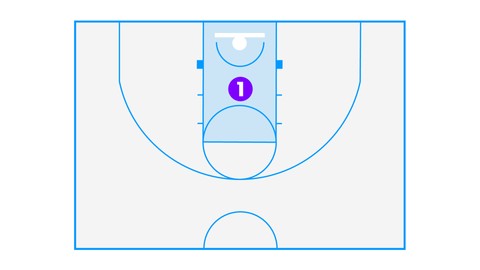
The key (or paint area) is a rectangular space on the basketball court, located directly under the basket, stretching from the baseline (end line) to the free-throw line. It is marked by solid lines and often filled with a different color than the rest of the court, which is why it’s called “the paint.” The key is one of the most active and important areas in basketball, affecting offense, defense, and the game’s rules.
Dimensions Of The Key
The size of the key can be slightly different depending on the league. Here’s a comparison of the main basketball organizations:
| League | Width | Length (Baseline to Free-Throw Line) |
|---|---|---|
| NBA | 16 feet (4.88 meters) | 19 feet (5.8 meters) |
| FIBA (International) | 16.08 feet (4.9 meters) | 19 feet (5.8 meters) |
| NCAA (College Basketball) | 12 feet (3.66 meters) | 19 feet (5.8 meters) |
| High School (U.S.) | 12 feet (3.66 meters) | 19 feet (5.8 meters) |
The differences are small, but they can change how teams play, especially at higher levels like the NBA or international competitions.
Key Components Of The Paint Area
Several important lines and markings make up the paint:
- Free-Throw Line: The top boundary of the key, where free throws are taken (15 feet from the basket).
- Lane Lines: The sides of the rectangle, showing where the paint area starts and ends.
- Block Marks: Small marks along the lane lines, where players line up during free throws.
- Restricted Area Arc: A semicircle under the basket, used in some leagues to determine charging fouls.
Understanding these parts helps you see how the key affects both play and refereeing.
Why Is The Paint Area So Important?
The paint is where some of the game’s most physical and strategic action happens. Here’s why it is such a vital part of basketball:
Offensive Advantages
Scoring close to the basket is usually easier than shooting from outside. Shots in the paint are called high-percentage shots because they have a better chance of going in. Teams often design plays to get the ball into the key for layups, dunks, or short jump shots. Dominant post players, like centers and power forwards, spend much of their time in the paint, using their size and strength to score.
Defensive Challenges
Defending the paint is a top priority. Teams try to stop easy baskets by positioning their biggest, strongest players near the key. Good rim protectors (players who block or change shots near the basket) can make it hard for opponents to score inside.
Teams that control the paint often have an advantage, especially in close games.
Fouls And Free Throws
Because the paint is so crowded, it’s common for defenders to commit fouls here. This leads to free-throw opportunities, which can change the outcome of a game. Referees watch the paint area closely for contact, illegal screens, and other infractions.
Special Rules
Several basketball rules are designed specifically for the paint area. These include the three-second violation, the defensive three-second rule (NBA), and rules about where players can stand during free throws. These rules keep the game fair and prevent one team from camping in the paint.
Key Rules Related To The Paint Area
Some of the most important basketball rules involve the key. These rules shape how players move and position themselves during a game.
Three-second Violation (offensive)
An offensive player cannot stand in the paint for more than three seconds while their team has the ball in the frontcourt. If they do, the referee calls a three-second violation, and the other team gets the ball. This rule prevents tall players from staying under the basket the whole time, making the game more open and dynamic.
Defensive Three-second Rule (nba)
In the NBA, defenders are not allowed to stay in the paint for more than three seconds unless they are actively guarding an opponent. If a defender stays in the key without guarding someone, the referee calls a defensive three-second violation, resulting in a technical free throw for the other team. This rule encourages more movement and helps offenses run creative plays.
Free-throw Lane Violations
During free throws, only certain players can stand in the paint, and they must stay outside the lane lines until the shooter releases the ball. If a player steps into the paint too early, the referee calls a lane violation, and the shot may have to be retaken or canceled.
Restricted Area Arc
In the NBA and FIBA, the restricted area arc is a semicircle under the basket. A defender standing in this area cannot draw a charging foul against an offensive player driving to the basket. This rule protects offensive players from dangerous collisions and encourages more exciting plays at the rim.
How The Paint Area Affects Basketball Strategy
The paint is a battleground for both offense and defense. Teams and players develop specific strategies to use or protect this space.
Offensive Strategies
- Post Play: Tall players (often called “bigs”) use their size to back down defenders and score from close range.
- Pick-and-Roll: A big sets a screen outside the paint, then rolls toward the basket to catch a pass and finish inside.
- Cutting: Guards and forwards cut through the paint to receive passes for easy baskets.
- Offensive Rebounding: Teams send players into the paint after a shot to grab rebounds and score second-chance points.
Defensive Strategies
- Protect the Rim: Teams use shot blockers to defend the basket and change opponents’ shots.
- Zone Defense: Some teams use a zone defense to clog the paint and force opponents to shoot from outside.
- Boxing Out: Defenders position themselves between the basket and opponents to secure rebounds.

How The Paint Has Changed Over Time
The paint area has evolved as basketball has changed. Early in the game’s history, the key was much narrower. As players got taller and more athletic, the key was widened to reduce the advantage of tall centers.
In the NBA, the paint was originally only 6 feet wide, then increased to 12 feet, and eventually to 16 feet in 1964. This forced big men like Wilt Chamberlain to move farther from the basket, making the game more balanced.
International rules also changed in 2010, moving from a trapezoid-shaped key to a rectangle similar to the NBA.
As outside shooting has become more important, some teams focus less on scoring in the paint and more on three-point shots. Still, teams that control the paint often win games, especially in the playoffs when defense is tighter.
Paint Area Statistics And Their Meaning
Coaches and analysts pay close attention to “points in the paint” statistics. This tells you how many points a team scores inside the key during a game. Here’s a look at how this stat compares to other types of scoring:
| Type of Basket | Average Success Rate | Example |
|---|---|---|
| Paint Area (Layups, Dunks) | 55–70% | Layup after a pick-and-roll |
| Midrange Jump Shot | 35–45% | Pull-up from 15 feet |
| Three-Point Shot | 30–40% | Corner three-pointer |
This shows why teams want to score in the paint—they have a much better chance of making the shot.
Mistakes And Misunderstandings About The Paint
Beginners often make a few common mistakes when learning about the key:
- Thinking the paint is only for big players. In modern basketball, guards and wings often drive into the paint to score or pass.
- Ignoring the three-second rule. Young players sometimes forget about the three-second violation, leading to turnovers.
- Overcommitting to the paint on defense. Teams that focus too much on the key can give up open three-point shots.
Recognizing these issues can help new players and fans understand the game better.
Paint Area And Player Roles
Different positions use the paint in different ways:
- Centers and power forwards spend the most time in the key, setting screens, posting up, and rebounding.
- Small forwards often cut through the paint to get open shots.
- Guards drive into the paint to break down defenses and create scoring chances for teammates.
Some of the greatest players in history—like Shaquille O’Neal, Tim Duncan, and Hakeem Olajuwon—were masters of the paint. But today’s stars, like Giannis Antetokounmpo, use their speed and skill to attack the paint in new ways.
Non-obvious Insights About The Paint
- Paint touches are more important than just points. When an offense gets the ball into the paint (even if it’s not a shot), it forces the defense to collapse. This often creates open shots on the perimeter, leading to higher team scoring.
- Foul trouble often starts in the paint. Because defenders are more likely to commit fouls here, teams with skilled players who can attack the paint can draw fouls and get to the free-throw line more often, which is a key strategy late in games.
Visual Differences: Nba Vs Fiba Vs Ncaa Paint Areas
The look of the paint area can tell you which league is playing. Here’s a quick comparison:
| League | Shape | Coloring | Special Features |
|---|---|---|---|
| NBA | Rectangle | Often solid color | Restricted area arc |
| FIBA | Rectangle (since 2010) | May vary | Restricted area arc |
| NCAA | Rectangle | Often outlined only | No restricted area arc |
The differences can affect how the game is played, especially regarding fouls and spacing.
Famous Paint Area Moments In Basketball History
Some of the most memorable moments in basketball happen in the paint. For example, Wilt Chamberlain’s 100-point game in 1962 was built on unstoppable scoring inside the key. Shaquille O’Neal’s dominance in the early 2000s forced teams to change their defensive strategies.
And in international play, the wider paint area once gave European teams a unique advantage over NBA teams.
How To Get Better At Playing In The Paint
If you want to improve your basketball skills in the key, focus on:
- Footwork: Good footwork helps you move around defenders and finish at the rim.
- Strength: Strong players can hold their position and absorb contact.
- Timing: Rebounding and shot-blocking are all about timing, not just jumping ability.
- Awareness: Knowing where defenders and teammates are can help you make quick decisions in the crowded paint.
Watching how top players use the paint can give you ideas for your own game. For more details on official rules and dimensions, you can check the Wikipedia Basketball Court page.
Frequently Asked Questions
What Is The Main Purpose Of The Paint Area In Basketball?
The paint area is designed to mark the space under the basket where much of the physical action happens. It helps referees enforce rules like the three-second violation and is a strategic area for both scoring and defending.
Why Is It Called “the Paint”?
It’s called “the paint” because this area is often colored differently from the rest of the court, making it stand out visually. The color helps players, coaches, and referees see the key boundaries during play.
What Happens If A Player Stays In The Paint Too Long?
If an offensive player stays in the key for more than three seconds without actively moving or leaving, the referee calls a three-second violation, and the other team gets the ball.
Are The Paint Dimensions The Same In All Basketball Leagues?
No, the dimensions can vary. For example, the NBA paint is 16 feet wide, while college and high school courts use a 12-foot width. International rules (FIBA) use a very similar size to the NBA.
How Can Players Use The Paint Area More Effectively?
Players can improve in the paint by working on their footwork, strength, and awareness. Using moves like pivots, up-and-unders, and quick cuts can help create space for high-percentage shots or draw fouls from defenders.
The paint area is the heart of basketball action. Whether you’re playing, watching, or coaching, understanding the key helps you appreciate the strategy, skills, and excitement that make basketball such a great sport.
