

Surfing is more than just riding waves—it’s a story that stretches across centuries, continents, and cultures. Today, millions know surfing as a sport, a lifestyle, and even an art form. But behind the sun-soaked images and famous beaches, the history of surfing is rich and complex. From ancient Polynesia to Olympic competitions, each era shaped surfing in its own way. Understanding this journey helps explain why surfing continues to inspire people around the world.
Ancient Beginnings: Surfing In Polynesia
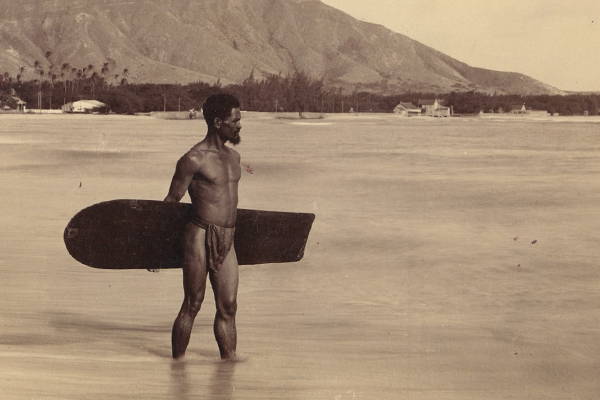
Long before surfing became a global phenomenon, it was a way of life in Polynesia. Historians trace the earliest forms of wave-riding back over 1,000 years, especially to the islands now called Hawaii and Tahiti. Ancient Polynesians developed wooden boards and surfed for fun, competition, and even spiritual reasons. Chiefs and high-ranking people often used longer and heavier boards, while commoners used shorter ones.
Surfing was so important that it appeared in songs, stories, and religious rituals. In Hawaii, the word for surfing is “he’e nalu,” meaning “wave sliding.” Unlike today, there were strict rules. The best waves and beaches were often reserved for nobility, and breaking these rules could lead to punishment.
The Hawaiian Golden Age
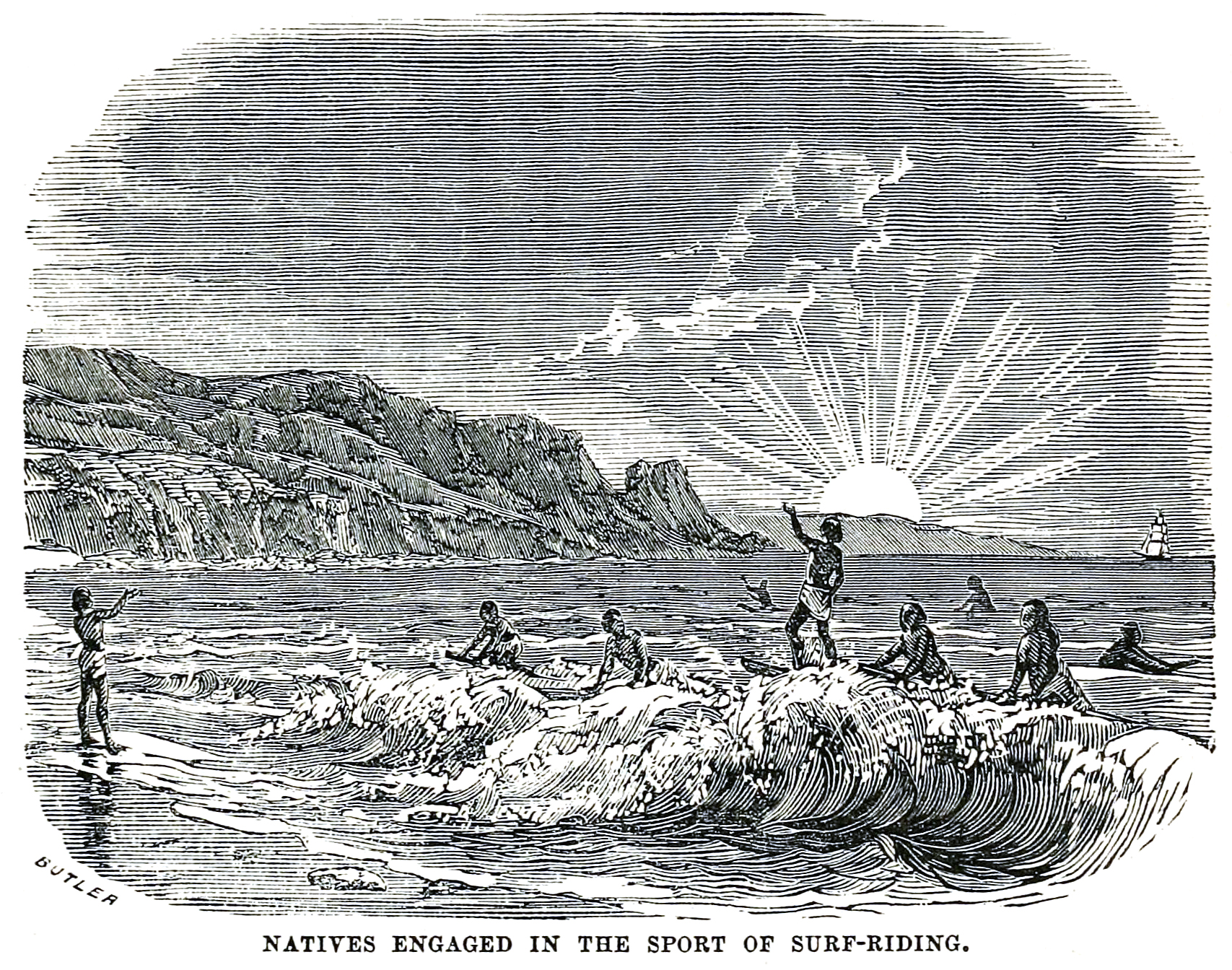
Hawaii became the true home of surfing. By the 18th century, surfing was deeply woven into Hawaiian society. Both men and women surfed, and the best surfers were highly respected. Hawaiian legends speak of chiefs proving their status by mastering large waves.
Boards were made from local trees like koa and wiliwili, shaped and finished using lava stones and coconut oil. There were even ceremonies to bless new boards, showing the deep connection between surfing and nature.
When Captain James Cook arrived in Hawaii in 1778, his crew wrote about watching Hawaiians “swimming and playing in the surf.” This was the first time Westerners saw surfing, but their arrival also brought changes.

Decline Under Western Influence
The arrival of Europeans in the late 18th and early 19th centuries changed Hawaii forever. Missionaries and settlers brought new customs and discouraged traditional Hawaiian practices—including surfing. They saw surfing as sinful or unproductive. As a result, the sport nearly disappeared.
Diseases introduced by foreigners also devastated the Hawaiian population. By the mid-1800s, many ancient traditions, including surfing, were at risk of being lost forever. Only a few communities kept surfing alive, passing down their skills in secret.
Surfing’s Revival: Hawaiian Identity And Global Curiosity
Despite these challenges, surfing began to make a comeback by the late 19th century. Hawaiian royalty, especially Princess Kaʻiulani and Duke Kahanamoku, helped revive traditional Hawaiian culture. Duke Kahanamoku, an Olympic swimmer, became known as the “Father of Modern Surfing.”
Duke introduced surfing to the world by giving demonstrations in places like California, Australia, and New Zealand. His charisma and skill inspired new generations. By the early 1900s, surfing was gaining fans far from Hawaii.
The Spread To California And Australia
As word spread, surfing found new homes. In California, early surfers like George Freeth and Tom Blake adapted the sport to the colder Pacific waters. They experimented with board designs, using lighter woods and, later, waterproof glues.
Australia quickly became another surfing hotspot. In 1915, Duke Kahanamoku gave a famous surfing exhibition at Freshwater Beach near Sydney. Local surfers started building their own boards and forming clubs. Both countries developed their own surf cultures, adding competitions, magazines, and eventually surf shops.
| Country | First Surfing Demonstration | Key Early Surfer |
|---|---|---|
| United States (California) | 1907 | George Freeth |
| Australia | 1915 | Duke Kahanamoku |
| New Zealand | 1915 | Duke Kahanamoku |
Innovation And The Birth Of Modern Boards
Surfing changed dramatically thanks to new board designs. Early surfboards were heavy—sometimes over 100 pounds. In the 1930s, inventors like Tom Blake added a fin (or “skeg”) to the bottom of boards, making them easier to control.
By the 1950s, surfers started using balsa wood and fiberglass, cutting board weight to around 20-30 pounds. This change made surfing accessible to more people, as carrying and maneuvering boards became much easier.
The 1960s saw the introduction of foam and resin boards, which were lighter and more durable. These new boards helped surfers perform more advanced maneuvers, leading to the modern style seen today.
| Decade | Material | Average Board Weight |
|---|---|---|
| Early 1900s | Solid Wood | 40–100 lbs |
| 1950s | Balsa, Fiberglass | 20–30 lbs |
| 1960s–present | Foam, Resin | 6–10 lbs |
Surf Culture Explodes: 1950s–1970s
After World War II, surfing became a youth movement in the United States, Australia, and other parts of the world. California’s beaches inspired movies like “Gidget” and the “beach party” films, while music groups like the Beach Boys celebrated the surfing lifestyle.
Surf clubs, magazines, and competitions spread quickly. The International Surfing Association (ISA) was founded in 1964, and the first World Surfing Championship took place in 1964 in Australia.
This period also saw the rise of surf fashion—board shorts, bikinis, and surf brands like Quiksilver and Billabong. Surf slang and values, such as freedom and connection to nature, became part of global youth culture.
Shortboard Revolution And Professionalization
The late 1960s brought the shortboard revolution. Boards shrank from 10 feet to around 6 feet, making quick turns and new tricks possible. Surfers like Wayne Lynch, Gerry Lopez, and Nat Young pushed the limits, inspiring others worldwide.
The 1970s also saw the start of professional surfing tours. Events like the World Championship Tour offered prize money and attracted sponsors. Surfing became more competitive, with athletes traveling the globe in search of the best waves.
Surfing Goes Global
By the 1980s and 1990s, surfing was truly international. New surf spots were discovered in places like Indonesia, South Africa, Brazil, and France. Each country added its own style and culture.
Brazil, in particular, became a powerhouse in the surf world. Surfers like Gabriel Medina and Italo Ferreira later won world titles, showing how far the sport had spread.
Surfers began searching for the world’s biggest and most dangerous waves. Spots like Pipeline in Hawaii, Teahupo’o in Tahiti, and Mavericks in California became famous for their challenge and beauty.
| Famous Surf Spot | Country | Wave Height (max) |
|---|---|---|
| Pipeline | Hawaii, USA | 20+ ft |
| Teahupo’o | Tahiti | 20+ ft |
| Mavericks | California, USA | 60+ ft |
The Modern Era: Technology, Environment, And Olympics
Today, surfing is more popular than ever. Modern surfboards use carbon fiber, epoxy, and other advanced materials. Surfers use weather satellites and smartphone apps to find the best waves.
Surfing is also more eco-conscious. Board makers and surfers now focus on sustainable materials and ocean conservation. Organizations like Surfrider Foundation protect beaches and educate surfers about environmental issues.
One of the biggest moments in recent history was surfing’s debut in the 2020 Tokyo Olympics. For the first time, surfers competed for Olympic medals, bringing the sport to a new global audience.
Two Non-obvious Insights For Beginners
- Surfing’s cultural depth: Many beginners see surfing as just a sport, but for Hawaiians and Polynesians, it’s also a spiritual and social activity. Understanding this helps appreciate why surfing is more than just riding waves.
- Equipment evolution shapes style: The way surfers ride waves today is directly linked to board technology. Early longboards required a different technique, while modern shortboards allow advanced maneuvers. If you want to try surfing, the type of board you choose will influence your learning curve.
Common Misunderstandings
Many people think surfing is only for young, athletic people, but people of all ages surf—even into their 70s and 80s. There are also adaptive surfers who use special boards for physical disabilities.
Another myth is that surfing started in California or Australia. In fact, these countries learned from Hawaiian surfers.
Surfing’s Influence Beyond The Beach
Surfing has inspired art, music, and even fashion worldwide. Many surfers become activists, artists, or entrepreneurs. Surfing values—like respect for nature and community—have influenced other sports and outdoor activities.
Frequently Asked Questions
What Is The Oldest Evidence Of Surfing?
The oldest written account of surfing comes from 1778, when Captain James Cook’s crew observed Hawaiians riding waves. However, oral traditions and archaeological evidence suggest that surfing existed in Polynesia over 1,000 years ago.
Who Is Considered The “father Of Modern Surfing”?
Duke Kahanamoku, a Hawaiian Olympic swimmer, is often called the “Father of Modern Surfing.” He introduced surfing to California, Australia, and other countries in the early 1900s.
When Did Surfing Become An Olympic Sport?
Surfing made its Olympic debut at the 2020 Tokyo Games (held in 2021 due to the pandemic). Surfers from around the world competed for the first Olympic medals in the sport’s history.
How Has Surfboard Technology Changed?
Surfboards evolved from heavy solid wood to lightweight foam and fiberglass. Today, many boards use epoxy, carbon fiber, and eco-friendly materials. Each change made surfing more accessible and allowed for new styles and maneuvers.
Where Can I Learn More About Surfing History?
A great place to start is the Wikipedia page on the history of surfing, which includes more details, photos, and links to books and documentaries.
Surfing’s story is far from over. As new generations discover the waves, they add their own chapters. Whether you surf or simply watch from the shore, understanding the history of surfing gives you a deeper connection to this ancient and ever-changing sport.
