Ice hockey is a fast, exciting sport loved by millions around the world. But how did this game on ice, with its unique mix of speed, skill, and strategy, come to be? The history of ice hockey is full of fascinating stories, surprising influences, and important milestones.
To really understand the sport today, it’s helpful to look at where it started and how it evolved into a global phenomenon.
Early Origins Of Ice Hockey
Many people are surprised to learn that the roots of ice hockey stretch back centuries. Several cultures played stick-and-ball games on ice or frozen fields long before modern rules were created.
In the 18th and early 19th centuries, British soldiers and settlers brought games like shinty, hurling, and bandy to North America. These games often used a ball and curved sticks. In Canada, especially in Nova Scotia and Quebec, local people started adapting these games for frozen lakes and rivers. The Indigenous Mi’kmaq people also played a form of stickball on ice, using handmade sticks.
No one can say with certainty where the very first game of ice hockey was played. However, Windsor, Nova Scotia is often mentioned as one possible birthplace. The town has records of a game played on Long Pond as early as the 1800s.
The Birth Of Modern Ice Hockey
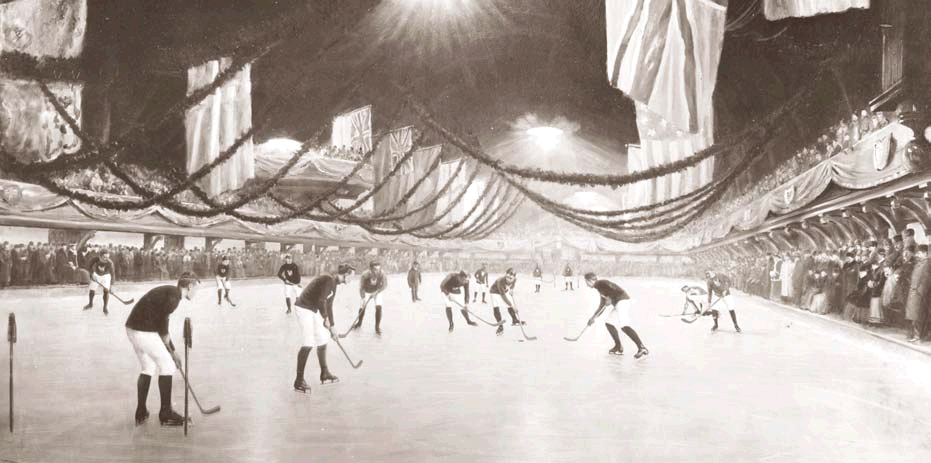
The game began to change in the mid-1800s. In 1875, the first official indoor hockey game was played at the Victoria Skating Rink in Montreal, Canada. The match was organized by James Creighton, a law student from Nova Scotia who moved to Montreal. This game used a flat wooden puck instead of a ball, which made play safer and more predictable indoors.
Soon after, the first set of rules was written. These rules limited the number of players, outlawed tripping and high sticks, and made the puck standard. The game quickly gained popularity in Montreal and spread to other Canadian cities.
Expansion And Growth In Canada
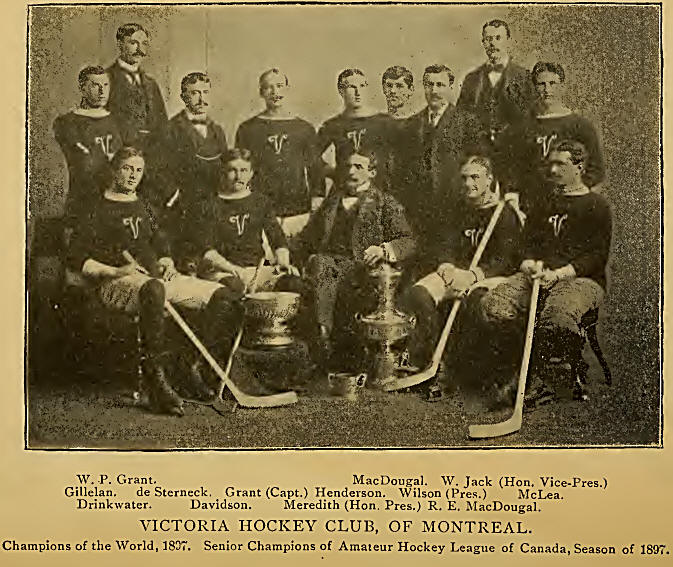
By the late 1800s, ice hockey was a regular winter sport in Canada. Clubs formed in Montreal, Ottawa, and Toronto. The Montreal Winter Carnival of 1883 hosted the first organized ice hockey tournament. Teams competed for local pride and trophies.
In 1893, Governor General Lord Stanley donated a silver cup to be awarded to Canada’s best amateur hockey team. This trophy became known as the Stanley Cup, and it’s still the most famous prize in hockey today.
Canadian universities and schools began forming teams. The game’s style and pace continued to change. For example, the number of players per side dropped from nine to seven, and then to six, which is the modern standard.
Ice Hockey Moves To The United States
The popularity of ice hockey crossed the border into the United States in the late 1800s. The first U.S. hockey clubs started in Yale University and Johns Hopkins University in the 1890s. The first organized league, the Amateur Hockey League of New York, began in 1896.
American teams often played Canadian teams, sharing and borrowing rules. Over time, U. S. teams developed their own style of play, with more speed and emphasis on passing.
International Growth And Olympic Debut
Ice hockey started spreading to Europe in the early 1900s. British soldiers and Canadian students introduced the sport to England, France, Switzerland, and the Czech lands. The first European Championship was held in 1910.
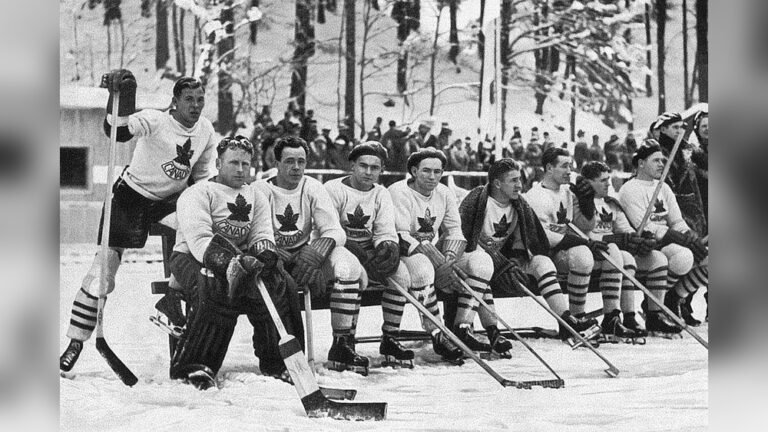
In 1920, ice hockey made its Olympic debut at the Summer Olympics in Antwerp. Canada won the gold medal, showing their dominance. By 1924, ice hockey became a regular part of the Winter Olympic Games.
The International Ice Hockey Federation (IIHF) was founded in 1908 to help organize rules and international play. Today, the IIHF has more than 80 member countries.
The Birth Of Professional Leagues
Organized, professional ice hockey began in Canada and the United States in the early 20th century. The National Hockey Association (NHA) formed in 1910 and was the first major pro league. In 1917, the NHA reorganized into the National Hockey League (NHL).
The NHL started with just four teams, all in Canada. By 1924, teams from the United States joined, including the Boston Bruins. The NHL grew quickly, and soon became North America’s top professional hockey league.
Below is a comparison of NHL team expansion during the early years:
| Year | Number of Teams | Notable New Teams |
|---|---|---|
| 1917 | 4 | Montreal Canadiens, Ottawa Senators |
| 1924 | 6 | Boston Bruins, Montreal Maroons |
| 1942 | 6 | Original Six Era |
| 1967 | 12 | Los Angeles Kings, St. Louis Blues |
Major Changes In The Game
As ice hockey grew, the game itself changed in important ways. Early games were low scoring, and goalies did not wear masks or much padding. By the 1950s and 1960s, equipment improved, making the game safer and faster.
Another key change was the introduction of the Zamboni in the 1940s. This ice-resurfacing machine made rinks smoother, which helped the puck glide better and led to faster play.
The rules also changed over time. For example, the blue line was added to divide the rink into three zones, and the offside rule was introduced. The size of rinks became standardized, especially for international play.
Here’s a look at some important rule changes:
| Year | Rule Change | Impact |
|---|---|---|
| 1929 | Forward passing allowed | Faster, higher-scoring games |
| 1943 | Red line introduced | Reduced offside calls |
| 1959 | Goalie mask debut | Safer for goalies |
| 2005 | Overtime shootout | No more tied games in NHL |
Ice Hockey Around The World Today
Today, ice hockey is played in over 80 countries. The sport is especially popular in Canada, the United States, Russia, Sweden, Finland, and the Czech Republic. Each country has its own style and strengths.
The NHL is the world’s top professional league, attracting the best players from many countries. International tournaments like the IIHF World Championship and the Winter Olympics showcase national teams and create new legends.
European leagues, such as Russia’s Kontinental Hockey League (KHL) and Sweden’s SHL, are also strong and produce many NHL stars. Women’s hockey has grown rapidly since its Olympic debut in 1998.
Here’s how ice hockey compares in popularity in different countries:
| Country | Number of Registered Players | Top League |
|---|---|---|
| Canada | Over 620,000 | NHL, CHL |
| USA | Over 560,000 | NHL, AHL |
| Russia | Over 110,000 | KHL |
| Sweden | Over 60,000 | SHL |

Surprising Insights Most People Miss
Many beginners think ice hockey has always looked the same, but even small changes—like puck design or rink size—created big shifts in how the sport is played. For example, the move from outdoor to indoor rinks in the late 1800s made the game faster and safer, and helped it grow in big cities.
Another point often missed is how important local communities were. Small-town teams and amateur leagues created a deep love for the game in Canada and northern U. S. states. Without these roots, ice hockey might never have become an international sport.
Frequently Asked Questions
What Country Invented Ice Hockey?
Canada is widely credited with inventing modern ice hockey. While stick-and-ball games on ice were played in Europe for centuries, the rules and style of today’s hockey started in Canada in the late 1800s.
When Was The First Indoor Ice Hockey Game Played?
The first indoor game was played in Montreal, Canada, on March 3, 1875, at the Victoria Skating Rink. This game used many of the rules seen in hockey today.
What Is The Oldest Professional Ice Hockey League?
The National Hockey League (NHL), founded in 1917, is the oldest pro league still active today. It began in Canada but quickly expanded to include U.S. teams.
How Did Ice Hockey Become An Olympic Sport?
Ice hockey was first included in the 1920 Summer Olympics in Belgium, then moved to the Winter Olympics in 1924. Its international popularity and organized rules helped it become a regular Olympic event.
Where Can I Learn More About Ice Hockey’s History?
The official Hockey Hall of Fame website offers detailed stories, photos, and facts about the sport’s history. Visit Hockey Hall of Fame for more information.
Ice hockey’s history is a story of passion, innovation, and community. From frozen ponds in Canada to packed arenas around the world, the game continues to grow and inspire new generations. Whether you’re a new fan or a lifelong supporter, understanding its history makes every game even more exciting.