Do you ever feel overwhelmed by the variety of exercises available for leg day? You’re not alone.
With so many options, it can be tough to know which moves are best for your fitness goals. One common dilemma you might face is choosing between the squat and the sumo squat. While they might seem similar at first glance, these two exercises target your muscles differently and offer unique benefits.
Understanding the difference can empower you to make smarter choices for your workout routine. Imagine maximizing your results with every session, feeling stronger, and seeing noticeable improvements. That’s what awaits you by uncovering the secrets behind these popular exercises. Stick around to discover how the squat and sumo squat can transform your fitness journey.

Squat Basics
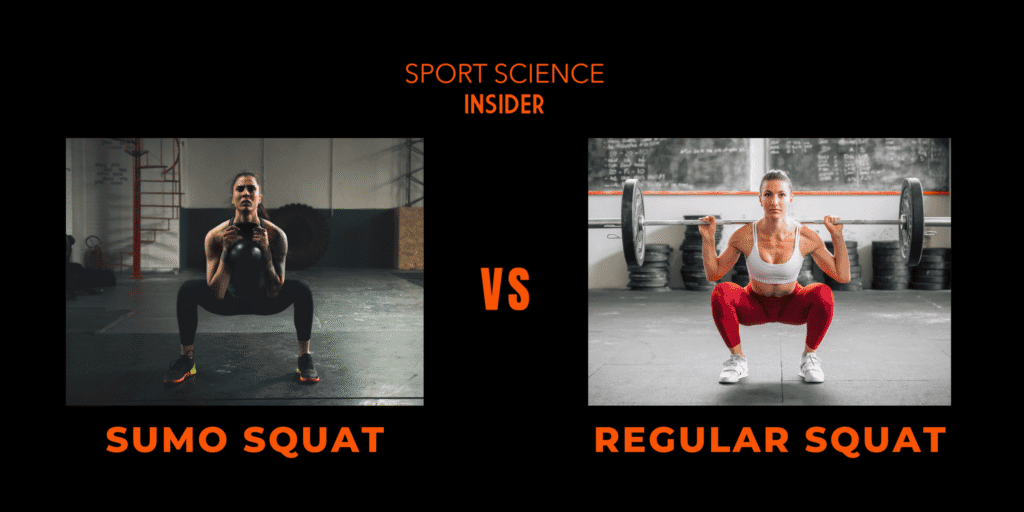
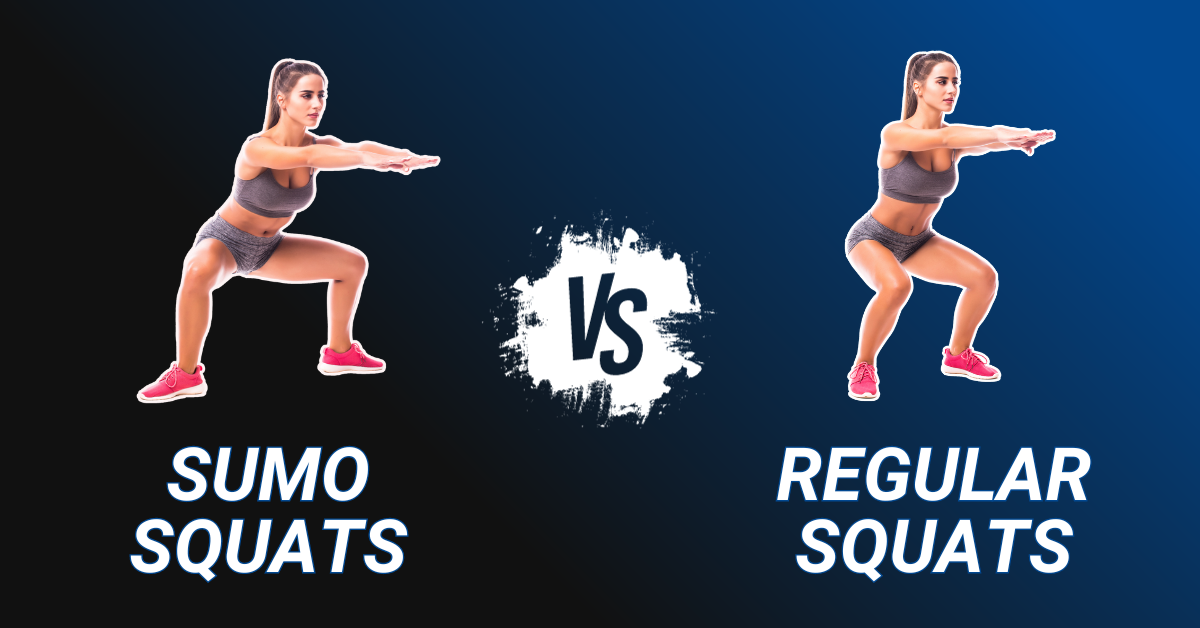
Squats and sumo squats differ mainly in foot positioning. Traditional squats have feet shoulder-width apart, while sumo squats have a wider stance. This wider stance targets inner thighs more effectively.
Form And Technique
Squats are simple but need care. Stand with feet apart. Keep back straight. Bend knees and lower your body. Don’t let knees go over toes. It is important to rise up slowly. This helps avoid injuries. Sumo squats have feet wider apart. Toes point outward. Lower body straight down. Both types need proper form. It ensures safety and effectiveness.
Muscles Targeted
Squats work the quadriceps and glutes. They also engage the hamstrings. Sumo squats target inner thighs more. Core muscles are also involved. This helps in building strength and balance. Knowing which muscles are engaged is important. It helps choose the right exercise.
Common Variations
- Bodyweight squats: Use your own weight.
- Goblet squats: Hold a weight at chest.
- Jump squats: Add a jump as you rise.
- Barbell squats: Place a barbell on shoulders.
- Sumo squats: Wider stance with toes out.

Sumo Squat Basics
The sumo squat is a type of squat with a wide stance. Feet are placed wider than shoulder-width. Toes point slightly outwards. Your back stays straight. Knees should not go over your toes. Lower your body slowly, then rise up. This movement helps in building strength. Use your core for balance.
Sumo squats focus on the inner thighsand glutes. They work the hamstrings too. The wide stance targets the adductors. Core muscles help in balance. The quads are also engaged. These squats are good for lower body strength.
Add weights for a challenge. Use dumbbells or a kettlebell. Try sumo squat jumps for cardio. Practice with a resistance band. Use different speeds. Hold the squat position longer. Each variation targets muscles differently. Choose what suits you best.
Key Differences
Squats and sumo squats have different foot positions. Squats require feet to be shoulder-width apart. Knees point forward. In contrast, sumo squats need a wide stance. Feet angle outwards, like a sumo wrestler. This stance changes how each squat feels.
Squats mainly work the quadriceps. They also target glutes and hamstrings. Sumo squats focus more on the inner thighs. They still engage glutes and quads. Each squat targets muscles in its own way.
Squats and sumo squats differ in motion range. Squats offer a deeper motion. This allows for more muscle stretch. Sumo squats have less depth. The wide stance limits the downward movement. Each provides a unique workout experience.
Benefits Of Each
Squats help build strong leg muscles. They focus on the quads, hamstrings, and glutes. Sumo squats target the inner thighs. This helps in gaining strength there. Both exercises make your legs strong. They work on different parts of your legs.
Sumo squats improve hip flexibility. They allow a wider stance. This stretches your hips more. Regular squats help in general body mobility. They let your knees and hips move better. Doing both exercises can make your body more flexible.
Squats engage your core muscles. They help you keep balance. Sumo squats also work the core but in a different way. They make you use your lower back muscles. Both exercises are good for a strong core.
Common Mistakes
Many people lean too far forward. This puts strain on the back. Knees often go past the toes. This can hurt the knees. Sometimes, feet are not flat. This causes imbalance. It is crucial to keep the chest up. Eyes should look forward. Feet must stay firm on the ground.
Feet placement is often wrong. They should be wider than shoulders. Knees may not align with toes. This causes knee pain. Some forget to engage the core. This leads to back strain. It is important to keep the torso upright. Weight should be evenly distributed.
- Check your posture regularly.
- Keep knees aligned with toes.
- Engage your core muscles.
- Ensure feet are flat on the ground.
- Practice with a mirror for better form.
Choosing The Right Squat
Squats help build strong muscles. Regular squats are great for overall strength. Sumo squats work more on inner thighs. They help with flexibility too. Think about what you want. Is it strength or flexibility? Choose based on your fitness goals.
Some people have longer legs. Others have wider hips. Regular squats might fit some people better. Sumo squats might feel more comfortable for others. Test both and see which feels better. Listen to your body.
Safety is key in exercise. Regular squats can strain knees if done wrong. Sumo squats can help reduce knee stress. They spread the weight differently. Always focus on proper form. Avoid injuries by being careful.
Frequently Asked Questions
What Muscles Do Squats Target?
Squats primarily target the quadriceps, hamstrings, and glutes. They also engage the core and lower back muscles. Squats are effective for building lower body strength and improving overall muscle tone. Regular practice can enhance balance and stability, making them a versatile exercise in any fitness routine.
How Is A Sumo Squat Different?
A sumo squat involves a wider stance with toes pointed outward. This variation targets the inner thighs and glutes more intensely. Sumo squats also engage the hip adductors, offering a different muscle focus. They can be beneficial for those looking to diversify their leg workout routine.
Which Squat Is Better For Beginners?
Standard squats are generally more suitable for beginners. They are simpler to perform and require less flexibility. Beginners should focus on mastering the squat form first. Once comfortable, they can explore variations like the sumo squat for added benefits.
Can Sumo Squats Help Improve Flexibility?
Yes, sumo squats can improve hip flexibility. The wider stance stretches the inner thighs and hip muscles. Regular practice can increase the range of motion in the hips. It’s important to maintain proper form to avoid strain and maximize flexibility gains.
Conclusion
Squats and sumo squats both strengthen legs effectively. Each exercise targets muscles differently. Squats focus more on the thighs and glutes. Sumo squats engage inner thighs more. Variety in workouts keeps fitness routines interesting. Both exercises offer unique benefits. Choose based on your fitness goals and preferences.
Mix both for balanced strength development. Always prioritize proper form to avoid injuries. Consult a trainer if unsure about technique. Regular practice leads to better results. Happy squatting!
