Trying skydiving for the first time is exciting, but can also feel confusing. Many people ask, “Should I go solo or tandem?” The answer depends on your goals, experience, and what you want from your jump. If you’re curious about the difference between solo skydiving and tandem skydiving, this article will help you understand everything clearly. You’ll learn the main features of each, safety aspects, training, costs, and even tips for choosing the best option for yourself.
What Is Solo Skydiving?
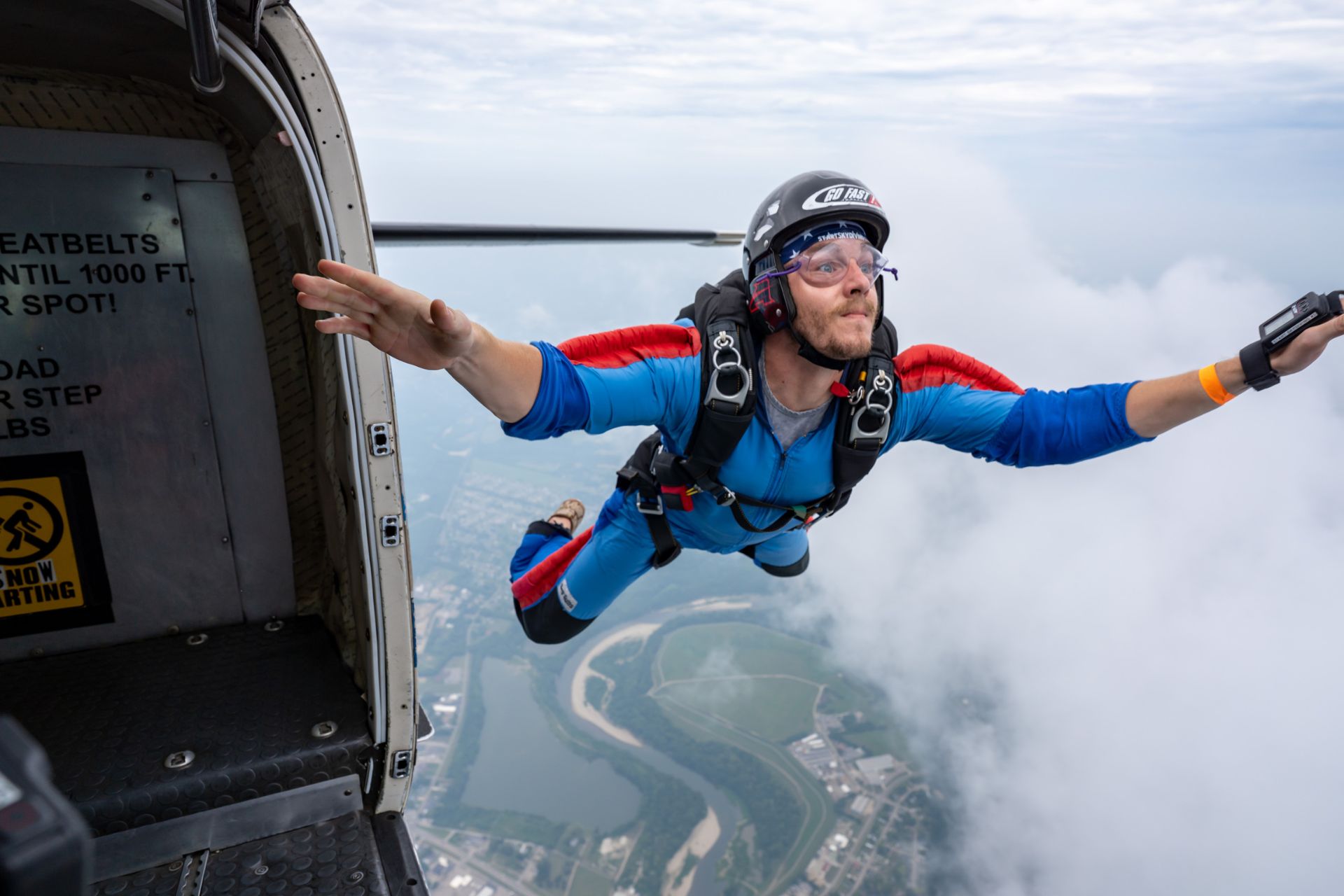
Solo skydiving means jumping from a plane completely on your own. You are responsible for your parachute, your safety, and your landing. Usually, solo jumps are not allowed for beginners. You must complete a training program before your first jump. The most common course is AFF (Accelerated Freefall), which includes ground lessons and supervised jumps.
Who Can Skydive Solo?
Most drop zones require solo jumpers to be:
- Over 18 years old
- In good health
- Completed a training course (like AFF)
- Passed a basic skills test
In the United States, the USPA (United States Parachute Association) sets strict rules for solo jumps. You need to earn a license before you can jump alone regularly. Beginner solo jumpers are often watched by instructors during their first few jumps.
Training Needed For Solo Skydiving
Before you can jump solo, you must:
- Attend a ground school (about 4-8 hours)
- Learn parachute operation, emergency procedures, landing techniques, and freefall body position
- Practice with mock equipment
- Complete supervised jumps with instructors
The AFF course usually involves 7 levels. You progress from jumping with two instructors to jumping alone. Each level focuses on new skills, such as stable freefall, turning, and deploying your parachute at the right time.
What Happens During A Solo Jump?
On a solo jump:
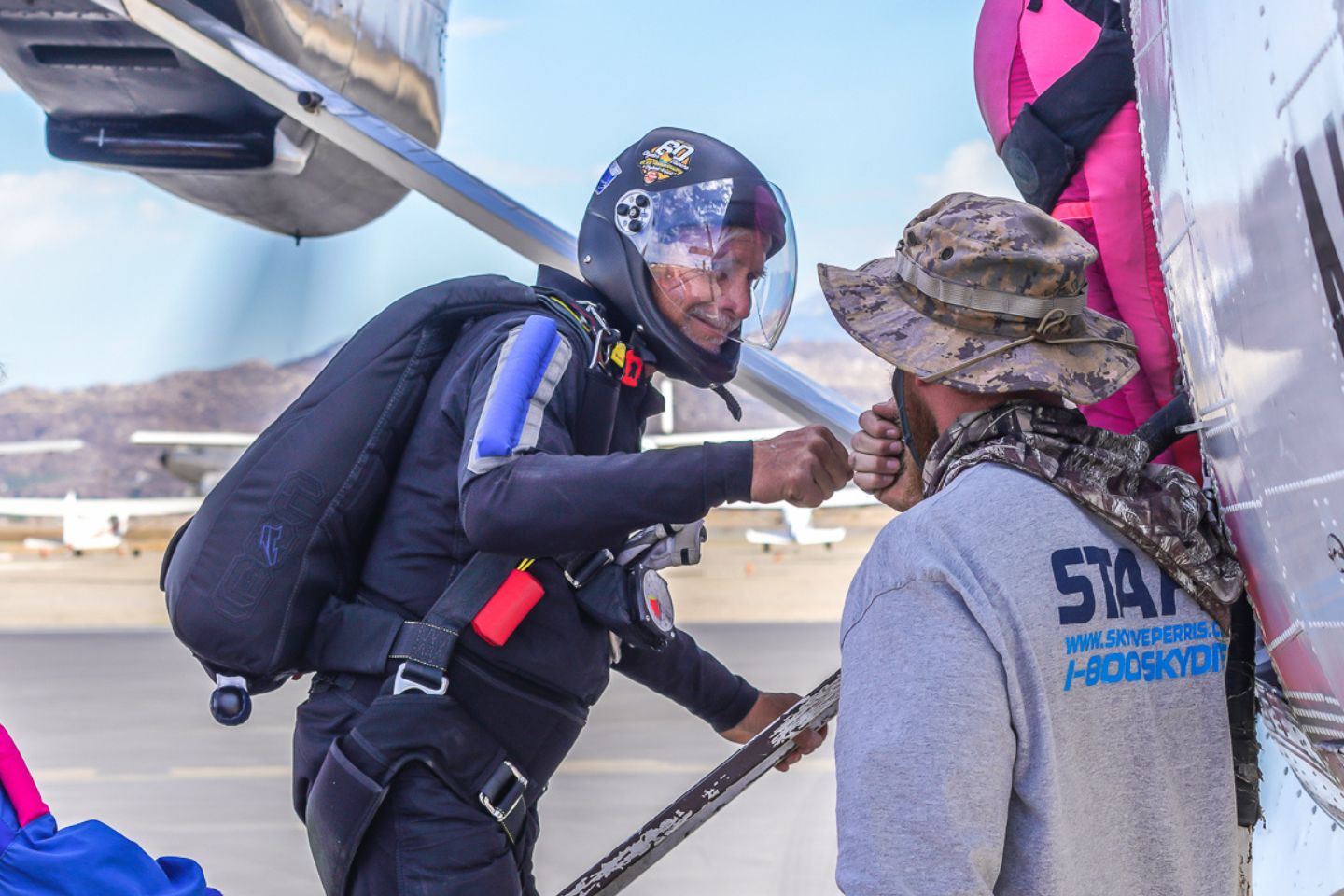
- You gear up yourself
- Board the plane with other jumpers
- Jump out at about 10,000-14,000 feet
- Spend about 40-60 seconds in freefall
- Open your parachute at about 5,000 feet
- Steer yourself to the landing area
You must be alert and react quickly. If your main parachute fails, you have a reserve chute.
What Is Tandem Skydiving?
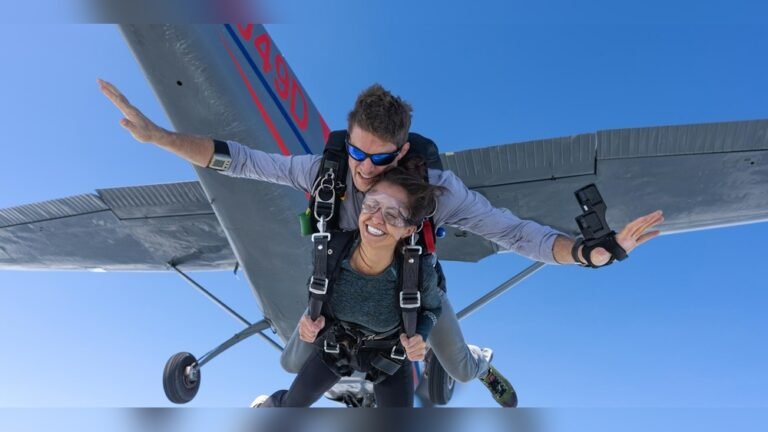
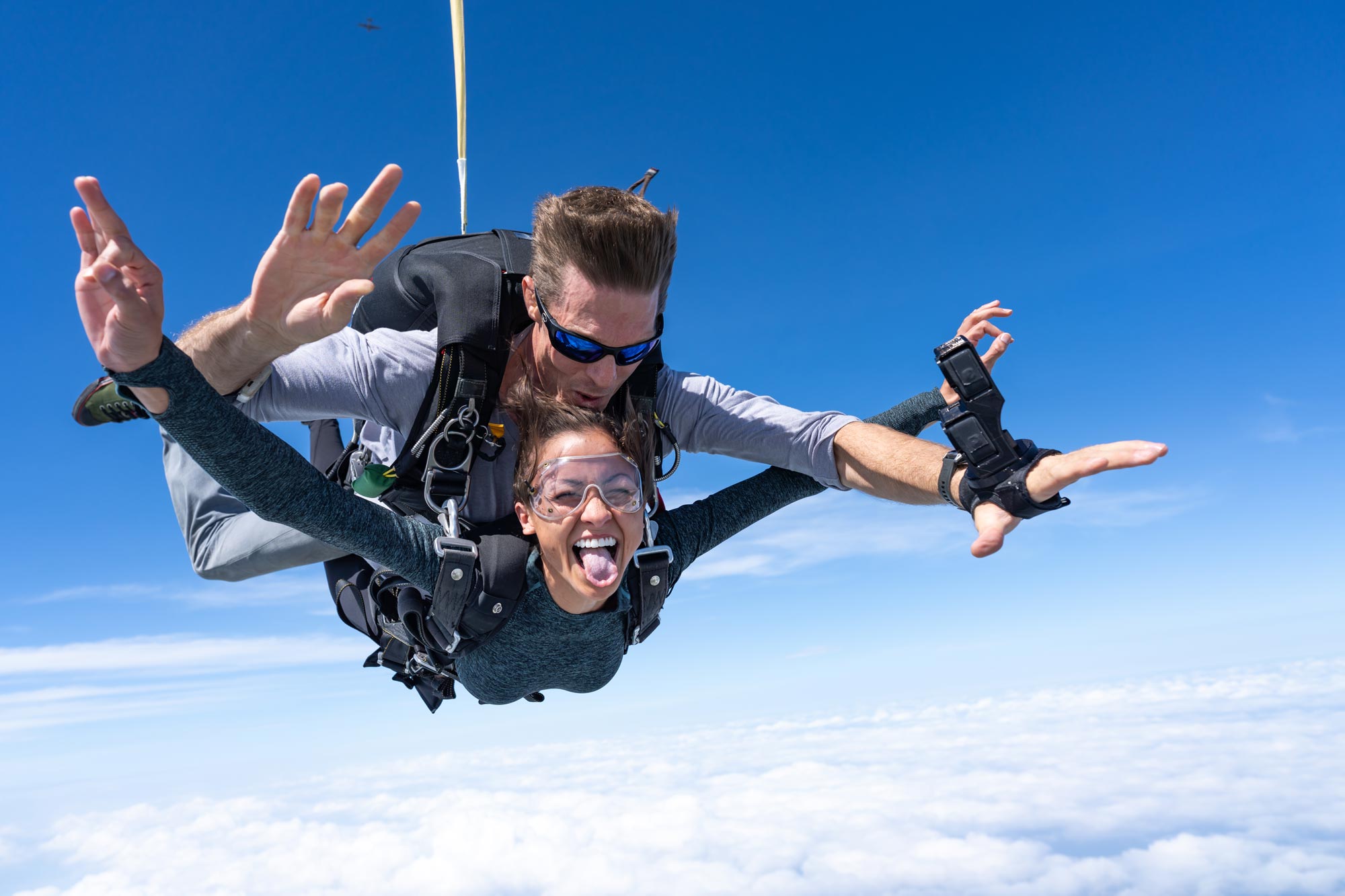
Tandem skydiving is the most popular option for first-timers. In a tandem jump, you are harnessed to an experienced instructor. The instructor controls everything: the jump, freefall, parachute deployment, and landing. You just enjoy the ride.
Who Can Do Tandem Skydiving?
Tandem jumps are open to almost anyone:
- Minimum age is usually 18 (some places allow 16 with parental consent)
- Weight limits (usually under 220-240 lbs)
- No need for previous experience
- Basic health required
Most people choose tandem for their first jump. It’s easy, safe, and requires little training.
Training Needed For Tandem Skydiving
Tandem training takes only about 20-30 minutes. You learn:
- How to wear the harness
- What to expect during the jump
- Body position for freefall and landing
- How to communicate with your instructor
You don’t operate the parachute or worry about safety procedures. The instructor handles everything.
What Happens During A Tandem Jump?
During a tandem jump:
- You gear up with your instructor
- Board the plane together
- Jump from 10,000-14,000 feet
- Enjoy about 40-60 seconds of freefall
- Instructor opens the parachute at 5,000 feet
- Both of you land together safely
You experience the thrill without the stress of managing equipment or emergency actions.
Comparing Solo And Tandem Skydiving
The main differences between solo and tandem skydiving are in control, training, experience, and safety. Here’s a quick overview:
| Feature | Solo Skydiving | Tandem Skydiving |
|---|---|---|
| Control | Full control | Instructor controls everything |
| Training | 4-8 hours (AFF course) | 20-30 minutes |
| Experience Needed | Yes, must complete course | No, open to beginners |
| Risk Level | Higher (you manage safety) | Lower (instructor manages safety) |
| Cost | Usually higher (multiple jumps needed) | Lower for single jump |
| Age/Weight Limits | 18+, strict weight/health limits | 16-18+, flexible, but some weight limits |
This table makes it clear: tandem skydiving is simpler and safer for beginners, while solo skydiving is for those who want to learn and take full control.
Safety Differences
Both types of skydiving are safe when done with licensed instructors and proper equipment. But there are key differences:
Solo Skydiving Safety
- You must remember all emergency procedures.
- Any mistake can lead to serious problems.
- You are responsible for parachute deployment and landing.
- Drop zones monitor beginners closely.
Solo skydivers have to be alert and trained. Even experienced jumpers double-check their equipment.
Tandem Skydiving Safety
- Your instructor has hundreds or thousands of jumps.
- The parachute system is larger and designed for two people.
- Special safety devices (AAD: Automatic Activation Device) help in emergencies.
- Instructors check all gear carefully.
Statistically, tandem jumps have fewer incidents. The instructor manages every safety aspect.
Cost Comparison
Skydiving prices depend on location, the drop zone, and the type of jump. Here’s a general breakdown:
| Jump Type | Average Cost (USD) | Includes |
|---|---|---|
| Tandem Jump | $200-$300 | One jump, instructor, gear, training |
| Solo AFF Course | $1500-$2500 | Ground school, 7 jumps, gear, instructor supervision |
| Solo Jump (after license) | $25-$40 | Jump ticket, gear rental |
Tandem is cheaper for a single jump, but solo jumping costs much more at first. Once licensed, solo jumps become affordable.
Training And Licensing Differences
Solo skydiving requires a license and ongoing training. Tandem jumps do not.
Solo Skydiving Licensing
- You must complete the AFF course.
- Pass written and practical tests.
- Earn a USPA A-license (or similar in other countries).
- Log a minimum number of jumps (usually 25 for A-license).
With your license, you can jump at most drop zones worldwide.
Tandem Jumping Licensing
- You do not need a license for tandem jumps.
- Instructors must be licensed and experienced.
This is why tandem is easier for beginners. You don’t need to study or practice before the jump.
The Experience: What Does Each Feel Like?
Tandem Experience
Most people describe tandem skydiving as:
- Less stressful
- Pure excitement
- Safe and fun
- Good for first jump, birthdays, bucket list
You can focus on the scenery and thrill. The instructor helps you relax.
Solo Experience
Solo skydiving feels:
- More intense
- Demanding and rewarding
- You control everything
- Builds confidence and skills
If you want to become a regular skydiver, solo is the path. You feel proud after landing on your own.
Who Should Choose Tandem Skydiving?
If you are:
- New to skydiving
- Nervous about heights
- Not ready for training
- Want a one-time adventure
Tandem is your best choice. You’ll feel safe and can enjoy the experience fully.
Who Should Choose Solo Skydiving?
Choose solo skydiving if you:
- Want to learn and jump often
- Like challenging yourself
- Are comfortable with training and responsibility
- Enjoy skill-building sports
Solo skydiving opens new doors: group jumps, competitions, advanced maneuvers.
Common Mistakes And How To Avoid Them
Skydiving is safe, but beginners sometimes make mistakes. Here are common issues:
- Skipping training: Never jump solo without proper training.
- Ignoring weight/health limits: Safety comes first, always follow rules.
- Not asking questions: If you don’t understand something, ask your instructor.
- Focusing only on price: Cheaper isn’t always better. Choose a reputable drop zone.
- Overestimating abilities: Solo jumping is challenging. Respect your limits.
Drop zones often share real stories to help new skydivers learn. For example, some beginners forget to arch their body in freefall, leading to unstable positions. Practicing on the ground helps avoid this.
How To Decide: Tandem Or Solo?
Here are tips to help you choose:
- If you want a quick, safe, exciting experience, go tandem.
- If you dream of becoming a licensed skydiver, start with solo (after training).
- If you’re unsure, try tandem first. You can always take AFF later.
- Talk to instructors at your local drop zone. They’ll guide you based on your skills and goals.
Many people do a tandem jump first, then return for AFF training later. This way, you experience skydiving and decide if you want to pursue it further.
Real Data: Skydiving Safety Statistics
- According to the USPA, tandem skydiving has about 1 injury per 500,000 jumps.
- Solo skydiving has about 1 fatality per 100,000 jumps (mostly among experienced jumpers).
- Over 500,000 tandem jumps happen in the USA every year.
- Most injuries are minor (sprains, bruises), serious incidents are rare.
These numbers show skydiving is safer than many expect, especially tandem jumps.
Advanced Solo Skydiving: What Comes Next?
After getting your license, you can:
- Join group jumps (formation skydiving)
- Learn advanced skills (tracking, canopy piloting)
- Enter competitions
- Become a skydiving instructor
Solo skydiving is a sport with levels, goals, and a community. If you enjoy adrenaline and learning, it’s a great hobby.
Environmental Impact
Skydiving uses planes and fuel, so there is some environmental impact. Many drop zones work to reduce their footprint by:
- Using more efficient aircraft
- Recycling gear
- Encouraging carpooling
The impact is small compared to other sports, but it’s good to be aware.
Additional Resources
If you want more details about training, safety, or licensing, visit the USPA official website for guidelines and statistics.
Frequently Asked Questions
What Is The Minimum Age For Skydiving?
Most places require you to be at least 18 years old. Some allow tandem jumps for 16-year-olds with parental consent.
Is Tandem Skydiving Safer Than Solo Skydiving?
Yes, tandem skydiving is considered safer for beginners because the instructor manages everything and has lots of experience.
How Long Does The Freefall Last?
The freefall lasts about 40-60 seconds for both solo and tandem jumps, depending on the jump altitude.
Can I Skydive Solo On My First Jump?
No, you must complete ground training and supervised jumps before solo skydiving. Most beginners start with tandem.
What Happens If The Parachute Doesn’t Open?
Both solo and tandem rigs have a reserve parachute and an automatic activation device (AAD). If the main chute fails, the reserve opens automatically.
Skydiving is thrilling and safe when done with proper training and experienced instructors. Whether you choose solo or tandem, you’ll remember your jump for life. Take your time, ask questions, and enjoy the sky!
