
Are you confused about which leg press machine is right for your workout? Knowing the difference between a plate-loaded and a stack leg press machine can make a huge impact on your training results.
Each type offers unique benefits, and choosing the right one can help you build strength more effectively and avoid injury. Keep reading to discover how these machines work, which one suits your fitness goals, and how to get the most out of your leg press sessions.
Your legs will thank you!
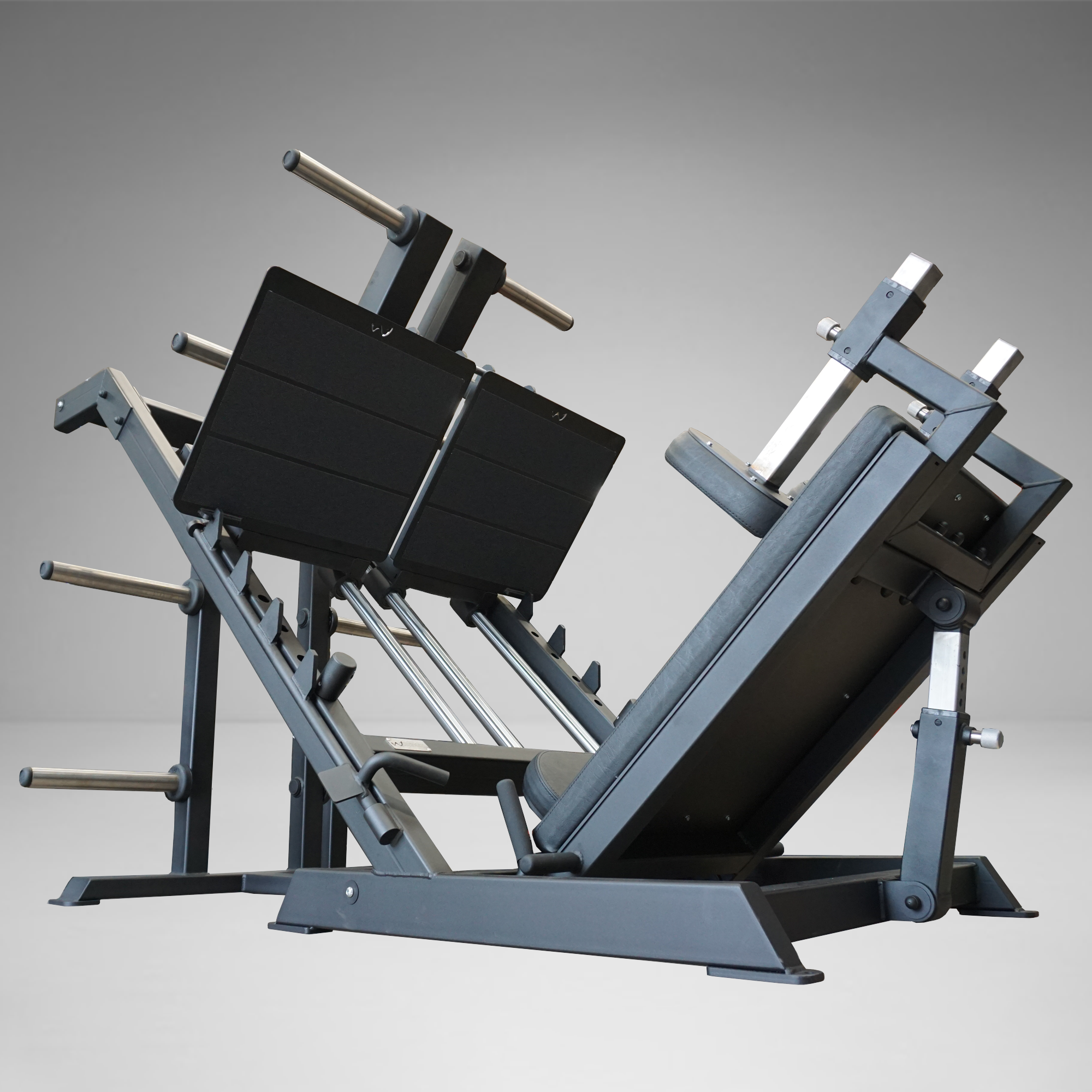
Plate-loaded Leg Press Basics
The plate-loaded leg press is a popular gym machine for building leg strength. It uses free weight plates for resistance. This design allows users to control the weight and feel a natural movement. Understanding its basics helps in choosing the right leg press machine for your workouts.
Design And Mechanics
The plate-loaded leg press has a simple frame with a footplate and sled. You push the sled away using your legs. The sled moves along guided rails. Weight plates attach to the sled’s sides. This setup mimics natural leg motion and targets major leg muscles.
Load Adjustment
Weight changes by adding or removing plates. This method is easy and quick. Users can choose small or large weight increments. It lets you customize the difficulty. No need for complex settings or pins. The resistance depends directly on the plates you load.
User Experience
The plate-loaded leg press feels smooth and stable. It offers strong resistance for muscle building. Many users enjoy the control over weight changes. The movement feels natural, reducing joint stress. It suits both beginners and advanced lifters well.
Stack Leg Press Essentials
The stack leg press is a popular machine in many gyms. It helps strengthen your legs with controlled movements. Understanding its basics can improve your workout experience. Here are the key points about stack leg press machines.
Machine Structure
The stack leg press has a fixed frame. It uses a vertical or angled weight stack. The weights move smoothly along guide rods. A cable or lever connects the weights to the footplate. The footplate is where you push with your feet. This design keeps the machine stable and safe.
Weight Selection
Weight selection is simple on a stack leg press. You insert a pin into the weight stack. This pin sets how much weight you will lift. Changing weights is quick and easy. It allows fast adjustments between sets or users. The weight increments are usually small, helping gradual progress.
Ease Of Use
The stack leg press is user-friendly. Its guided movement reduces risk of injury. Beginners can use it without much help. The machine supports your back and legs during exercise. It offers a controlled path for your feet. This helps maintain proper form and focus on muscles.
Performance And Muscle Activation
Understanding performance and muscle activation helps choose the right leg press machine. Each machine type offers unique benefits for training. They affect how muscles work and how force spreads through the movement.
Force Distribution
Plate-loaded leg press machines let users add weight plates freely. This design allows natural force distribution during the press. Users control the load and adjust it gradually.
Stack leg press machines use a fixed weight stack. The force feels more consistent and guided. This setup can reduce strain on joints by controlling the movement path.
Range Of Motion
Plate-loaded machines often allow a wider range of motion. Users can press deeper, increasing muscle stretch and activation. This helps improve flexibility and strength.
Stack machines usually limit the range of motion. The fixed path keeps the movement safe but less flexible. This suits beginners or those rehabbing injuries.
Targeted Muscles
Plate-loaded machines engage stabilizer muscles more. Users must balance the weight, activating more muscle fibers. This leads to better overall muscle development.
Stack leg press machines focus mainly on the quadriceps. The guided path reduces the need for stabilizer effort. This isolates leg muscles for focused strength work.
Safety And Injury Risk
Safety is a key concern when using leg press machines. Both plate-loaded and stack machines have risks. Knowing these risks can help you avoid injury. Proper use and understanding machine features improve safety.
Stability Features
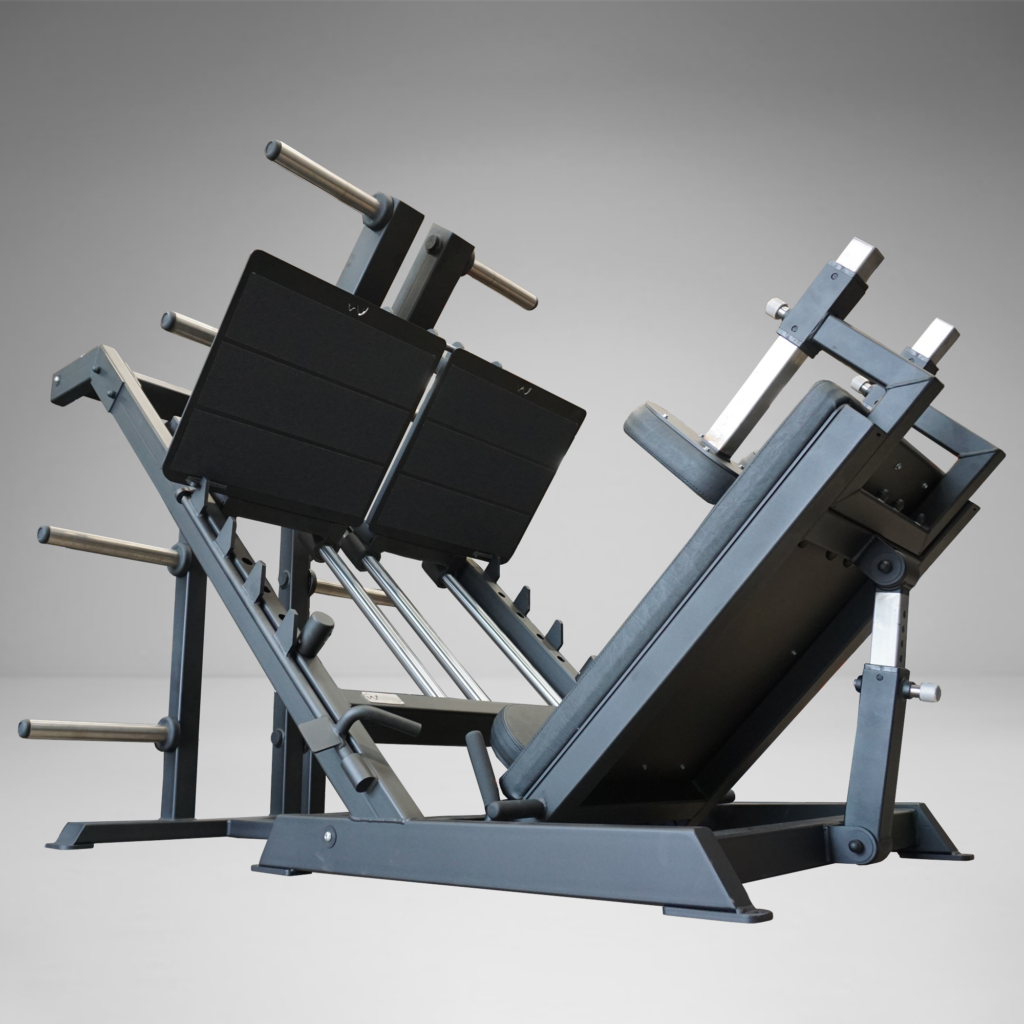
Plate-loaded machines usually have a solid, heavy frame. This adds stability during lifting. Stack machines often have a guided track system. This helps control the movement and keeps the leg press steady. Stability reduces the chance of slipping or falling. A stable machine supports safer workouts.
Spotting And Support
Plate-loaded machines may need a spotter for heavy lifts. A spotter can help if you get stuck. Stack machines often have built-in safety stops. These stops prevent the weights from dropping suddenly. Support features in stack machines reduce injury risk. Both types require proper form to stay safe.
Common Injuries
Leg press injuries often involve the knees, lower back, or hips. Plate-loaded machines may cause injury if weights are too heavy. Stack machines can cause joint strain if used incorrectly. Overloading or poor technique leads to muscle strain. Warming up and using correct form prevents many injuries.
Maintenance And Durability
Maintenance and durability are key factors in choosing between a plate-loaded and stack leg press machine. Both types have unique designs that affect their wear, repair needs, and lifespan. Understanding these differences helps you pick the machine that fits your usage and budget best.
Wear And Tear
Plate-loaded machines face more direct stress on their plates and pivots. The weight plates can cause scratches and dents over time. Stack machines use a cable and pulley system, which spreads the load more evenly. This design reduces visible wear on the frame but wears out cables faster.
Repair Requirements
Plate-loaded leg presses need fewer repairs because of their simple design. Most issues come from loose bolts or worn bushings. Stack machines require regular checks of cables and pulleys. Cable replacements and pulley adjustments are common repairs. Both machines need cleaning to avoid rust and dust buildup.
Longevity
Plate-loaded machines often last longer due to their solid metal parts. They handle heavy weights without much strain on moving parts. Stack machines may wear out faster because cables and pulleys degrade. Proper maintenance extends the life of both machines. Choosing high-quality materials improves durability in either type.
Cost And Accessibility
Cost and accessibility play a big role in choosing between a plate-loaded and stack leg press machine. These factors impact both your budget and how easy it is to use the machine. Understanding the price, availability, and home use options helps you make a smart choice.
Price Comparison
Plate-loaded machines usually cost less than stack leg press machines. The price depends on the brand and quality. Plate-loaded models often require separate weight plates, adding to the cost over time. Stack machines have built-in weight stacks, which can make them pricier upfront. Budget buyers often prefer plate-loaded options.
Availability In Gyms
Stack leg press machines are more common in commercial gyms. They offer quick weight changes and easier use for many people. Plate-loaded machines appear more in specialty gyms and training centers. Gyms focused on strength training often have plate-loaded versions. Both types are available, but stack machines are easier to find.
Home Use Suitability
Plate-loaded machines suit home gyms better due to their lower cost. They need space for weight plates and more room overall. Stack machines are bulkier and heavier, making them harder to fit at home. Plate-loaded leg presses offer more flexibility for home users. Choose based on your space and budget limits.
Frequently Asked Questions
What Is A Plate-loaded Leg Press Machine?
A plate-loaded leg press uses weight plates for resistance. It offers a more natural, free movement and allows easy weight adjustment. This machine is ideal for advanced users seeking variable resistance and muscle engagement.
How Does A Stack Leg Press Machine Work?
A stack leg press uses a pin-selected weight stack for resistance. It provides controlled, consistent resistance and is user-friendly. This machine suits beginners and those preferring quick weight changes without handling plates.
Which Leg Press Machine Is Better For Beginners?
Stack leg press machines are better for beginners. They offer guided movement and easy weight selection, reducing injury risk. Plate-loaded machines require more control and experience to use safely and effectively.
Are Plate-loaded Machines More Effective For Muscle Growth?
Plate-loaded machines can be more effective for muscle growth. They allow natural movement and variable resistance, engaging stabilizer muscles. However, proper form and weight control are essential for optimal results.
Conclusion
Choosing between a plate-loaded and stack leg press depends on your workout style. Plate-loaded machines offer more control over weight increments. Stack machines provide quick weight changes and ease of use. Both target your leg muscles effectively and build strength.
Think about your fitness goals and gym setup before deciding. Try both if possible to see which feels better. The right choice helps you train safely and reach your goals faster. Simple and steady progress matters most in any workout plan.
