

Basketball is a fast-paced, exciting game. But if you want to enjoy it fully—whether as a player, coach, or fan—you need to understand the rules. Two terms you’ll hear often are foul and violation. Many beginners think these words mean the same thing. In reality, they are very different. Knowing the difference is key if you want to follow the game, avoid mistakes, or even argue a call with confidence.
Both fouls and violations stop play, but they do so for different reasons and with different consequences. Let’s break down what each term means, how they affect the game, and why every basketball lover should know the difference.
What Is A Foul In Basketball?
A foul is a rule break that involves illegal physical contact or unsportsmanlike behavior. Fouls usually happen when a player touches, pushes, holds, or hits another player in a way that is not allowed. The goal of the foul rule is to keep the game fair and safe.
Types Of Fouls
- Personal Foul: This is the most common type. It happens when a player makes illegal physical contact with an opponent. Examples include hitting the shooter’s arm, pushing during a rebound, or blocking with too much force.
- Technical Foul: This is not about physical contact. It is given for bad behavior, such as arguing with the referee, using bad language, or breaking certain game rules (like hanging on the rim).
- Flagrant Foul: This is a very serious foul. It involves violent or dangerous contact. For example, hitting another player hard in the head. The referees can even eject a player for a flagrant foul.
- Unsportsmanlike Foul: In some leagues, this is a special type of foul for actions that are not friendly or respectful, even if they are not violent.
How Fouls Affect The Game
- When a player commits a foul, the other team may get free throws or the ball back, depending on the situation.
- If a player commits too many fouls in one game (usually five or six, depending on the league), they foul out and cannot play the rest of the game.
- Teams also have a limit. If a team collects too many fouls in a quarter or half, the other team gets extra free throws.
Examples Of Fouls
- Blocking: Trying to stop a player by standing in their way without having position.
- Charging: Running into a defender who already has position.
- Holding: Grabbing an opponent’s arm or shirt.
- Illegal screen: Setting a pick and moving while doing so.
Fouls are about how players interact with each other on the court. They focus on player safety and fairness.
What Is A Violation In Basketball?
A violation is a rule break that does not involve physical contact. Violations are usually about ball handling, movement, or time rules. These mistakes are less serious than fouls, but they still stop the game.
Common Violations
- Traveling: Taking too many steps without dribbling the ball.
- Double Dribble: Dribbling, stopping, then dribbling again.
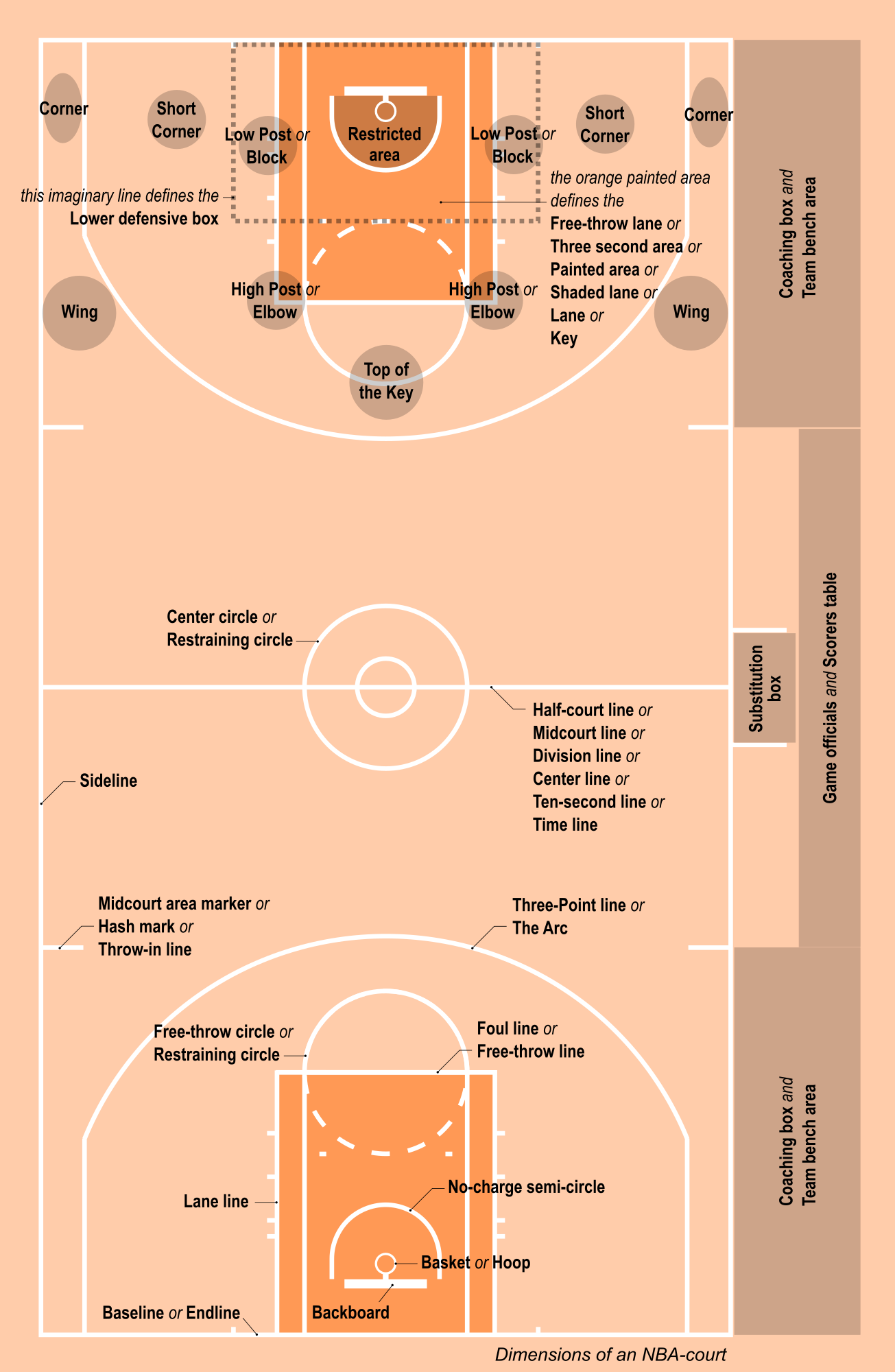
- Three-Second Violation: An offensive player stays in the key (paint) for more than three seconds.
- Backcourt Violation: Taking the ball back over the half-court line after crossing it.
- Five-Second Violation: Failing to inbound the ball within five seconds.
- Shot Clock Violation: Not attempting a shot before the shot clock runs out.
How Violations Affect The Game
- When a violation occurs, the referee stops play and gives the ball to the other team.
- There are no free throws or personal penalties for violations.
- Violations do not count towards a player’s foul total.
Examples Of Violations
- A player runs with the ball without dribbling (traveling).
- A team takes too long to bring the ball over the half-court line (8- or 10-second violation).
- Stepping on the boundary lines while handling the ball (out of bounds).
Violations are about following the technical rules of basketball. They keep the game moving smoothly.

Key Differences Between Fouls And Violations
Understanding the difference between a foul and a violation is easier when you compare them directly. Here’s a side-by-side look:
| Aspect | Foul | Violation |
|---|---|---|
| Main Cause | Illegal contact or unsportsmanlike behavior | Breaking technical/gameplay rules |
| Physical Contact | Yes, usually involves contact | No, contact not involved |
| Consequence | Free throws, ball possession, player may “foul out” | Loss of possession, no free throws |
| Counts Toward Foul Limit? | Yes | No |
| Types | Personal, technical, flagrant, unsportsmanlike | Traveling, double dribble, shot clock, etc. |
This table makes it clear: fouls are about player actions against each other; violations are about following the game’s structure.
Why The Difference Matters
If you watch a basketball game, you’ll notice that referees react differently to fouls and violations. The penalties are not the same. For example, a foul can change the flow of the game—leading to free throws, foul outs, or even technical penalties.
Violations only give the other team the ball.
Understanding this difference is important for players. If you know what counts as a foul, you can play more aggressively without getting kicked out. If you know what counts as a violation, you can keep your team in control and avoid unnecessary turnovers.
How Referees Decide: Foul Or Violation?
Referees use clear guidelines to decide if a play is a foul or a violation. But sometimes, the situation is not obvious. For example, if two players jump for a ball and bump into each other, is it a foul or just normal play?
Referees look at intent, position, and the effect of the contact.
For violations, the call is usually clear. Did the player take too many steps? Did the shot clock run out? These can often be seen on video replay.
A common mistake for beginners is thinking all mistakes are fouls. Not true! If you double dribble, it’s not a foul; it’s a violation, and you stay in the game.
Examples From Real Games
Let’s look at some real-life situations:
- In the NBA Finals, a player reaches in and hits the ball handler’s arm—referee calls a shooting foul. The opponent gets two free throws.
- In a college game, a player tries to quickly dribble past defenders but takes three steps without bouncing the ball—referee calls traveling. The other team gets the ball, no free throws.
Sometimes, a mistake can seem small but has a big impact. A single foul late in the game can give the other team free throws that win the game. A violation might break your team’s momentum when you have a chance to score.
Table: Common Fouls Vs. Common Violations
Here’s a quick reference for typical fouls and violations:
| Fouls | Violations |
|---|---|
| Personal foul (blocking, charging, holding) | Traveling |
| Technical foul (arguing, bad language) | Double dribble |
| Flagrant foul (dangerous play) | Three-second violation |
| Unsportsmanlike foul | Shot clock violation |
| Illegal screen | Backcourt violation |
Consequences And Penalties
Let’s look more closely at what happens after each type of rule break.
Foul Penalties
- Free Throws: If a player is fouled while shooting, they get free throws. The number depends on where the shot was taken.
- Team Fouls: After a certain number of team fouls (usually 5 per quarter in the NBA), every foul leads to free throws, even if it’s not during a shot. This is called the bonus.
- Fouling Out: If a player gets too many personal fouls, they must leave the game.
- Technical and Flagrant Fouls: The other team gets free throws and sometimes the ball.
Violation Penalties
- Turnover: The team that made the violation loses the ball. The other team gets to inbound.
- No Personal Penalty: The player who made the mistake stays in the game; there is no personal count.

How To Avoid Fouls And Violations
Players and coaches work hard to avoid both fouls and violations. Here’s how:
- Stay Under Control: Aggressive play is good, but wild swings or reckless defense lead to fouls.
- Know the Rules: Many violations happen because players forget time or movement rules.
- Watch Your Hands and Feet: Most fouls and violations happen because of poor body control.
- Practice Ball Handling: Good dribbling skills reduce double dribble and traveling mistakes.
- Communicate with Teammates: Talking on defense and offense helps avoid illegal screens and three-second violations.
An interesting fact: top professional players spend hours practicing to reduce these mistakes. For example, NBA teams often review game film to spot common violations and adjust their training.
Foul And Violation Statistics
Statistics show that fouls and violations are a big part of the game. In the 2022 NBA season, teams averaged about 19.9 personal fouls per game. Violations like traveling and double dribble are less common but still important. For example, an average NBA game may have 4–8 traveling violations.
Some leagues, like the EuroLeague, have slightly different rules, but the basic difference between fouls and violations is the same everywhere.
Table: Impact On Game Flow
Let’s see how each rule break affects the flow of a basketball game:
| Event | What Happens | Who Benefits |
|---|---|---|
| Personal foul on shooter | Free throws awarded | Offensive team |
| Technical foul | Free throw + possession | Opposing team |
| Traveling violation | Turnover, ball to other team | Defensive team |
| Shot clock violation | Turnover, ball to other team | Defensive team |
| Flagrant foul | Free throws + possession | Opposing team |
Notice how fouls can give the offense a direct scoring chance, while violations mostly just switch possession.
Two Insights Beginners Often Miss
- Not All Physical Contact is a Foul: Basketball is a contact sport. Mild bumps or touches are normal and not always called as fouls. Only contact that is illegal or gives an unfair advantage is penalized.
- Violations Can Be Strategic: Some teams use intentional violations, like a 24-second shot clock violation, to reset their defense. It’s rare but can be a smart tactic in special situations.
Learning More About Basketball Rules
Understanding these rules is just the start. If you want to dive deeper, the official NBA rulebook or FIBA guidelines are good places to read more. For a detailed summary, you can visit Wikipedia’s basketball rules page.
Frequently Asked Questions
What Is The Main Difference Between A Foul And A Violation In Basketball?
A foul is when a player breaks the rules with illegal physical contact or bad behavior. A violation is when a player breaks technical rules, like traveling or double dribbling, without contact.
Can A Violation Become A Foul?
No. A violation and a foul are different types of rule breaks. However, sometimes a play can involve both (for example, a player travels and then hits someone), but the referee calls only one.
How Many Fouls Does It Take To Get Disqualified?
In the NBA, a player is disqualified (fouls out) after six personal fouls. In college basketball, it’s five personal fouls.
Do Violations Count Toward Team Fouls?
No, violations do not count toward team fouls. Only personal, technical, and flagrant fouls add to a team’s foul total.
What Happens If A Team Keeps Making Violations?
The other team keeps getting the ball. Too many violations mean lost scoring chances and can hurt your team’s chances of winning, but there are no extra penalties like free throws or player disqualification.
Understanding the difference between a foul and a violation in basketball makes watching or playing the game much more enjoyable. Once you know these details, you’ll see the game with new eyes and appreciate every call—right or wrong—on the court.
