
Ice hockey is a fast, intense sport with its own unique set of rules and markings. One of the most important features on the rink is the blue line. For new fans or players, this line might seem just another colored stripe on the ice, but it has a huge impact on how the game is played. Understanding the blue line can help you follow the action, know why play is stopped, and appreciate the strategies teams use every period.
What Is The Blue Line?
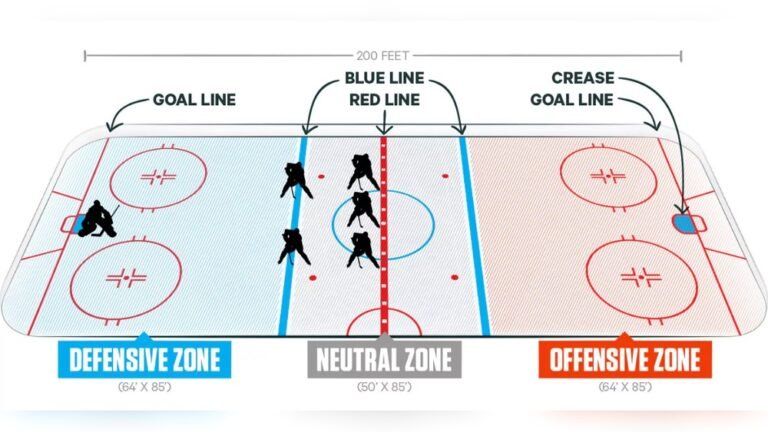
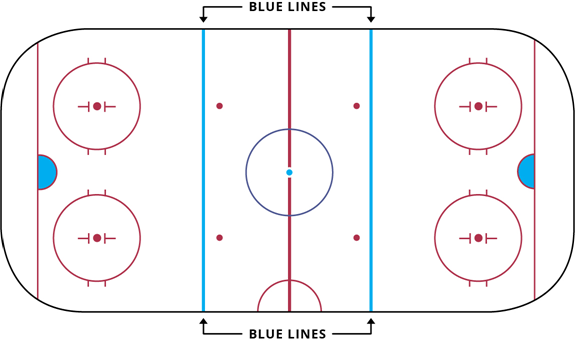
The blue line is a thick blue stripe that runs across the width of the ice rink. There are two blue lines, and they divide the rink into three main zones: the defensive zone, the neutral zone, and the offensive zone. Each blue line is located 64 feet from the nearest goal line.
These lines are not just for decoration. They are central to the game’s flow, especially when it comes to rules like offside and zone entries. Without the blue line, the strategies, pace, and fairness of ice hockey would be very different.
The Three Zones Explained
The blue lines create three key areas on the ice:
- Defensive Zone: The area from your team’s goal line to the nearest blue line.
- Neutral Zone: The space between the two blue lines.
- Offensive Zone: The area from the opponent’s blue line to their goal line.
Here’s a simple comparison of what each zone means for the teams:
| Zone | Main Purpose | Key Players’ Actions |
|---|---|---|
| Defensive | Protect your goal | Block shots, clear puck |
| Neutral | Transition play | Pass, carry puck |
| Offensive | Score goals | Shoot, set up plays |
The Blue Line And Offside Rule
One of the most important functions of the blue line is its role in the offside rule. Here’s how it works:
A player cannot enter the offensive zone (cross the opponent’s blue line) before the puck does. If a player crosses first, the play is stopped and a faceoff is taken outside the zone.
Why is this rule important? Without it, players could just wait near the other team’s goal for a long pass, making scoring too easy and reducing the skill and strategy of the game.
Example
If Team A is attacking, their forward must wait until the puck completely crosses the blue line before skating into the offensive zone. If the forward’s skates cross before the puck, the referee will blow the whistle for offside.
How The Blue Line Affects Game Strategy
Smart teams use the blue line in many ways:
- Zone Entries: Players try to carry the puck over the blue line instead of dumping it in, which can keep possession.
- Keeping the Puck In: Defenders hold the puck at the blue line to keep pressure in the offensive zone.
- Breakouts: Teams pass or skate the puck past their own blue line to start attacking plays.
The blue line is a “battleground” where many games are won or lost. Coaches teach players special moves and tactics to win these key moments.

The Blue Line And Penalties
While the blue line itself doesn’t cause penalties, it is involved in rules that can lead to infractions:
- Too Many Men on the Ice: This penalty often happens during line changes near the blue line, as players must be careful not to jump on the ice too soon.
- Delay of Game: If a defending player shoots the puck over the glass from their defensive zone (behind their blue line) without it touching another player or the glass, it’s a penalty.
Blue Line In Power Plays And Penalty Kills
Special teams—power play (with more players) and penalty kill (with fewer players)—use the blue line differently.
- On a power play, the attacking team tries to keep the puck inside the opponent’s blue line for as long as possible.
- Defenders on a penalty kill often try to clear the puck past the blue line to waste time and relieve pressure.
This makes the blue line a focus for quick decisions and smart play.

Blue Line Measurements And Standards
The blue lines are not random. According to the NHL and international rules:
- Width: 12 inches (30.48 cm)
- Distance from each goal line: 64 feet (19.3 meters)
- Distance between blue lines: 50 feet (15.24 meters)
Here’s a quick comparison of key rink lines:
| Line | Color | Purpose |
|---|---|---|
| Blue Line | Blue | Divides rink zones, offside rule |
| Red Line | Red | Center ice, icing rule |
| Goal Line | Red | Determines goals, icing, and faceoffs |
The Blue Line In Different Leagues
While the blue line is standard in the NHL, it is also used in international hockey, college hockey, and youth leagues. The placement and measurements can change slightly, but the main purpose is always the same.
For example, in Olympic hockey, the rink is wider, so the space between blue lines is also larger. But the rule for offside and zone entry is identical.
Common Mistakes And Tips For Understanding The Blue Line
Many beginners get confused by:
- Where the puck is: The puck must be fully over the blue line, not just touching it, to enter the offensive zone.
- Player’s skates: A player is not offside if their skates are touching or behind the blue line, even if the rest of their body is over.
- Delayed offside: Sometimes play continues even if a player is offside, as long as they “tag up” (leave the zone and re-enter legally).
A good way to learn is to watch slow-motion replays during games and see how referees make their calls.
Why The Blue Line Matters
Without the blue line, hockey would lose much of its structure and excitement. It keeps the game fair, fast, and strategic. Coaches build entire systems around how their teams approach the blue line. Players train to read plays and make split-second decisions at this spot on the ice.
For fans, knowing what the blue line means helps you spot big moments before they happen.
Frequently Asked Questions
What Is The Main Purpose Of The Blue Line In Ice Hockey?
The main purpose of the blue line is to separate the rink into zones and to enforce the offside rule. This keeps the game fair and organized.
How Wide Is The Blue Line?
The blue line is 12 inches (30.48 cm) wide across all professional leagues, including the NHL.
What Happens If A Player Crosses The Blue Line Before The Puck?
If a player enters the offensive zone before the puck, it is called offside. Play stops, and a faceoff occurs outside the zone.
Are Blue Line Rules The Same In All Leagues?
Almost all professional and amateur leagues use the same blue line rules. However, international rinks have slightly different measurements, as explained on the Wikipedia: Ice Hockey Rink page.
Can A Goal Be Scored If The Puck Hasn’t Crossed The Blue Line?
No. The puck must cross the blue line into the offensive zone before a goal can be scored legally.
The blue line is more than just a stripe on the ice—it’s the foundation for many rules and strategies in hockey. The next time you watch a game, pay attention to this line. You’ll see how it guides player movement, team tactics, and even the drama of the sport.
Understanding the blue line lets you experience hockey on a whole new level.
